Fermented Foods and Their Role in a Low Sugar Diet
27 October 2026
Cutting sugar is usually framed as an act of subtraction. You remove the soda, the pastries, the flavored yogurt, the granola that was secretly candy in a health costume. That works for a while, and then people hit a wall. Meals start tasting flat. Cravings get loud. Digestion gets weird because the fiber and starch mix shifted. This is where fermented foods earn their place, and not for the reasons most people assume.
The common pitch is that fermented foods are "good for your gut," which is true in a broad sense and useless in practice. The more interesting story is mechanical. Fermentation changes the chemistry of food in ways that directly affect how sweet it tastes, how quickly its carbohydrates hit your bloodstream, and how satisfying a low sugar meal feels. Used well, fermented foods are not a garnish on a low sugar diet. They are structural support.
This article is about that structure. What fermentation actually does to sugar, where it helps, where it backfires, and how to build it into your week without turning your kitchen into a science project.
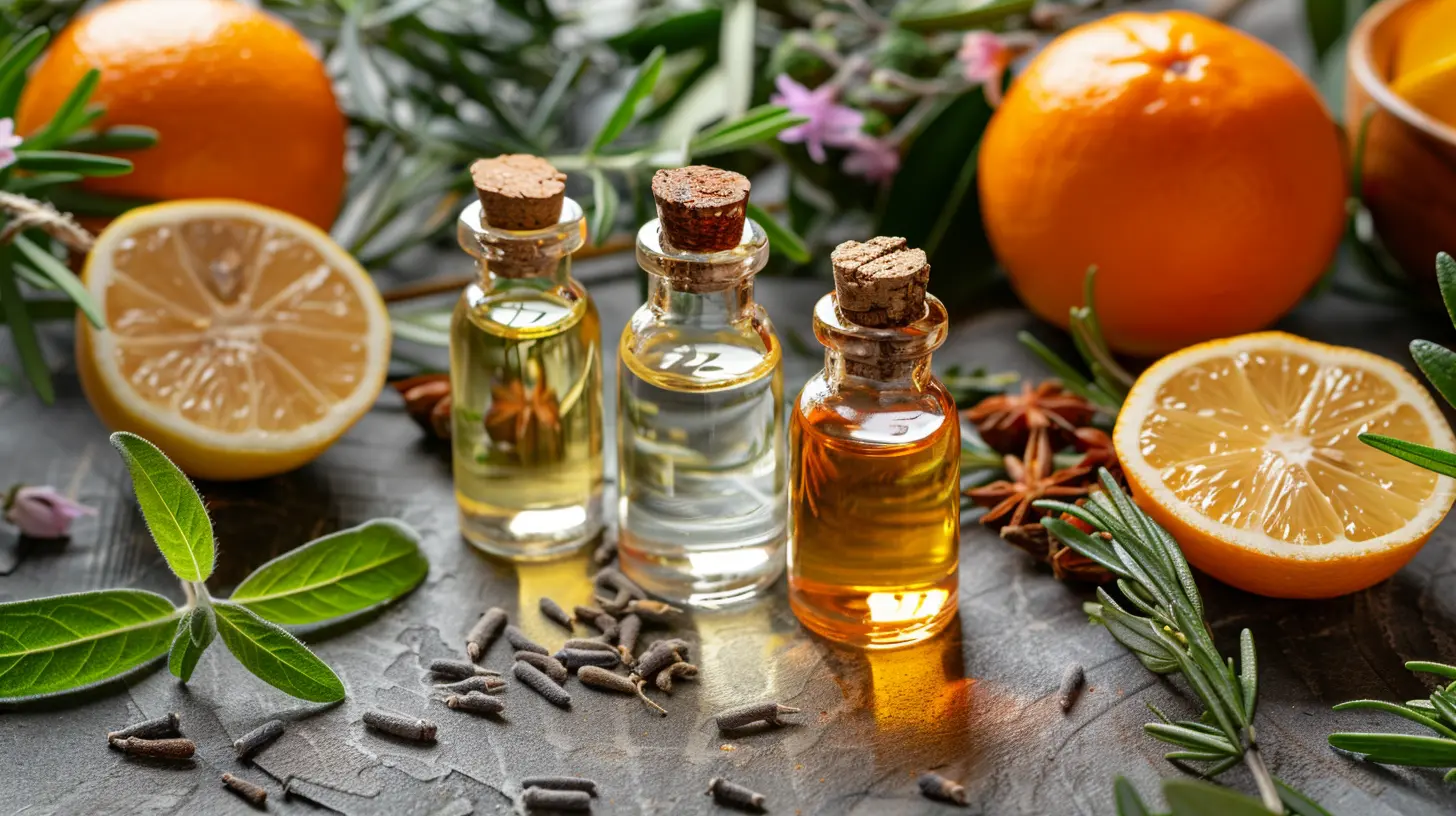
What Fermentation Actually Does to Sugar
Fermentation is controlled microbial digestion. Bacteria and yeasts eat sugars and starches and convert them into acids, gases, alcohol, and other compounds. From your perspective as an eater, three changes matter most.First, sugar gets consumed. In lactic acid fermentation, bacteria such as Lactobacillus species convert sugars into lactic acid. That is why sauerkraut tastes sour rather than sweet and why a properly fermented cucumber is tangy instead of candy-like. The sugar did not disappear into thin air. Microbes used it as fuel and left acid behind.
Second, carbohydrates get restructured. In sourdough, wild yeasts and bacteria break down some of the starch and produce organic acids that alter how the dough behaves during baking. In fermented dairy, bacteria convert lactose into lactic acid, which is why some people who struggle with milk tolerate yogurt or kefir better. The carbohydrate load does not vanish, but its form changes.
Third, new compounds appear. Acids, peptides, B vitamins in some cases, and a range of flavor molecules that make food taste more complex. This matters more than it sounds. A low sugar diet often fails on flavor, not willpower. Fermentation generates savory, sour, and umami notes without a grain of added sugar.
Here is the part people get wrong. Fermentation does not make a food "sugar free." It reduces sugar in some foods, leaves it largely intact in others, and in a few cases adds a small amount back through the production of alcohol or through added ingredients in commercial products. The category is too broad for blanket claims.

Why Low Sugar Diets Usually Struggle, and How Fermentation Fits
Most low sugar diets fail for one of three reasons.The first is palate fatigue. When sweetness drops out, food tastes dull for a couple of weeks until your taste buds adjust. Fermented foods shorten that window because they deliver big flavor through acidity and umami rather than sweetness.
The second is satiety. Sugar and refined starch are easy calories. Remove them and meals can feel thin. Fermented foods help here in a subtle way. Acid and complex flavor slow down eating and make meals feel more complete. A bowl of plain rice and vegetables is forgettable. The same bowl with kimchi, a spoon of fermented chili paste, and a splash of the brine is not.
The third is digestion. When people cut sugar, they often cut processed foods at the same time, which changes fiber intake and gut bacterial activity. Some experience bloating or irregularity during the transition. Fermented foods can support the gut during that shift, though the effect depends heavily on the person and the dose. More on that later, because overdoing it is a real problem.

The Sugar Content Reality Check
Before you stock the fridge, you need a working map of where fermented foods sit on the sugar spectrum. This is where most articles wave their hands. Let's be concrete.Naturally Low Sugar Fermented Foods
- Sauerkraut, plain. Cabbage is low in sugar to begin with, and fermentation consumes much of what is there. Check labels for added sugar, which shows up in some commercial brands.- Kimchi. Similar story, though some recipes include fruit or sugar in the paste. Traditional versions are low, sweetened commercial versions are not.
- Plain yogurt and kefir. Lactose is partially consumed, but not eliminated. Plain versions are low in added sugar. Flavored versions are dessert.
- Fermented vegetables generally. Carrots, radishes, green beans, and cauliflower all ferment well and stay low in sugar.
- Tempeh. A fermented soybean product with minimal sugar and a firm, savory profile.
- Natto. Fermented soybeans with a strong flavor and essentially no sugar.
Fermented Foods That Are Not Low Sugar
- Most kombucha. The drink starts sweet because the tea needs sugar to ferment, and the final product often retains some. Some brands are quite dry, others are closer to soda. Read the label per serving.- Fruit wines and many traditional fruit ferments. The sugar in fruit does not disappear entirely, and some products are sweetened after fermentation.
- Sweetened yogurt, drinkable yogurts, and most flavored kefir. These are frequently higher in sugar than the soda people gave up.
- Miso, depending on type. Miso is salty and savory, not sweet, but it is made with grains and contains some residual sugars. It is used in small amounts, so the practical impact is low. Still, it is not a zero.
- Fermented hot sauces with added fruit or sugar. Read the label. Some are clean, some are sweet.
The pattern is simple. Fermentation reduces sugar when the starting material is low in sugar and the ferment runs long enough. It does not rescue a sweet starting material, and commercial products frequently add sugar back for taste, shelf stability, or both.

The Glycemic Angle: Why Fermented Matters Beyond Sugar Grams
Total sugar grams are only part of the story. How quickly carbohydrates reach your bloodstream matters too, and fermentation influences that.Sourdough is the clearest example. The acids produced during a long fermentation slow gastric emptying and reduce the rate at which starch is digested. Many people report a flatter energy curve after sourdough compared with commercial bread, and the mechanism is plausible even if individual responses vary. This does not make sourdough a low sugar food. It makes it a different food than a fast-rising white loaf, and for someone managing blood sugar, that difference can matter.
Fermented dairy tells a similar story. The acid in yogurt and kefir slows digestion compared with milk, and the protein structure changes. Again, not magic, but meaningful at the margins.
The practical takeaway is this. If you are cutting sugar, you are probably also trying to smooth out your energy and appetite. Fermented foods help because they change digestion speed and flavor intensity, not because they are sugar-free heroes. Treat them as tools for meal quality, not as a loophole.
Building Flavor Without Sugar: The Real Payoff
Here is the case for fermented foods that rarely gets made clearly. They are the best answer to the question every low sugar cook eventually asks. How do I make food taste like something without sweetness?Sugar does more than sweeten. It balances acid, rounds out salt, and adds body. Remove it and dishes taste sharp, thin, or flat. Fermentation gives you replacement tools.
- Acidity from sauerkraut brine, kimchi liquid, or yogurt replaces the brightness sugar used to provide.
- Umami from miso, tempeh, and fermented soy sauces adds depth and makes vegetables taste heartier.
- Aroma from fermented chili pastes and fermented garlic adds complexity that distracts from the missing sweet note.
A concrete example. A salad dressing made of olive oil, lemon, salt, and a spoon of sauerkraut brine tastes fuller than the same dressing with a pinch of sugar. The brine brings acid, salt, and fermented flavor compounds at once. It is a direct substitution, and it works.
This is the practical reason to keep three or four fermented items on hand. Not for probiotics. For flavor infrastructure.
The Gut Connection, Explained Without Hype
Fermented foods contain live microorganisms, and some of them survive the trip to your gut. Whether they colonize is a separate question. Most do not take up permanent residence. They pass through, interact with your existing bacteria, and influence the environment along the way.What does that mean for a low sugar diet? Two things.
First, cutting sugar changes your gut bacterial population. Some species that thrive on refined carbohydrates decline, and the mix shifts. This is generally desirable, but transitions can be bumpy. Fermented foods introduce a wider range of microbes and their metabolic products during that shift, which some people find helpful.
Second, the fiber in fermented vegetables feeds your existing bacteria. Sauerkraut and kimchi are both fermented and fiber-rich. That combination is unusual and useful.
The honest caveat is that responses vary enormously. Some people feel noticeably better within a week of adding fermented foods. Others notice nothing. A subset experiences bloating, gas, or discomfort, especially at the start or with large portions. This is not a sign you are doing it wrong. It is a sign that your gut community is reacting to a new input. Start small, with a forkful or two per meal, and increase gradually over a few weeks.
Probiotic Supplements vs. Fermented Foods
People often ask whether a capsule can replace the food. In most cases, no, and the reason is not that supplements are useless. It is that they are narrow.A supplement delivers specific strains in specific doses. A fermented food delivers a complex community of microbes plus their metabolites, plus fiber, plus flavor. The food is a package. The capsule is a component.
That said, supplements have a place. If you genuinely dislike fermented foods, or if you have a medical reason to avoid them, a well-formulated probiotic may be a reasonable substitute for some of the gut-related benefits. It will not replace the flavor and cooking value, and it will not replace the fiber.
For most people, the food-first approach makes more sense. It is cheaper, more varied, and it improves your meals. The supplement is a fallback, not a foundation.
Common Mistakes People Make
This section exists because the same errors show up again and again.Mistake 1: Assuming Fermented Means Low Sugar
As covered above, kombucha, flavored yogurt, and sweetened kimchi can carry substantial sugar. The label is the authority, not the category.Mistake 2: Going From Zero to a Jar a Day
A large serving of kimchi on day one can produce impressive gastrointestinal drama. Start with a tablespoon or two, once daily, and build over two to three weeks. Your gut needs time to adjust.Mistake 3: Buying Pasteurized Products and Expecting Live Cultures
Many shelf-stable sauerkrauts and pickles are heat-treated for stability. They still taste fermented, and they still contain some acids, but the live microbes are gone. If live cultures matter to you, look for refrigerated products labeled as raw or unpasteurized, or make your own. If you mainly want flavor, pasteurized is fine.Mistake 4: Ignoring Sodium
Fermented foods are salty. Sauerkraut, kimchi, miso, and fermented soy products all carry meaningful sodium. If you are managing blood pressure, portion awareness matters. This is a real trade-off, not a reason to avoid these foods entirely, but it deserves attention.Mistake 5: Fermenting in the Wrong Conditions
Home fermentation fails when salt ratios are off, vegetables are submerged improperly, or temperatures are too warm. Follow a tested recipe by weight, keep vegetables under the brine, and taste as you go. Mold on the surface means discard. A little white film of yeast (kahm yeast) is usually harmless but affects flavor.Mistake 6: Treating Fermented Foods as a Substitute for Vegetables
A spoon of kimchi is not a serving of vegetables. It is a condiment with benefits. Keep the volume in perspective.How to Start: A Practical Framework
You do not need a crock or a fermentation hobby to get value here. Start with store-bought and add homemade later if you enjoy it.Week one. Pick one fermented food you already like. Plain yogurt, sauerkraut, or kimchi are the easiest entries. Add a small serving to one meal per day.
Week two. Add a second item from a different category. If you started with dairy, add a vegetable ferment. If you started with vegetables, add miso or tempeh.
Week three. Start using fermented items as ingredients rather than sides. Sauerkraut in a sandwich, kimchi in a grain bowl, miso in a soup, yogurt as a base for dressings.
Week four and beyond. Assess. Are meals more satisfying? Is digestion comfortable? Are cravings easier to manage? Adjust portions and frequency based on your own response, not on a protocol.
If you want to ferment at home, start with sauerkraut. It is forgiving, cheap, and teaches you the basics of salt ratios and submersion. Cabbage, salt at roughly 2 percent of the cabbage weight, a clean jar, and time. That is the whole recipe.
Fermented Foods and Cravings: A Nuanced View
There is a popular claim that fermented foods reduce sugar cravings. The evidence is indirect and mixed. What is more defensible is that fermented foods improve meal satisfaction, and satisfied meals reduce the likelihood of grazing later.Think about it mechanically. A lunch of grilled chicken and roasted vegetables is fine. The same lunch with a generous spoon of kimchi and a drizzle of its liquid is more interesting. Interesting food gets eaten with attention. Attention tends to produce fullness signals that distracted eating misses.
There is also a taste adaptation story. Regular exposure to sour and savory flavors trains your palate to find sweetness less necessary. People who eat fermented foods daily often report that commercial sweets start tasting cloying. That is anecdotal, but it is consistent with how taste preferences shift with exposure.
The claim to avoid is that fermented foods "fix" cravings through gut bacteria in some direct way. That is oversold. The effect, when it exists, is more likely a combination of flavor, satiety, and habit.
Trade-Offs and Who Should Be Careful
Fermented foods are not universally appropriate. A few groups should proceed with caution or consult a clinician.- People with histamine intolerance may react to fermented foods, which can be high in histamine. Symptoms include headaches, flushing, and digestive discomfort.
- People with compromised immune systems should be cautious with raw, unpasteurized fermented foods due to the small risk of harmful microbes.
- People managing sodium intake should watch portions of salty ferments.
- People with IBS may find certain fermented foods trigger symptoms, particularly those high in certain carbohydrates. A trial-and-error approach with small portions is sensible.
- Pregnant individuals should follow general food safety guidance regarding unpasteurized products.
For everyone else, the risk profile is low and the upside is real. Start small, pay attention to your body, and adjust.
Making Fermented Foods Work in Real Meals
Abstraction is easy. Here is what it looks like on a plate.Breakfast. Plain yogurt with nuts and a small amount of low sugar fruit. Or eggs with a side of sauerkraut, which sounds odd until you try it. The acid cuts the richness of the eggs.
Lunch. A grain bowl with tempeh, roasted vegetables, and kimchi. The kimchi does the work that a sweet sauce would normally do.
Dinner. Miso soup as a starter. It is savory, low in calories, and it slows the pace of the meal. Or a piece of fish with fermented chili paste and steamed greens.
Snacks. A spoon of sauerkraut straight from the jar is a legitimate snack if you like it. So is plain kefir with a squeeze of lemon.
The pattern is consistent. Fermented foods replace the flavor role that sugar and sweet sauces used to play. They do not replace meals. They complete them.
A Note on Making Your Own
Home fermentation is inexpensive and rewarding, but it is not required. If you try it, keep these principles in mind.Use clean equipment. Weigh your salt rather than measuring by volume, because salt crystal sizes vary. Keep vegetables submerged under the brine, since exposure to air invites mold. Ferment in a cool spot, roughly 65 to 72 degrees Fahrenheit for most vegetable ferments. Taste regularly after the first few days and move to the refrigerator when the flavor suits you.
Do not be alarmed by bubbles, cloudy brine, or a sour smell. Those are signs of active fermentation. Do be alarmed by fuzzy mold, slimy textures, or off odors that smell rotten rather than sour. When in doubt, discard.
The reward is control. You decide the salt level, the spices, and the fermentation time. For someone on a low sugar diet, that control is valuable because commercial products often sneak in sugar or sweeteners you did not ask for.
Bringing It Together
A low sugar diet is not just a subtraction exercise. It is a rebuild. You remove the easy sweetness and you have to replace it with something, or the whole thing collapses under the weight of bland meals and loud cravings. Fermented foods are one of the most effective replacements available because they deliver flavor intensity, digestive support, and a different relationship with sweetness, all at once.The rules are not complicated. Choose low sugar ferments. Read labels on commercial products. Start with small portions and build. Use fermented foods as ingredients, not just sides. Watch your sodium if that matters to you. And pay attention to your own response, because the category is broad and your gut is not someone else's.
Do that, and fermented foods stop being a wellness checkbox. They become part of how you actually cook and eat, which is the only place any dietary change survives.
all images in this post were generated using AI tools
Category:
Low Sugar DietAuthor:

Holly Ellison
Discussion
rate this article
1 comments
Jet McIntire
Fermented foods are a delicious addition to a low sugar diet! They boost gut health and add flavor to your meals... Enjoy!
October 27, 2026 at 4:27 AM