How to Incorporate Stretching into Your Weight Training Routine
1 June 2026
Let’s be real—most of us skip stretching. We walk into the gym, maybe swing our arms a bit, knock out a few reps, and hit the weights. Then we leave. Sound familiar? But here’s the thing: if you want to lift more, lift longer, and stay injury-free, it’s time to start showing stretching some love.
Stretching isn’t just for yogis or people who do splits on Instagram. It’s for gym rats, weekend warriors, and anyone serious about building strength. And here’s the kicker—adding just a few minutes of strategic stretching into your weight training routine can supercharge your results.
So, how do you actually do it? Let’s break it down together.
Why Stretching Matters More Than You Think
Think of your muscles like rubber bands. If you keep pulling on a stiff, cold rubber band, eventually it’ll snap. But warm it up, make it flexible, and it’ll move with ease. That’s your muscles on stretching.Here are a few big wins you’ll get from adding stretching into your gym game:
- Improved Flexibility: Greater range of motion = better lifts.
- Reduced Risk of Injury: Flexible muscles recover faster and resist tears.
- Better Posture and Balance: Especially if you sit a lot during the day.
- Less Muscle Soreness: Helps flush out lactic acid after lifting.
- Mental Reset: Gives your brain a breather between intense reps.
Still think stretching’s a waste of time? Keep reading.
Different Types of Stretching — Know What You’re Doing
Before you start flailing around with random stretches, let’s get clear on what kinds of stretching exist. You don’t need to know the textbook definitions, but understanding the basics will help you stretch smarter, not harder.1. Static Stretching
This is what most people picture when they think “stretch.” You hold a position for 20–60 seconds, usually after your workout. Great for cooling down and elongating tight muscles.Example: Touching your toes and holding it, or stretching your quad by pulling your foot to your butt.
2. Dynamic Stretching
This is more movement-based. Great for warming up and getting blood flowing to the muscles you’re about to work.Example: Leg swings, arm circles, walking lunges with a twist—it’s all about movement.
3. PNF Stretching (Proprioceptive Neuromuscular Facilitation)
Sounds complicated, huh? It’s a blend of stretching and contracting muscles. Usually done with a partner or resistance. It’s super effective but best for folks with a bit more experience.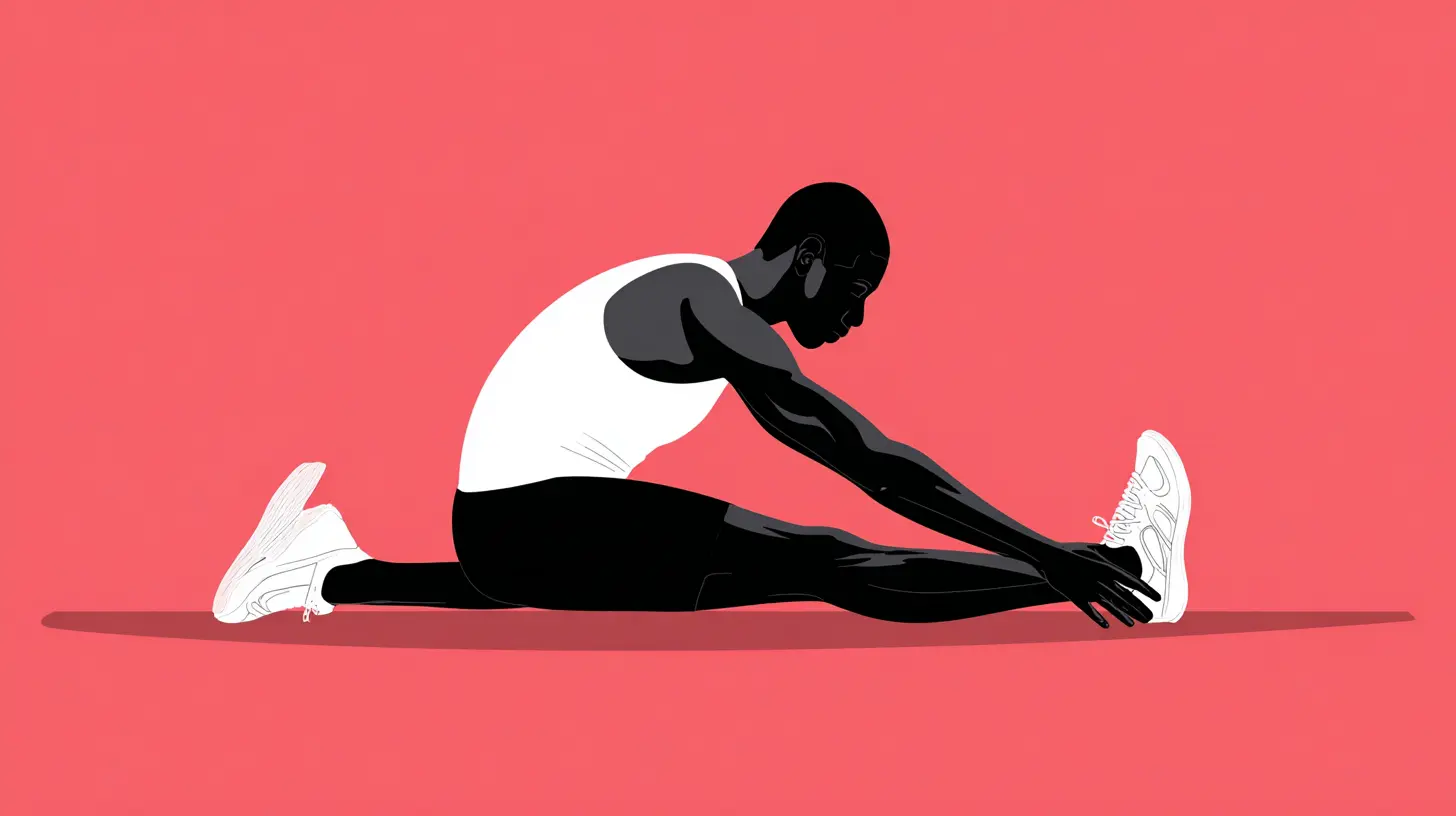
When Should You Stretch—Before or After Lifting?
Ah, the age-old question. And the answer? Both—but not the same type.? Before weight training: Stick with dynamic stretching. You’re prepping your body for action, so movement-based stretching is key.
? After weight training: Go for static stretching. Now’s the time to cool down, lengthen the muscles you just trained, and start the recovery process.
Still confused? Let’s walk through how to actually do this, step-by-step.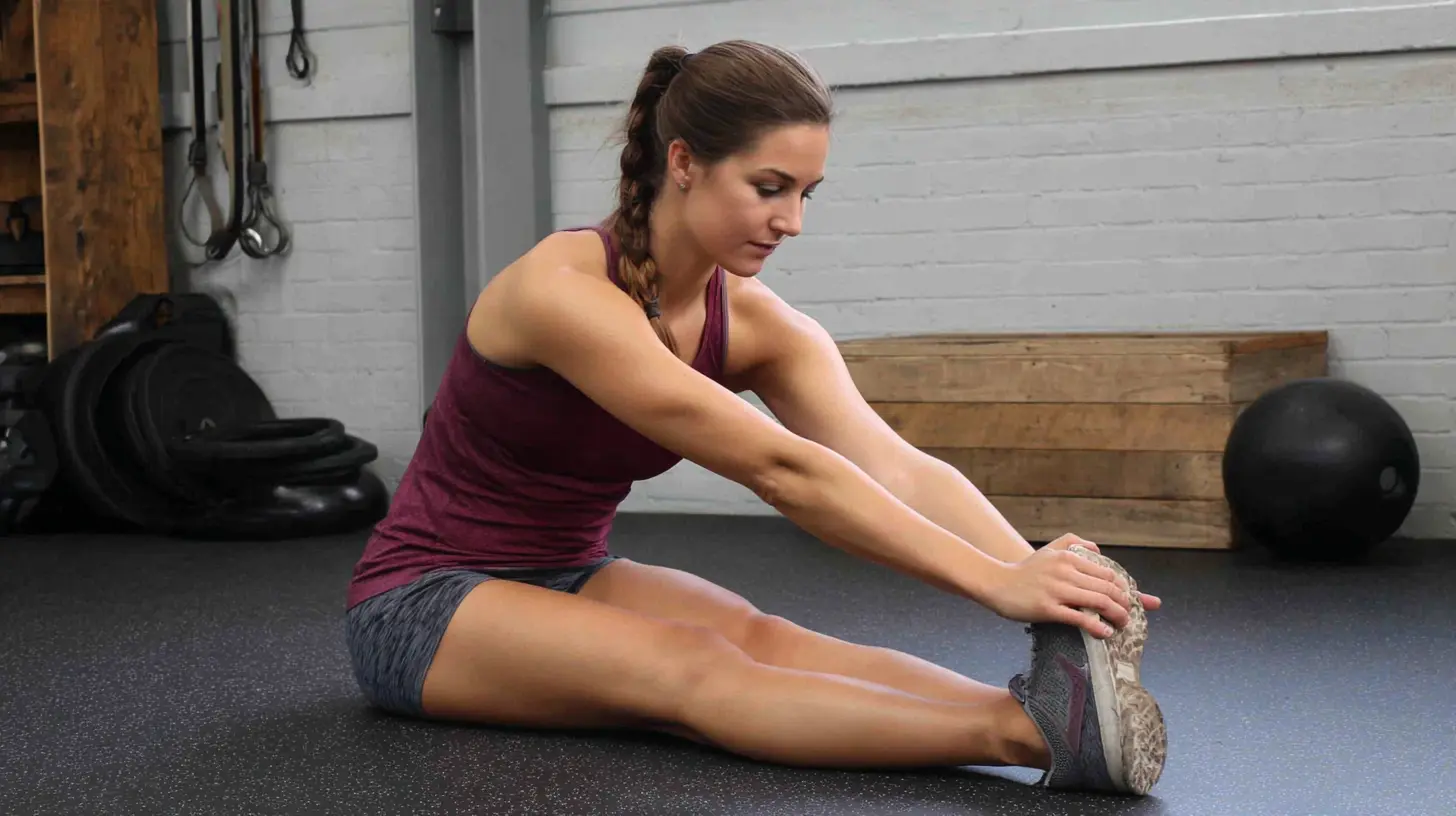
How to Incorporate Stretching into Your Pre-Workout Routine
Alright, you’ve changed into your gym gear, put on your playlist... now what?Step 1: Warm-Up, Don’t Skip It
Before any kind of stretching, always start with a general warm-up to get your blood pumping.Try this:
- 5 minutes on the treadmill or jump rope
- High knees
- Jumping jacks
Now you’re ready for dynamic stretching.
Step 2: Use Dynamic Stretches to Target Active Muscle Groups
The key is to stretch what you're about to work. Makes sense, right? If it's leg day, focus on hips, hamstrings, and quads. If it's upper body, hit the shoulders, chest, upper back.Here are a few dynamic stretches to plug into your routine:
For Leg Day
- Leg swings (front-to-back and side-to-side)- Walking lunges with torso twist
- Hip circles
For Upper Body Day
- Arm circles (start small, get bigger)- Scapular push-ups (great for shoulder mobility)
- Band pull-aparts (a resistance band helps open up your chest)
Spend 5–10 minutes tops here. You’ll feel looser, more mobile, and ready to crush your first set.
How to Incorporate Stretching into Your Post-Workout Routine
Okay, your workout’s done. You’re sweaty, muscles pumped, endorphins high. Perfect time to slow things down and switch gears.Step 1: Bring Your Heart Rate Down
Take a few minutes to cool down. Walk around the gym or hop on the treadmill at a slow pace. Nothing fancy—just get your breathing under control.Step 2: Static Stretching for Recovery
Now’s the time to hold positions and really feel that stretch. Focus on the major muscle groups you just worked out. Take it slow—don’t bounce, don’t rush.How long should you hold each stretch?
Aim for 30–60 seconds per stretch. Repeat if needed.
Post-Leg Day Stretches
- Standing quad stretch- Hamstring stretch (seated or lying)
- Figure-four stretch (for the glutes)
Post-Upper Body Day Stretches
- Cross-body shoulder stretch- Triceps overhead stretch
- Chest doorway stretch
You’ll walk out of the gym feeling loose, calm, and like you did your body a solid.
Stretching on Rest Days—Yes, You Should
You don’t need a workout to stretch. In fact, using your rest days for deep stretching or even a yoga session can fast-track recovery and help with soreness.Try foam rolling, light static stretches, or follow a mobility video on YouTube. Even 15 minutes can make a big difference.
Stretching Tips to Make It Stick
Let’s be honest, stretching can feel boring. But it doesn’t have to. Here are a few ways to make it something you’ll actually keep doing:1. Stack It With Other Habits
Stretch while watching Netflix, listening to a podcast, or waiting for your coffee to brew.2. Make It Social
Stretch with your gym buddy. Or better yet, sign up for a mobility or yoga class together.3. Track Your Progress
Flexibility gains are real. Touch your toes more easily? That’s a win. Hold a deeper squat? Win. Take a quick video every few weeks to see your progress.4. Use Tools
Foam rollers, stretch bands, massage balls—they all help add variety and intensity to your routine. And they make you feel kinda high-tech, which is fun.Common Stretching Mistakes to Avoid
Not all stretching is good stretching. Let’s dodge a few common blunders:- Don't hold static stretches before lifting heavy: This can reduce your muscle power temporarily.
- Don’t stretch cold muscles: Always warm up first.
- Don’t bounce: It can lead to strains or pulls.
- Don’t ignore pain: Stretching should feel like tension, not sharp pain.
- Don't rush: Taking your time works best.
Keep it smooth, intentional, and controlled.
Sample Stretching Routine for Your Training Week
Let me give you a plug-and-play guide you can steal and tweak.Monday: Leg Day
Pre-Workout:- 10 min treadmill
- Leg swings
- Walking lunges
- Hip mobility drills
Post-Workout:
- Hamstring stretch
- Standing quad stretch
- Pigeon pose
Wednesday: Upper Body
Pre-Workout:- Arm circles
- Band pull-aparts
- Scapular wall slides
Post-Workout:
- Cross-body shoulder stretch
- Chest doorway stretch
- Triceps stretch
Friday: Full Body
Pre-Workout:- Jump rope
- Dynamic movements from both leg and upper body routines
Post-Workout:
- Focus on tight areas from the week
- Add foam rolling
Sunday: Recovery Day
- Light yoga or 15-min static stretch session- Foam rolling
- Breathing exercises
Consistency is the name of the game. You don’t have to stretch for hours—just a few mindful minutes each session will go a long way.
Final Thoughts: Stretching Is Your Secret Weapon
If weight training is like building a house, stretching is the maintenance work that makes it last. Muscles don’t just need fuel and movement—they need space to breathe, recover, and grow.So next time you’re tempted to skip that post-leg day stretch or half-ass your arm circles, remember this: stretching isn’t something extra. It’s part of the work. It makes your joints happy, your lifts cleaner, and your body strong for the long haul.
You’re not just lifting weights—you’re building a body that lasts. So treat it right.
all images in this post were generated using AI tools
Category:
Weight TrainingAuthor:

Holly Ellison
Discussion
rate this article
1 comments
Zane McGinnis
Great tips on blending stretching with weight training! It really enhances flexibility and reduces injury risk. Incorporating just a few minutes of stretching can make a big difference in performance and recovery.
June 12, 2026 at 4:51 AM