Boost Your Energy Naturally with a High-Fiber Diet
28 July 2026
Ever feel like you're running on empty halfway through the day? You’re not alone. We live in a go-go-go world where fatigue has become the norm. The easy fix? Coffee, energy drinks, or sugary snacks. But here’s the deal—they’re quick fixes that lead to long-term crashes.
Let’s talk about something that actually works and won’t send you into a sugar coma: fiber. Yep, that humble nutrient your grandma kept going on about might just be your secret weapon for all-day energy. In this guide, we’re diving deep into how you can boost your energy naturally with a high-fiber diet.
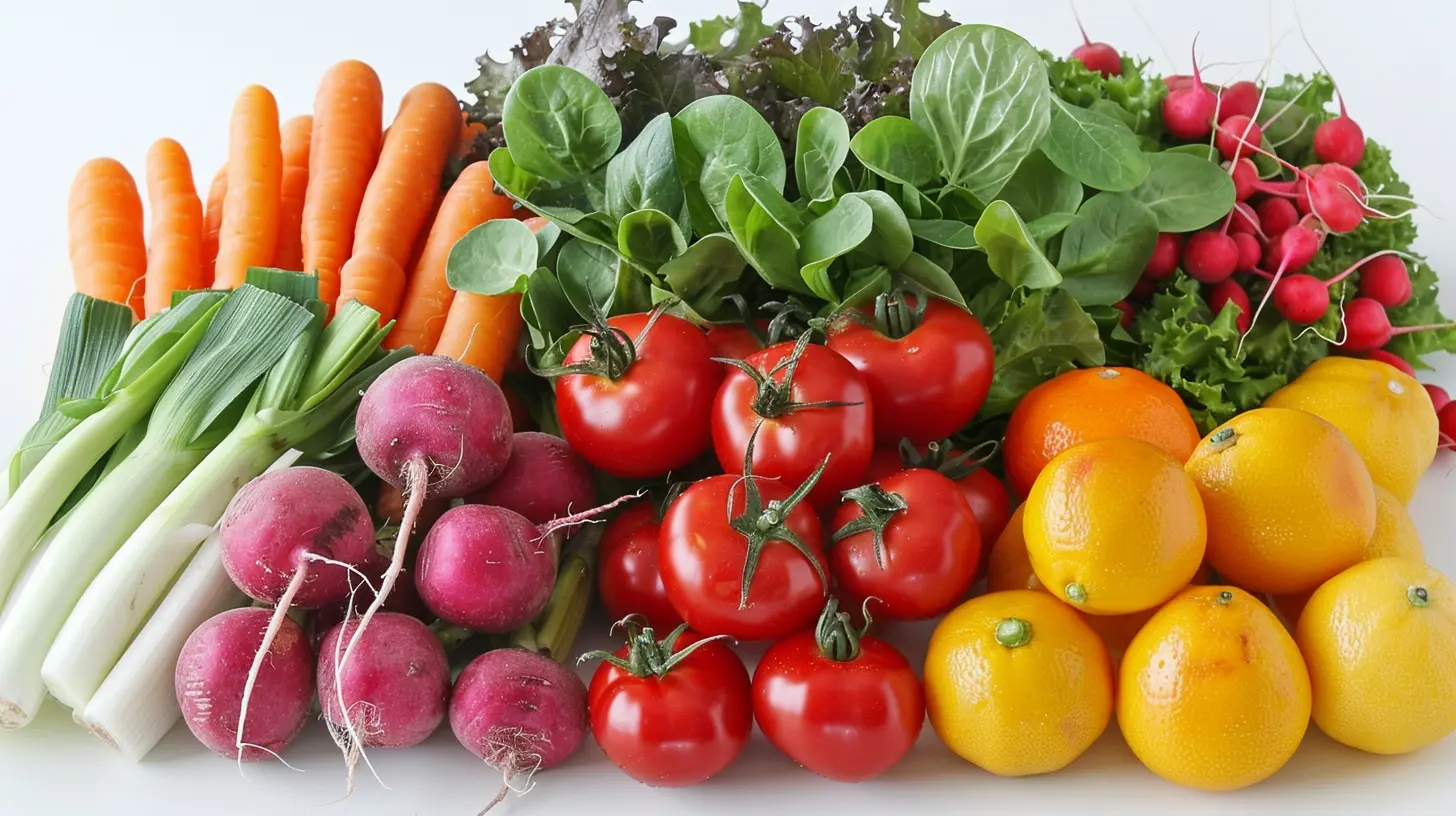
What is Fiber, Really?
Before we get into the magic it can do for your energy levels, let’s get clear on what fiber actually is.Dietary fiber is the part of plant foods your body can’t digest or absorb. Unlike fats, proteins, or carbs, fiber just passes through your digestive system like that one friend who shows up unannounced and leaves without a trace. But while it doesn’t stick around, it does leave your body better than it found it.
There are two main types:
- Soluble Fiber: Dissolves in water and forms a gel-like substance. Helps with blood sugar and cholesterol.
- Insoluble Fiber: Doesn't dissolve in water. Adds bulk to your stool and keeps your gut moving.
Both types play an important role in how you feel day to day.
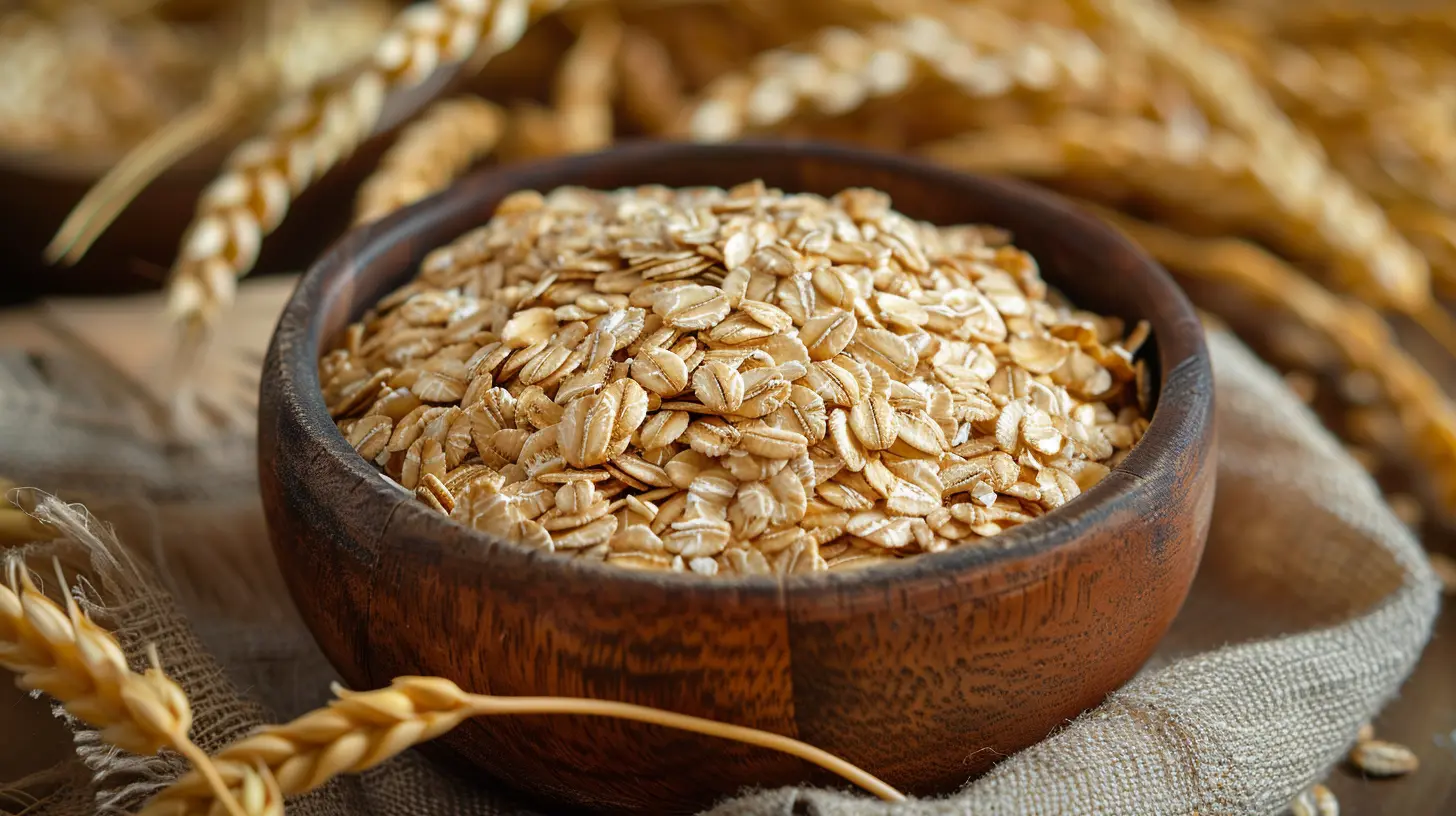
Why Your Energy Levels Are Plummeting
Let’s break something down first: when your energy crashes, it often has less to do with how much sleep you got and more to do with what you're feeding your body.Most people eat a "high-everything-but-fiber" diet—think processed carbs, added sugars, and refined grains. These foods burn fast, like newspaper in a bonfire. You get a brief burst of heat (energy), but it's gone in seconds. Then you’re left cold, tired, and irritable.
Fiber-rich foods are the slow-burning logs that keep your metabolism fire going all day long.

How a High-Fiber Diet Fuels Your Body
Alright, science time—but don’t worry, we’ll keep it fun. Here’s how fiber helps you feel more energetic from the inside out:1. Balances Blood Sugar Levels
Ever notice how you crash after eating something sweet? That’s your blood sugar spiking and then dropping like a rollercoaster. When you eat foods high in soluble fiber—like oats, legumes, and flax seeds—it slows down the absorption of sugar into your bloodstream. Result? Steady energy without the highs and lows.2. Improves Gut Health
Think of your gut as your internal battery. If it’s running efficiently, so are you. A high-fiber diet feeds your good gut bacteria. In return, they produce short-chain fatty acids that fuel your colon cells, reduce inflammation, and even enhance your mood. A happy gut = a happy, energized you.3. Promotes Satiety (No More Energy Zapping Cravings)
Fiber swells in your stomach and helps you feel full. When you’re satisfied, you’re less likely to reach for empty snacks that give fake energy. Fewer cravings mean fewer energy dips.4. Supports Detoxification
Fiber doesn't just help fuel you—it helps clean you out. It binds to toxins and excess hormones in your digestive tract and escorts them out of your body. Think of it like a scrub brush for your insides. A cleaner system functions more efficiently, and that includes how your cells produce and use energy.5. Enhances Nutrient Absorption
Here’s the kicker: fiber helps your digestive system work more efficiently. That means you're actually absorbing more of the nutrients—iron, B vitamins, magnesium—that are crucial for energy production.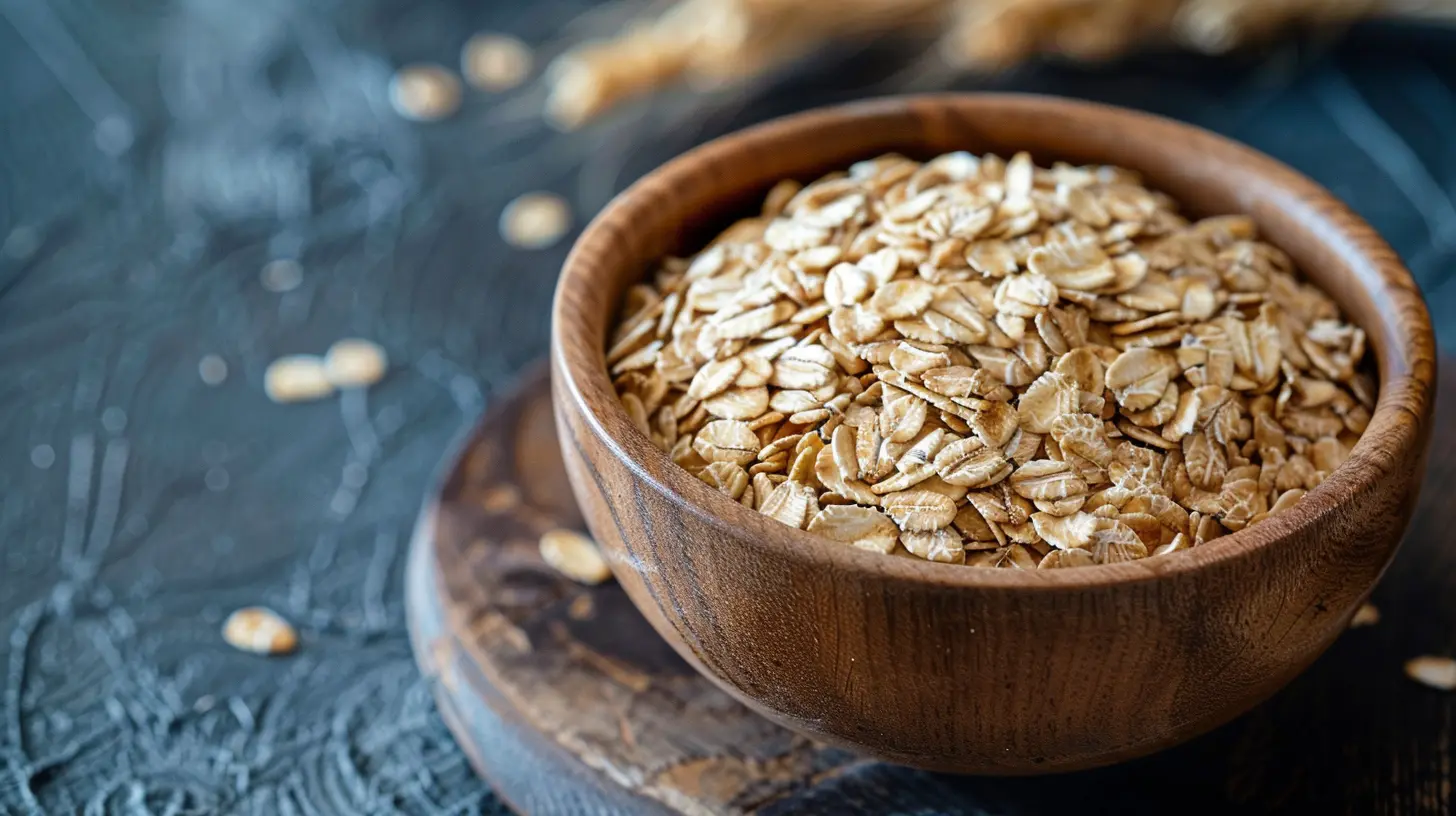
Top Fiber-Rich Foods That Power You Up
Okay, so now that we know why fiber is awesome, let’s talk about how to get more of it into your daily life. Here’s a list of fiber-packed favorites that also bring the energy-boosting goods:Whole Grains
- Oats- Quinoa
- Brown rice
- Barley
- Whole wheat bread
These carbs are complex (in a good way). They digest slowly and release energy over time.
Legumes
- Lentils- Chickpeas
- Black beans
- Kidney beans
- Peas
Packed with both fiber and protein, legumes are double trouble—in the best way.
Fruits
- Raspberries- Pears (with skin)
- Apples
- Bananas
- Oranges
Fruit gives natural sugars bundled with fiber—no sugar crashes here.
Vegetables
- Broccoli- Carrots
- Brussels sprouts
- Artichokes
- Sweet potatoes
Veggies are like the unsung heroes of the fiber world. Eat them roasted, steamed, raw—just get them on your plate.
Seeds & Nuts
- Chia seeds- Flaxseeds
- Almonds
- Sunflower seeds
- Walnuts
These are fiber-rich, but they also pack healthy fats and protein—perfect for long-lasting energy.
How Much Fiber Do You Need?
Most of us are wildly underperforming in the fiber department. The average adult needs:- Women: 25 grams per day
- Men: 38 grams per day
But get this—most people are getting only about 15 grams. Time to up the game.
Here’s a sample day to show how easy it is to sneak in more:
- Breakfast: Oatmeal with flaxseeds and berries (10g)
- Snack: An apple with almond butter (5g)
- Lunch: Lentil soup with whole grain toast (12g)
- Dinner: Grilled veggies and quinoa (10g)
- Boom. You’re already there.
Tips to Add Fiber Without Feeling Bloated
If you’re not used to eating a lot of fiber, don’t go from zero to sixty overnight. That can leave your gut feeling like it’s in a washing machine.Here are some gentle ways to ease into it:
- Go slow: Increase fiber gradually over a few days or weeks.
- Hydrate: Water is fiber’s BFF. When you up your fiber, you gotta up your water too.
- Mix types: Include both soluble and insoluble fibers.
- Listen to your body: If something doesn’t feel right, tweak it.
Morning to Night: Building a High-Fiber, High-Energy Routine
You don’t need to overhaul your life overnight. Just tweak your meals like this:Morning
Start with a fiber-rich breakfast. Think chia pudding, a smoothie with spinach and flaxseeds, or whole-grain toast with avocado.Midday
Make fibers the star of lunch. A big salad with chickpeas, or a hearty soup with barley and veggies.Afternoon
Instead of a sugar-packed snack bar, grab a pear or a handful of almonds. You’ll feel full and focused.Evening
Dinner can include roasted veggies, brown rice, or a bean bowl. Skip the white bread and go for whole-grain versions.Nighttime
Try not to snack too late. If you must, keep it light with a small banana or some air-popped popcorn.
Fiber and Fitness: A Perfect Combo
If you exercise (or are trying to), this one’s for you. Fiber-rich foods help stabilize energy levels during workouts, so you don’t crash 15 minutes in. They also shorten recovery time by reducing inflammation in the body.Think of it this way: fiber is the groundwork, the foundation that supports all your other health goals. Whether you're trying to lose weight, sleep better, or hit a new personal best at the gym—fiber helps get you there.
Final Thoughts
So, can fiber really boost your energy naturally? Absolutely. It’s not glamorous. It won’t promise instant results. But it works. Consistently. Sustainably. And holistically.Start small. Swap in an apple for your usual afternoon cookie. Add some lentils to your salad. Sprinkle flax on your oatmeal.
Soon you’ll notice the difference—not just in your digestion, but in your energy, clarity, and mood.
You’ll stop relying on 3 cups of coffee just to function. You’ll feel steady, like a well-oiled machine. You’ll stop surviving and start thriving.
And all it takes is more fiber.
all images in this post were generated using AI tools
Category:
Fiber Rich DietAuthor:

Holly Ellison
Discussion
rate this article
1 comments
Patrick Hubbard
Great tips! Fiber really makes a difference.
August 3, 2026 at 3:38 AM
Holly Ellison
Thanks! I'm glad you found the tips helpful. Fiber really is a game changer for energy levels.