What Tele-ICUs Mean For Health Care In Critical Moments
May 14, 2026 - 00:53
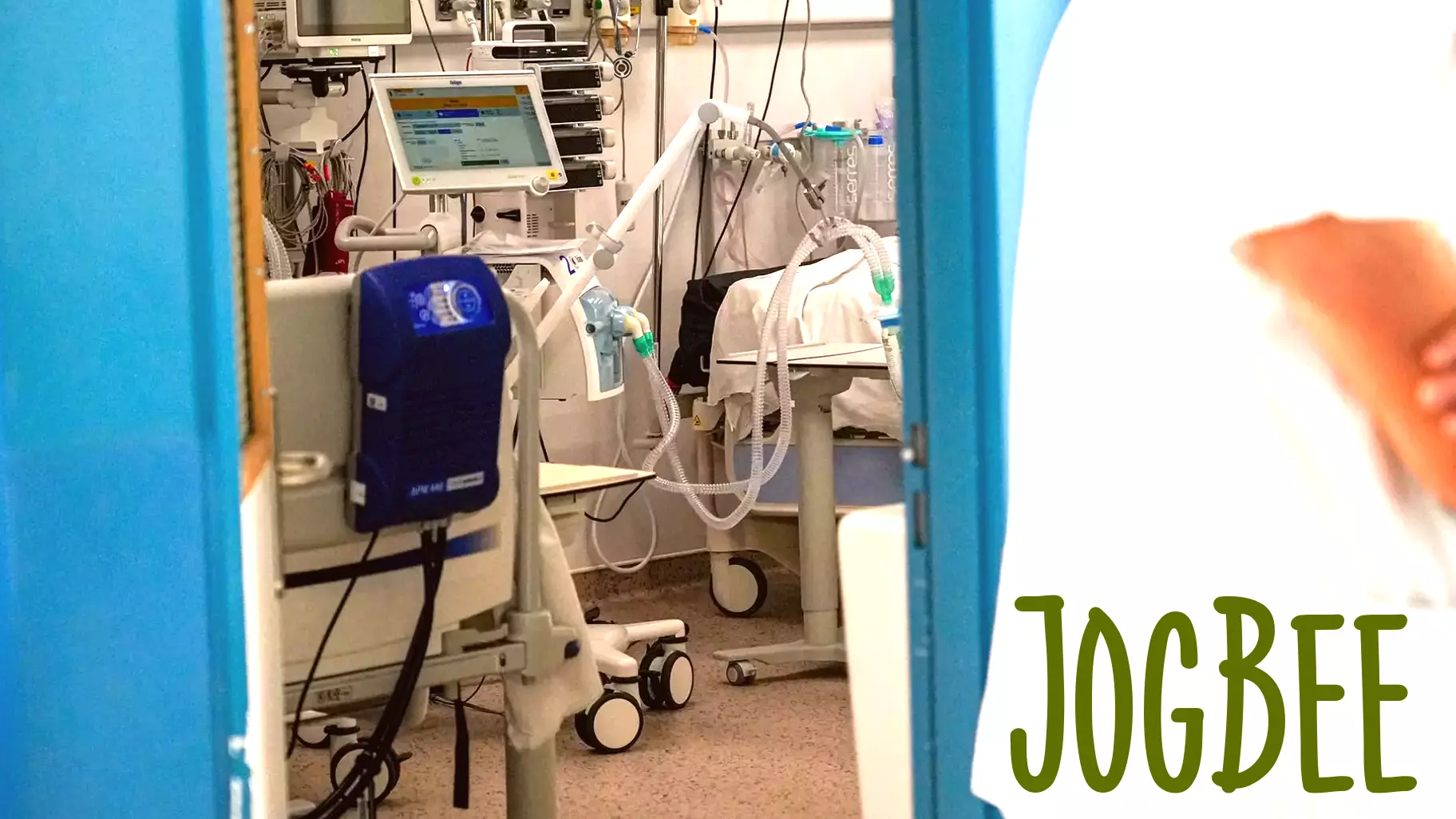
In August 2024, 26-year-old Conor Hylton checked into Bridgeport Hospital in Connecticut. Overnight, he was transferred to critical care, where he died. It was only after his passing that his family learned Conor was treated in what is known as a "tele-ICU." His story highlights a practice that has existed for decades, despite a lack of substantial research on its outcomes.
A tele-ICU is a hospital unit where patient care is managed off-site by remote doctors, nurses, or specialists. According to a study from the American Hospital Association, up to a third of ICU beds in the United States are in tele-ICUs. In Wisconsin, as of May 1, critical care physicians are no longer physically present in the ICUs of several Ascension satellite hospitals. Instead, they remain available via video call to assist bedside nurses and on-site hospital medicine doctors, known as hospitalists, who do not specialize in critical care.
These facilities offer a chance to expand and improve healthcare access. But the risks of replacing in-person care during the most critical, life-or-death moments remain a pressing concern.
MORE NEWS

September 26, 2026 - 05:54
Medically Tailored Meals Face Uncertain Future as Medicaid Cuts LoomSeveral states have been delivering specially prepared meals to Medicaid patients with specific dietary requirements. The approach targets people whose health conditions demand particular nutrition...

September 25, 2026 - 21:14
Arkansas District 2 Candidate Chris Jones Breaks Down the One Big Beautiful Bill and Its Effect on Low Income FamiliesDemocratic candidate for Arkansas District 2, Chris Jones, is putting health and welfare policy at the center of his campaign as he examines the One Big Beautiful Bill and what it means for...

September 25, 2026 - 05:00
New York City Health System Completes Special Pathogens Training Exchange With Taiwan Hospital DelegationA week-long educational exchange focused on special pathogens preparedness has concluded between a major New York City public health system and a clinical delegation from National Taiwan University...

September 24, 2026 - 00:37
Firm Advises Ayble Health on $16 Million Series AOn September 16, 2026, Ayble Health, a prominent AI-enabled virtual multidisciplinary GI clinic, announced the completion of a $16 million oversubscribed Series A funding round. The investment was...