Why Food Labels Should Be Your First Tool for Meal Planning
25 November 2026
In a world overflowing with dietary information and trends, food labels emerge as one of the most reliable tools for anyone looking to plan meals effectively. Whether you are trying to lose weight, manage a health condition, or simply eat better, understanding food labels can empower you to make informed decisions. This article delves into the importance of food labels, how to read them, and practical strategies for utilizing them in meal planning.
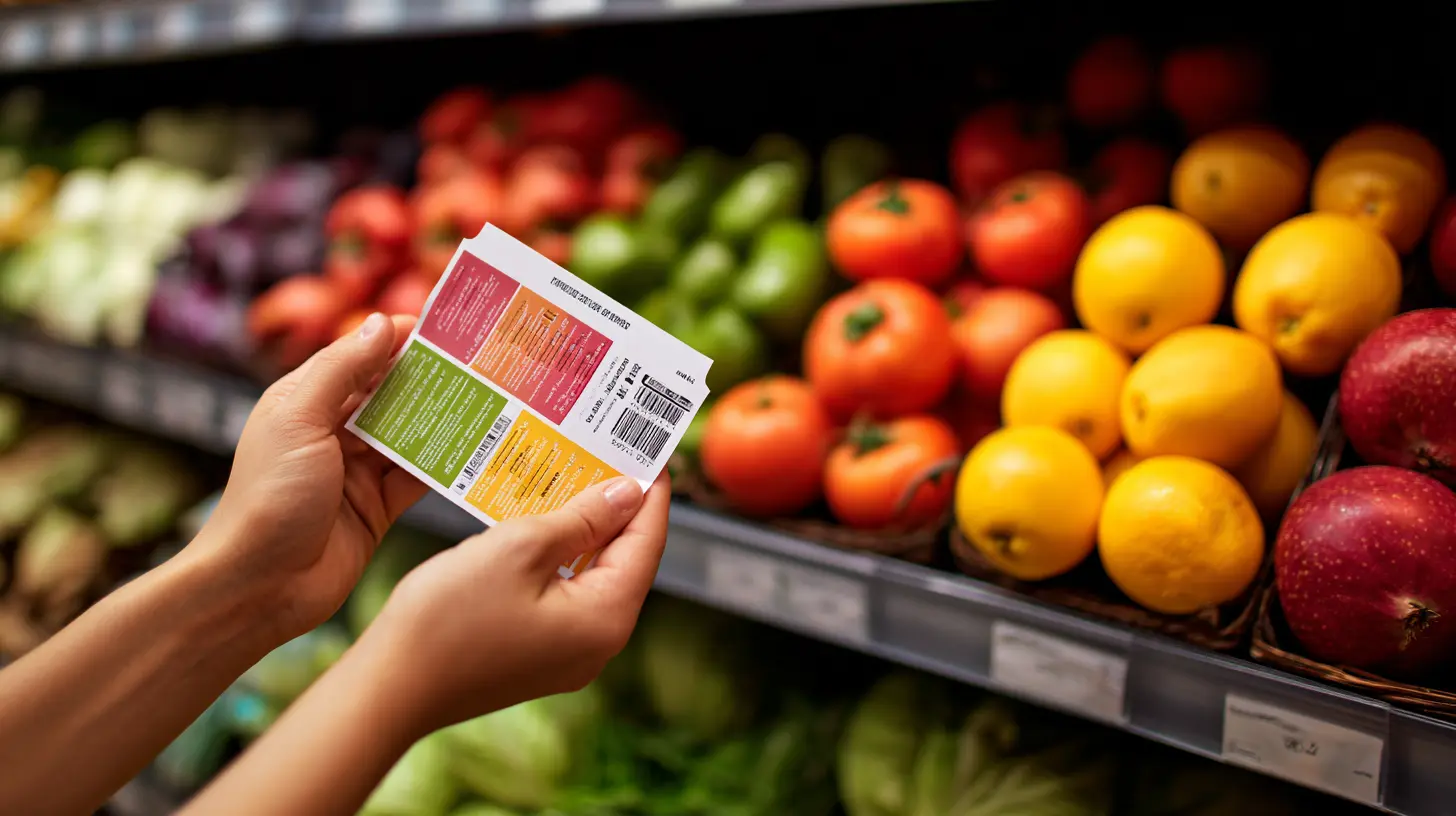
The Importance of Food Labels
Food labels provide essential information about the nutritional content of products, helping consumers make choices that align with their health goals. They are not just bureaucratic requirements; they are designed to inform and protect consumers. Here are a few reasons why food labels should be your first tool for meal planning:Nutritional Information
Food labels detail macronutrients like carbohydrates, proteins, and fats, as well as micronutrients such as vitamins and minerals. This information is crucial for meal planning. For instance, if you are following a low-carb diet, knowing the carbohydrate content of foods can help you avoid unexpected spikes in your intake.Ingredient Transparency
Labels disclose all ingredients in a product, allowing you to identify allergens, additives, and preservatives. This is particularly important for individuals with food sensitivities or preferences, such as those avoiding gluten or artificial ingredients. Understanding what goes into your food helps you make choices that align with your dietary needs.Serving Sizes
The serving size listed on food labels can be misleading. It is essential to understand that the nutritional information provided is based on this specific serving size. For example, if a product has two servings per container, consuming the entire package means you need to double the nutritional values. Being mindful of serving sizes can prevent unintentional overconsumption.
How to Read Food Labels
Understanding how to read food labels effectively is key to leveraging them for meal planning. Here are the main components of a food label and tips on how to interpret them:The Nutrition Facts Panel
The Nutrition Facts panel is where you will find the bulk of the nutritional information. Here's how to break it down:Serving Size
As mentioned, the serving size is the first thing you encounter. Always check if the serving size aligns with how much you actually consume. This helps in accurately calculating your intake.Calories
Calories indicate the energy you gain from consuming a food product. While counting calories isn't necessary for everyone, being aware of calorie content can be beneficial for those looking to manage their weight. A higher calorie food may be appropriate for someone with higher energy needs, while others may need to focus on lower-calorie options.Macronutrients
- Total Fat: This section breaks down the types of fats present. Pay attention to saturated and trans fats, as excessive intake of these can lead to health issues.- Total Carbohydrates: This includes dietary fiber and sugars. Aim for foods high in fiber and low in added sugars.
- Protein: Essential for muscle repair and overall health, protein content should align with your dietary goals.
Micronutrients
Vitamins and minerals are listed below the macronutrients. Look for foods that are rich in essential nutrients. For example, calcium and vitamin D are critical for bone health, while iron is vital for energy levels.Ingredients List
The ingredients list provides insight into what you are consuming. Ingredients are listed in descending order by weight, meaning the first ingredient is the most prominent. Look for whole foods at the top of the list and be cautious of products with long lists of unfamiliar ingredients, which may indicate highly processed foods.Allergen Information
Food labels are required to highlight common allergens, such as nuts, dairy, and gluten. This is crucial for anyone with allergies or intolerances. Always check this section to avoid adverse reactions.
Practical Strategies for Using Food Labels in Meal Planning
Once you are familiar with reading food labels, the next step is to apply this knowledge to meal planning. Here are some practical strategies:Create a Nutritional Profile
Before you start meal planning, define your nutritional goals. Are you focusing on weight loss, muscle gain, or managing a health condition? Once you have your goals, create a nutritional profile that outlines your desired macronutrient ratios and micronutrient needs. Use food labels to select products that fit this profile.Plan Your Meals Around Labels
When planning meals, choose foods based on their labels. For instance, if you are looking for high-fiber options, scan labels for products that contain at least 3 grams of fiber per serving. Similarly, if you want to cut down on sugars, select items with low sugar content.Batch Cooking with Labels
Batch cooking can save time and ensure you stick to your meal plan. When preparing meals in bulk, use food labels to guide your ingredient choices. For example, if you're making a chili, check the labels on canned beans and tomatoes to ensure they align with your health goals.Track Your Intake
Consider using a food diary or an app to track your meals and snacks. This can help you stay accountable and ensure you meet your nutritional targets. Refer to food labels for accurate tracking of macronutrients and calories.Be Mindful of Marketing Claims
Food marketing can be misleading. Terms like "natural," "low-fat," or "sugar-free" can often mask unhealthy ingredients. Always refer to the Nutrition Facts panel and ingredients list to understand what you are actually consuming, rather than relying solely on marketing claims.
Common Mistakes and Misconceptions
Even seasoned health enthusiasts can fall prey to common pitfalls when using food labels. Here are some misconceptions and mistakes to avoid:Misunderstanding Serving Sizes
One of the most common mistakes is misinterpreting serving sizes. Always measure your portions to ensure you are consuming the amounts indicated on the label. This is especially important for high-calorie foods.Ignoring Added Sugars
Many consumers overlook the added sugars listed on labels. Even if a product claims to be "healthy," it may contain significant amounts of added sugars that can derail your dietary goals.Overlooking Sodium Content
Sodium is often ignored, but excessive intake can lead to health issues like hypertension. Be vigilant about sodium levels, particularly in processed foods, and aim for options that are lower in salt.Relying on One Label for a Meal
Using just one food label to plan an entire meal can lead to imbalances. Always consider the nutritional content of all components of your meal to ensure you are meeting your dietary needs.Best Practices for Meal Planning with Food Labels
To maximize the benefits of food labels in your meal planning, consider these best practices:Prioritize Whole Foods
Aim to base your meals around whole, minimally processed foods. These options tend to be more nutrient-dense and have fewer additives. Use food labels to identify these foods and incorporate them into your diet.Diversify Your Choices
Variety is essential for a balanced diet. Use food labels to explore new products and ingredients that fit your nutritional profile. This not only makes meals more interesting but also helps ensure you receive a wide range of nutrients.Stay Updated on Label Changes
Food labeling regulations can change, and manufacturers may reformulate their products. Stay informed about these changes to ensure you are making the best choices for your health.Educate Yourself Continuously
Nutrition science is always evolving. Regularly educate yourself about new studies, dietary guidelines, and labeling practices. This will help you stay informed and make better choices in your meal planning.
Conclusion
Food labels are an invaluable tool for anyone serious about meal planning. They provide the transparency and information necessary to make informed choices that align with your health goals. By understanding how to read labels and applying this knowledge in practical ways, you can take control of your nutrition and make strides toward a healthier lifestyle.Empower yourself with the knowledge that food labels provide, and let them guide your meal planning journey. The impact of informed choices can be profound, leading to better health outcomes and an enhanced quality of life.
all images in this post were generated using AI tools
Category:
Food Label ReadingAuthor:

Holly Ellison