The Top Reasons You're Not Getting Enough Fiber
23 July 2026
Let’s face it — fiber isn’t flashy. It doesn’t have the cult following that protein does, and it certainly won’t be trending on social media anytime soon. But if your gut could talk, it would be screaming for more of it! Believe it or not, most people aren’t even coming close to getting the recommended daily intake of fiber. And before you think, “Well, that can’t be me,” ask yourself: when was the last time you actually thought about your fiber intake?
If you're frequently feeling bloated, irregular, low on energy, or even just “blah,” fiber (or a lack of it) might be the hidden culprit. So let’s break it down. Below are the top reasons why you might not be getting enough fiber — and what you can do about it.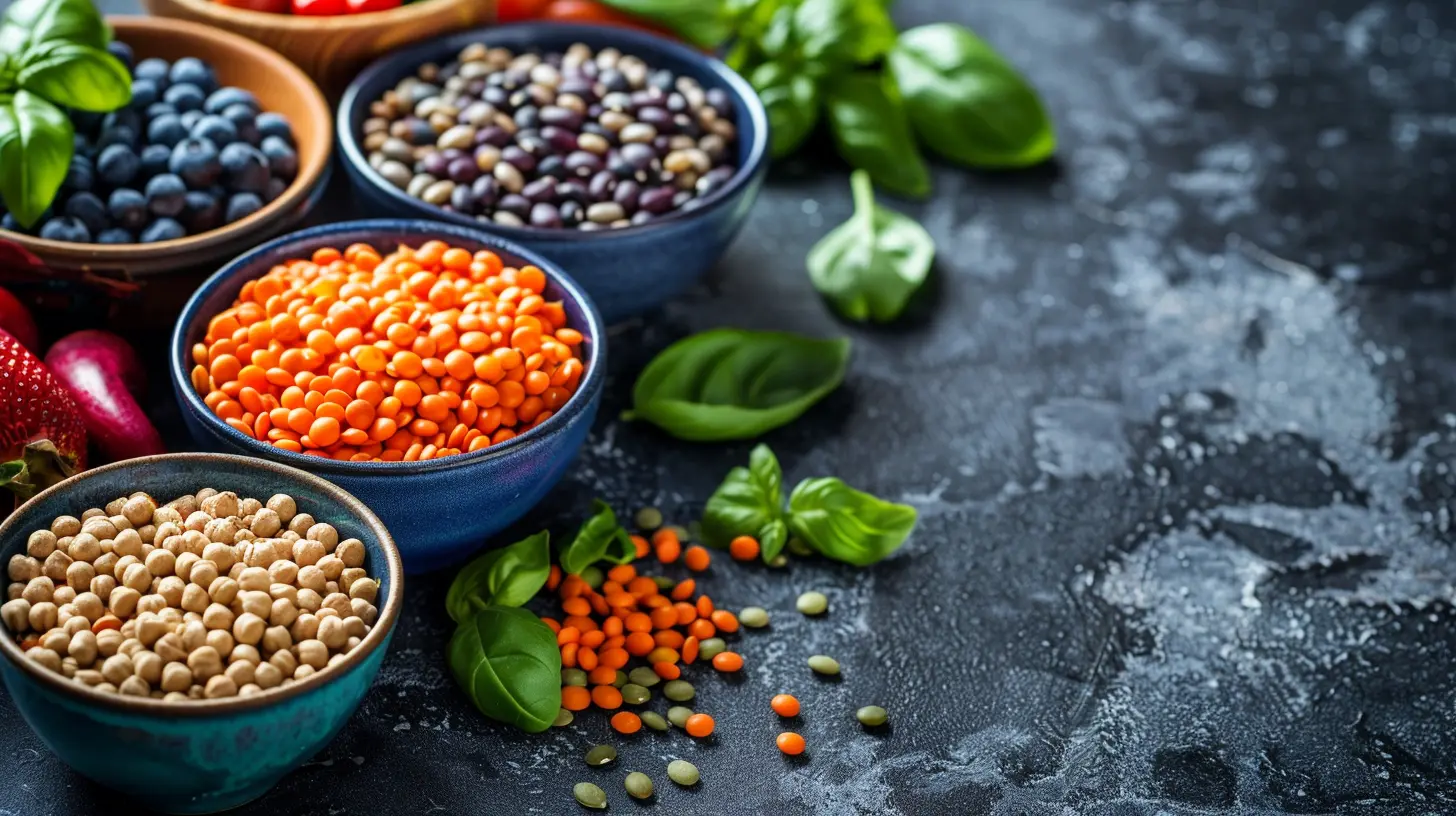
What Is Fiber, Really?
Before we dive into the reasons behind the fiber shortage in your diet, let’s make sure we’re all on the same page.Fiber is a type of carbohydrate — but don’t freak out! It’s the kind your body can’t digest. Sounds weird, right? But that’s exactly why it’s good for you. It passes through your digestive system mostly intact, sweeping things along the way like a broom cleaning a hallway. There are two main types:
- Soluble fiber: dissolves in water, helps lower cholesterol and blood sugar.
- Insoluble fiber: doesn’t dissolve and helps keep everything moving in your digestive system.
Both types are crucial. And most of us? We're falling short — big time.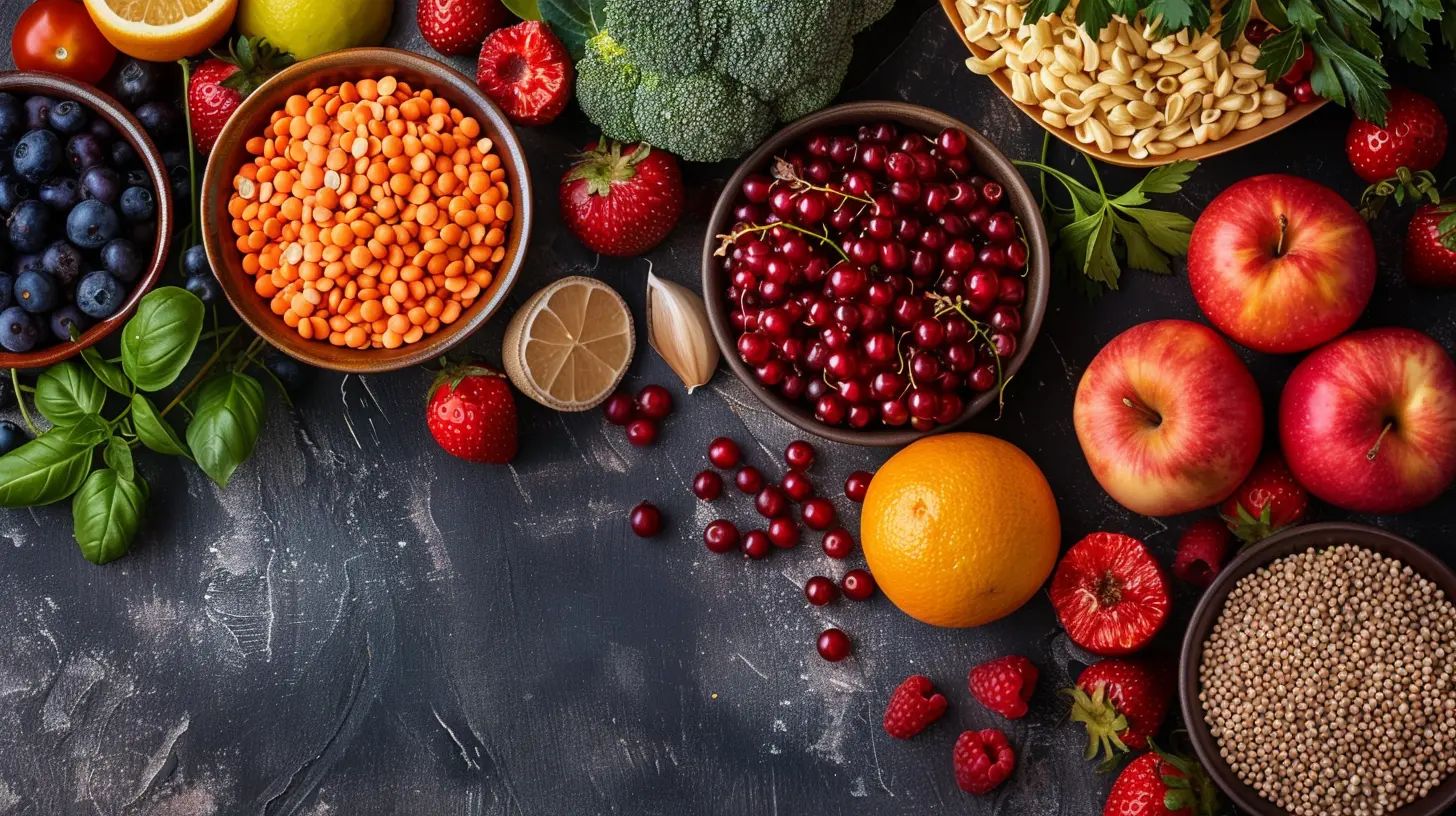
1. You’re Skipping Fruits and Veggies
This one might seem obvious, but it’s the biggest offender. Fruits and vegetables are fiber powerhouses, especially when you eat them with the skin on (yep, that apple peel matters!).Many people load up on meat, dairy, and refined carbs, and leave fruits and veggies as an afterthought. Or worse, they assume that a couple of lettuce leaves in a sandwich counts. (Spoiler: it doesn’t.)
How to Fix It:
- Aim for at least 5 servings of fruits and veggies a day.- Keep skins on when possible (think apples, cucumbers, and potatoes).
- Try blending veggies into smoothies if you're not a fan of the taste.
2. Your Diet Is Full of Processed Foods
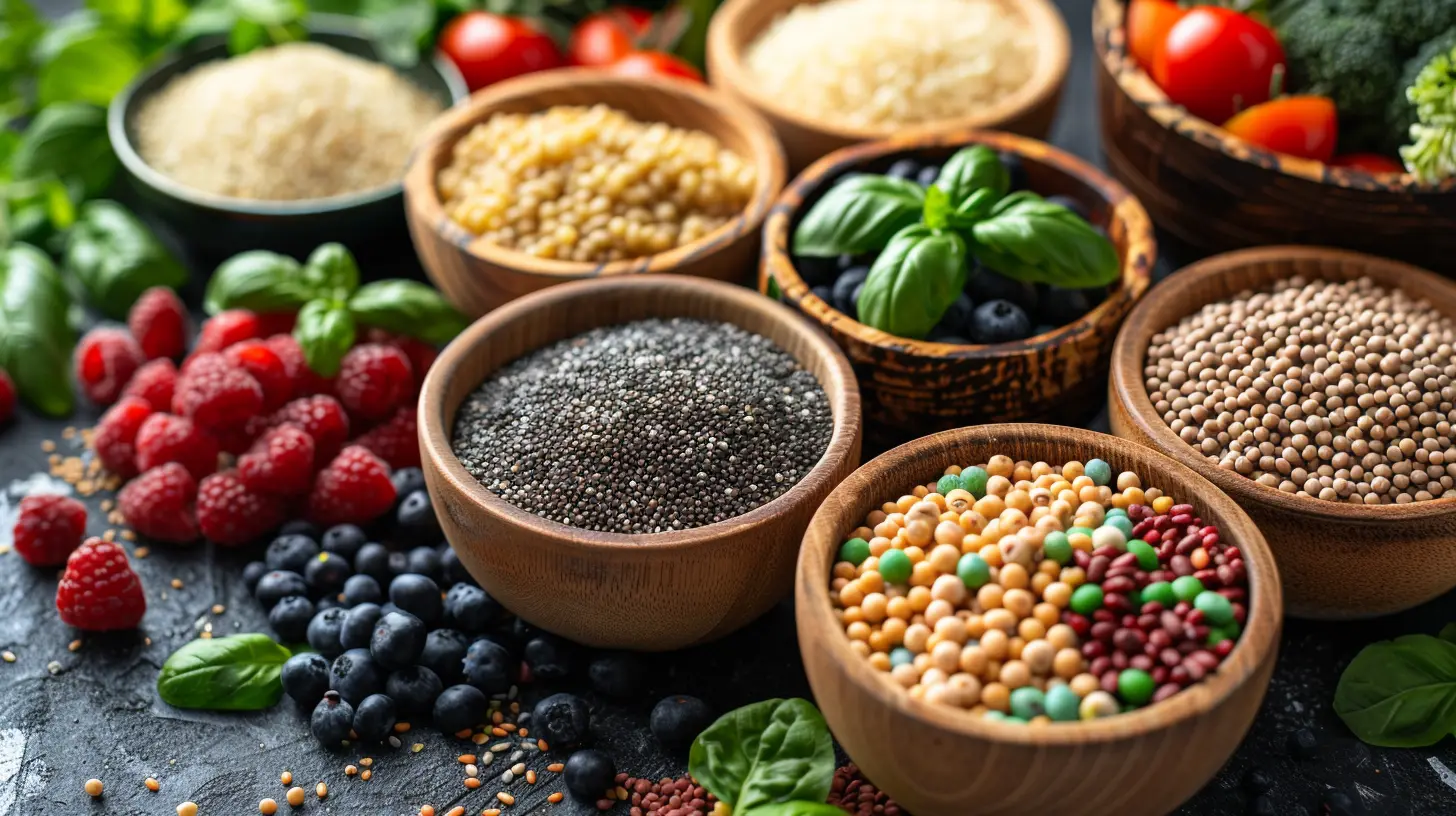
White bread. White rice. Sugary cereals. Processed snacks. They might be convenient, but they come at a cost — and that cost is your fiber intake.Most of the fiber is stripped away during food processing, especially when grains are refined. What you're left with is a nutrient-poor product that spikes your blood sugar and leaves you hungry an hour later.
How to Fix It:
- Swap white bread for 100% whole grain options.- Choose brown rice, quinoa, or whole-wheat pasta.
- Check food labels. Look for items with at least 3 grams of fiber per serving.
3. You’re Not Eating Enough Legumes
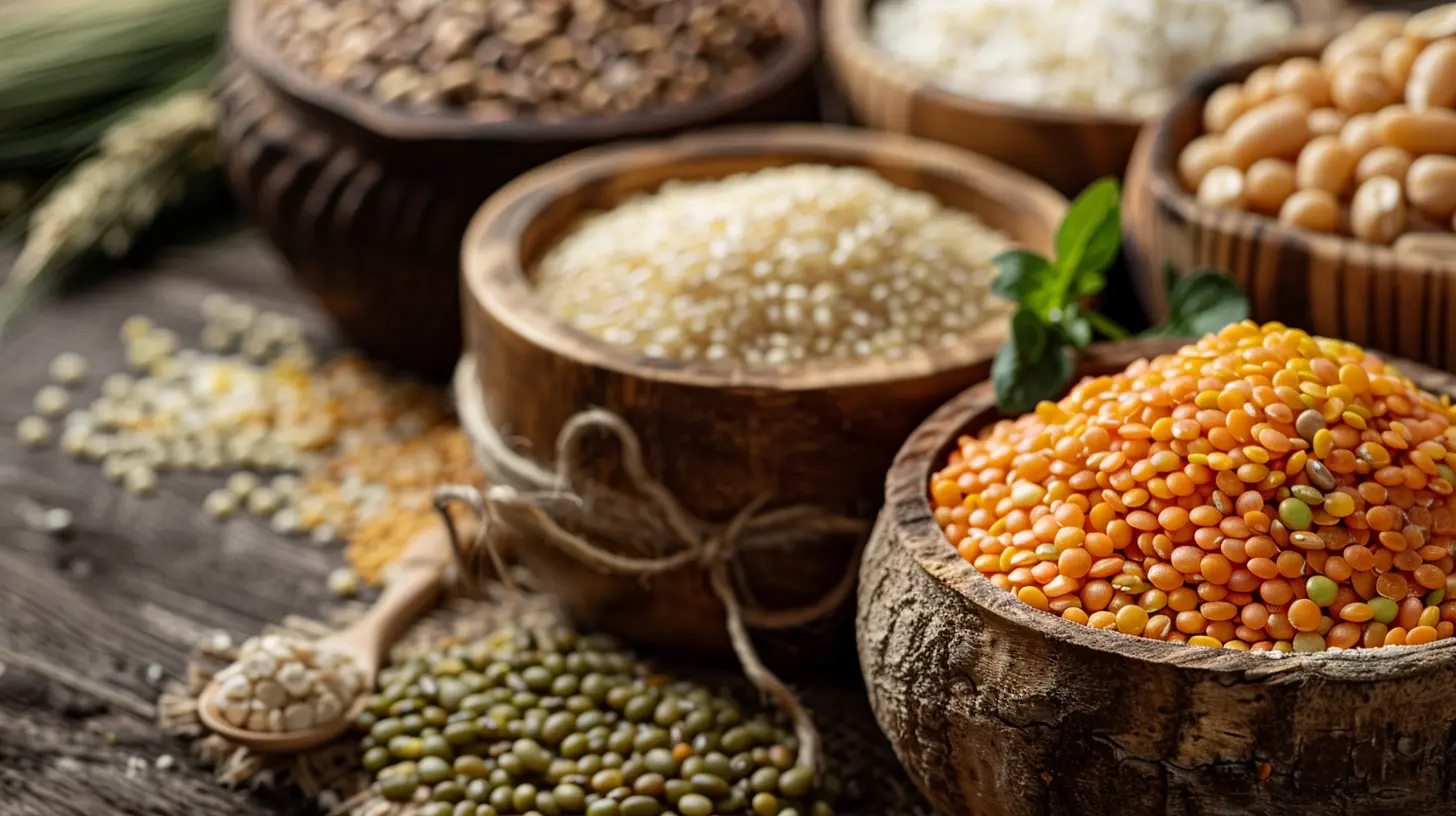
When was the last time you had beans, lentils, or chickpeas? If you're scratching your head, that's a problem. These little guys pack a serious fiber punch. Just half a cup of cooked lentils delivers around 8 grams of fiber — that's about a third of what you need in a day!And bonus: they’re also rich in protein, iron, and other essential nutrients.
How to Fix It:
- Add canned beans to salads, soups, or tacos.- Try a hearty lentil soup or chickpea curry once a week.
- Make hummus your go-to dip or sandwich spread.
4. You're Drinking Smoothies Instead of Eating Whole Fruit
Smoothies are trendy, easy, and often packed with goodness — but they’re not always fiber-friendly. Especially if you're loading them up with juice and not using much whole fruit.When you juice or blend fruits and veggies, you often lose a good chunk of the fiber, especially the insoluble kind that keeps things moving.
How to Fix It:
- Use whole fruits instead of juice as your base.- Toss in a handful of oats, flaxseed, or chia seeds for an extra fiber boost.
- Keep the skins on when blending — there’s fiber in there!
5. You're Not Reading Nutrition Labels
Let’s be honest — reading food labels can feel like translating a foreign language. But it’s worth the extra few seconds. Fiber content is listed right there, and it can be surprising.A product that looks healthy may have close to zero grams of fiber. Meanwhile, another brand might sneak in 5 or 6 grams per serving.
How to Fix It:
- Aim for foods with at least 3g of fiber per serving.- Don’t just look at the front of the package — flip it over!
- Compare different brands of the same product (e.g., cereal, bread, pasta).
6. You’re Not a Fan of Nuts and Seeds
If you’re avoiding nuts and seeds out of fear of fat or calories, you’re missing out. These crunchy little nutrient bombs are full of healthy fats, protein, and yes — fiber.They make an excellent snack, topping, or mix-in, and just a sprinkle can go a long way.
How to Fix It:
- Add chia or ground flaxseed to your oatmeal or smoothies.- Snack on a small handful of almonds or pistachios.
- Use nut butter on whole grain toast or apple slices.
7. You Don’t Drink Enough Water
Wait, what does water have to do with fiber? A lot, actually.Fiber works best when it absorbs water, which helps it move smoothly through your digestive system. Without enough water, fiber can do the opposite — slow things down and even lead to constipation.
How to Fix It:
- Aim to drink at least 8 cups (64 oz) of water a day.- Sip throughout the day, not just when you’re thirsty.
- Eat water-rich foods like cucumbers, oranges, and watermelon.
8. You’re Dieting Too Hard
Low-carb, keto, intermittent fasting — these diets might help you drop a few pounds, but they can also cut your fiber intake in half if you’re not careful.Restrictive diets often eliminate key fiber sources like whole grains, legumes, and fruits. End result? You're leaner... but backed up.
How to Fix It:
- Choose fiber-friendly low-carb options like avocado, almonds, and non-starchy veggies.- Track your fiber intake along with calories.
- Avoid extreme diets that cut out entire food groups unless medically necessary.
9. You’re Aging (Yep, It Plays a Role)
Here’s a not-so-fun fact: as we age, our digestive system slows down. We need more fiber to keep things moving smoothly. But ironically, many older adults eat less fiber due to changes in appetite, dental issues, or medication side effects.How to Fix It:
- Focus on easy-to-chew fiber sources like bananas, oatmeal, and cooked veggies.- Talk to a healthcare provider about fiber supplements if needed.
- Make fiber a non-negotiable part of every meal.
10. You Think You’re Getting Enough (But You’re Not)
Perception isn't always reality. You may feel like you eat healthily, but if you’re not paying close attention to fiber, chances are you’re falling short.According to health experts, women should aim for at least 25 grams of fiber per day and men around 38 grams. Most of us are barely hitting 15 grams.
How to Fix It:
- Use a food diary or nutrition app to track your fiber for a week.- Slowly increase your fiber to avoid digestive issues.
- Don’t forget to pair fiber with water — always.
Tips to Sneak More Fiber into Your Day
Still think fiber is boring? Let’s spice things up. Here are easy, tasty ways to sneak more fiber into your daily routine:- Breakfast: Overnight oats with chia seeds and berries.
- Lunch: Whole grain wrap stuffed with veggies and hummus.
- Snack: Apple slices with almond butter or a handful of trail mix.
- Dinner: Stir-fry with broccoli, bell peppers, and edamame over brown rice.
- Dessert: Dark chocolate with raspberries or a high-fiber protein bar.
See? It can be delicious and digestive-friendly.
Final Thoughts: Fiber Is Your Friend
Fiber doesn’t get the love it deserves, but it should. It keeps your gut happy, your heart healthy, your blood sugar stable, and your bathroom schedule on point. If you’ve been feeling off or sluggish, your body might be waving a white flag for more fiber.The good news? It’s not hard to fix. With just a bit of awareness and a few tasty swaps, you can turn your fiber game around in no time.
You don’t need to overhaul your entire diet overnight. Just take it one high-fiber bite at a time.
all images in this post were generated using AI tools
Category:
Fiber Rich DietAuthor:

Holly Ellison
Discussion
rate this article
1 comments
Pamela Sheppard
Great article! It's eye-opening to see how many simple changes can boost our fiber intake. Let's embrace those delicious fruits and veggies for a healthier life!
August 11, 2026 at 3:27 AM
Holly Ellison
Thank you! I'm glad you found it helpful. Little changes can make a big difference. Let's keep adding those fruits and veggies!