The Importance of Posture and How to Improve It
24 November 2026
Posture is often overlooked in discussions about health and wellness, but it plays a crucial role in our overall well-being. From physical health to emotional stability, the way we hold our bodies can significantly impact various aspects of our lives. This article delves into the importance of posture, the consequences of poor posture, and practical strategies to improve it.

Understanding Posture
Definition of Posture
Posture refers to the position in which we hold our bodies while standing, sitting, or lying down. It encompasses the alignment of our bones, muscles, and joints, and it can be categorized into two main types: static and dynamic.- Static posture refers to how we hold ourselves when we are stationary, such as sitting at a desk or standing in line.
- Dynamic posture involves how we move, including walking, running, and bending.
The Role of Posture in Health
Good posture is essential for maintaining balance and stability, reducing the risk of injury, and enhancing physical performance. It also influences our respiratory function, digestive health, and even mood. When we maintain proper alignment, our body functions more efficiently, allowing us to engage in daily activities with greater ease.
Consequences of Poor Posture
Physical Health Issues
Poor posture can lead to a range of physical problems, including:- Musculoskeletal Pain: One of the most common consequences of poor posture is chronic pain, especially in the back, neck, and shoulders. Misalignment can strain muscles and ligaments, leading to discomfort and injuries over time.
- Decreased Mobility: When the body is not aligned properly, it can restrict movement. This limitation can hinder flexibility and overall physical performance.
- Respiratory Issues: Slouching can compress the lungs and diaphragm, making it difficult to breathe deeply. This can lead to reduced oxygen intake and decreased energy levels.
- Digestive Problems: Poor posture can affect the digestive system by compressing internal organs, which may lead to issues such as acid reflux and constipation.
Emotional and Psychological Effects
Posture does not only affect physical health; it can also impact our emotional state. Research suggests that adopting a confident posture can enhance self-esteem and reduce feelings of anxiety and depression. Conversely, slumped or closed-off postures can contribute to feelings of low energy and negativity.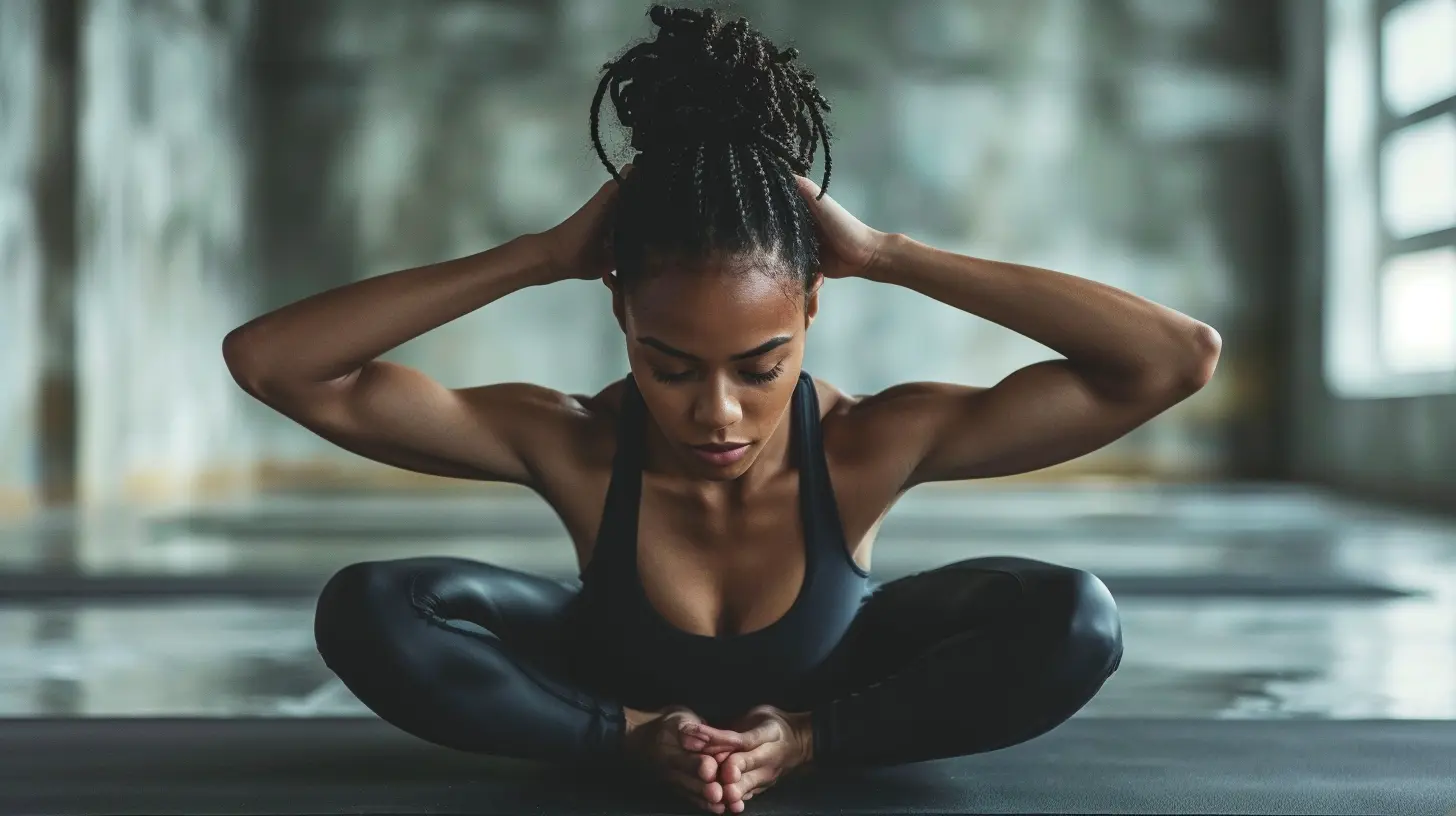
Assessing Your Posture
Self-Assessment Techniques
To improve posture, it is essential to first assess your current alignment. Here are a few simple techniques:- Wall Test: Stand with your back against a wall, ensuring that your heels, buttocks, and shoulders touch the wall. Your head should also be in contact with the wall. If there is a significant gap between your lower back and the wall, this may indicate poor posture.
- Mirror Check: Stand in front of a mirror and observe your alignment. Pay attention to your shoulder position, head alignment, and whether your hips are level.
- Video Analysis: Record yourself walking or sitting. This can provide valuable insights into your posture that you might not notice in real-time.
Professional Assessment
For a more thorough evaluation, consider consulting a healthcare professional, such as a physical therapist or chiropractor. They can provide a comprehensive assessment and offer personalized recommendations based on your unique needs.
Strategies to Improve Posture
Ergonomic Adjustments
Making ergonomic changes to your workspace can significantly improve your posture, especially if you spend long hours sitting at a desk. Here are some adjustments to consider:- Chair Height: Your chair should allow your feet to rest flat on the floor, with your knees at a 90-degree angle. If necessary, use a footrest to achieve this alignment.
- Monitor Position: Position your computer monitor at eye level to avoid straining your neck. The top of the screen should be at or just below eye level, and you should be sitting about an arm's length away.
- Keyboard and Mouse Placement: Keep your keyboard and mouse close enough to prevent reaching, which can strain your shoulders and back.
Strengthening and Stretching Exercises
Incorporating specific exercises into your routine can help strengthen the muscles that support good posture. Here are a few effective exercises:- Planks: This exercise engages the core muscles, which are essential for maintaining proper alignment.
- Bridges: Bridges strengthen the glutes and lower back, promoting stability and support.
- Chest Openers: Stretching the chest can counteract the effects of slouching. Stand in a doorway, placing your arms on the frame, and gently lean forward to stretch the chest muscles.
Mindfulness and Awareness
Becoming more aware of your posture throughout the day is crucial for improvement. Here are some strategies to cultivate mindfulness:- Frequent Check-Ins: Set reminders on your phone or computer to check your posture every hour. Take a moment to adjust your alignment and engage your core.
- Breathing Exercises: Practicing deep breathing can help you become more aware of your body. As you breathe deeply, focus on expanding your chest and engaging your core.
Posture-Friendly Activities
Incorporating activities that promote good posture can also be beneficial. Consider the following:- Yoga: Many yoga poses emphasize alignment and balance, helping to strengthen the muscles that support good posture.
- Pilates: This form of exercise focuses on core strength and stability, which are essential for maintaining proper posture.
- Tai Chi: This gentle martial art promotes body awareness and balance, making it an excellent choice for improving posture.
Common Mistakes and Misconceptions
Misconception: Good Posture is Only Important for Athletes
Many people believe that posture is only a concern for athletes or those who engage in physical labor. In reality, everyone can benefit from good posture, regardless of their activity level. Poor posture can affect anyone, leading to discomfort and health issues over time.Mistake: Over-Correcting Posture
While it is essential to strive for good posture, over-correcting can lead to tension and discomfort. Instead of forcing your body into a rigid position, focus on finding a natural alignment that feels comfortable and sustainable.Misconception: Posture is Fixed
Some individuals believe that posture is something that cannot change. In truth, posture is dynamic and can be improved with conscious effort and practice. Regularly engaging in exercises and mindfulness can lead to lasting improvements.
Best Practices for Maintaining Good Posture
Daily Habits
- Stay Active: Regular physical activity can help strengthen the muscles that support good posture. Aim for a mix of strength training, flexibility exercises, and cardiovascular activities.- Take Breaks: If you sit for prolonged periods, make a habit of standing up, stretching, or walking around every 30 to 60 minutes. This can help prevent stiffness and promote better alignment.
- Use Supportive Footwear: Wearing shoes that provide adequate support can impact your posture significantly. Avoid high heels and opt for shoes with good arch support.
Incorporating Technology
- Posture Apps: Consider using mobile apps designed to remind you to check your posture throughout the day. Some apps can even provide exercises tailored to your needs.- Wearable Devices: Posture-correcting devices can be worn discreetly to remind you to maintain good alignment. These devices typically vibrate when you slouch or lean forward.
Conclusion
Improving posture is not just about standing tall; it is about creating a foundation for a healthier life. By understanding the importance of posture and implementing practical strategies to enhance it, you can experience numerous physical and emotional benefits. Remember that consistency is key. Small, gradual changes can lead to significant improvements over time.As you embark on this journey to better posture, remain patient with yourself. It may take time to develop new habits and strengthen the necessary muscles, but the rewards will be well worth the effort.
all images in this post were generated using AI tools
Category:
Simple Wellness TipsAuthor:

Holly Ellison