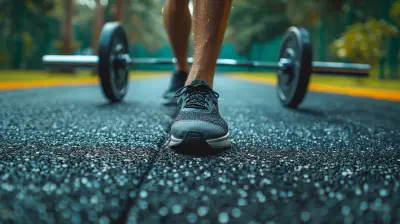
The Influence of Hormones on Muscle Recovery: What You Should Know
13 August 2026
Let’s be real—working out is tough. Whether you're pushing through a grueling weight session, sprinting up hills, or trying to beat your deadlift PR, your muscles go through a lot. But here’s the kicker: it's not the workout that makes your muscles grow—it's the recovery. And behind the scenes? Hormones are working their magic (or sometimes causing trouble).
So, if you care about getting stronger, leaner, or just feeling less sore after training, let’s talk about something that often gets overlooked: how your hormones influence muscle recovery.
Why Recovery Matters More Than You Think
You ever wake up the next day after hitting the gym and feel like you got hit by a truck? That soreness? It’s not just fatigue; it’s micro-damage to your muscle fibers. Recovery is the process where your body repairs those fibers and builds them back stronger.Now, your ability to bounce back depends on a ton of elements—nutrition, sleep, hydration, training volume—but hormones? They're the silent MVPs. These chemical messengers dictate how quickly and efficiently your muscles heal and grow.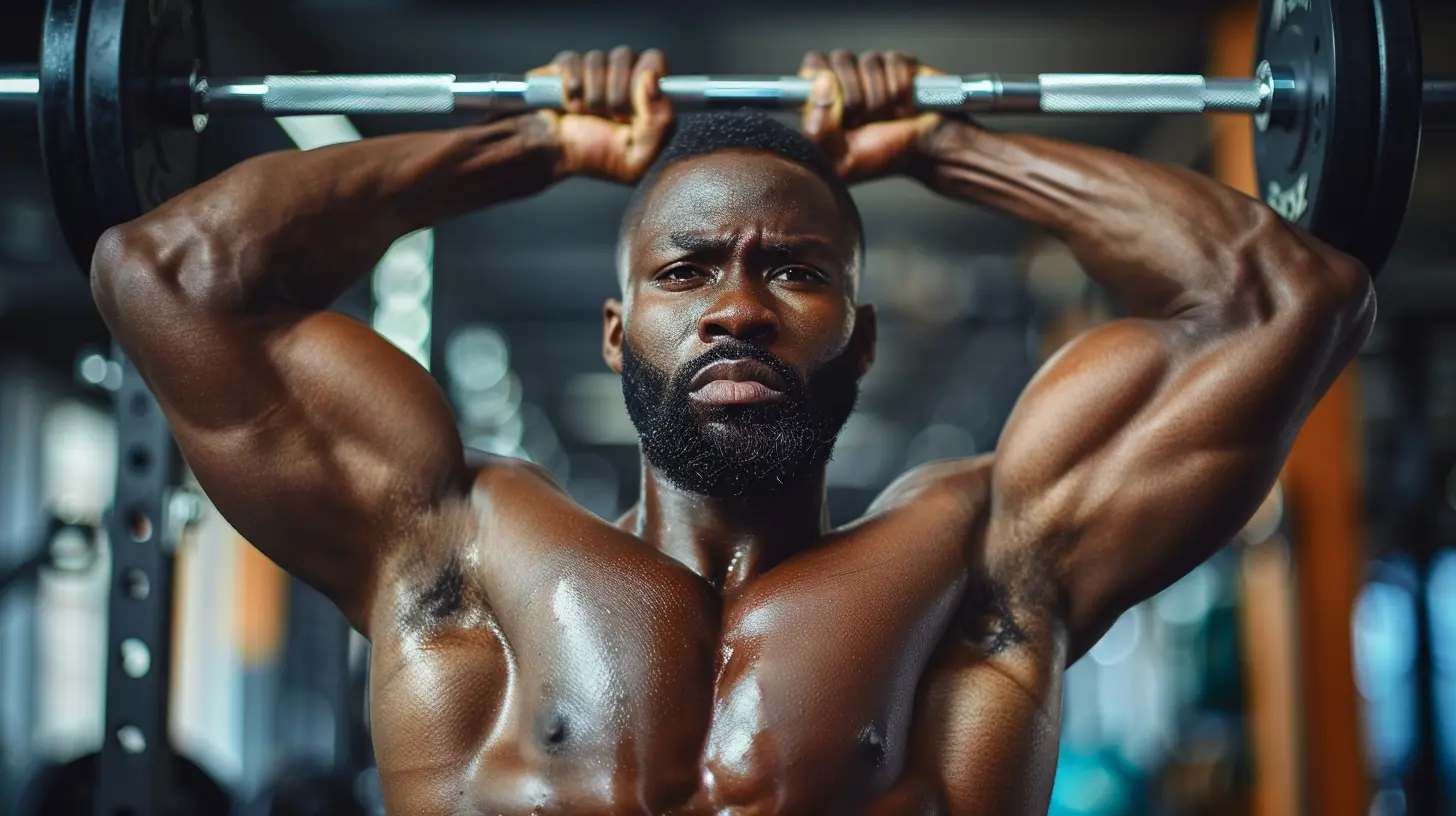
Meet the Hormonal Dream Team (and Their Roles)
Before we dive deep, let’s get to know the key hormones playing lead roles in muscle recovery. Some are your best gym buddies. Others? Not so much.1. Testosterone – The Muscle-Building Boss
Testosterone is the stuff of legends when it comes to gains. It's an anabolic hormone, meaning it promotes tissue growth—in this case, muscle tissue.Here’s what it does:
- It boosts protein synthesis
- Increases muscle mass and strength
- Speeds up recovery time
Men have more of it, naturally, but women have it too (just in smaller amounts). Higher levels = better muscle repair. If your testosterone is tanking—due to stress, poor sleep, or overtraining—expect your recovery to suffer.
2. Growth Hormone (GH) – The Repair Mechanic
Think of growth hormone like your body’s recovery technician. It’s released mostly at night (ahem, another reason to get your sleep in) and helps with:- Stimulating tissue growth
- Repairing damaged muscles
- Fat metabolism (yep, it helps you stay lean too)
GH is especially active during deep sleep and after intense workouts. Want to increase your GH? Try heavy lifting, high-intensity interval training (HIIT), and prioritize sleep.
3. Insulin-Like Growth Factor 1 (IGF-1) – GH’s Sidekick
IGF-1 is triggered by—surprise, surprise—growth hormone. Think of it as GH's right-hand man. It boosts protein synthesis and fuels the growth of new muscle cells, aiding in faster recovery.But here’s the catch: you need balanced levels. Too little, and recovery slows. Too much, and you could increase the risk of some health issues. Like everything, balance is key.
4. Cortisol – The Double-Edged Sword
Ah, cortisol. The stress hormone. It's like that friend who means well but often makes things worse.Produced by your adrenal glands during stress (including intense workouts), cortisol helps manage inflammation and gives you that short-term energy boost. But here’s the bad news: too much cortisol for too long can:
- Break down muscle tissue
- Slow down healing
- Increase fat storage
So yeah, you need it—but in small doses. Chronic stress, lack of sleep, or training like a maniac every day without rest? That raises cortisol and messes with recovery big time.
5. Insulin – The Nutrient Shuttle
Insulin often gets a bad rap, but it plays a valuable role in muscle repair. After a workout, your muscles are like sponges, ready to absorb nutrients. That’s where insulin shines—it helps shuttle glucose and amino acids into your muscle cells for repair and energy.Proper nutrient timing—like eating carbs and protein after a workout—can help insulin do its job efficiently.
6. Estrogen – The Unsung Hero
Yep, estrogen’s on this list too. While it’s primarily known as the “female” hormone, it plays a vital role in muscle repair and joint health for everyone.Estrogen contributes to:
- Reducing muscle damage
- Improving antioxidant defense
- Enhancing muscle function
Women may notice changes in muscle recovery depending on where they are in their menstrual cycle due to estrogen fluctuations.
How Hormones Interact with Training and Recovery
It’s not just about individual hormones doing their thing—they’re all interconnected like cogs in a machine. Your training choices can either enhance or disrupt this hormonal balance.The Role of Overtraining
Training too much without enough rest? You risk a hormonal backlash. Cortisol goes up, testosterone and GH go down—basically, the worst-case scenario for recovery and muscle growth.Listen to your body. Rest days aren’t optional—they’re essential.
Sleep: The Hormone Factory
Sleep is your body’s repair shop. It’s when GH peaks, testosterone gets recharged, and cortisol takes a backseat. Poor sleep = hormonal chaos.Aim for 7–9 hours of quality sleep per night. Not just quantity, but solid, uninterrupted sleep where your body can go into full recovery mode.
Nutrition: Fueling the Hormone Engine
No surprise here—what you eat significantly impacts your hormones.- Protein supports muscle repair and hormone production.
- Carbs boost insulin and help regulate cortisol.
- Healthy fats are crucial for producing hormones like testosterone.
Ditching food groups or going low-everything may look appealing on social media, but it can wreck your recovery (and your hormones).
How Age Affects Hormonal Recovery
Let’s be honest—recovery doesn’t get easier with age. Hormone production naturally declines as we get older. Testosterone drops, GH levels reduce, and estrogen/IGF-1 may fluctuate more.But here's the hopeful bit: lifestyle factors still make a massive difference. Strength training, smart nutrition, sleep, and stress management can offset a lot of hormonal aging. You're not doomed—you just have to work a bit smarter.
Natural Ways to Optimize Hormonal Balance for Recovery
So, what can you do to support your hormones and recover like a champ? Here’s your cheat sheet:1. Lift Heavy (But Smart)
Strength training is one of the best ways to boost GH and testosterone. Just don’t overdo it.2. Prioritize Sleep
7–9 hours, every night. No excuses.3. Eat Enough (and Eat Smart)
Balance your macros. Don't skip meals post-workout.4. Manage Stress
Yoga, journaling, deep breathing—whatever helps you chill.5. Avoid Overtraining
Rest days are not a sign of weakness. They're science-backed.6. Supplement Wisely
Creatine, zinc, vitamin D, magnesium, and omega-3s can all support hormone health. Talk to a doc before going supplement-happy.The Takeaway
Hormones aren’t just some science-y stuff you learned in high school. They’re absolutely central to how well you recover after workouts, and ultimately how strong and fit you get.Testosterone, GH, IGF-1—they're your allies. Cortisol? A frenemy you need to keep in check. And insulin and estrogen? They’ve got their underrated roles too.
Bottom line: train hard, but recover harder. If your hormones are out of whack, all the protein shakes and squat sessions in the world won’t get you far. So take care of your body, respect the rest days, fuel your engine, and let your hormones do what they were built for—making you stronger, better, and healthier.
all images in this post were generated using AI tools
Category:
Post Workout RecoveryAuthor:

Holly Ellison
Discussion
rate this article
1 comments
Sylvan Snyder
Hormones are like the unsung heroes of muscle recovery. Understanding their role can mean the difference between sore days and smooth gains. Don't overlook this crucial aspect of your fitness journey.
August 17, 2026 at 3:22 AM
Holly Ellison
Absolutely! Hormones play a vital role in recovery. Recognizing their impact can really enhance your progress. Great point!