The Connection Between Active Living and Longevity
8 June 2026
Staying active isn't just about looking good—it’s about living a longer, healthier, and more fulfilling life. Have you ever wondered why some people seem to age gracefully while others struggle with chronic illnesses? The secret often lies in their level of physical activity.
Scientific research consistently highlights a crucial link between active living and longevity. People who move more, live more—literally. But how exactly does staying active contribute to a longer life? Let’s break it down. 
Why Active Living Is the Key to a Longer Life
You don’t need to run marathons or spend hours in the gym to reap the benefits of an active lifestyle. Simple, consistent movement can add years to your life. But how?When you move, your body works more efficiently. Your heart pumps better, your muscles stay strong, and your metabolism stays high. Regular activity helps regulate blood sugar, reduces inflammation, and fights off diseases that shorten lifespan.
If you want to live longer and feel better, staying active isn’t optional—it’s essential. 
How Physical Activity Affects Longevity
1. Strengthens Your Heart and Lowers the Risk of Disease
Your heart is a muscle, and like any muscle, it needs exercise. People who are physically active have a significantly lower risk of heart disease, stroke, and high blood pressure.Regular movement keeps your blood flowing, reduces bad cholesterol, and helps maintain healthy blood vessels. A strong heart means a stronger, longer life.
2. Fights Off Chronic Diseases
Diabetes, obesity, and even cancer—these life-shortening diseases are often linked to a sedentary lifestyle. Exercise helps regulate insulin, keeps weight in check, and reduces the risk of cancer by lowering inflammation and strengthening the immune system.Think of your body as a car. The less you drive it, the rustier it gets. Move more, and you prevent your body from breaking down too soon.
3. Enhances Brain Function and Mental Health
Did you know that staying active can keep your brain sharp? Exercise increases blood flow to the brain, encourages new brain cell growth, and reduces the risk of cognitive decline, including Alzheimer’s and dementia.And let’s not forget mental health. Physical activity releases endorphins—your body’s natural mood boosters. It reduces stress, anxiety, and depression, helping you feel happier and more balanced. A healthy mind is just as important as a healthy body when it comes to longevity. 
The Role of Different Types of Exercise in Longevity
Not all exercise is created equal. To maximize longevity, you need a mix of different types of physical activity.1. Cardiovascular Exercise: Keeping Your Heart Young
Running, swimming, cycling, and brisk walking—these activities get your heart pumping and improve lung capacity.Studies show that just 150 minutes of moderate aerobic exercise per week can add years to your life. That’s only 30 minutes a day, five days a week. Totally doable, right?
2. Strength Training: Building a Body That Lasts
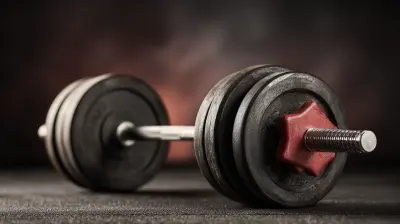
As we age, we naturally lose muscle. But strength training—lifting weights or using resistance bands—helps maintain muscle mass, keeps bones strong, and improves balance.Why does this matter? Strong muscles mean fewer falls, better mobility, and a lower risk of fractures and injuries. Plus, muscle burns more calories, keeping your metabolism high even as you age.
3. Flexibility and Balance: Preventing Injuries and Staying Mobile
Yoga, stretching, and tai chi might not seem intense, but they play a crucial role in longevity. Flexibility and balance exercises reduce the risk of falls, improve posture, and keep your joints healthy.It’s not just about living longer—it’s about moving well for longer. 
How to Incorporate More Activity Into Your Daily Life
Not everyone has time to hit the gym, but that’s not an excuse to be inactive. There are plenty of ways to move more without completely changing your routine.1. Walk More
Walking is one of the easiest ways to stay active. Take the stairs instead of the elevator, park farther away, or go for a short walk after meals. Every step counts!2. Make It Fun
Hate traditional workouts? No problem! Try dancing, hiking, playing sports, or even gardening. The key is to find an activity you actually enjoy—because if you love it, you’ll stick with it.3. Stand Instead of Sit
Sitting for long hours is terrible for your health. Stand up, stretch, or take short movement breaks throughout the day. If you work at a desk, consider a standing desk or walking meetings.4. Turn Daily Tasks Into Exercise
Who says chores can’t count as a workout? Cleaning, carrying groceries, and even playing with your kids or pets keep your body active.5. Schedule It Like an Appointment
We prioritize doctor visits, work meetings, and social events—why not make exercise just as important? Block out time in your schedule the same way you would for anything else.The Impact of Active Living on Aging
People who stay active don’t just live longer—they age better. They have more energy, fewer aches and pains, and greater independence in their later years.Think of it this way: You can either age like a fine wine or a rusted-out car. Which would you prefer?
Remaining active reduces the risk of needing long-term care, keeps your brain sharp, and helps you maintain a better quality of life as you get older.
You don’t just want to add years to your life—you want to add life to your years.
Final Thoughts: Move More, Live More
At the end of the day, longevity isn’t about chasing an arbitrary number of years—it’s about living well for as long as possible. And the key to that? Staying active.You don’t need to be an athlete or fitness fanatic—just make movement a regular part of your life. Walk, lift, stretch, and most importantly, enjoy the process.
Your future self will thank you.
all images in this post were generated using AI tools
Category:
Active LifestyleAuthor:

Holly Ellison
Discussion
rate this article
1 comments
Audra Lane
Oh sure, just run a marathon every day and you'll live forever. Who needs cake and a cozy couch anyway? Clearly, a life spent sprinting is the key to a happy, long life. Sounds completely realistic, right?
June 8, 2026 at 4:01 AM
Holly Ellison
I get your point. It's about balance, not extremes. A mix of activity and enjoyment can lead to a happier, healthier life.