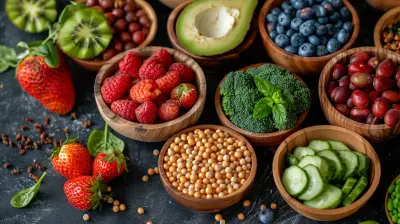
Vegan Diet? How to Still Crush It in Weight Training
5 March 2026
So, you're on a vegan diet and hitting the gym hard—or planning to. You've probably heard chatter like, “You can’t build muscle without meat,” or, “Where do you even get your protein?” Truth is, these myths are about as outdated as dial-up internet.
Being vegan and absolutely dominating weight training? Totally doable. Actually, more than doable—you can thrive.
In this article, we’re diving straight into how you can crush it in weight training while sticking to your plant-based guns. No fluff. Just real talk, real strategies, and real results.
Why Go Vegan in the First Place?
Before we jump into the nitty-gritty of lifting heavy on a vegan diet, let’s talk about why someone might go plant-based in the first place.Some go vegan for ethical reasons. Others want to improve their health. And some just feel better ditching animal products. Whatever your reason, kudos to you. But yeah, switching it up brings a new set of challenges—especially if you love the weights.
Myth Buster: “You Need Meat to Build Muscle”
Let’s kill this myth right now. Muscle growth isn’t about eating meat—it's about getting enough total protein, especially the right types of amino acids, and progressively overloading your muscles. That’s it. You can be 100% plant-powered and still pack on serious muscle.Look at bodybuilders like Nimai Delgado or athletes like Venus Williams. They’re living proof that muscles and a meatless diet can absolutely coexist—and then some.
The Building Blocks of Muscle: Protein and Amino Acids
Here's the deal: your muscles need protein to grow. But not just any protein—it needs to include all nine essential amino acids. Animal products offer them all in one bundle (a.k.a. "complete proteins"), while many plant sources don't.But don't sweat it. Combining the right plant foods throughout your day does the job. Think of it like assembling a puzzle. On their own, lentils or rice might be incomplete, but put together? Boom. Muscle-building gold.
Top Complete Plant-Based Protein Sources
- Quinoa – Not only a complete protein but also loaded with fiber.- Soy (tofu, tempeh, edamame) – A vegan MVP. High protein, complete amino profile.
- Buckwheat – No relation to wheat, gluten-free, and totally underrated.
- Chia Seeds – Tiny but mighty.
- Hemp Seeds – Loaded with protein and healthy fats.
Pairing foods like rice and beans, or hummus and whole grain pita, also gets you there in terms of amino profile.
Caloric Intake: Don't Undereat
Here’s the catch: plant-based foods are usually less calorie-dense. That means you need to eat more volume to hit your calorie goals—especially if you’re trying to bulk or maintain muscle mass.Ever tried eating 3,000 calories in vegetables and lentils? It’s work.
Pro Tip: Go for Calorie and Nutrient-Dense Plant Foods
- Nuts and nut butters – Sweeter than a post-workout PB banana shake.- Avocado – Healthy fats, creamy texture, full of heart-healthy goodness.
- Whole grains – Oats, quinoa, brown rice. Energy-packed and satisfying.
- Plant-based oils – Olive oil, coconut oil, flaxseed oil. Use them smartly.
Vegan Protein Powders: Yay or Nay?
Yay. Definitely yay.Let’s be honest—sometimes, you just can't stomach another bowl of lentils. Here's where vegan protein powders can save the day. Look for blends with pea, brown rice, quinoa, or hemp protein. These help you quickly and easily up your protein intake, especially post-workout.
Watch Out For:
- Added sugars – Keep it clean.- Artificial sweeteners – Some blends can be harsh on the gut.
- Fillers or mystery ingredients – If you can’t pronounce it, maybe avoid it.
The Big Players: Macro Breakdown for Vegan Lifters
Dialing in your macronutrients (macros) is essential—whether you’re vegan or not. But on a plant-based diet, you’ve got to be a bit more intentional.Protein: Aim for 1.6–2.2g per kg of body weight per day
It might sound like a lot, but spacing it out across meals (and adding a protein shake or two) makes it manageable.Carbs: Don’t Be Afraid
Carbs are your fuel. Whole food carbs like oats, bananas, sweet potatoes, and brown rice are your best buds when crushing training sessions.Fats: Keep Them Healthy
Don’t ditch fats—they help with hormone production and satiety. Nuts, seeds, olive oil, and avocados are key players.Supplements to Consider for Vegan Weight Trainers
Let’s keep it real. A well-planned vegan diet can cover most of your bases, but some nutrients are easier to miss when you’re plant-based.Here are a few supplements that can support your training and general health:
1. Vitamin B12
This one is non-negotiable. You just can’t reliably get it from plants. It helps with energy metabolism and red blood cell production.2. Creatine
Creatine is mostly found in animal products, and it's a powerhouse for muscle growth, strength, and power. Luckily, vegan-friendly creatine monohydrate is widely available.3. Vitamin D
Especially if you’re not getting much sun, consider supplementing. It’s crucial for bone health and immune function.4. Iron
Non-heme iron (the kind in plants) isn’t absorbed as easily. Pair iron-rich foods (like lentils and spinach) with Vitamin C (like citrus or bell peppers) to boost absorption.5. Omega-3s (ALA, DHA, EPA)
Flax, chia, and walnuts offer ALA, but DHA and EPA (the most actionable forms) come mostly from algae. Algae supplements are a reliable vegan option.Structuring Your Vegan Training Diet
You want gains, not guesswork. Here’s a simple meal breakdown idea:Pre-Workout
- Oats with banana and peanut butter- A handful of almonds
Post-Workout
- Vegan protein shake with almond milk or water- A banana or a quick-digesting carb source
Lunch/Dinner
- Lentil-based curry with brown rice- Tofu stir-fry with quinoa
- Chickpea salad with avocado and olive oil
Snacks
- Trail mix (watch portion sizes)- Hummus with veggies or whole-grain crackers
- Chia pudding with fruit
Meal prepping can be a game-changer. It’s way easier to stay on track when you don’t have to think too hard about what’s for dinner after a heavy squat session.
How to Train Effectively on a Vegan Diet
Now that we’ve got food sorted, let’s talk about the other half of the equation: training.Being vegan doesn’t mean you need special workouts—but consistency and smart programming are your best friends.
Focus on Compound Movements
These hit multiple muscle groups and give you the biggest bang for your buck:- Squats
- Deadlifts
- Bench Press
- Pull-ups
- Rows
Train With Intention
Progressive overload is the name of the game—keep challenging your muscles.- Track your lifts.
- Increase weights or reps over time.
- Recover well (yes, sleep matters big time).
Recovery Nutrition on a Vegan Diet
Recovery is where the actual magic happens—aka where the muscles grow.Here’s how to support recovery the smart vegan way:
- Post-workout shake (20-30g protein)
- Include carbs to replenish glycogen
- Hydrate like it’s your full-time job
- Sleep (Seriously. Aim for 7–9 hours)
Don’t ignore rest days. They’re not lazy days—they’re recharging days.
Real Talk: Challenges You Might Run Into
Let's not sugarcoat it. There are some bumps on the road. You might feel more full because of the fiber. You might under-eat at first. You might face some social anxiety when dining out with friends.But like in the gym, adaptation is everything.
Meal prep helps. Knowledge helps. Having that “why” behind your choices—that helps the most.
Final Thoughts: You Can Absolutely Crush It
So here’s the bottom line: You don’t have to choose between your ethics or health and your fitness goals. You can stick to your vegan lifestyle and still lift heavy, build muscle, and feel amazing.It all comes down to intelligent planning, nutrient timing, and consistency. Just like with any diet style, the results you get are a reflection of the effort you put in.
So next time someone says you “can’t get jacked without steak”? Flex a little harder—and pass the tofu.
all images in this post were generated using AI tools
Category:
Weight TrainingAuthor:

Holly Ellison
Discussion
rate this article
2 comments
Samuel McElveen
Who needs steak? Plant power and gains go hand in hand—let’s crush those weights!
March 25, 2026 at 5:49 AM
Holly Ellison
Absolutely! Plant-based diets can fuel your workouts just as well. Let's show everyone what strength looks like on a vegan diet!
Danica Cross
Absolutely love this! A vegan diet can fuel your workouts and boost performance. Keep crushing it!
March 6, 2026 at 4:09 AM
Holly Ellison
Thanks! Glad you enjoyed it. A plant-based diet can really make a difference in performance. Keep pushing your limits too!