How to Train with Weights During Recovery from Injury
7 June 2026
Recovering from an injury can be a frustrating experience, especially if you're someone who loves to lift weights. But the good news? You don’t have to give up strength training entirely! With the right approach, you can safely train with weights and even speed up your recovery process.
In this guide, we'll break down everything you need to know about weight training during injury recovery—including when to start, how to modify your workouts, and essential tips to prevent further damage.
Can You Lift Weights While Recovering from an Injury?
Absolutely! However, the key is to do it wisely. Lifting weights during your recovery phase should focus on rehabilitation and not just maintaining muscle mass or strength. Your primary goal should be to restore mobility, stability, and strength without aggravating your injury.But before you hit the gym, here’s something important: Always check with your doctor or physical therapist first. They can help determine when and how to start weight training without risking setbacks.
The Benefits of Weight Training During Recovery
You might be tempted to completely avoid training while healing, but controlled and modified weightlifting can actually benefit your recovery. Here’s how:- Maintains Muscle Mass – If you stop training altogether, muscle atrophy (loss of muscle) can occur. Lifting within safe limits helps prevent this.
- Promotes Blood Flow – Proper movement increases circulation, delivering nutrients and oxygen to injured tissues for faster healing.
- Improves Joint Stability – Performing controlled exercises strengthens the muscles around an injured joint, supporting it as it heals.
- Prevents Muscle Imbalances – If you neglect training one side of your body, muscle imbalances can develop, leading to long-term issues.
- Boosts Mental Well-Being – Let’s be real—being injured can take a toll on your mood. Training releases endorphins, which can help lift your spirits.
How to Train with Weights During Recovery from Injury
Now, let’s get into the nitty-gritty of how you should approach weight training while nursing an injury.1. Listen to Your Body (And Your Doctor!)
This might sound obvious, but it’s worth repeating: pain is your body’s way of telling you something’s wrong. If an exercise causes sharp or lingering pain, stop immediately. Don't try to "push through" pain—it can turn a minor injury into a major setback.2. Modify Your Training Routine
Your usual workout routine may not be suitable while recovering, so adjustments are necessary. Here’s how to tweak your training:- Reduce Weights & Reps – Lighter resistance and higher reps can help you maintain strength without straining the injured area.
- Slow Down the Tempo – Controlled, slow movements reduce stress on the injury and improve muscle activation.
- Use Machines Instead of Free Weights – Machines provide more stability and control, reducing the risk of further injury.
- Incorporate Unilateral Training – If one side of your body is injured, training the uninjured side can prevent muscle imbalances.
3. Prioritize Mobility and Stretching
Before jumping back into weight training, it’s crucial to work on mobility and flexibility. Stiff joints and tight muscles can make lifting riskier. Focus on gentle stretching, foam rolling, and mobility drills for the injured area—just don’t overstretch or force movement.4. Engage in Low-Impact Strength Training
Some exercises put less strain on the body while still providing strength benefits. Try incorporating these safer movements:- Resistance Band Exercises – Great for maintaining muscle activation without heavy strain.
- Bodyweight Movements – Squats, lunges, and push-ups (if possible) keep you active while limiting stress on joints.
- Isometric Exercises – Holding a position (like a wall sit or plank) builds strength without joint movement.
5. Strengthen Your Supporting Muscles
Often, injuries occur due to weakness in stabilizing muscles. Strengthening these areas can prevent future problems. For example:- Knee Injury? Strengthen your glutes, hamstrings, and quads.
- Shoulder Injury? Focus on your rotator cuff and surrounding muscles.
- Lower Back Injury? Core strength is critical—planks and dead bugs can help.
6. Limit Range of Motion (ROM) if Necessary
If full range movements cause discomfort, stick to a limited ROM. This means reducing how deep you squat, how far you press, or how much you extend a joint. Work within a pain-free range to avoid further strain.7. Use Eccentric Training Techniques
Eccentric movements (lengthening phase of an exercise) are known to aid in injury rehab. For example, slowly lowering yourself in a squat or push-up can strengthen muscles without excessive strain.8. Apply Heat or Ice After Training
If you experience swelling or pain post-workout, applying ice can help reduce inflammation. On the other hand, heat can be beneficial for stiff muscles before training.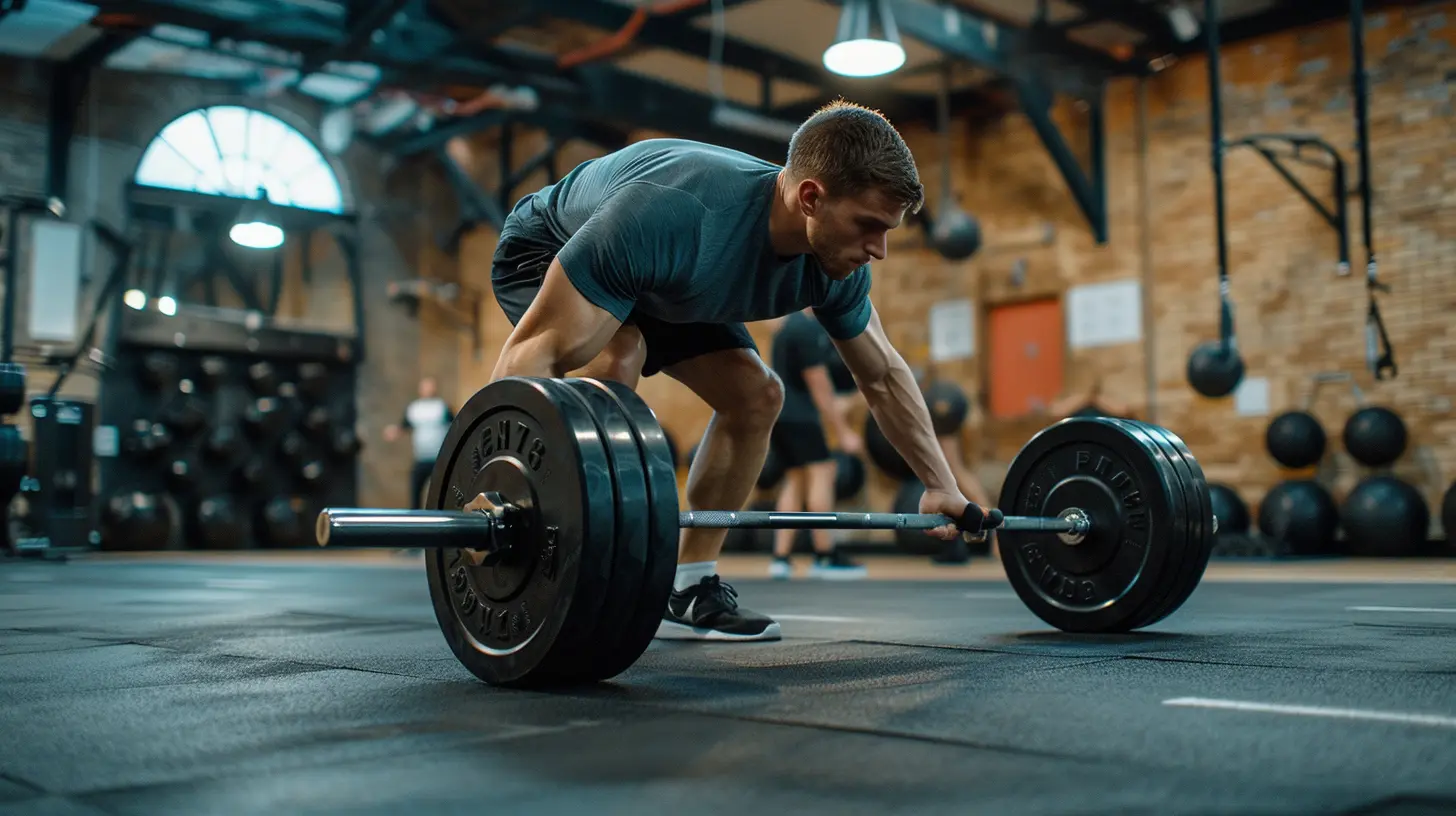
Exercises to Avoid While Recovering From an Injury
While weight training can aid recovery, some movements might do more harm than good. Generally, you should avoid:❌ Heavy compound lifts (e.g., squats, deadlifts, bench press) if they aggravate pain
❌ Overhead movements if you have a shoulder injury
❌ High-impact exercises like jump squats or box jumps
❌ Fast, jerky movements that put excess stress on joints
Stick to control, stability, and pain-free exercises to keep your recovery on track.
When Can You Return to Normal Training?
The million-dollar question! The timeline for returning to regular workouts varies based on the severity of your injury. Some general guidelines include:- Mild injuries (e.g., minor strains or sprains) – A few weeks of modified training
- Moderate injuries (e.g., ligament sprains or fractures) – Several weeks to months
- Severe injuries (e.g., surgery recovery or major tears) – Months of rehabilitation before lifting heavy again
Again, listen to your body and consult with a healthcare professional before jumping back into intense training.
Final Thoughts
Training with weights during recovery from an injury is totally possible—but only if done correctly. The key is to modify your workouts, listen to your body, and prioritize safety over ego. Take it slow, focus on proper mechanics, and gradually ease your way back to full strength.Remember, recovery isn’t a race; it’s a process. So be patient, trust your body, and you’ll be back crushing your workouts in no time!
all images in this post were generated using AI tools
Category:
Weight TrainingAuthor:

Holly Ellison
Discussion
rate this article
1 comments
Candice Tucker
Getting back to weights post-injury is like dancing with a crutch-awkward but totally worth it! Just remember, slow and steady wins the race... and avoids further injuries!
June 10, 2026 at 3:52 PM
Holly Ellison
You're spot on! Taking it slow is key. It may feel awkward at first, but those small wins build strength and confidence. Keep at it!