Decoding Paleo-Friendly Fats: What You Need to Know
10 May 2026
Let’s be honest—when it comes to fat, there's confusion galore. Some say eat it, some say fear it, others just stare longingly at a strip of bacon and whisper, “Can I?” If you’re diving into the Paleo lifestyle, understanding fats is sorta like trying to decode a secret message written by cavemen with a greasy stick. So, let’s shed some light on the oily, buttery, oh-so-tasty world of Paleo-friendly fats.
Pull up a chair, grab a spoon (maybe for some almond butter), and let’s talk fat—the Paleo way.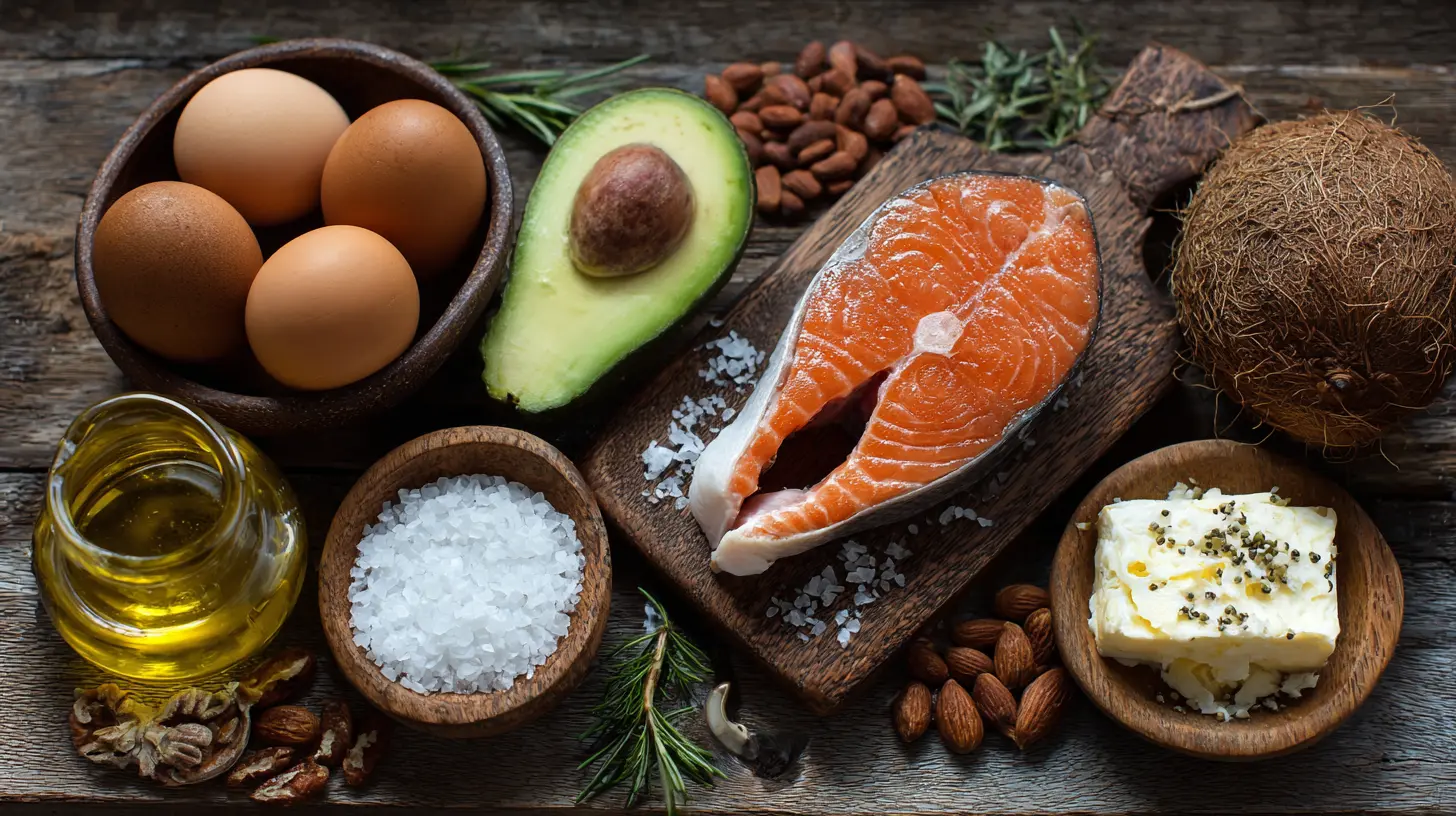
? First, Why Are Fats Even a Big Deal?
Don't let the word “fat” fool you. It’s not the villain it was made out to be back in the low-fat-crazy 90s. Our bodies need fat—especially when we're cutting out grains and processed sugars like the Paleo diet recommends.Fat is fuel. It helps absorb fat-soluble vitamins (A, D, E, and K), supports brain function, keeps hormones in check, cushions your organs, and frankly, makes your food taste way better. So, if you’ve been skipping the guac? Stop. Immediately. Your brain (and taste buds) deserve better.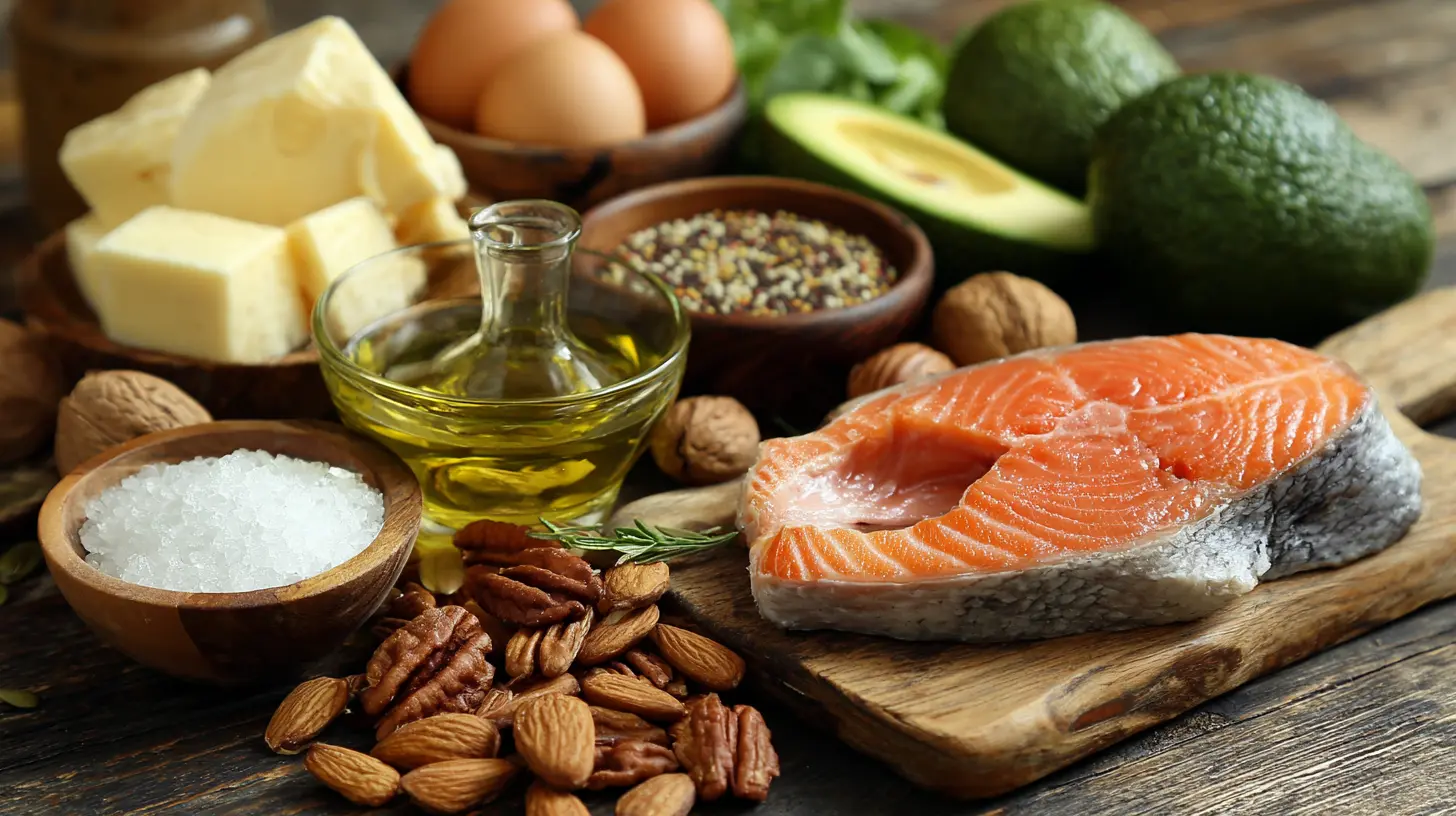
? What Makes a Fat “Paleo-Friendly” Anyway?
Okay, so not all fats are treated equally in the realm of Paleo. The whole point of the diet is to eat like our ancestors—before the food pyramid, margarine, and aisle after aisle of “low-fat” cookies. Paleo-friendly fats are natural, unprocessed, and came from sources found in nature.If it had to be invented in a lab? HARD PASS.
So no hydrogenated oils, no industrial seed oils, no mystery margarine spreads that smell like chemicals and broken dreams.
Let’s break it down.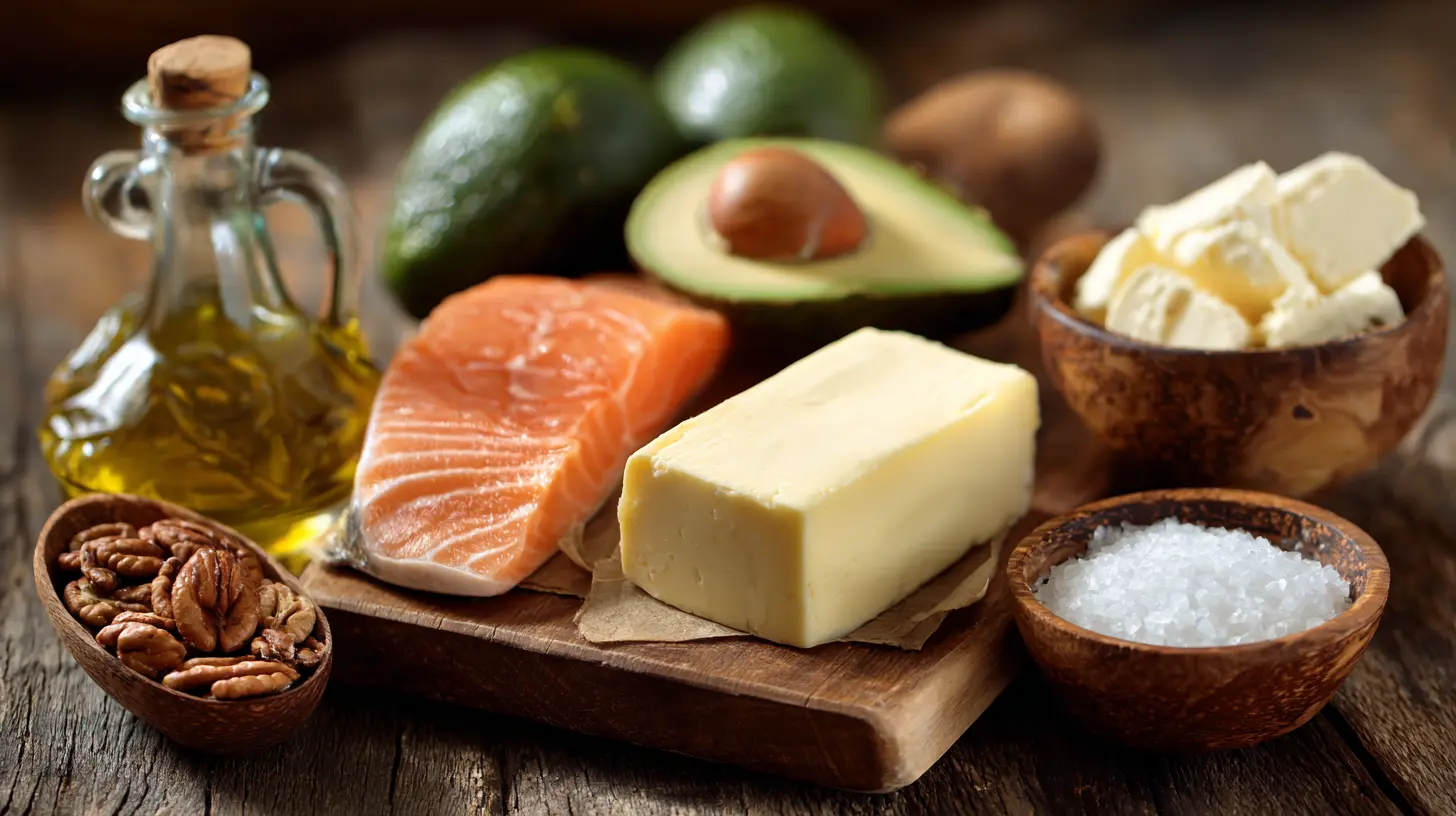
? The Holy Trinity of Paleo Fats
1. Coconut Oil: The Tropical MVP
Coconut oil is the LeBron James of Paleo fats. It's a fan favorite, brings the heat (literally—it’s fantastic for cooking), and is loaded with medium-chain triglycerides (MCTs). These MCTs are digested quickly and go straight to your liver for a turbo boost of energy.Plus, it’s got antimicrobial properties. Translation? It helps fight off the bad guys in your gut. You can sauté your veggies in it, bake with it, or even slap some on your face as a moisturizer if you’re feeling extra crunchy.
Best for: Sautéing, roasting, baking, and spreading on dry elbows.
2. Ghee: Butter's Clarified Cousin
Think of ghee as butter that’s gone through self-discovery. It’s clarified butter, meaning the milk solids have been removed, so even many lactose-intolerant folks can enjoy it without belly protests.It’s rich in butyrate, a compound that supports gut health and inflammation management. Plus, it has a high smoke point—so go ahead, fry that egg in ghee and feel like royalty doing it.
Best for: High-heat cooking, stir-fries, and spooning into coffee if you’re into that whole bulletproof scene.
3. Olive Oil: The Mediterranean Darling
Ah, olive oil. Smooth, classy, and full of heart-healthy monounsaturated fats. This one’s less for cooking at high temps (it gets a little cranky with heat) and more for drizzling, dipping, and dressing.Virgin or extra virgin? Go extra. Always. That’s where the antioxidants are.
Best for: Salad dressings, drizzling over roasted veggies, and pretending you're in Tuscany.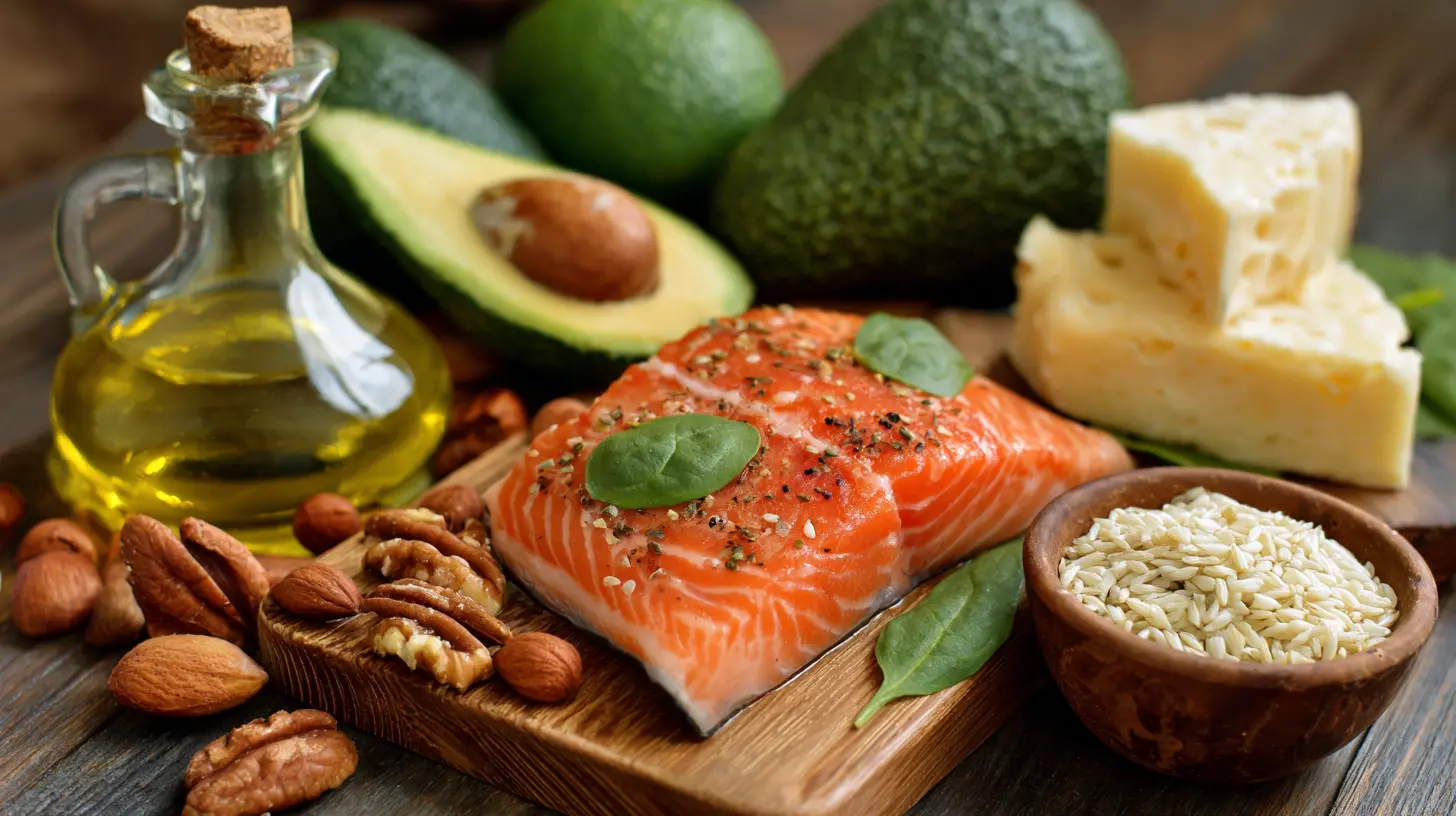
? Animal Fats: Nature’s OG Cooking Oils
Our ancestors weren’t scared of a little lard—they embraced it. If you’re truly going Paleo, animal fats from healthy, pasture-raised sources are the real deal. These traditional fats are stable at high heat and totally natural.- Tallow: Rendered beef fat. Great for frying and has a high smoke point.
- Lard: Rendered pig fat. Ideal for baking or sautéing (hello, crispy potatoes).
- Duck Fat: Fancy and flavorful. Best used when you feel like turning dinner into a gourmet event.
Just remember: The source matters. You don’t want fat from a sad factory-farmed animal. Grass-fed and pastured is the way to go.? Nut and Seed Oils: Tread Carefully
Here’s where it gets a little tricky. Some nuts and seeds are Paleo-approved, but when processed into oils, not all make the cut.✅ Paleo-Approved in Moderation:
- Macadamia Oil – loaded with monounsaturated fats and a buttery flavor.- Avocado Oil – nutrient-rich, high smoke point, and delicious.
- Walnut Oil – omega-3 rich, but best used cold (think salad dressing).
❌ Not Paleo-Friendly:
- Canola, soybean, sunflower, safflower, corn, cottonseed…- These are typically highly processed, inflammatory, and almost always come from GMO crops.
Rule of thumb: If it took a lab coat and a centrifuge to make it, skip it.
? Avocados: Fat Gold in Fruit Form
Okay, so technically not an oil, but let’s take a quick moment to worship at the altar of avocados. They’re rich in monounsaturated fats, fiber, and nutrients like potassium.Smash it, slice it, stuff it—avocado is life. It's practically Paleo royalty right alongside bone broth and grass-fed beef.
? Omega-3 vs. Omega-6: The Battle of the Century
Let’s nerd out for a sec.Omega-3 fatty acids (like those found in wild-caught fish and flaxseeds) are anti-inflammatory and help brains do their brilliant brain things.
Omega-6s (found in many vegetable oils) aren’t inherently bad, but in today’s modern diet, they’re everywhere. And when the omega-6 to omega-3 ratio gets too high? Inflammation city.
Paleo aims to even that out. That means trashing processed seed oils and loading up on wild salmon, sardines, and grass-fed meats.
? Cooking Fats 101: What to Use and When
Different fats behave differently under heat. Some can handle the pressure of high flames, while others curl up and cry.| Fat | Smoke Point | Best Use |
|---------------|--------------|-------------------------------|
| Coconut Oil | ~350°F | Baking, frying, sautéing |
| Ghee | ~485°F | High-heat cooking |
| Olive Oil | ~320°F (EVOO)| Drizzling, low heat |
| Avocado Oil | ~520°F | All-purpose, high-heat |
| Tallow/Lard | ~370°F+ | Roasting, frying, baking |
Pro tip: Don’t go frying with extra virgin olive oil. It’s a diva—best appreciated raw.
? How to Shop for Paleo Fats Without Losing Your Mind
Fat shopping should be simple, but welcome to 21st-century grocery stores—where olive oils come in 57 varieties and coconut oil has its own aisle.Here’s how to keep it cool:
- Look for glass bottles (especially for olive oil).
- Go cold-pressed and unrefined when possible.
- Check for organic, non-GMO, grass-fed on animal fats.
- Avoid “light” or “blended” oils. Sneaky additives lurk there.
If the ingredient list looks like a chemistry textbook? Put. It. Back.
⛏️ Are You Eating Enough Fat?
Here comes the truth bomb: Most people starting Paleo under-eat fat. Why? Years of “fat is bad” messaging still haunt their subconscious.But switching to Paleo means ditching carbs as your main fuel. So unless you want to feel like a grumpy zombie, fat has to step in as the new MVP.
Signs you need more fat:
- Constant hunger
- Energy crashes
- Brain fog
- Dry skin
- You're crying over your wilted kale salad
Your macros might need rebalancing. Start gradually if you're nervous, but know this: fat is not the enemy—processed junk food is.
? The Mind-Body-Fat Connection
Here’s something that doesn’t get enough airtime: Fat literally fuels your BRAIN. Your noggin is about 60% fat. So, yeah—if you’re cutting the stuff out, no wonder you feel scatterbrained.Beyond energy and satiety, Paleo-friendly fats help you think clearly, sleep better, and even keep your skin glowing.
And let's not forget the hormones. They're built from cholesterol and fat. Low-fat diets? Not so great for hormones. Paleo fats? Hormonal harmony, baby.
? Final Thoughts: Fat Is Not A Fad
If you’re going Paleo and not embracing fat, you’re missing out on one of the cornerstone concepts of the entire lifestyle.Think of Paleo-friendly fats as the flavorful glue holding your meals—and metabolic health—together. They're satisfying, nutrient-rich, and ancestral-approved.
So yeah, go ahead and slather that sweet potato with ghee. Dip your grilled chicken in some herbed olive oil. Even add a dollop of lard to your skillet. Your taste buds—and probably your great-great-great-grandcestors—will thank you.
all images in this post were generated using AI tools
Category:
Paleo DietAuthor:

Holly Ellison
Discussion
rate this article
2 comments
Zevros McBride
Who knew fats could be so fascinating? It's like a culinary treasure hunt for your taste buds... yum!
July 2, 2026 at 5:09 PM
Holly Ellison
I'm glad you found it intriguing! Fats really do bring so much flavor and depth to our dishes... enjoy the hunt!
Sabina Tucker
Paleo fats are vital-choose wisely for optimal health benefits.
May 17, 2026 at 3:42 AM
Holly Ellison
Thanks for your insight! Choosing the right fats can truly enhance the Paleo approach.