How to Tackle Sugar Cravings Naturally
8 September 2026
Sugar cravings are not a character flaw. They are a biological signal, often amplified by modern eating habits, stress, and sleep patterns. If you have tried to quit sugar cold turkey and failed, you are not weak. You are fighting a system that is designed to keep you reaching for the next sweet hit. The good news is that you can rewire your response to sugar, and you do not need willpower alone to do it. This guide walks through why cravings happen, what works to reduce them, and how to build a sustainable approach that does not feel like punishment.
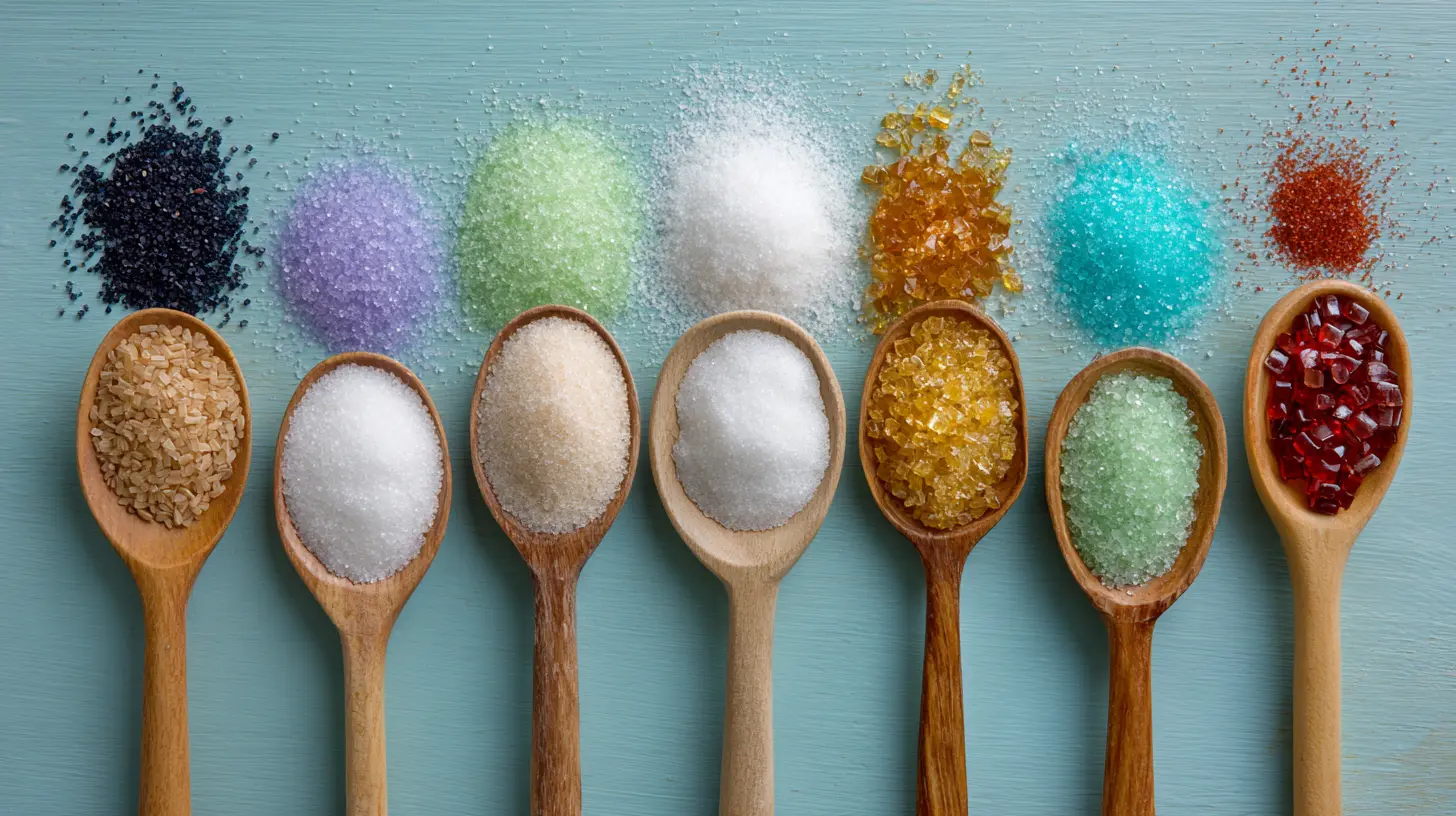
Why You Crave Sugar in the First Place
Understanding the root cause of a craving is the first step to managing it. Sugar is not just a food; it is a signal. When you eat something sweet, your brain releases dopamine, the same chemical involved in reward and pleasure. This is an evolutionary leftover. In nature, sweet foods are often safe sources of energy, so your brain is wired to seek them out. The problem is that modern food is engineered to deliver that reward with unnaturally high intensity, bypassing your body's normal satiety cues.But there is more to it than brain chemistry. Blood sugar swings play a major role. When you eat a high-sugar meal or a refined carbohydrate like white bread or pasta, your blood glucose spikes quickly. Your pancreas releases a large amount of insulin to bring that glucose down. The rapid drop that follows triggers a hunger signal, often specifically for more sugar. This is the classic blood sugar roller coaster. You are not craving sugar because you lack discipline; you are craving it because your body is trying to stabilize its glucose levels.
Another major contributor is habit. If you always have a cookie after lunch, your brain associates the end of a meal with something sweet. This is a conditioned response, similar to Pavlov's dogs. The craving is triggered by the context, not by actual hunger. Stress also plays a role. Cortisol, the stress hormone, increases your desire for quick energy, and sugar is the fastest source available. Finally, lack of sleep disrupts the hormones that regulate appetite, ghrelin and leptin. When you are tired, ghrelin goes up, making you feel hungrier, and leptin goes down, making it harder to feel full. That combination is a recipe for craving anything sweet and dense.

The Protein and Fat Strategy That Changes Everything
The single most effective dietary change for reducing sugar cravings is to stabilize your blood sugar before cravings even start. This means paying attention to what you eat at meals, not what you snack on later. A meal that is mostly carbohydrates, especially refined ones, sets you up for a crash. A meal that includes adequate protein and healthy fat digests more slowly, providing a steady release of energy.Protein is particularly important because it triggers the release of glucagon, a hormone that helps keep blood sugar levels stable. It also promotes satiety better than carbohydrates or fat. Think about how you feel after eating a plain bagel versus a meal with eggs and avocado. The bagel might satisfy you for an hour, but the eggs and avocado will keep you satisfied for three or four hours. That difference is the key to avoiding the mid-afternoon candy bar run.
Fat is not the enemy here, despite decades of outdated advice. Healthy fats, such as those in nuts, seeds, olive oil, and fatty fish, slow down gastric emptying. This means food stays in your stomach longer, which keeps you physically full. Fat also helps with the absorption of fat-soluble vitamins and supports hormone production. When your meals are balanced, your body is less likely to send out emergency hunger signals that are really sugar cravings in disguise.
A practical rule of thumb is to build every meal around a protein source, add a fat source, and then fill the rest of the plate with vegetables and some complex carbohydrates. For example, instead of a bowl of oatmeal with fruit for breakfast, try oatmeal cooked with milk, topped with nut butter, and a few berries. The added protein and fat change the metabolic response completely. You will notice that the urge to snack before lunch diminishes significantly.
The Hidden Sugar in Your Pantry
You might be eating a diet that seems healthy but is still causing cravings. This is often due to hidden sugars in processed foods. Sauces, salad dressings, flavored yogurts, granola bars, and even seemingly savory items like bread and crackers often contain added sugar. The food industry knows that a little sugar makes almost anything taste better, so it is added liberally to enhance palatability.Reading labels is not just for people with allergies. It is a necessary skill for anyone trying to manage cravings. Sugar appears under many names, including sucrose, high fructose corn syrup, agave nectar, honey, maple syrup, maltodextrin, and fruit juice concentrate. The total amount matters more than the name, but recognizing these terms helps you spot products that are not as healthy as they claim to be.
A common misconception is that natural sweeteners like honey or maple syrup are better for cravings. They are marginally better than refined white sugar because they contain trace minerals, but your body processes them almost identically. They still spike blood sugar. The goal is not to swap one sugar for another but to reduce the overall sweetness load on your palate. If you are trying to break a cycle, you need to lower your sweetness threshold. This means choosing unsweetened versions of your staple foods, like plain yogurt instead of vanilla, and adding your own fruit for flavor.
The Power of a Proper Breakfast
How you start your day sets the tone for your blood sugar for the next twelve hours. A sweet breakfast, like pancakes with syrup, a sugary cereal, or a pastry, is the worst possible way to begin. It guarantees a sharp rise in glucose followed by a crash by mid-morning. That crash will leave you reaching for coffee with sugar and a snack.A savory or protein-forward breakfast is a better choice. This does not mean you can never have breakfast foods you enjoy. It means changing the composition. Try scrambled eggs with spinach and feta, a vegetable omelet, or Greek yogurt with nuts and a small amount of berries. If you prefer a smoothie, make it a protein smoothie with a scoop of protein powder, unsweetened almond milk, a handful of spinach, and half a banana for flavor. The banana provides natural sweetness, but the protein and fiber from the spinach balance it out.
If you are not a breakfast person, that is also a valid choice. Intermittent fasting works for some people because it reduces the number of times your body has to deal with insulin spikes throughout the day. The key is to listen to your body. If you are not hungry in the morning, forcing yourself to eat is not helpful. But if you are hungry and you choose a high-sugar option, you are setting yourself up for a craving cycle that is hard to break.
Strategic Snacking Without the Sugar Trap
Snacking is not inherently bad. The problem is that most convenient snacks are designed to be hyper-palatable, meaning they combine sugar, salt, and fat in a way that is almost impossible to resist. Chips, crackers, and granola bars are engineered to hit a bliss point that keeps you eating.If you need a snack between meals, choose one that is high in protein or fiber. A handful of almonds, a hard-boiled egg, a piece of cheese, or some raw vegetables with hummus are all good options. These will not spike your blood sugar, and they will provide actual satiety. The trade-off is that they require a little more preparation than tearing open a bag of pretzels. That preparation is worth it because it gives you a moment to think about what you are eating rather than consuming mindlessly.
A common mistake is trying to replace a sugar craving with a sugar-free version of the same food. Sugar-free cookies and diet sodas might have zero calories, but they often contain artificial sweeteners that can still trigger a dopamine response. This can keep your brain hooked on sweetness without providing any nutritional value. Some research suggests that artificial sweeteners may alter your gut microbiome, although the evidence is not conclusive. The safer approach is to retrain your palate to expect less sweetness overall. This is uncomfortable for the first week or two, but it works. After a few weeks without added sugar, a piece of fruit will taste genuinely sweet, and a regular soda will taste cloying.
Hydration as a Craving Killer
Thirst is often mistaken for hunger. Your brain's signals for thirst and hunger are processed in similar regions, and it is easy to misinterpret a dehydration signal as a sugar craving. Before you reach for a snack, drink a glass of water and wait fifteen minutes. You might find that the craving fades.This is not just a trick. Dehydration can cause a drop in energy levels, which makes you seek out a quick source of fuel. Sugar is the fastest fuel source available, so your brain goes there first. By staying well hydrated throughout the day, you reduce the likelihood of these false hunger signals.
Plain water is the best choice, but if you find it boring, try sparkling water with a squeeze of lemon or lime. Herbal teas, especially ones with a hint of natural sweetness like peppermint or chamomile, can also help. Avoid sugary drinks entirely, including fruit juice. A glass of orange juice has as much sugar as a soda. Whole fruit is a better choice because the fiber slows down sugar absorption. Juice removes the fiber and delivers a rapid sugar hit that is almost as problematic as a candy bar.
The Sleep and Stress Connection
You cannot out-eat a bad night of sleep. When you are sleep deprived, your body produces more ghrelin and less leptin. This makes you hungrier, especially for high-calorie, high-carbohydrate foods. Studies have shown that sleep-deprived individuals consume significantly more calories from snacks, particularly in the evening. If you are constantly craving sugar, your sleep schedule might be the underlying issue.Prioritizing sleep is one of the most effective long-term strategies for managing cravings. This means aiming for seven to nine hours of quality sleep per night. It also means being consistent with your sleep and wake times, even on weekends. A regular sleep schedule helps regulate your circadian rhythm, which in turn affects your hunger hormones.
Stress is another major driver. Chronic stress keeps cortisol levels elevated. High cortisol is linked to increased abdominal fat and a higher preference for sweet and fatty foods. This is why you might find yourself craving ice cream after a stressful day at work. The sugar provides a temporary sense of relief because it boosts serotonin, the feel-good neurotransmitter.
To manage stress-related cravings, you need stress management techniques that actually work for you. This could be a daily walk outside, deep breathing exercises, journaling, or talking to a friend. Exercise is particularly effective because it reduces cortisol and increases endorphins. It also improves insulin sensitivity, which means your body handles sugar more efficiently when you do eat it. The goal is not to eliminate stress, which is impossible, but to give your body other ways to cope besides food.
Mindful Eating and the 10-Minute Rule
Cravings are often impulsive. They hit suddenly and feel urgent. But they are also temporary. A craving typically peaks and fades within ten to fifteen minutes if you do not act on it. This is where the 10-minute rule can be helpful. When you feel a craving, set a timer for ten minutes and do something else. Take a walk, call a friend, do a few stretches, or clean a drawer. If the craving is still strong after ten minutes, you might genuinely be hungry. If it has faded, you just successfully rode out the wave.Mindful eating is the practice of paying full attention to your food, without distractions like your phone or television. When you eat mindfully, you eat slower, which gives your body time to signal fullness. This reduces overeating and helps you distinguish between physical hunger and emotional or habitual cravings.
A common mistake is eating while working or watching TV. This leads to mindless consumption, where you finish a bag of chips without really tasting them. To break this habit, try to sit down at a table for your meals and snacks. Put your food on a plate instead of eating from the package. Chew slowly and notice the texture and flavor. This might feel awkward at first, especially if you are used to eating on the go, but it is one of the most powerful tools for changing your relationship with food.
The Role of Fiber and Gut Health
Your gut bacteria play a surprising role in your food cravings. The trillions of microbes in your digestive system produce compounds that can influence your brain and behavior. Some types of bacteria thrive on sugar, and when they are abundant, they can send signals that increase your desire for it. This is a relatively new area of research, but the implications are clear: feeding your gut the right bacteria can help reduce cravings.The way to do this is through fiber. Fiber is not digestible by your body, but it is food for your beneficial gut bacteria. When you eat a diet rich in fiber, you promote the growth of bacteria that produce short-chain fatty acids, which have anti-inflammatory effects and help regulate appetite.
Good sources of fiber include vegetables, fruits, legumes, whole grains, nuts, and seeds. Aim for a variety of plant foods to support a diverse microbiome. This is one reason why restrictive diets that eliminate entire food groups often fail. They reduce the diversity of your gut bacteria, which can make cravings worse in the long run. Instead of cutting out foods, focus on adding more fiber-rich plant foods to your plate. This is a positive, additive approach that is easier to sustain than a restrictive one.
When Sugar Cravings Signal Something Else
Sometimes, persistent sugar cravings are not just about diet or habits. They can be a sign of an underlying issue. For example, a magnesium deficiency can cause cravings for chocolate, which is high in magnesium. If you are regularly craving chocolate, it might be worth checking your magnesium intake. Foods like dark leafy greens, nuts, seeds, and legumes are good sources.Cravings can also be related to blood sugar dysregulation that goes beyond normal swings. If you are experiencing extreme thirst, frequent urination, unexplained weight loss, or blurred vision alongside your cravings, you should see a doctor. These could be signs of insulin resistance or diabetes. Similarly, if you are experiencing mood swings, anxiety, or depression along with cravings, it is worth discussing with a healthcare professional. Emotional eating can be a symptom of a deeper mental health issue that is best addressed with professional support.
The Danger of All-or-Nothing Thinking
One of the biggest mistakes people make when trying to cut sugar is going cold turkey and expecting perfection. They have one bad day, eat a donut, and then decide they have ruined everything. This all-or-nothing mindset is counterproductive. It turns a minor setback into a complete failure, which often leads to a binge.A more effective approach is the 80/20 rule. Aim to eat well 80 percent of the time and allow for flexibility the other 20 percent. This is not an excuse to eat sugar constantly. It is a recognition that perfection is not sustainable. If you are at a birthday party, having a slice of cake is not a moral failure. It is a normal part of social life. The problem is not the occasional treat; it is the daily habit of consuming hidden sugars and using sweets as emotional regulation.
When you do eat sugar, do not beat yourself up. Instead, notice how it makes you feel. Does it give you energy, or does it make you feel sluggish an hour later? Does it satisfy you, or do you want more? This kind of curious observation is more powerful than guilt. It helps you build a personal data set about how sugar affects your body, which can naturally reduce its appeal.
Building a Sustainable Plan
The best way to tackle sugar cravings is not to focus on willpower but on environment and routine. If you keep cookies on your desk, you will eat them. If you do not buy them, you cannot eat them. This sounds obvious, but it is the most effective strategy. Make junk food less accessible and healthy food more accessible. Keep a bowl of fruit on the counter and pre-cut vegetables in the fridge. When a craving hits, the healthy option should be the easiest option.Plan your meals and snacks ahead of time. This reduces the chance of making a rushed, unhealthy choice when you are hungry. Meal prepping on the weekend can save you during the week. You do not have to cook elaborate meals. Simply cooking a batch of quinoa, roasting some vegetables, and grilling a few chicken breasts can give you building blocks for several meals.
Find non-food rewards for yourself. If you usually reward a hard day with a glass of wine or a bowl of ice cream, think of alternatives. A hot bath, a new book, a walk in the park, or a phone call with a friend can all provide comfort and pleasure without the sugar. The key is to break the association between comfort and food.
A Realistic Timeline for Change
Do not expect your cravings to disappear overnight. Your taste buds and brain chemistry need time to adapt. The first week is usually the hardest. You might experience headaches, fatigue, and intense cravings as your body withdraws from sugar. This is normal. It is similar to what happens when someone gives up caffeine. Push through this phase.By the second and third weeks, the intensity of cravings usually decreases. Your palate begins to adjust, and foods you used to find bland might start to taste sweeter. By the end of the first month, many people report that they no longer think about sugar constantly. They can have a small treat without it triggering a binge.
However, cravings can return during times of stress or hormonal changes, such as around a menstrual cycle. This is normal. Do not interpret a temporary craving as a permanent relapse. Acknowledge it, decide if you want to act on it, and move on. The goal is not to become someone who never eats sugar. The goal is to become someone who is in control of their choices, not controlled by them.
Final Thoughts on a Balanced Approach
Sugar cravings are a complex issue that involves biology, psychology, and environment. There is no single magic fix. What works for one person might not work for another. The key is to experiment and find a combination of strategies that fit your life. Start with one change, like adding protein to breakfast or drinking more water. Once that becomes a habit, add another. Small, consistent changes are more sustainable than dramatic overhauls.Remember that you are not fighting a personal weakness. You are fighting a food environment that is stacked against you. Be kind to yourself. Every healthy meal you eat is not just a meal; it is a signal to your body that you are safe and nourished. Over time, those signals will rewire your brain and your taste buds. You will find that sugar has less power over you, and that is a freedom worth working for.
all images in this post were generated using AI tools
Category:
Low Sugar DietAuthor:

Holly Ellison
Discussion
rate this article
2 comments
Jonah McCall
Great article! Tackling sugar cravings naturally can be a challenge, but your tips make it feel doable. It's all about finding balance and making small changes that lead to big results. I appreciate the insights shared here; they're sure to inspire many on their journey.
September 11, 2026 at 4:37 AM
Holly Ellison
Thank you so much for your kind words! I'm glad you found the tips helpful. Small changes really can make a big difference.
Stephen Mendez
Great tips! Tackling sugar cravings can feel like a challenge, but with these natural strategies, you'll be well on your way to feeling more energized and balanced. Remember, small changes add up... you got this!
September 9, 2026 at 4:40 AM