Bone Health for Runners: Preventing Impact-Related Injuries
22 February 2026
Running is an exhilarating and liberating sport, but it’s also one of the toughest on your body—especially your bones. Every stride sends shockwaves through your legs, and if your bones aren’t up to the task, injuries can strike. Stress fractures, shin splints, and joint pain? No, thank you!
So, how do you keep your bones strong and injury-free while logging those miles? Let’s break it down (pun intended) and get your skeletal system as tough as your spirit!
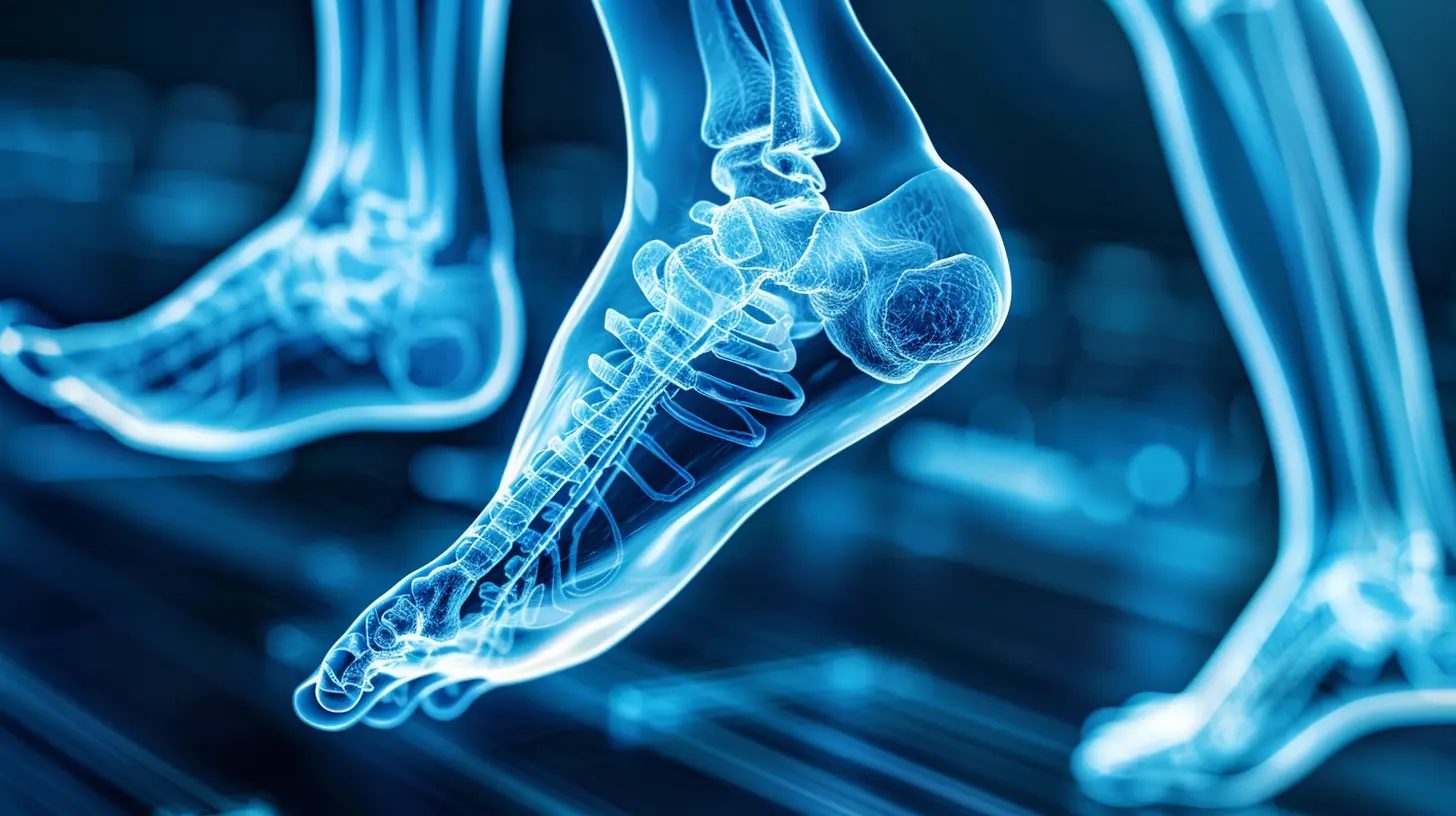
Why Bone Health Matters for Runners
Your bones are the foundation of your body—literally. When you run, they absorb impact, support your weight, and keep everything moving in harmony. But without proper care, bones can weaken, leading to fractures and other injuries that could sideline you for weeks or even months.Think of your bones like a sturdy bridge. If it’s well-maintained, it can handle traffic for years. Neglect it? Cracks start to form, and eventually, the whole thing crumbles. You don’t want your bones crumbling mid-run, do you?

Risk Factors for Bone Injuries in Runners
Before we jump into solutions, let’s address the common culprits behind bone-related running injuries:- Overtraining – Running too much, too fast, or too soon can put excessive stress on your bones.
- Poor Nutrition – Without adequate calcium, vitamin D, and other key nutrients, bones lose strength.
- Improper Footwear – Wearing the wrong shoes can lead to excessive impact and uneven weight distribution.
- Weak Muscles – If your muscles aren’t strong enough, they won’t effectively absorb shock, leaving your bones to take the full hit.
- Low Bone Density – Conditions like osteoporosis or even just naturally low bone mass can make you more susceptible to stress fractures.
Now that we know what we're up against, let’s talk about keeping those bones rock-solid.

How to Strengthen Your Bones for Running
1. Load Up on Bone-Boosting Nutrients
Your bones need the right fuel to stay tough. Here’s what you should be prioritizing in your diet:- Calcium – The MVP of bone health! Found in dairy, leafy greens, almonds, and fortified foods.
- Vitamin D – Helps your body absorb calcium. Get it from sunlight, fatty fish, eggs, and fortified foods.
- Magnesium – Needed for bone formation. Eat nuts, seeds, whole grains, and dark chocolate (yes, chocolate!).
- Protein – Essential for bone structure. Lean meats, beans, eggs, and dairy are great options.
- Collagen – Supports bone and joint health. Bone broth, gelatin, and collagen supplements can help.
2. Strength Train Like You Mean It
Running is great, but if it’s all you do, your bones might not get the resistance they need to grow stronger. Adding strength training into your routine helps build muscle and improve bone density.Focus on:
- Weightlifting – Squats, lunges, and deadlifts work wonders.
- Bodyweight Exercises – Push-ups, planks, and calf raises strengthen bones without equipment.
- Plyometrics – Jumping exercises train your bones to handle impact.
Two to three strength sessions per week can make a massive difference in your bone health.
3. Cross-Train to Reduce Impact
Running every day increases the risk of overuse injuries. Give your bones a break by mixing in low-impact activities like:- Swimming – Strengthens muscles without the pounding.
- Cycling – Great for cardio with minimal joint stress.
- Yoga or Pilates – Improves flexibility and stability, reducing injury risk.
Variety is key! Keep your bones guessing, and they’ll stay resilient.
4. Choose the Right Running Shoes
Wearing the wrong shoes is like running on thin ice—sooner or later, something’s going to break.- Get a proper fit – Visit a running store to check your gait and find the best shoes.
- Replace old shoes – Running shoes lose cushioning after 300-500 miles.
- Consider insoles – If you have high or flat arches, custom insoles might help distribute impact evenly.
Invest in good shoes now, and your bones will thank you later.
5. Listen to Your Body (Pain Is Not a Badge of Honor!)
Pain is your body waving a red flag. Ignoring it won’t make you a tougher runner—just an injured one.- Mild soreness? That’s normal.
- Sharp pain? Stop immediately.
- Persistent discomfort? Take a break and assess.
When in doubt, rest it out. A few days off is better than months on the sidelines.
6. Don’t Skimp on Recovery
Your bones aren’t magically repairing themselves overnight—unless you’re giving them the recovery they need.- Sleep – This is when bone growth and repair happen, so aim for 7-9 hours.
- Stretch & foam roll – Keeps muscles loose, reducing strain on bones.
- Rest days – Yes, they’re necessary! Your body rebuilds during downtime.
Running without recovery is like driving a car without oil—eventually, something breaks.
7. Gradually Increase Your Mileage
Jumping from 10 miles a week to 40 is a recipe for disaster. Let your bones adapt by following the 10% rule—never increase your mileage by more than 10% per week.Slow and steady isn’t just a saying—it’s how you stay injury-free.
8. Consider Bone Density Testing
If you’ve had stress fractures before or have a family history of osteoporosis, a bone density test might be a smart move. It’s a quick, painless scan that gives insight into your bone strength.Better to catch potential weaknesses early than find out the hard way!

Common Bone Injuries Runners Should Watch Out For
Even with the best precautions, injuries can happen. Here are the top bone-related issues and their warning signs:1. Stress Fractures – Tiny cracks in bones from overuse. Symptoms: pinpoint pain, swelling, pain that worsens with activity.
2. Shin Splints – Inflammation of the shinbone. Symptoms: aching or sharp pain along the shin.
3. Runner’s Knee – Cartilage wear under the kneecap, causing pain.
4. Plantar Fasciitis – Heel bone strain from excessive impact.
If you suspect one of these injuries, back off running and seek medical advice. Pushing through will only make it worse!
Final Thoughts
Running is one of the best things you can do for your body—but only if you take care of your bones. Strengthen them with the right nutrition, training, and recovery habits, and they’ll keep carrying you mile after mile.So, lace up your shoes, fuel up on bone-friendly foods, and hit the road with confidence. Your bones have got your back—just make sure you’ve got theirs, too!
all images in this post were generated using AI tools
Category:
Bone HealthAuthor:

Holly Ellison
Discussion
rate this article
2 comments
Dior Mullen
Ensuring optimal bone health is crucial for runners, as it prevents impact-related injuries. Focusing on adequate nutrition, strength training, and proper footwear can significantly enhance bone density and overall performance, promoting longevity in the sport.
March 19, 2026 at 5:33 AM
Holly Ellison
Absolutely, prioritizing bone health is key for runners. Good nutrition, strength training, and the right shoes can really make a difference. It's all about staying strong and injury-free.
Falkor McAdoo
Great insights! Strengthening bones is crucial for runners. Incorporating weight-bearing exercises and proper nutrition can significantly reduce the risk of impact-related injuries. Keep running safely!
February 23, 2026 at 5:24 PM
Holly Ellison
Thank you! I'm glad you found the insights helpful. Prioritizing bone health is essential for all runners.