How to Tackle Runner’s Knee and Get Back on Track
16 June 2026
If you’ve ever felt a dull, nagging pain around your kneecap after a long run or even during a jog, chances are you’ve had a run-in with runner’s knee. No fun at all, right? Whether you're pounding pavement for fun, fitness, or that next marathon PR, knee pain is the last thing you want slowing you down.
But here’s the good news: runner’s knee isn’t a career-ender. It's more like a speed bump—a frustrating one—but it can be managed, treated, and even prevented with the right game plan.
So, lace up those sneakers (gently!) and let’s dive into how to tackle runner's knee and get back on track with confidence.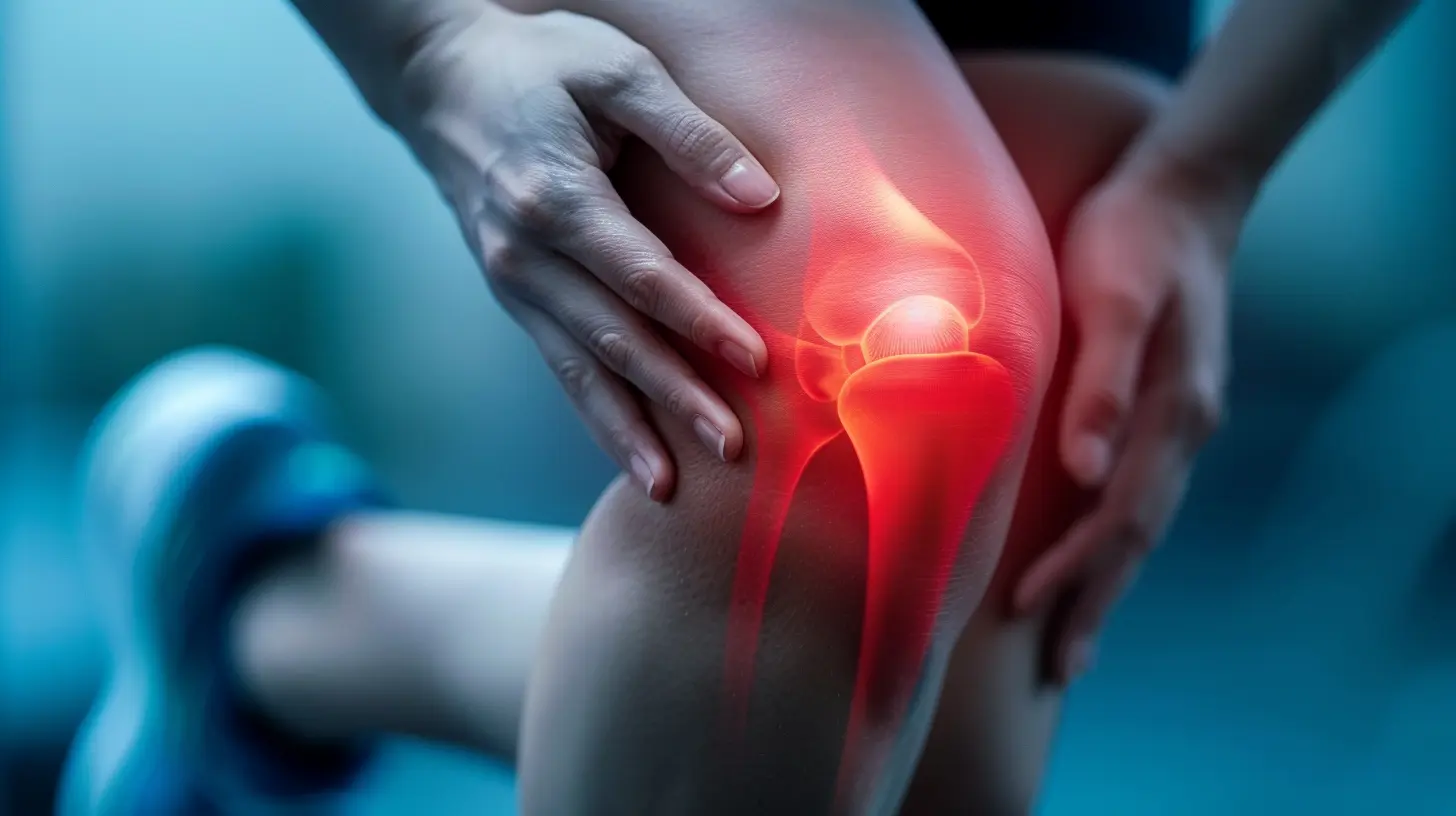
What Is Runner’s Knee, Anyway?
First, let’s clear the air. “Runner’s knee” isn’t one single injury. It’s actually a catch-all term for pain around the front of the knee, mostly due to overuse. The fancy medical name? Patellofemoral pain syndrome (PFPS).But don’t let the big words scare you. At its core, runner’s knee is caused by stress on the knee joint, and it often shows up after running, squatting, climbing stairs, or even sitting for too long. Your kneecap doesn’t track properly, and boom—pain.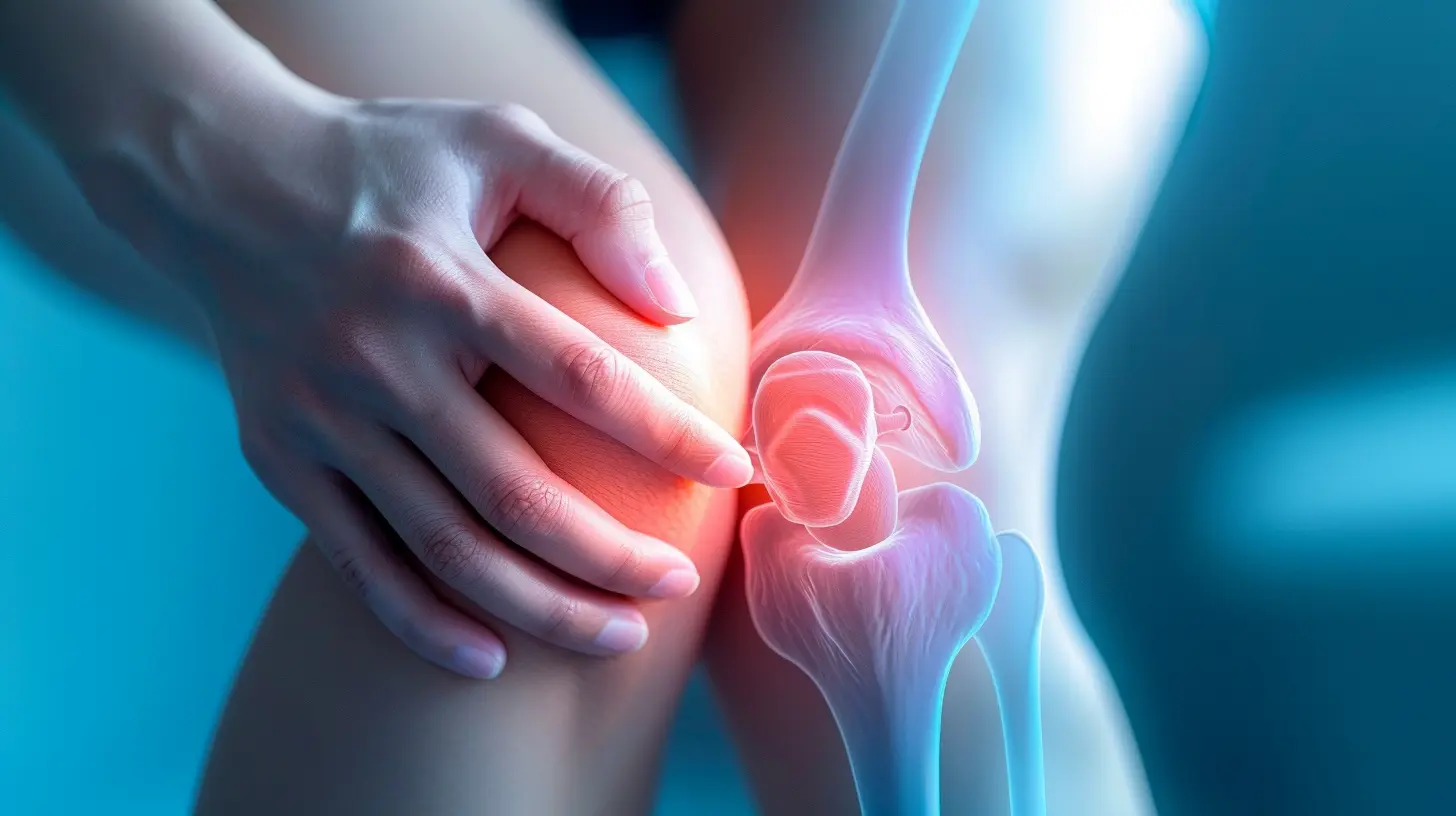
How Do You Know It’s Runner’s Knee?
Here’s what to watch for. These are the most common symptoms:- A dull ache around or behind the kneecap
- Pain that gets worse when going downhill or downstairs
- Discomfort during or after extended periods of sitting
- Swelling around the knee (sometimes, not always)
- A popping or grinding sensation in the knee
If any of these sound familiar, especially after running or a heavy leg workout, you could be dealing with runner’s knee.
What Causes Runner’s Knee?
Let’s look at what’s really going on under the hood. Runner’s knee usually happens due to one or more of these culprits:1. Overuse
Not surprisingly, the number one cause is doing too much, too soon. If you suddenly ramped up mileage or intensity, your knees may not have been ready for that load.2. Poor Running Form
Running looks simple, but it’s actually pretty technical. Poor alignment, heel striking, or overstriding can put extra pressure on your knees.3. Muscle Imbalances
Weak glutes, tight hamstrings, or underactive quads can all throw your movement patterns off balance. When muscles don’t pull evenly, your kneecap doesn’t track properly.4. Bad Shoes
Worn-out or unsupportive footwear can mess up your gait. Think of your shoes as the foundation—you wouldn’t build a house on a shaky one, would you?5. Structural Issues
Sometimes, anatomy plays a role. If you have flat feet, high arches, or misaligned hips, your biomechanics could be misfiring.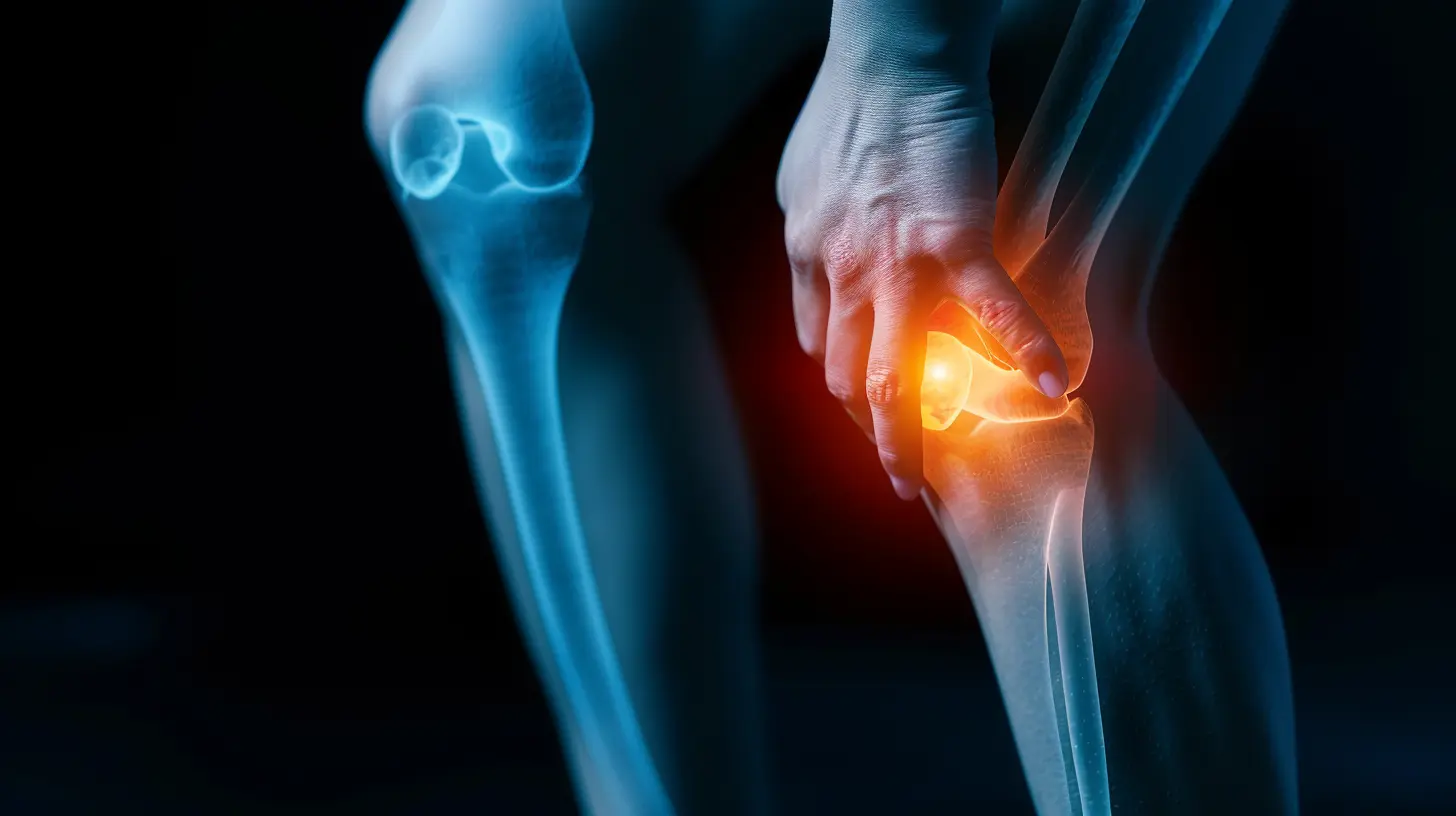
How to Treat Runner's Knee at Home
Now that you know what causes runner’s knee, let’s jump into the good stuff—how to fix it.1. Rest (Yes, Really)
This part might be the hardest for runners. But pushing through the pain usually makes things worse. Give your knee a break for a few days or even weeks, depending on severity. Use the time to heal, not to push limits.2. Ice It Up
Apply ice packs for 20 minutes every few hours, especially after activity. It helps reduce inflammation and numbs the pain—like a mini chill-out session for your knee.3. Compress and Elevate
Use a compression wrap or sleeve to control swelling. When you’re chilling on the couch, elevate your leg with pillows to drain excess fluid.4. OTC Pain Relief (If Needed)
Over-the-counter anti-inflammatories like ibuprofen or naproxen can help ease pain and bring down inflammation. Just don’t lean on them too heavily—think of them as a short-term crutch, not a long-term fix.Rebuild with Strength and Mobility
Once the pain starts to fade, it’s time to get proactive. This step is crucial if you want to stay injury-free down the road.1. Strengthen Your Quads
Strong quads help control the movement of the kneecap. Try exercises like wall sits, straight-leg raises, and gentle squats (when pain-free). Start slow and build up.2. Activate Your Glutes
Your glutes are the powerhouses of your stride. Weak glutes = poor form = pain down the chain. Fire them up with bridges, clamshells, and side-lying leg lifts.3. Focus on Hip Mobility
Tight hips can throw off your entire gait. Think dynamic stretches, yoga flows, and foam rolling to increase mobility. Hip flexors, IT bands, and hamstrings—give them all some love.4. Improve Core Stability
A strong core keeps your posture in check and prevents extra strain on the knees. Planks, bird dogs, and dead bugs are all solid choices.Gear Check: Are Your Shoes to Blame?
Shoes can make or break your run. If yours are old, worn out, or not right for your foot type, they could be a silent contributor to your knee pain.Here’s what to look for:
- Replace running shoes every 300-500 miles
- Get fitted by a professional (in-store gait analysis is super helpful)
- Look for shoes with proper arch support and cushioning
You might also consider orthotics or insoles if you have flat feet or overpronation.
Make Running Friendlier to Your Knees
Runner's knee doesn’t mean quitting your passion. But it does mean running smarter. Here's how to keep going strong without ticking off your knees.1. Warm Up and Cool Down
Don’t skip this step—ever. A brisk 5-10 minute warm-up gets your joints ready, and a proper cool-down prevents tightness afterward.2. Cross-Train
Mix in low-impact exercises like swimming, cycling, or elliptical training. This gives your knees a break while maintaining cardio fitness.3. Adjust Your Running Surfaces
Hard concrete? Not so friendly. Softer trails, grass, or tracks are easier on your joints. Try rotating your routes to protect your knees.4. Watch Your Form
Keep your posture upright, avoid over-striding, and try to land mid-foot rather than on your heel. If you're unsure, consider working with a running coach or physical therapist.When to See a Doctor or Physio
If you’ve taken a break, rehabbed smartly, and your knee still hurts after 2 or 3 weeks, it’s probably time to call in the experts.A physical therapist can assess your movement, identify imbalances, and guide you with a personalized recovery plan. Don’t wait too long—the earlier you intervene, the faster you'll bounce back.
Also, don’t ignore:
- Sharp pain
- Swelling that won’t go down
- A feeling of instability or giving way
- Inability to fully bend or straighten your knee
You know your body best, so trust your gut.
Your Comeback Plan: From Pain to Performance
Here’s the truth—getting over runner’s knee takes patience, not magic. But with a clear plan and consistency, you’ll be back on your feet (and running) before you know it.Here’s a quick roadmap:
1. Rest and reduce pain
2. Rehab with strength and mobility work
3. Check your gear
4. Return gradually
5. Maintain a balanced workout routine
The key? Listen to your body. Pain is a signal, not a challenge to push through. Respect it, rehab it, and you’ll be chasing those goals again soon.
Final Thoughts: Don’t Let Runner’s Knee Define You
Runner’s knee is annoying, sure. But it’s not unbeatable. With the right approach, it becomes just another chapter in your running story—not the end of it.So take the time to heal, strengthen your foundation, and get smarter about your stride. Whether you're a 5K newbie or a marathon vet, your knees are worth the investment.
And hey—just think how sweet that first pain-free run will feel. Almost like flying again.
all images in this post were generated using AI tools
Category:
Running TipsAuthor:

Holly Ellison
Discussion
rate this article
1 comments
Kason Lopez
Thank you for this insightful guide. Runner's knee can be so frustrating, but your tips provide hope and practical steps to recovery. I'm eager to get started!
June 16, 2026 at 3:31 PM
Holly Ellison
I'm glad you found the guide helpful! Wishing you a smooth recovery and happy running.