Essential Vitamins and Nutrients in the Paleo Diet
15 May 2026
When you dive into the world of Paleo, you're not just hopping on another trendy food bandwagon—you’re taking a time machine back to eat the way our ancestors did. You know, before processed snacks, sugary cereals, and microwave dinners were even a thing. But here’s the twist... while the Paleo diet is all about whole foods, there's still a lot of curiosity around whether you're actually getting all the essential vitamins and nutrients your body needs. Spoiler alert: You can, but you've got to be smart about it.
Let’s break it all down and look at what vitamins and nutrients are packed into the Paleo diet, where you’ll find them, and what you might want to keep an eye on to stay at your peak.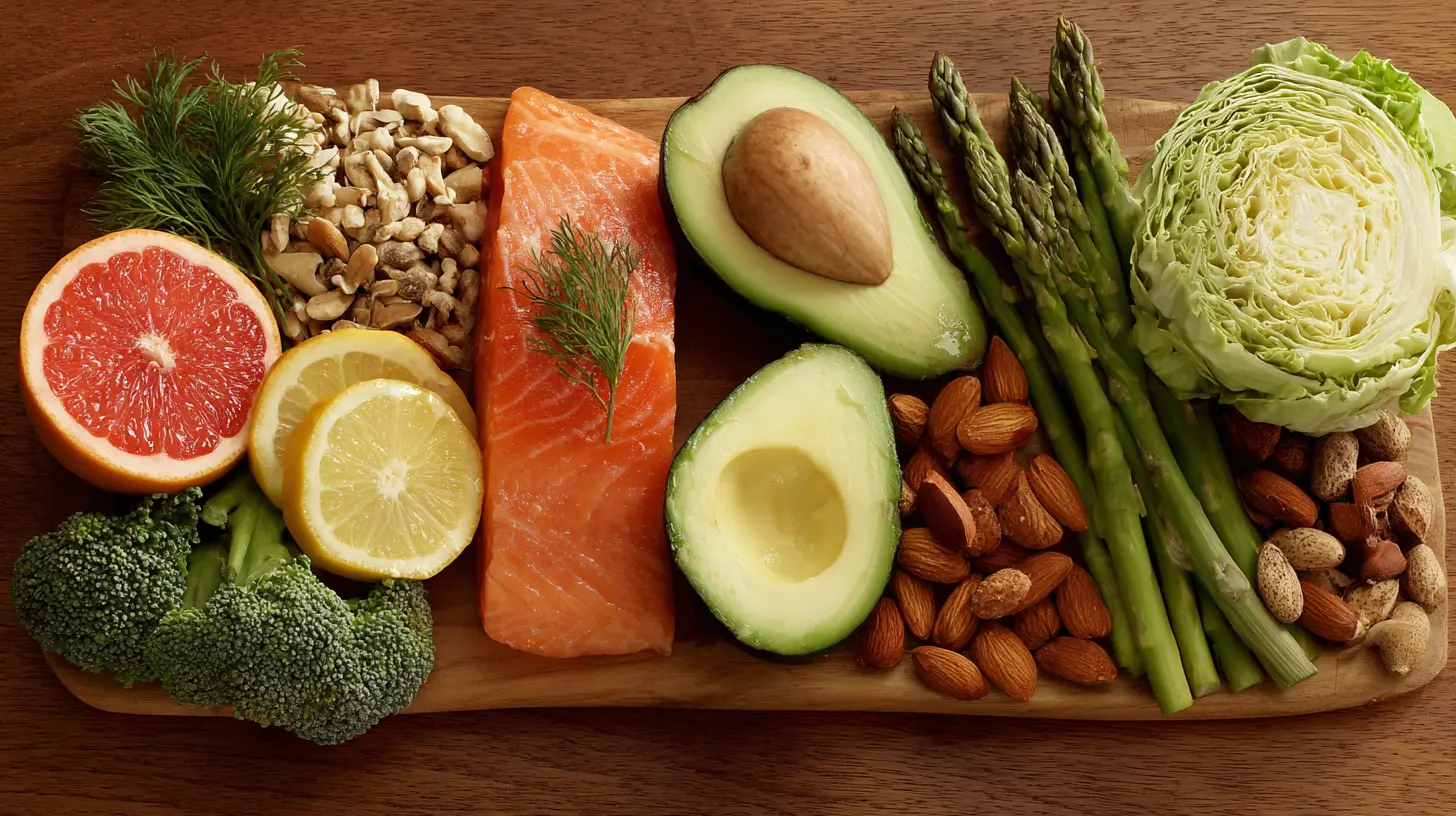
What is the Paleo Diet Anyway?
In case you’re new here, the Paleo diet (short for Paleolithic diet) is modeled after what humans supposedly ate way back in the Stone Age. Think hunter-gatherer times—before farming and industrial food processing took over. The Paleo menu is pretty straightforward:- Meat (preferably grass-fed)
- Fish and seafood
- Eggs
- Fresh fruits and vegetables
- Nuts and seeds (except peanuts, they’re legumes!)
- Healthy fats like olive oil and avocado
What’s out? Grains, legumes, dairy, refined sugar, and anything processed. If it comes in a box with a cartoon character on it, it’s not Paleo.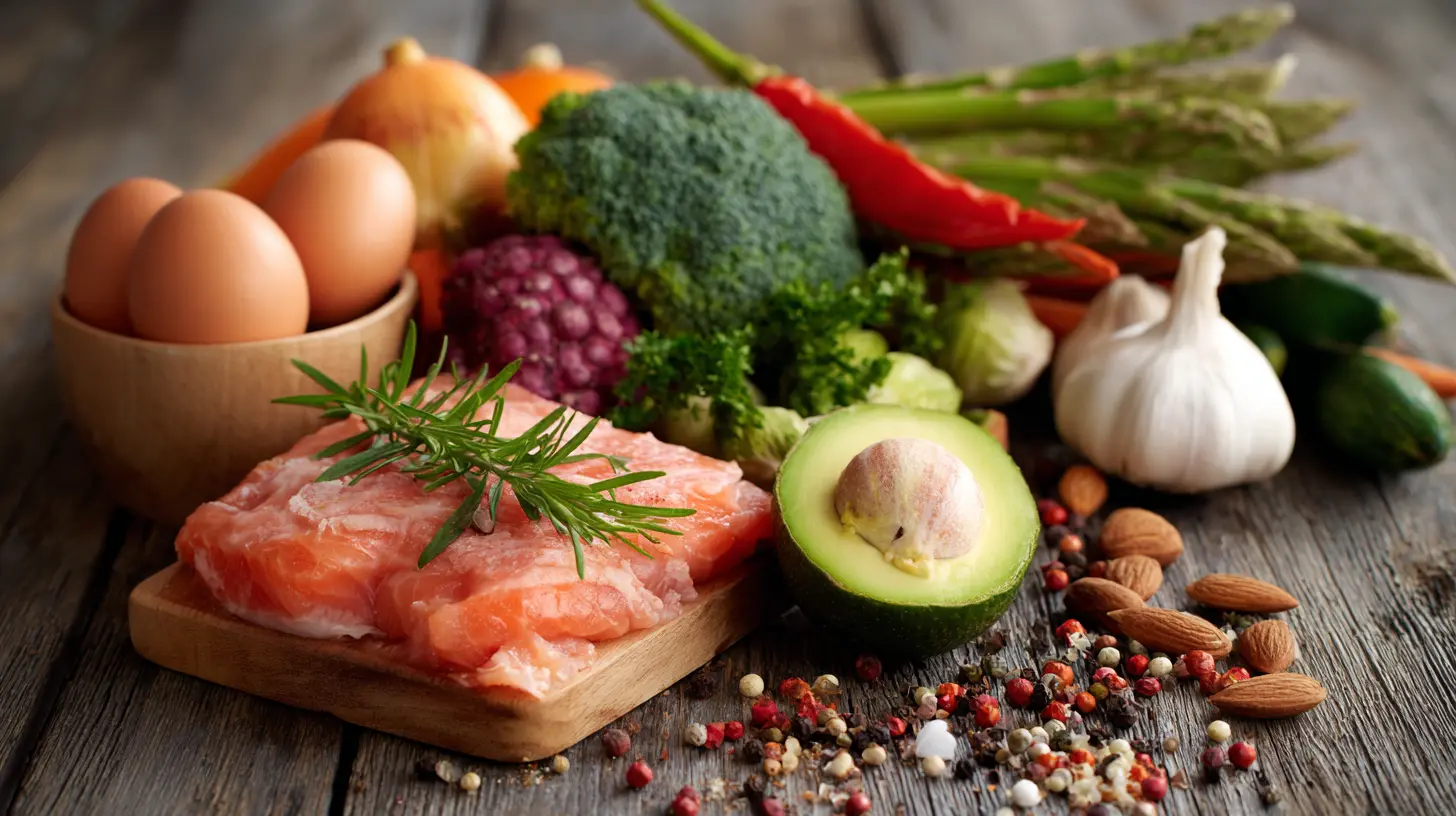
So, Are You Getting Enough Nutrients on Paleo?
Here’s the good news: The Paleo diet is rich in vitamins and nutrients that support overall health. By cutting out processed junk and focusing on real, whole foods, you’re already ahead of the curve. But let’s zero in on the specific nutrients you’re getting a boost of—and the few you might fall short on if you’re not careful.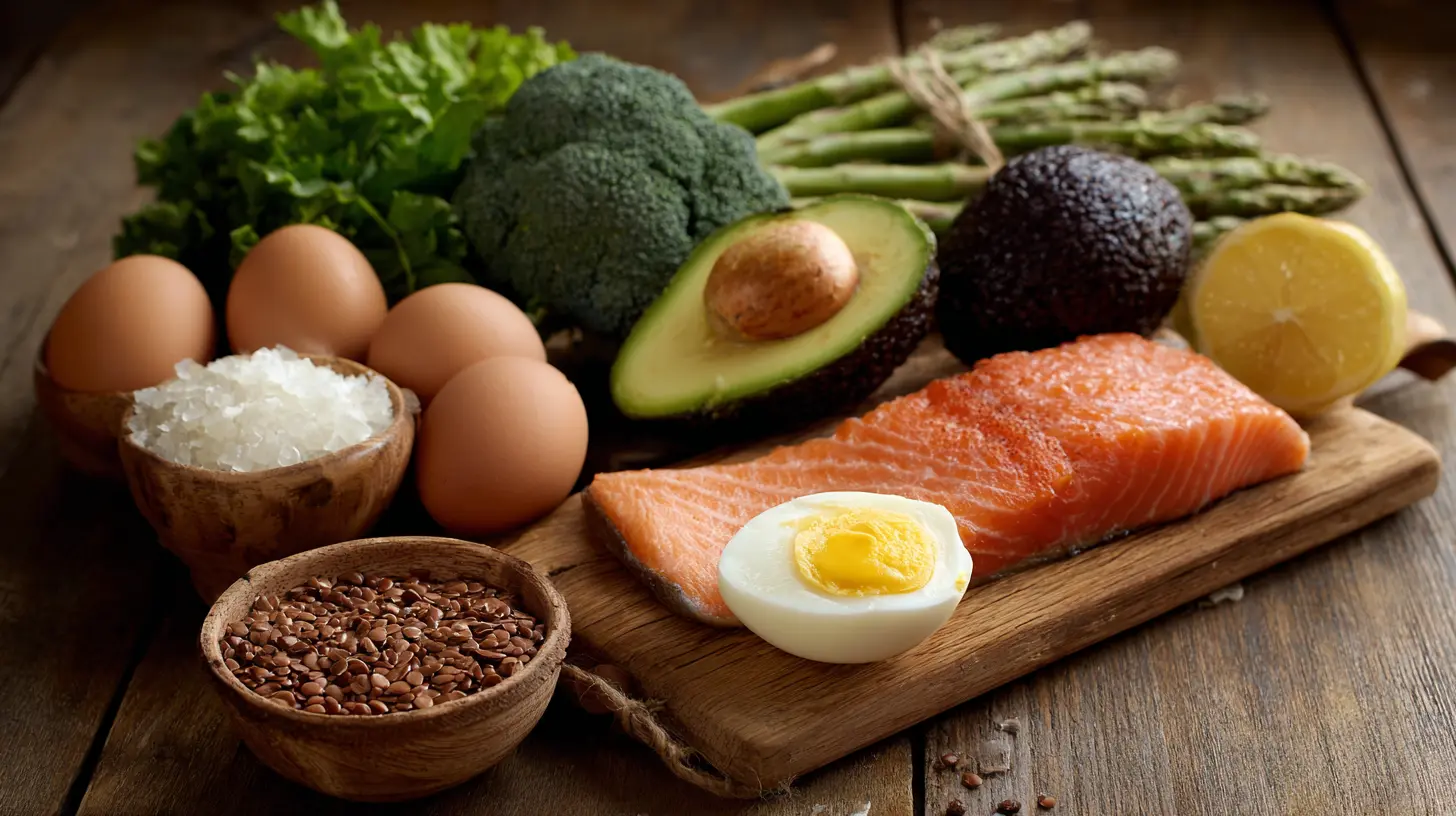
The MVPs of the Paleo Diet: Key Vitamins and Nutrients
1. Vitamin A (Retinol & Beta-Carotene)
You need vitamin A to keep your vision sharp, your immune system in check, and your skin glowing like you’ve just come back from vacation.- Where to get it?
- Liver (especially beef liver—it’s a nutrient powerhouse)
- Carrots, sweet potatoes, and leafy greens (high in beta-carotene, which your body converts to vitamin A)
Pro tip: Beta-carotene absorption is better when eaten with fat. So drizzle those roasted carrots with olive oil!
2. Vitamin D
This one’s a biggie. Vitamin D is vital for bone health, hormone regulation, and your immune system. Your body makes it when sunlight hits your skin, but depending on where you live (and how much Netflix you binge indoors), you might need a food-based boost.- Where to get it?
- Fatty fish like salmon, mackerel, and sardines
- Egg yolks
- Mushrooms (not all varieties, but some exposed to sunlight)
If you’re not getting regular sun exposure, you might want to chat with your doc about a supplement—Paleo-friendly, of course.
3. Vitamin K2
Not to be confused with K1 (found in leafy greens), K2 is essential for calcium metabolism and heart health. It's a bit trickier to get from diet alone.- Where to get it?
- Grass-fed animal products
- Fermented foods (like sauerkraut and kimchi)
- Egg yolks
4. Vitamin C
This antioxidant powerhouse helps with everything from collagen production to immune defense.- Where to get it?
- Citrus fruits (oranges, lemons, grapefruit)
- Bell peppers
- Strawberries, kiwi, and pineapple
- Leafy greens like kale and spinach
The Paleo diet makes it easy to get plenty of vitamin C thanks to its emphasis on fresh fruits and veggies.
5. Magnesium
Feeling tired, stressed, or experiencing muscle cramps? You might be low on magnesium. It’s crucial for over 300 biochemical reactions in your body.- Where to get it?
- Pumpkin seeds and almonds
- Dark leafy greens
- Avocados
- Bananas
But here's the deal: Modern farming has depleted a lot of magnesium from the soil, and many people are unknowingly deficient. Keep an eye on how you feel and consider testing your levels if you're suspicious.
6. Omega-3 Fatty Acids (EPA & DHA)
These healthy fats are anti-inflammatory superheroes. They support brain health, heart function, and they may even ward off depression.- Where to get it?
- Wild-caught salmon and sardines
- Grass-fed meat
- Chia seeds and flaxseeds (though plant-based omega-3s are less efficiently used by the body)
On Paleo, you’re naturally upping your omega-3 intake if you’re eating quality sources of animal protein—and that’s excellent news for your brain.
7. Iron
Iron is essential for carrying oxygen in your blood and keeping your energy levels stable. There are two types: heme (from animal sources) and non-heme (from plants). The Paleo diet gives you easy access to the more bioavailable heme version.- Where to get it?
- Red meat (especially liver)
- Poultry
- Spinach and other leafy greens (plant-based iron, better absorbed when eaten with vitamin C-rich foods)
Ladies, take note: due to menstruation, women often need more iron. So don’t be shy about eating that steak.
8. Zinc
This mineral is a champion for your immune system, skin health, and wound healing.- Where to get it?
- Shellfish (especially oysters)
- Beef and pork
- Pumpkin seeds
If you’re skipping legumes (which are also a zinc source), you need to make sure you’re getting enough from Paleo-friendly options.
9. B Vitamins (Especially B12, B6, and Folate)
The B-vitamin family is like your body's energy support crew, helping with everything from nerve function to DNA repair.- Where to get them?
- B12: Found in meat, fish, and eggs (so you're covered if you're doing Paleo right)
- B6: Found in turkey, bananas, sweet potatoes
- Folate: Found in leafy greens, avocados, and citrus fruits
Grains are often fortified with B vitamins, so people coming off a standard diet might be concerned. But nature’s got your back if you’re eating a wide range of whole foods.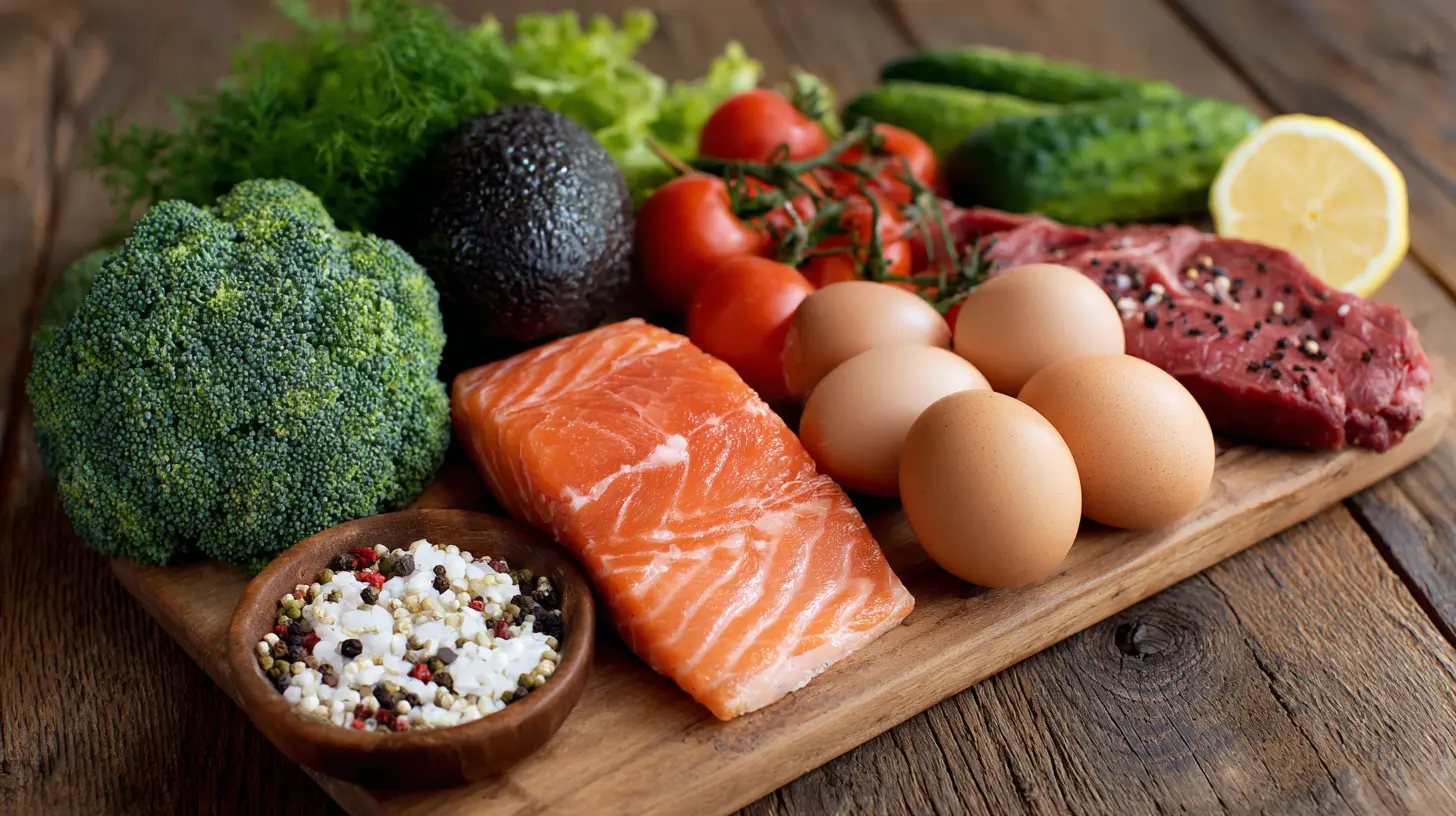
What Might Be Missing on Paleo?
Okay, we’ve talked about the good. But it’s honest time—no diet is perfect. While Paleo shines in many areas, there are a few nutrients worth watching.1. Calcium
No dairy means a potential calcium gap. And since calcium is key for strong bones and teeth, that’s not something you want to mess with.- Some Paleo-friendly sources:
- Sardines (with the bones!)
- Kale, broccoli, and collard greens
- Nuts and seeds like almonds and chia
You may need to eat a variety of these daily to meet your needs—or consider a supplement if your levels get low.
2. Iodine
Iodine is important for thyroid health, and cutting out iodized salt (a common Paleo move) can reduce your intake.- Get your iodine from:
- Seaweed (like nori, wakame)
- Seafood
- Eggs
Easy fix: Add a little seaweed salad to your weekly meal lineup.
Tips to Max Out Your Nutrient Game on Paleo
1. Eat the rainbow – Different colors mean different nutrients. Don’t get stuck in a rut eating the same veggies every day.2. Nose-to-tail eating – Organ meats like liver and heart are insanely nutrient-dense. If you can get past the prep (and the look), your body will thank you.
3. Go grass-fed and wild-caught – Animals raised on their natural diet have higher levels of omega-3s, vitamin E, and antioxidants.
4. Rotate your food sources – Mix things up often so you’re not missing out on any hidden gems.
Should You Take Supplements on Paleo?
Honestly, maybe. While the Paleo diet covers a ton of nutritional bases, life happens—and nobody eats perfectly 100% of the time. If you’re indoor all winter with no sunshine, a vitamin D supplement makes sense. If you’re not into organ meats, maybe toss a desiccated liver capsule into your routine.Supplements shouldn’t replace food… but they can be your nutritional insurance policy when life gets crazy.
Final Thoughts
The Paleo diet—when done right—is more than trendy. It’s packed with essential vitamins and nutrients that fuel your body, sharpen your mind, and help you feel your best. You're ditching the junk and going back to food in its purest form. But like with anything else, balance and variety are key. Keep your plate colorful, your protein sources clean, and your mindset open. Your body will do the rest.all images in this post were generated using AI tools
Category:
Paleo DietAuthor:

Holly Ellison
Discussion
rate this article
2 comments
Deborah McMichael
The Paleo diet offers a rich source of essential vitamins, promoting overall health and well-being.
September 4, 2026 at 3:11 PM
Holly Ellison
Thanks for your comment! The Paleo diet does emphasize whole foods that are packed with vitamins, which can definitely support overall health.
Ashira Roberts
Great insights on the Paleo diet! Understanding essential vitamins and nutrients really makes a difference for our health.
May 19, 2026 at 4:32 AM
Holly Ellison
Thanks for your kind words! I'm glad you found the insights helpful for your health journey.