How Gen Z is Revolutionizing Food Label Awareness
5 November 2026
Introduction
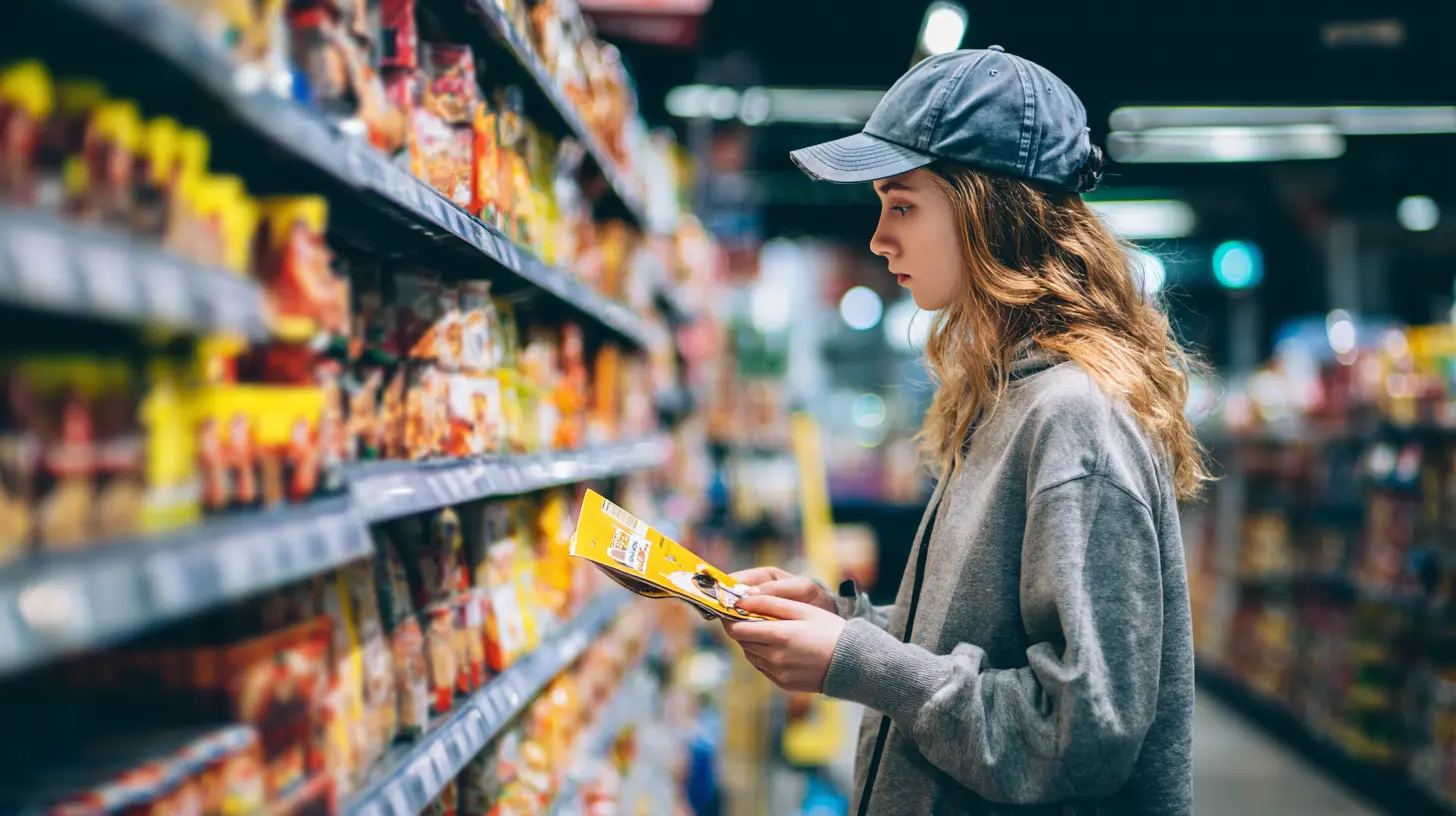
Generation Z, born roughly between the mid-1990s and early 2010s, is making waves in various sectors, and food awareness is no exception. As the first generation to grow up with the internet and social media as integral parts of their daily lives, they are uniquely positioned to influence food choices and industry standards. With a strong emphasis on health, sustainability, and ethical consumption, Gen Z is not just passively consuming food; they are actively engaging with food labels and demanding transparency from brands. This article delves into how Gen Z is revolutionizing food label awareness, examining their motivations, behaviors, and the implications for the food industry.
The Importance of Food Label Awareness
Food labels serve as a crucial point of information for consumers, detailing ingredients, nutritional values, and sourcing practices. Understanding these labels empowers consumers to make informed decisions about their health and the environment. For Gen Z, food label awareness goes beyond simple nutritional information; it encompasses broader concerns about sustainability, ethics, and health implications.The Shift Towards Health Consciousness
One of the most significant trends among Gen Z is their heightened awareness of health issues. Unlike previous generations, who may have prioritized taste or convenience, Gen Z is more inclined to scrutinize food labels for health-related information. They are particularly focused on:- Nutritional Content: Many Gen Z consumers are looking for foods that are low in sugar, high in protein, and rich in vitamins and minerals.
- Ingredient Transparency: This generation prefers products with recognizable ingredients, often avoiding artificial additives or preservatives.
- Dietary Preferences: Whether for health, ethical, or environmental reasons, many Gen Z individuals are adopting plant-based diets or reducing meat consumption, leading them to seek out labels that reflect these choices.
The Role of Sustainability
Sustainability is another critical concern for Gen Z. This generation is more aware of the environmental impact of their food choices than any before them. They are pushing brands to provide clearer information about sourcing, production methods, and environmental footprint.- Sourcing Practices: Gen Z wants to know where their food comes from. Labels that highlight local sourcing or sustainable farming practices resonate well with this demographic.
- Packaging: Eco-friendly packaging is increasingly important. Labels that indicate recyclable or biodegradable materials can influence purchasing decisions.
The Influence of Social Media
Social media plays a pivotal role in shaping Gen Z's relationship with food labels. Platforms like Instagram, TikTok, and YouTube have become vital spaces for food discussions, where influencers and peers share their experiences and opinions about products.Peer Influence and Authenticity
Gen Z values authenticity and often trusts peer recommendations over traditional advertising. When influencers showcase products and emphasize their label details, it can significantly impact their followers' perceptions and purchasing decisions.- User-Generated Content: Many brands are leveraging user-generated content to build trust. Seeing real people engage with food labels can encourage others to pay attention to similar details.
- Viral Trends: Food trends often go viral on social media, leading to increased scrutiny of the labels associated with those products. For example, a TikTok trend promoting a specific health food can lead to widespread interest, prompting consumers to investigate the label for nutritional benefits.
The Rise of Food Literacy
With social media serving as an educational platform, Gen Z is becoming more food literate. They are not only consuming content but also actively participating in discussions about food quality and health.- Informational Content: Many influencers create content that breaks down food labels, explaining what certain ingredients mean and why they matter. This demystification of food labels empowers consumers to make informed choices.
- Engagement with Brands: Gen Z is more likely to engage with brands that are transparent about their ingredients and practices. Companies that provide clear, accessible information about their products are more likely to build loyalty among this demographic.
Best Practices for Brands
To effectively engage with Gen Z, brands must adapt their strategies to align with this generation's values and preferences. Here are several best practices:Transparency is Key
Brands should prioritize transparency in their labeling. This includes:- Clear Ingredient Lists: Avoid using jargon or ambiguous terms. Use straightforward language that consumers can easily understand.
- Nutritional Information: Provide comprehensive nutritional information that is easy to read, possibly using visual cues like traffic light labeling to indicate healthiness.
Emphasize Sustainability
As sustainability is a core value for Gen Z, brands should highlight their eco-friendly practices:- Sustainable Sourcing: Clearly label sourcing practices, especially if ingredients are organic, fair trade, or locally sourced.
- Packaging Information: Indicate whether packaging is recyclable or made from sustainable materials.
Engage on Social Media
Brands should leverage social media to connect with Gen Z:- Educational Content: Share informative posts about food labels and health benefits. This not only engages consumers but also positions the brand as a knowledgeable authority.
- Collaboration with Influencers: Partner with influencers who resonate with Gen Z values to authentically reach this audience.
Common Misconceptions
Despite the growing awareness around food labels, several misconceptions persist that can lead to confusion and misguided choices."All Natural" Means Healthy
Many consumers mistakenly believe that products labeled "all natural" are automatically healthier. In reality, this label can be misleading, as it does not have a standardized definition. Brands can use it for products that contain natural ingredients, but these products may still be high in sugars or unhealthy fats.Organic Equals Healthy
While organic foods are often perceived as healthier, this is not always the case. Organic does not necessarily mean low in calories or sugars; thus, consumers should still read the nutritional information carefully.Labels are Always Trustworthy
Some consumers assume that any claims made on labels are accurate and regulated. However, not all claims are closely monitored. For instance, terms like "light" or "low fat" may not always reflect the overall healthiness of a product. It is essential to look beyond the label and evaluate the entire product.
Real-World Examples
Several brands have successfully adapted their labeling strategies to resonate with Gen Z, demonstrating the potential for positive engagement.Oatly
Oatly, a popular oat milk brand, has effectively used transparency in its labeling. They clearly list ingredients and nutritional information while also emphasizing their sustainability practices. Their playful yet informative marketing appeals to Gen Z's desire for authenticity.Beyond Meat
Beyond Meat has revolutionized the plant-based protein market by clearly outlining the health benefits and environmental impacts of their products. Their labeling emphasizes sustainability and transparency, making it easy for consumers to understand what they are buying.Chobani
Chobani has made strides in promoting transparency by providing detailed information about their sourcing and production processes. Their labels highlight the absence of artificial ingredients, which aligns with Gen Z's health-conscious mindset.Practical Advice for Consumers
As a consumer, being aware of food labels is crucial for making informed choices. Here are some practical tips:Read Beyond the Front Label
Many consumers focus only on the front of the package, which often features marketing claims. Always turn the product over to read the ingredient list and nutritional information.Look for Certifications
Certifications such as USDA Organic, Non-GMO Project Verified, or Fair Trade can provide additional assurance about the quality and sourcing of a product. However, remember that these labels should be part of a broader evaluation of the product.Be Skeptical of Buzzwords
Words like "superfood," "clean," or "healthy" can be misleading. Always verify these claims by looking at the actual ingredients and nutritional content.
Conclusion
Gen Z is undeniably transforming the landscape of food label awareness. Their focus on health, sustainability, and transparency is pushing brands to adapt and innovate. As this generation continues to grow in influence, their preferences will likely shape the future of food marketing and labeling. Brands that embrace these changes and prioritize clear, honest communication will not only capture the attention of Gen Z but also foster a more informed and health-conscious consumer base.
all images in this post were generated using AI tools
Category:
Food Label ReadingAuthor:

Holly Ellison