Fiber and Autoimmune Health: What's the Link?
17 August 2026
When it comes to autoimmune health, we often talk about inflammation, gut health, and the immune system. But what if I told you that fiber—a simple, often overlooked nutrient—could play a significant role in managing autoimmune conditions?
Yes, that’s right. Fiber isn’t just for digestion and keeping things "moving." It may actually have a profound impact on autoimmune diseases, helping to regulate the immune system, reduce inflammation, and promote gut health.
So, let’s dive into this fascinating connection between fiber and autoimmune health.

What Is Fiber, and Why Does It Matter?
Fiber is a type of carbohydrate found in plant-based foods that the body can't digest. Instead of being broken down like other nutrients, fiber moves through the digestive system, feeding good gut bacteria and supporting overall health.There are two main types of fiber:
- Soluble fiber: This dissolves in water, forming a gel-like substance in the gut. It’s found in foods like oats, beans, apples, and citrus fruits.
- Insoluble fiber: This doesn’t dissolve in water and adds bulk to stool, helping digestion. It’s found in foods like whole grains, nuts, and vegetables.
Both types of fiber are crucial for digestion, but their benefits go far beyond just keeping you regular.
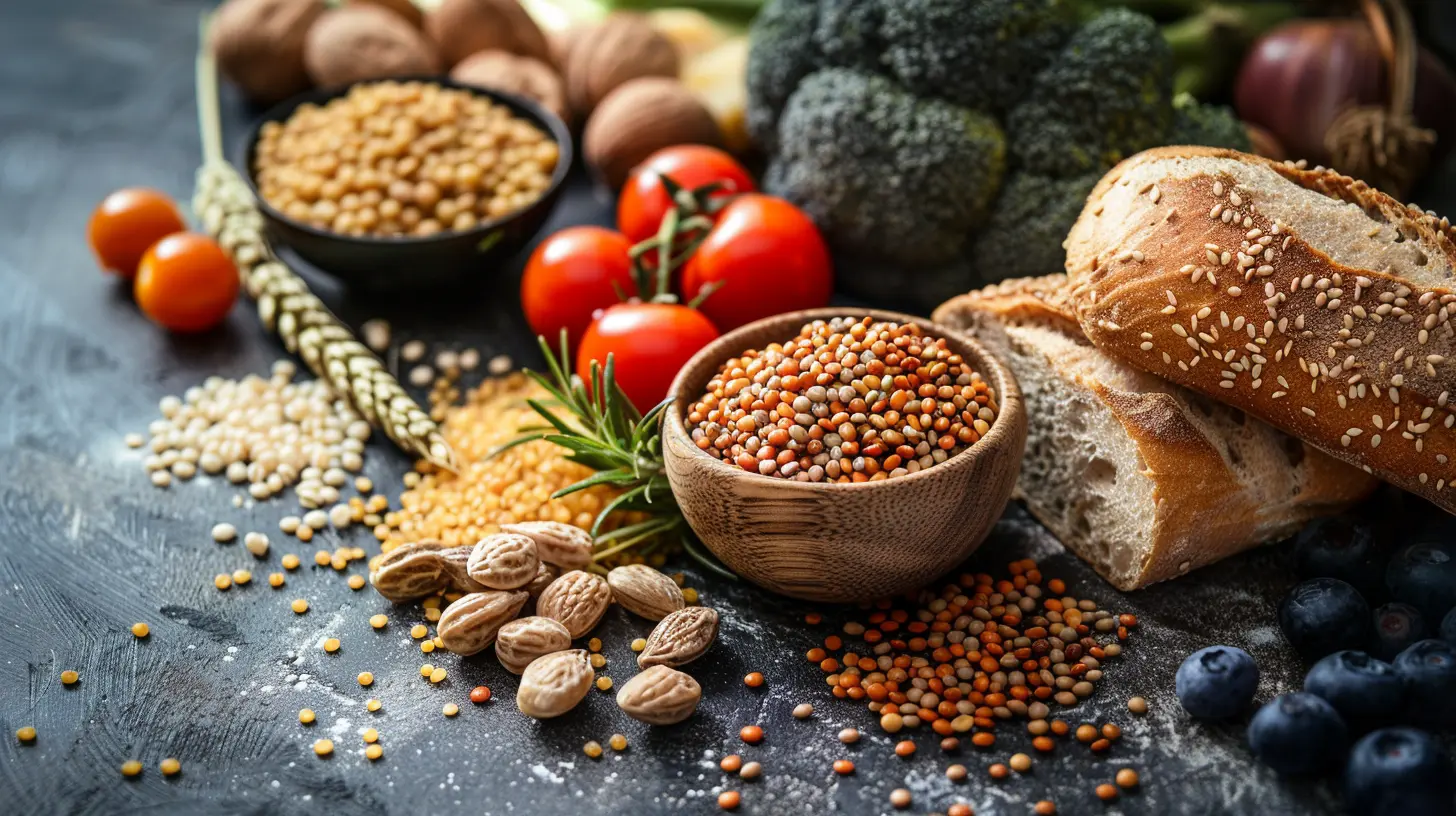
The Link Between Fiber and Autoimmune Health
1. Fiber Feeds Your Gut Microbiome
If you have an autoimmune disease, chances are you've heard about the importance of gut health. About 70% of the immune system resides in your gut, meaning what happens there directly impacts your immune response.Fiber plays a huge role in maintaining a healthy gut microbiome—the collection of trillions of bacteria in your digestive tract. How? By acting as food for beneficial gut bacteria.
When these bacteria ferment fiber, they produce short-chain fatty acids (SCFAs) like butyrate, acetate, and propionate. These SCFAs have powerful anti-inflammatory properties and help regulate the immune system, which is critical for those with autoimmune diseases.
2. Reducing Inflammation
Most autoimmune conditions—whether it’s rheumatoid arthritis, lupus, or multiple sclerosis—are driven by chronic inflammation. The body mistakenly attacks its own healthy tissues, leading to pain, swelling, and other unpleasant symptoms.A high-fiber diet helps lower inflammation in multiple ways:
- SCFAs from fiber help suppress the production of pro-inflammatory cytokines.
- Fiber promotes good gut bacteria, which can prevent harmful bacteria from triggering immune responses.
- Soluble fiber slows down the absorption of sugars, preventing blood sugar spikes that can contribute to inflammation.
Simply put, more fiber = less inflammation, which is exactly what people with autoimmune diseases need.
3. Strengthening the Gut Barrier
Ever heard of leaky gut syndrome? It's when the intestinal lining becomes overly permeable, allowing toxins, bacteria, and undigested food particles to enter the bloodstream.Leaky gut has been linked to several autoimmune diseases, including Hashimoto’s thyroiditis, celiac disease, and Crohn’s disease.
The good news? Fiber can help strengthen the gut lining. SCFAs, particularly butyrate, enhance the integrity of the gut barrier, preventing harmful substances from passing through and triggering immune responses.
4. Regulating the Immune System
Autoimmune diseases stem from an overactive immune system that mistakenly attacks the body. Regulating this excessive response is key to managing symptoms and preventing flare-ups.Fiber helps by modulating immune activity. Certain fibers, like those found in fruits, vegetables, and legumes, encourage the production of regulatory T cells—immune cells that help keep the immune system in check.
Additionally, fiber-rich diets have been shown to increase the diversity of gut bacteria, which is crucial for balanced immune function. The more diverse your gut microbiome, the better your immune system can distinguish between harmful invaders and your own cells.
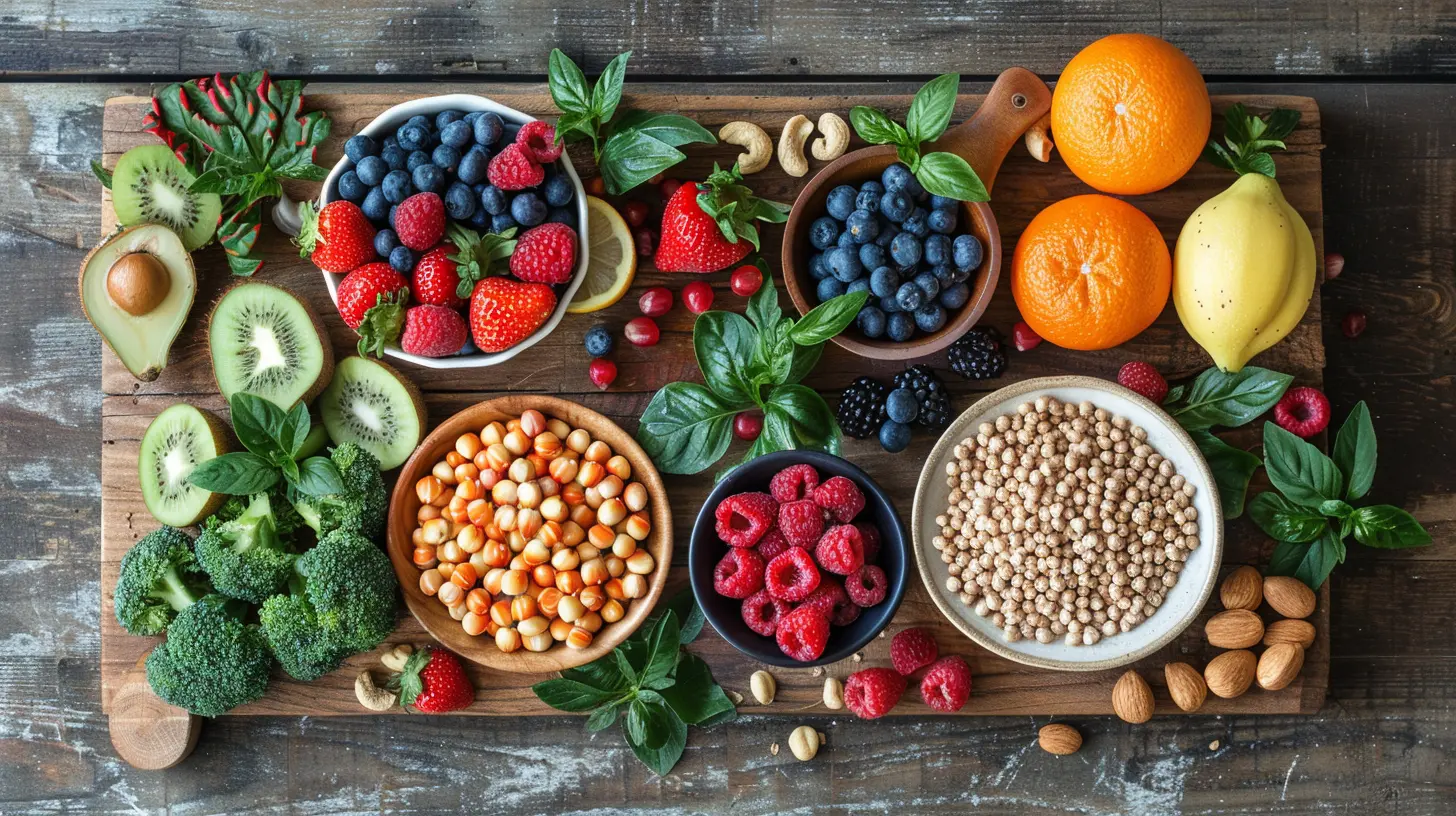
Best Fiber-Rich Foods for Autoimmune Health
Not all fiber is created equal. If you’re looking to support your autoimmune health, focus on whole, natural sources of fiber, rather than processed foods with added fiber. Here are some of the best options:1. Fruits and Vegetables
- Berries (blueberries, raspberries, strawberries)- Apples (with the skin)
- Leafy greens (spinach, kale, Swiss chard)
- Cruciferous vegetables (broccoli, Brussels sprouts, cauliflower)
2. Whole Grains
- Quinoa- Oats
- Brown rice
- Buckwheat
3. Legumes
- Lentils- Chickpeas
- Black beans
- Kidney beans
4. Nuts and Seeds
- Chia seeds- Flaxseeds
- Almonds
- Walnuts
A Note on Gluten and Autoimmune Conditions
If you have a gluten-related autoimmune condition (like celiac disease or Hashimoto’s thyroiditis), you may need to be cautious with wheat, barley, and rye, as they contain gluten and can trigger inflammation. Instead, opt for gluten-free fiber sources like quinoa, brown rice, and sweet potatoes.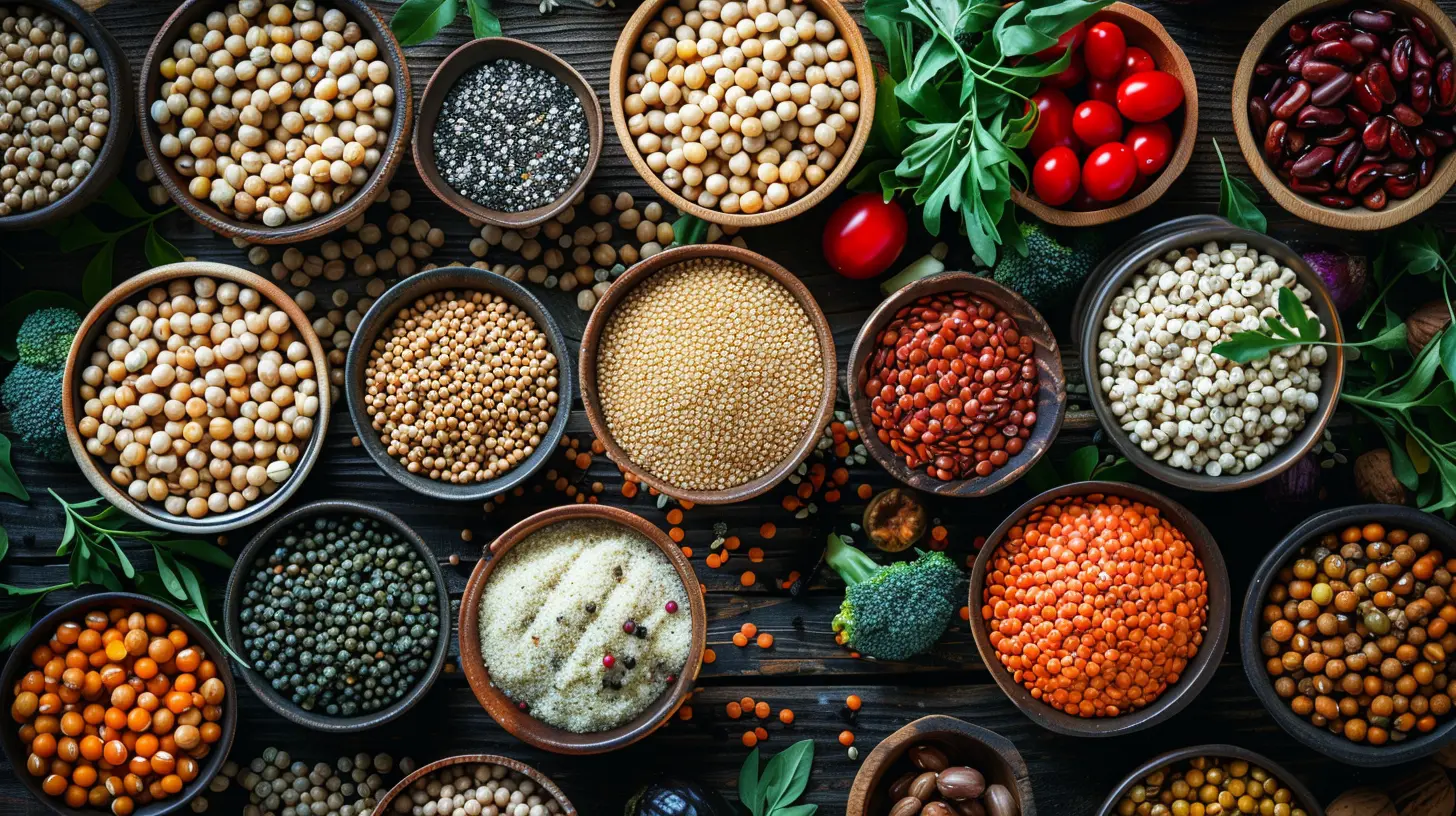
How to Increase Fiber Without Causing Digestive Issues
If you're not used to eating a fiber-rich diet, suddenly increasing your intake can lead to bloating, gas, and digestive discomfort. Here’s how to do it the right way:1. Increase fiber gradually – Don’t go from 10g to 40g overnight! Slowly add more fiber-rich foods to your diet.
2. Drink more water – Fiber absorbs water, so staying hydrated helps prevent constipation.
3. Eat a variety of fiber sources – Mix soluble and insoluble fibers to balance digestion.
4. Listen to your body – If you feel bloated or uncomfortable, adjust your intake accordingly.
Can Fiber Completely Cure Autoimmune Diseases?
I wish it were that simple, but autoimmune diseases are complex and influenced by genetics, environment, diet, and lifestyle. While fiber alone won’t cure autoimmune conditions, it can be a powerful tool in managing symptoms and improving overall health.Think of it like maintaining a car. You can’t just change the oil and expect everything to run perfectly—you also need to check the tires, brakes, and engine. Similarly, managing an autoimmune condition requires a holistic approach, including:
- A nutrient-rich diet (full of fiber, healthy fats, and protein)
- Regular exercise (low-impact activities like yoga, walking, and swimming)
- Good sleep hygiene (7-9 hours of quality sleep per night)
- Stress management (meditation, deep breathing, therapy)
When combined with these healthy habits, fiber can make a real difference in how you feel.
Final Thoughts
Fiber isn’t just about digestion—it’s a game-changer for autoimmune health. From feeding good gut bacteria to reducing inflammation and strengthening the immune system, fiber plays a crucial role in supporting the body’s natural defenses.If you have an autoimmune condition, adding more fiber-rich foods to your diet could be one of the easiest (and most natural) ways to feel better. Just remember to start slow, stay hydrated, and listen to your body.
Your gut—and your immune system—will thank you for it.
all images in this post were generated using AI tools
Category:
Fiber Rich DietAuthor:

Holly Ellison
Discussion
rate this article
1 comments
Phaedra McMaster
This article highlights the intriguing connection between fiber intake and autoimmune health, suggesting dietary adjustments could play a crucial role in management.
August 17, 2026 at 4:13 PM
Holly Ellison
Thanks for your insightful comment! I believe dietary changes can indeed make a significant difference in managing autoimmune conditions.