Why Rest Days are Crucial for Weight Training Success
27 July 2026
Let’s be honest — when you’re hitting the gym consistently, pushing your limits, and seeing those gains, the last thing you want to hear is, “Take a day off.” I get it. You feel like resting might slow you down or undo your hard work. But here’s the deal — rest days are not just for lazy people. In fact, they’re essential to your progress in weight training. If you’re chasing strength, muscle growth, fat loss, or just overall wellness, skipping your rest days could actually hold you back.
In this article, we’ll break down why rest days aren’t just helpful — they’re non-negotiable for weight training success. So, if you’ve ever had that guilty feeling booking a rest day, let’s flip the script and turn it into a power move.
What Really Happens When You Lift Weights?
Before we dive into the importance of rest days, it’s crucial to understand what's happening when you train.Every time you lift weights, you're creating tiny tears in your muscle fibers. Sounds scary? Don’t worry — that’s the goal! These micro-tears are what trigger your body to repair and rebuild those muscles, making them stronger and bigger over time.
But here’s the kicker: the repairing and growth don’t happen while you’re lifting. They happen afterwards — during the recovery phase.
So, if you keep attacking your muscles without giving them the downtime they need, they never properly heal. That means… no real gainz, bro.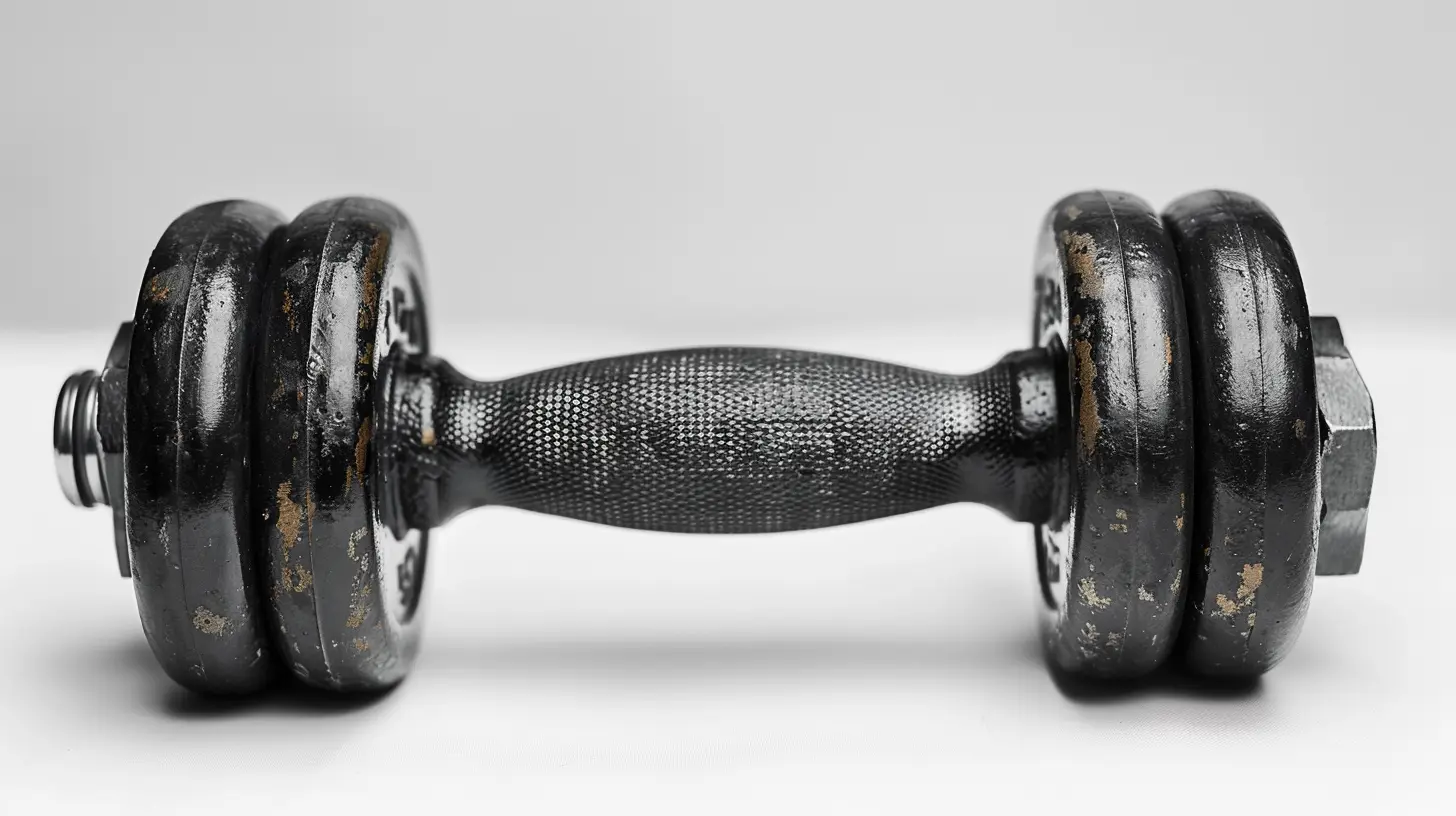
Rest = Recovery = Results
Let’s break it down into a simple equation:Rest + Recovery = Results
The more intense your workouts are, the more important it becomes to give your body the time and tools it needs to recover.
Rest days are not you being lazy. They’re you being strategic.
Want to lift heavier? Get stronger? Look leaner? Feel more energized?
Then those rest days are just as important as your squats and deadlifts.
The Science Behind Rest Days
Alright, let’s get into the nitty-gritty.When you train with weights, your body goes through a few key processes:
- Muscle Breakdown: Weight training triggers small-scale trauma (microtears) in the muscle tissue.
- Hormonal Response: Exercise spikes stress hormones like cortisol and also increases anabolic hormones like testosterone and growth hormone.
- Inflammation: Your body sends nutrients and blood to the damaged areas to begin the healing process.
So where does rest come in?
When you rest — especially with enough sleep, hydration, and good nutrition — your body shifts into “repair mode.” This is where muscles rebuild bigger and stronger, your hormonal balance levels out, and inflammation reduces.
If you don’t rest, you interrupt this whole process. Eventually, it backfires — leading to fatigue, soreness, burnout, or even worse… injury.
Burnout Is Real — And It Sucks
Let’s talk about something no one wants to experience: overtraining syndrome.Overtraining doesn’t just make you physically tired — it wrecks your motivation, your mood, and your progress. You might start feeling:
- Constant fatigue
- Lower performance, even though you’re training more
- Increased soreness and longer recovery time
- Sleep issues
- Mood swings, irritability, even depression
- High resting heart rate
- Getting sick more often
Sound familiar? That’s your body begging for a break.
Rest days help you avoid hitting this wall and keep your training sustainable and exciting, not something that becomes a chore.
Gains Are Made When You Sleep (Literally)
If you’re someone who thinks rest just means “not going to the gym,” let’s take it a step further. Quality sleep is a huge part of your rest and recovery.While you're snoozing, your body goes full hustle mode:
- Muscle tissues repair and grow
- Growth hormones are released
- Cognitive function resets
- Your nervous system recovers from the stress of training
So, if you’re training like a beast but sleeping like a sloth, your body’s going to have a hard time bouncing back.
Aim for 7–9 hours per night — consider it as important as your workout plan, not an afterthought.
Rest Days Improve Performance
Here’s a wild truth: taking time off from the gym actually helps you perform better when you return.How so?
When you rest, you:
- Replenish glycogen stores (your muscles’ fuel tank)
- Improve muscle coordination and balance
- Reduce muscle fatigue
- Enhance mental focus and motivation
So when you hit your next workout after a legit rest day, you feel sharp, strong, and capable of pushing harder than before. That’s how progress is made.
Think of it like charging your phone. You don’t expect 100% battery if you’re always unplugged, right? Your body works the same way. Plug in (rest), recharge, and come back fully powered up.
Rest Days Help Prevent Injuries
Let’s keep it real… No one wants to sit on the sidelines nursing an injury.One of the fastest ways to end up hurt is by training fatigued, with poor form, or ignoring the body’s warning signs. Skipping rest days increases the risk of:
- Muscle strains and tears
- Tendonitis
- Joint issues
- Stress fractures
Your body has limits. It whispers first, then it screams. If you listen early (by resting), you avoid the scream (aka injury).
You want to train for life, right? Not for six months until your shoulder gives out. Rest today to lift tomorrow.
Mental Benefits of Rest Days
Let’s not ignore the mental side of things.Weight training can be intense — physically and emotionally. It requires focus, discipline, and grit. Over time, pushing yourself too hard without breaks can lead to mental burnout just as much as physical.
Rest days allow you to:
- Reset your motivation
- Reduce stress
- Clear your mind
- Maintain balance in life
- Enjoy other hobbies or social time
Remember, fitness isn’t just about being strong physically — it’s about building a life you love. Taking time off gives you mental clarity so you can train with better focus and passion.
What Should a Rest Day Look Like?
Now, rest doesn’t always mean laying on the couch bingeing Netflix all day (though, hey, sometimes that’s needed too).There are two types of rest days:
1. Complete Rest Days
These are your full recovery days. No workouts, just pure relaxation. Your body is still working behind the scenes to rebuild muscle and nervous system function.Perfect on days when you feel super sore, fatigued, or mentally drained.
2. Active Recovery Days
These are lighter, low-intensity days where you stay moving but don't stress the body.Examples:
- Light walk or hike
- Gentle yoga or stretching
- Foam rolling and mobility work
- Swimming or cycling at low intensity
Active recovery gets the blood flowing, helping with muscle soreness and stiffness — without adding extra stress.
The key here is to gauge how your body feels. Not every day has to be max effort.
How Often Should You Take Rest Days?
Great question — and the answer depends on you.Some general guidelines:
- Beginners: 2–3 rest days per week, especially if your muscles are sore
- Intermediate lifters: 1–2 rest days per week
- Advanced athletes: Even the pros rest once a week or more during intense cycles
Listen to your body. If your workouts are suffering, your mood is off, or your body starts to ache in weird ways — it’s time for a rest.
You’re not “falling behind” by taking breaks. You’re ensuring the journey lasts.
Rest Days Are Part of the Plan, Not a Disruption
Let’s shift the mindset. Rest days are not an obstacle to overcome. They’re part of what makes your weight training successful.Strength isn’t built in the gym. It’s built in the recovery.
So next time you schedule your week, don’t just plan your workouts — plan your recovery too. Book that rest day, guilt-free, and know that you’re making a smart move for long-term health and strength.
Final Thoughts
Pushing hard in the gym is only half the story. The other half? Knowing when to step back and let your body catch up. That’s not weakness — that’s wisdom.So whether you're training for aesthetics, performance, or just to feel better in your own skin, rest days are your secret weapon. Not your setback.
Trust the process. Train smart. Recover hard. That’s the winning formula.
### You've earned that rest day — take it like a boss
all images in this post were generated using AI tools
Category:
Weight TrainingAuthor:

Holly Ellison
Discussion
rate this article
1 comments
Lennox McFarland
Rest days are vital for recovery and progress. Embrace them for better results... Enjoy!
July 28, 2026 at 4:49 AM
Holly Ellison
Absolutely! Rest days are key to muscle recovery and growth. Embrace them for optimal results. Thank you for your support!