'In Good Health': Why Is Colorectal Cancer Affecting Generations Differently?
March 20, 2026 - 02:32

A startling generational shift is underway in the fight against colorectal cancer. While rates have declined significantly in adults over 65, diagnoses in younger people are soaring. Data reveals a nearly 60 percent increase in cases among the young since the early 2000s, with the disease now ranking as the deadliest cancer for Americans under the age of 50.
This disparity is profound. Research indicates that an individual born around 1990 faces four times the risk of developing rectal cancer compared to someone born around 1950. The reasons behind this alarming trend are complex and not yet fully understood, prompting urgent questions from the medical community and the public alike.
Experts point to a combination of potential factors driving this change. Shifts in diet, lifestyle, environmental exposures, and even changes in gut bacteria are all areas of active investigation. The dramatic decrease in older adults is largely attributed to widespread screening, such as colonoscopies, which can prevent cancer by removing precancerous polyps.
This new reality underscores a critical message for younger generations: listen to your body. Symptoms like persistent changes in bowel habits, rectal bleeding, unexplained abdominal pain, or unintended weight loss should not be ignored due to age. While the exact causes are being studied, maintaining a healthy weight, eating a diet rich in fiber, limiting processed meats and alcohol, and avoiding tobacco are recommended proactive steps for gut health. Open dialogue with a healthcare provider about personal risk and timely screening is paramount, regardless of age.
MORE NEWS

September 17, 2026 - 01:50
Most Americans Report Feeling Completely Exhausted, CDC Data ShowsA new report from the Centers for Disease Control and Prevention reveals that a striking majority of adults in the United States are not getting the rest they need. According to the findings, 71...

September 16, 2026 - 13:29
Mental Health Support Gap Widens for At-Risk TeensNew research from the University of Cambridge reveals that adolescents dealing with significant adversity are facing a steep decline in access to mental health services, even as their need for...
September 15, 2026 - 17:48
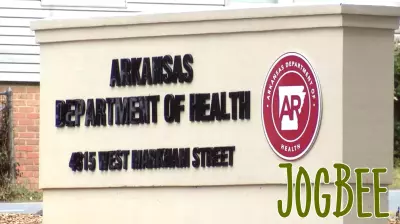
Arkansas Health Department Cuts Dozens of Jobs Before Year's EndThe Arkansas Department of Health has confirmed it will eliminate dozens of positions before the end of the year, pointing to what officials describe as budget priorities. The reductions affect...

September 15, 2026 - 01:04
Health Insurance Costs Set to Rise Again in 2027Health insurance costs are rising so fast they could eat into workers` paychecks next year, according to a survey of 1,800 U.S. employers. This marks the fifth consecutive year of significant...