$1.4 billion in projected health harms triggers backlash over Wisconsin gas-fired plants for data centers
August 14, 2026 - 18:08
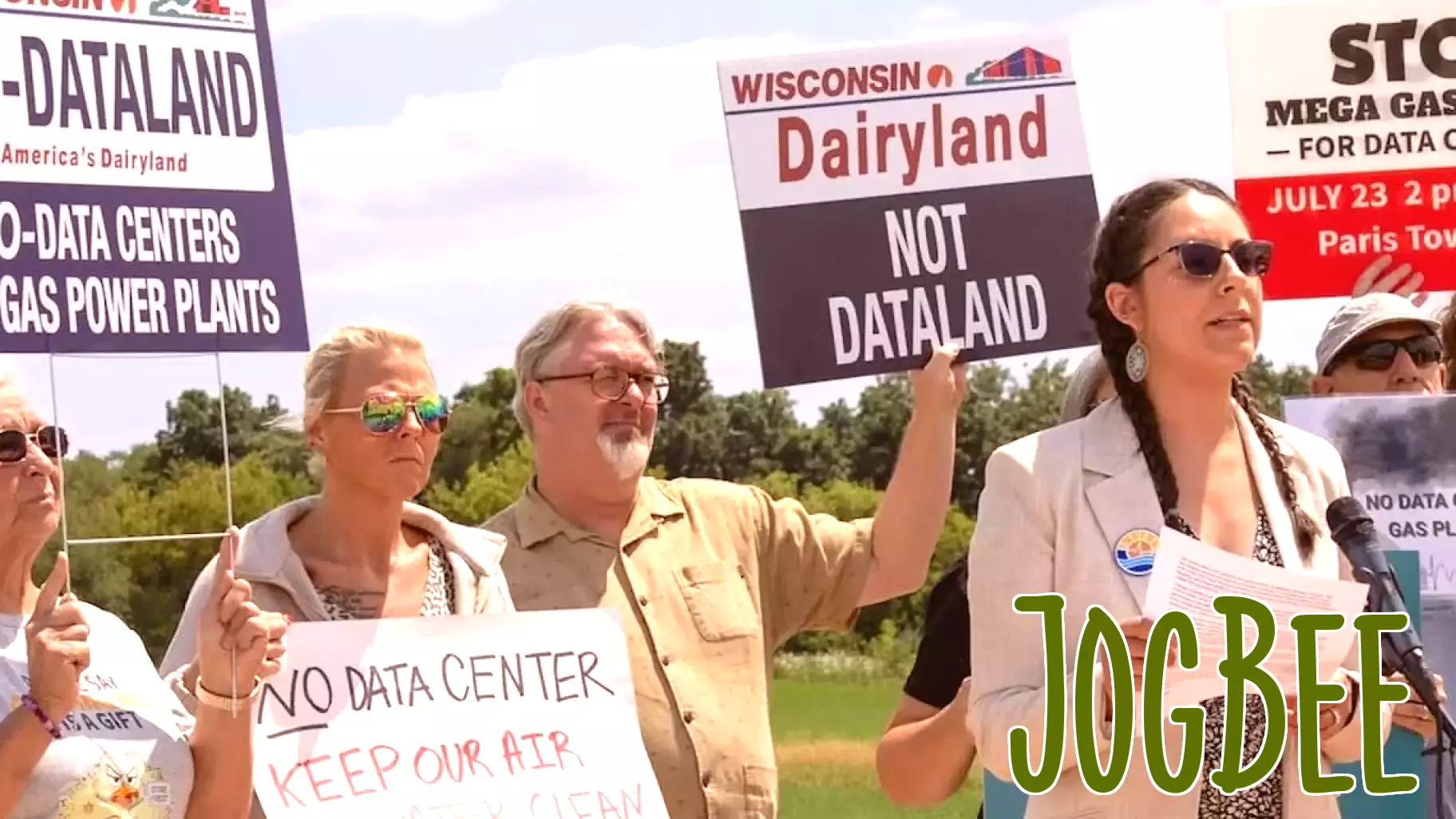
A growing coalition of environmental and public health groups is challenging the approval of two large natural gas-fired power plants in Wisconsin, pointing to a state analysis that projects up to $1.4 billion in long-term health and environmental damages. The facilities, designed to supply electricity to data centers, have sparked a debate about who bears the true cost of the state's digital economy boom.
The contested projects, located near the communities of Paris and Darien, would generate over 1,000 megawatts combined. According to the Wisconsin Department of Natural Resources, the plants would release thousands of tons of nitrogen oxides, sulfur dioxide, and fine particulate matter each year. These pollutants are linked to asthma attacks, cardiovascular disease, and premature death.
"These pollutants don't stay inside a fence line," said one clean energy advocate during a public hearing. "They drift into schools, farms, and neighborhoods." The $1.4 billion figure, calculated using federal guidelines on the social cost of pollution, represents the estimated cumulative harm over the plants' 30-year lifespan.
Opponents argue that the state's energy planning process has been rushed to meet the urgent power demands of large tech companies, bypassing a full review of alternatives like solar, wind, and battery storage. They also point out that the plants would lock in fossil fuel use for decades, undermining Wisconsin's goal of carbon-free electricity by 2050.
Supporters, including some local business groups and the utilities behind the projects, counter that the plants are necessary for grid reliability and job creation. They note that the facilities would use modern turbines with lower emission rates than older coal units and would provide backup power when renewables are not available.
The state's Public Service Commission is expected to issue a final decision within the next two months. Meanwhile, the health groups have filed a formal petition asking regulators to reconsider the permits, citing the projected health burden. They are also urging the commission to require the utilities to pay for community health monitoring near the plant sites. The outcome could set a precedent for how other states balance data center growth against public health costs.
MORE NEWS

September 29, 2026 - 04:53
UConn Health Starts Advanced CAR-T Cell Therapy ProgramUConn Health has launched a new CAR-T cell therapy program, bringing a potentially lifesaving treatment for certain blood cancers closer to patients in Connecticut and the surrounding...

September 28, 2026 - 06:45
Baptist Health to Host Series of Blood DrivesBaptist Health has announced a schedule of upcoming blood drives aimed at addressing a critical shortage in the regional blood supply. The health system is urging community members to step forward...

September 27, 2026 - 19:19
Improving Mental Health Care Access for Latino CommunitiesDuring Hispanic Heritage Month, the Gandara Center is drawing attention to the critical role that cultural representation and language access play in addressing mental health needs within Latino...

September 27, 2026 - 16:01
Abu Dhabi Global Health Effort Draws Ministers to New York SummitMinisters, senior government officials, and leaders from the international health sector gathered in New York this week for a high level meeting organized under the banner of Future Health, an...