Why “Natural” Doesn’t Always Mean Healthy
26 September 2026
Walk down any grocery aisle and you will see the word "natural" printed on packaging in friendly, earthy fonts. It appears on cereal boxes, shampoo bottles, supplement jars, and pet food bags. For most shoppers, it signals safety, purity, and something closer to what our ancestors ate or used. That instinct is understandable. It is also frequently wrong.
The word "natural" is one of the most powerful marketing terms in existence precisely because it is so vague. It taps into a deep cultural belief that things from nature are gentle and things made in laboratories are suspect. Sometimes that belief holds up. Often it does not. Nature is not a wellness brand. It is a vast chemical system that includes some of the most toxic substances known to science, alongside many of the most beneficial.
Understanding where the natural label helps and where it misleads is not about defending synthetic chemicals or dismissing traditional wisdom. It is about making decisions based on evidence rather than aesthetics. This article breaks down what "natural" actually means, why the label persists, where it fails, and how to think more clearly about the products you use and consume.
What "Natural" Actually Means on a Label
In most countries, "natural" is not a regulated health claim. In the United States, the Food and Drug Administration has no formal definition for the term when used on food packaging, aside from a loose policy stating it should mean nothing artificial or synthetic has been added. That policy is not consistently enforced. On cosmetics and personal care products, the situation is even looser. A shampoo can contain synthetic preservatives and still call itself natural if some plant extract appears in the ingredient list.This regulatory gap creates a wide space for interpretation. A product labeled natural might contain 95 percent synthetic ingredients by weight. It might contain only botanical compounds. There is no way to know from the front of the package alone.
Compare this to terms like "organic," which in many countries carries legal weight and requires certification. Organic certification involves inspections, record keeping, and defined limits on pesticide use. "Natural" requires none of that. It is a word, not a standard.
The Difference Between Natural, Organic, and Clean
These three terms get used interchangeably in conversation, but they mean different things.Natural generally refers to the origin of an ingredient. Something derived from a plant, mineral, or animal source is considered natural. This says nothing about how it was processed, how toxic it is, or whether it was grown with pesticides.
Organic refers to how an ingredient was produced. Organic farming restricts synthetic pesticides and fertilizers. Organic certification is a process with rules and audits. An organic ingredient can still be processed heavily. A natural ingredient can be grown with heavy chemical inputs.
Clean is almost entirely a marketing term. It has no legal definition in most jurisdictions. It typically implies the absence of certain ingredients that consumers have been taught to fear, such as parabens, sulfates, or artificial colors. The list of excluded ingredients varies by brand and often reflects consumer sentiment more than scientific consensus.
Understanding these distinctions matters because they shape purchasing decisions. If you buy a product because it says natural, you may be responding to a word that carries no guarantee. If you buy organic, you are at least getting a verified production standard, though not necessarily a safer or more effective product.
Why We Trust Nature So Much
The bias toward natural things is not irrational. It has deep evolutionary roots. For most of human history, people learned which plants healed and which killed through direct experience. Avoiding unfamiliar substances was a survival strategy. That instinct persists even in a world where we can test compounds in laboratories and know exactly what they do.There is also a legitimate critique of industrial food and chemical production. The twentieth century brought synthetic pesticides, food additives, and pharmaceutical disasters that eroded public trust. Thalidomide, Agent Orange, and various food contamination scandals taught people that "synthetic" does not automatically mean safe either. The natural label grew partly as a response to real failures of industrial science.
Then there is the appeal to tradition. If people have used a remedy for centuries, the thinking goes, it must work. Sometimes that is true. Willow bark contains salicin, which led to aspirin. Artemisinin, a powerful antimalarial, comes from a plant used in Chinese medicine for centuries. But tradition is not proof. Bloodletting was practiced for thousands of years and killed countless people. The length of a tradition says nothing about its validity.
Finally, natural products often feel more personal and less corporate. Buying a jar of raw honey from a local farm feels different from buying a bottle of processed syrup. That emotional connection is real and can be valuable. It just should not be confused with evidence of safety or efficacy.

When Natural Is Genuinely Better
It would be dishonest to claim that natural products are never superior. In many cases, they are. The key is understanding when and why.Nutrient Density in Whole Foods
Whole foods like vegetables, fruits, legumes, and whole grains contain fiber, vitamins, minerals, and phytonutrients in combinations that are difficult to replicate in a pill. The synergy between these compounds matters. For example, the fiber in an apple slows sugar absorption, and the polyphenols in the skin have antioxidant effects. An apple-flavored supplement with added vitamin C is not the same thing.This is a case where natural wins not because of some mystical property but because food matrices are complex and our understanding of them is incomplete. When you eat a whole food, you get thousands of compounds working together. When you take an isolated nutrient, you get one or two.
Fewer Additives in Some Products
Some natural personal care products avoid synthetic preservatives, fragrances, and dyes that can trigger allergies or irritation in sensitive individuals. For someone with contact dermatitis, a fragrance-free, plant-based moisturizer may genuinely be a better choice than a conventional one loaded with synthetic perfume.That said, natural preservatives exist too, and some of them, like certain essential oils, can be just as irritating as synthetic alternatives. The absence of synthetic ingredients does not guarantee the absence of problems.
Environmental Considerations
Natural and organic products often have lower environmental impacts in terms of pesticide runoff, soil health, and biodiversity. This is a legitimate reason to choose them. It is also a separate issue from personal health. A product can be better for the planet and no safer for your body.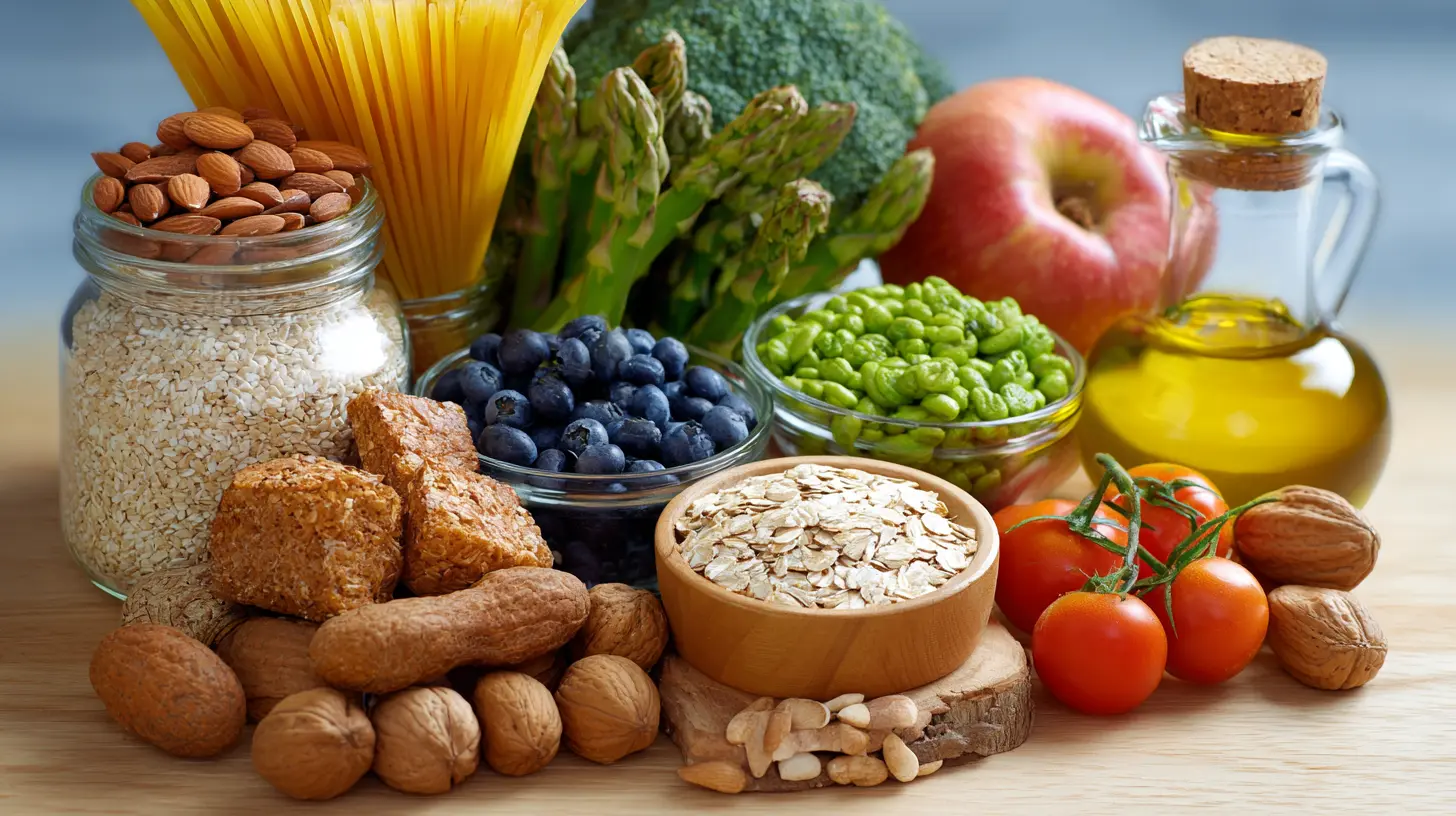
When Natural Becomes Dangerous
Here is where the natural fallacy causes real harm. The assumption that natural equals safe has led people to ingest, apply, and inhale substances that are genuinely toxic.Poisonous Plants and Herbs
Many plants produce chemicals specifically to deter herbivores. These compounds can be deadly to humans. Comfrey, for example, contains pyrrolizidine alkaloids that can cause liver damage. Kava, a traditional Pacific Island beverage, has been linked to liver toxicity in some preparations. Even something as common as nutmeg contains myristicin, which can cause hallucinations and seizures in large doses.The fact that a plant grows from the ground says nothing about whether it is safe to consume. Arsenic is natural. So is lead. So is mercury. So is ricin, one of the most potent toxins known, which comes from castor beans.
Essential Oils and Skin Reactions
Essential oils are concentrated plant extracts. They are natural by any definition. They are also potent. Lavender oil, tea tree oil, and citrus oils can cause allergic contact dermatitis. Some oils are phototoxic, meaning they react with sunlight to burn the skin. Others, like wintergreen oil, contain methyl salicylate, which can be toxic if absorbed in large amounts.People often apply essential oils undiluted because they trust the natural label. That trust can lead to chemical burns, rashes, and in rare cases, systemic toxicity.
Natural Does Not Mean Safe for Everyone
Even genuinely beneficial natural substances can be harmful in certain contexts. Grapefruit interacts with dozens of medications by affecting liver enzymes. St. John's wort, a popular herbal antidepressant, reduces the effectiveness of birth control pills and can cause dangerous interactions with other drugs. Ginkgo biloba can increase bleeding risk.These are not obscure edge cases. They are common scenarios that pharmacists and doctors deal with regularly. The natural label does not warn you about any of them.
The Dose Makes the Poison
A core principle of toxicology is that any substance can be harmful depending on the dose. Water is natural and essential, but drinking too much too quickly can kill you. Oxygen is natural and necessary, but high concentrations over time damage the lungs.This principle applies to both natural and synthetic substances. The question is never simply "is it natural?" but "how much, in what form, and for whom?"
Vitamin C is a good example. It is natural, essential, and generally safe. But megadoses can cause digestive upset and, in people with certain conditions, kidney stones. Beta-carotene is natural and found in carrots. In supplement form, high doses have been associated with increased lung cancer risk in smokers. The natural source and the isolated supplement behave differently.
Common Misconceptions About Natural Products
Several myths persist around natural products. Addressing them directly can help clarify thinking.Myth: If It Is Natural, It Has No Side Effects
Every substance that has an effect has potential side effects. Herbs and plants are not exempt. They contain active compounds that interact with the body. That is why they can work. It is also why they can cause harm.Myth: Natural Products Are Always Gentler
Some are. Chamomile tea is generally soothing. But others are harsh. Capsaicin, the compound that makes chili peppers hot, is natural and intensely irritating. Poison ivy is natural and causes severe reactions. Gentleness is a property of specific substances, not of naturalness itself.Myth: Our Ancestors Lived Longer Because They Ate Natural Food
Life expectancy in preindustrial societies was far lower than it is today, largely due to infectious disease, childbirth complications, and malnutrition. Diet was one factor among many. Romanticizing the past obscures the real progress that public health, sanitation, and medicine have made.Myth: Synthetic Chemicals Are Always Foreign to the Body
The body does not distinguish between molecules based on their origin. It responds to structure and concentration. Vitamin C from an orange and vitamin C synthesized in a lab are chemically identical. The body treats them the same way. What differs is the context, the accompanying compounds, and the dose.How to Evaluate Natural Claims
Rather than rejecting or accepting natural products wholesale, a more useful approach is to evaluate them case by case. Here are practical steps.Read the Ingredient List, Not the Front Label
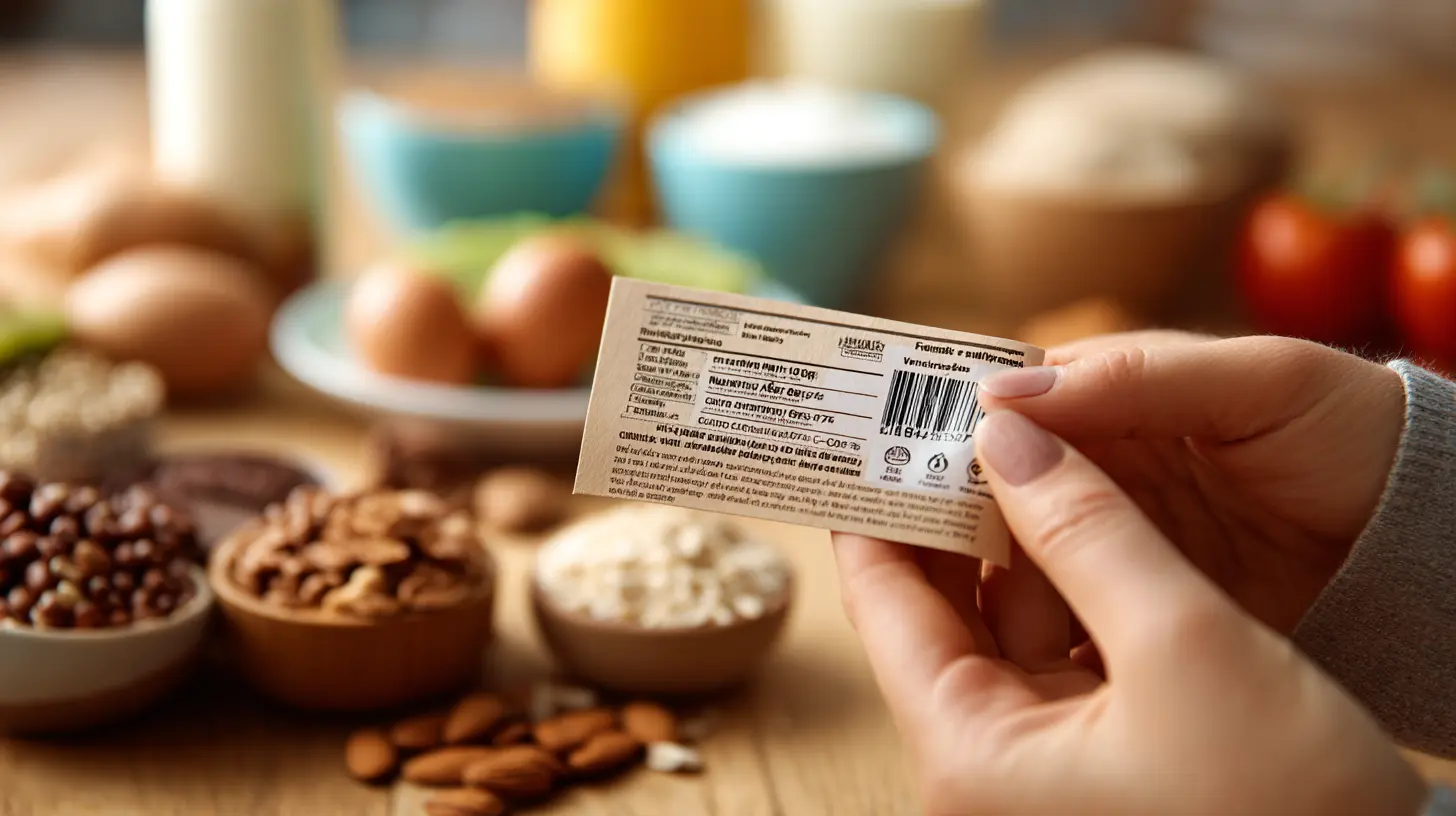
The front of the package is marketing. The ingredient list is information. Look for specific names rather than vague terms like "botanical blend" or "natural flavor." If a product claims to be natural but lists synthetic preservatives, you now know what you are getting.Check for Third-Party Certifications
Certifications like USDA Organic, EU Organic, or NSF Certified are verifiable. They require documentation and inspections. A product that carries one of these has met a defined standard. A product that simply says "natural" has met no standard at all.Research Specific Ingredients
If you are considering an herbal supplement or a natural remedy, look for evidence. Has it been studied? At what doses? In what populations? Are there known interactions with medications you take? Reliable sources include peer-reviewed journals, government health agencies, and reputable medical institutions.Talk to a Professional
Pharmacists and doctors are trained to assess interactions and side effects. If you are taking medication or have a health condition, run natural products by them before using them. This is not about distrusting nature. It is about being smart.Be Skeptical of Absolutes
Any product that claims to be completely safe, completely natural, or completely free of side effects is overselling. Reality is more nuanced. Good products come with honest information about what they do and do not do.
Real-World Examples Worth Knowing
Abstract principles become clearer with concrete cases. Here are a few.Raw Milk
Raw milk is natural in the sense that it has not been pasteurized. Some people believe it has superior nutritional value or digestive benefits. The trade-off is real: raw milk can carry dangerous bacteria like Salmonella, E. coli, and Listeria. Pasteurization was introduced precisely because these infections were common and sometimes fatal. For most people, the risks of raw milk outweigh the purported benefits. For some, the choice is a matter of personal preference and risk tolerance. Either way, the natural label does not erase the bacterial risk.Herbal Supplements
The supplement industry is lightly regulated in many countries. A bottle of echinacea or ginseng may contain the herb, a related species, or no herb at all. Contamination with heavy metals, pesticides, or prescription drugs has been documented in various studies. Natural does not mean pure. It means unregulated in many cases.Cosmetics and Skin Care
The clean beauty movement has pushed many brands to remove certain synthetic ingredients. Some of these removals are based on solid science, such as avoiding known irritants. Others are based on fear rather than evidence, such as the removal of parabens, which are among the most studied and safest preservatives available. Removing parabens often means replacing them with less studied or more irritating alternatives. The result can be a product that is marketed as cleaner but is actually more likely to cause problems.Food Additives
Not all food additives are synthetic, and not all synthetic additives are harmful. Citric acid, for example, is natural and widely used. Sodium benzoate is synthetic and generally recognized as safe at regulated levels. The additive's origin tells you little about its safety. The dose and the individual's sensitivity matter more.A Balanced Approach
None of this means you should ignore natural products. It means you should think about them clearly.Natural foods like vegetables, fruits, nuts, and legumes are the foundation of a healthy diet. Natural personal care products can be excellent for sensitive skin. Natural remedies sometimes work, and traditional knowledge has value.
At the same time, natural does not automatically mean safe, effective, or better. Some natural substances are dangerous. Some synthetic ones are lifesaving. The origin of a compound is one data point among many.
The most useful mindset is curiosity combined with skepticism. Ask what the evidence says. Ask what the risks are. Ask who benefits from the claim. Ask what the alternatives are. These questions will serve you better than any label.
Making Better Decisions
If you take one thing from this article, let it be this: the word "natural" is a starting point for a conversation, not a conclusion. It tells you something about a product's marketing, not its safety or effectiveness.A more reliable approach is to focus on what is actually in the product, how it was produced, what the evidence says about it, and how it fits your personal situation. That is more work than reading the front of a package. It is also more likely to lead to good outcomes.
Nature is not a brand. It is not inherently benevolent. It is a complex system that includes both medicine and poison, often in the same plant. Respecting that complexity means moving beyond simple labels and toward informed choices.
The next time you see "natural" on a label, let it prompt a question rather than answer one. That shift in thinking is small but powerful. It puts you in charge of your own health decisions instead of leaving them to a marketing department.
all images in this post were generated using AI tools
Category:
Food Label ReadingAuthor:

Holly Ellison