What Nutritionists Say About Cutting Sugar in 2027
4 September 2026
Sugar has been cast as public health enemy number one for over a decade now. But the conversation in 2027 has shifted in ways that surprise even long-time practitioners. It is no longer about simple demonization or blanket bans. The most credible nutritionists have moved past the "sugar is poison" rhetoric toward a more precise, individualized, and psychologically realistic approach. This article unpacks what leading voices in the field actually recommend today, why the old advice failed, and how you can navigate a food environment that is still saturated with sweetness without losing your mind or your metabolic health.

The End of the All-or-Nothing Era
For years, the dominant message was binary: either you quit sugar completely or you failed. Nutritionists watched clients cycle through strict no-sugar challenges, experience dramatic initial results, then crash hard within three to six months. The rebound effect was so predictable that many clinicians began to question whether the strict approach was causing more harm than good.By 2027, the consensus among practicing dietitians and researchers is that rigid abstinence does not work for most people. The brain's reward pathways do not respond to deprivation with quiet compliance. They respond with heightened craving and preoccupation. This is not a character flaw. It is neurobiology. When you tell yourself you can never have something again, that thing becomes more salient, not less.
The current best practice is what many now call structured flexibility. You decide ahead of time when sugar will appear in your life, in what forms, and in what amounts. Then you stick to that plan without treating every deviation as a moral failure. Nutritionists report that clients who adopt this framework maintain their dietary changes far longer than those who attempt total elimination.
Why the 2027 Guidance Differs from 2017 Advice
Ten years ago, the focus was almost entirely on added sugar grams and the glycemic index. The assumption was that all sugars behave similarly once ingested. That assumption has been refined considerably.Modern nutrition science distinguishes between sugar consumed in a liquid form, sugar embedded in a fiber-rich whole food matrix, and sugar consumed alongside protein or fat. The metabolic response differs significantly. A tablespoon of honey stirred into herbal tea hits your system differently than the same tablespoon of honey drizzled over Greek yogurt with walnuts. The presence of protein, fat, and fiber slows gastric emptying, blunts the glucose spike, and alters the incretin response that drives insulin secretion.
Nutritionists in 2027 therefore ask not just "how much sugar are you eating" but "what is that sugar attached to" and "when are you eating it." This contextual approach has replaced the simplistic calorie counting of added sugar that dominated earlier public health campaigns.

The New Sugar Categories That Matter
If you read current nutrition literature or consult with a forward-thinking dietitian, you will hear less about total sugar and more about three distinct categories.The first is liquid sugar. Sodas, fruit juices, sweetened coffees, and sports drinks deliver fructose and glucose rapidly without any chewing, fiber, or satiety signals. This is the category that virtually all nutritionists agree should be minimized or eliminated. There is no physiological argument for retaining liquid sugar in your diet. The second category is sugar embedded in processed solid foods like cookies, granola bars, flavored yogurts, and sauces. These are problematic because they combine refined carbohydrates with added sugar in a way that is easy to overconsume. The third category is sugar that occurs naturally in whole foods like fruit, dairy, and certain vegetables. This category is not a concern for the vast majority of people.
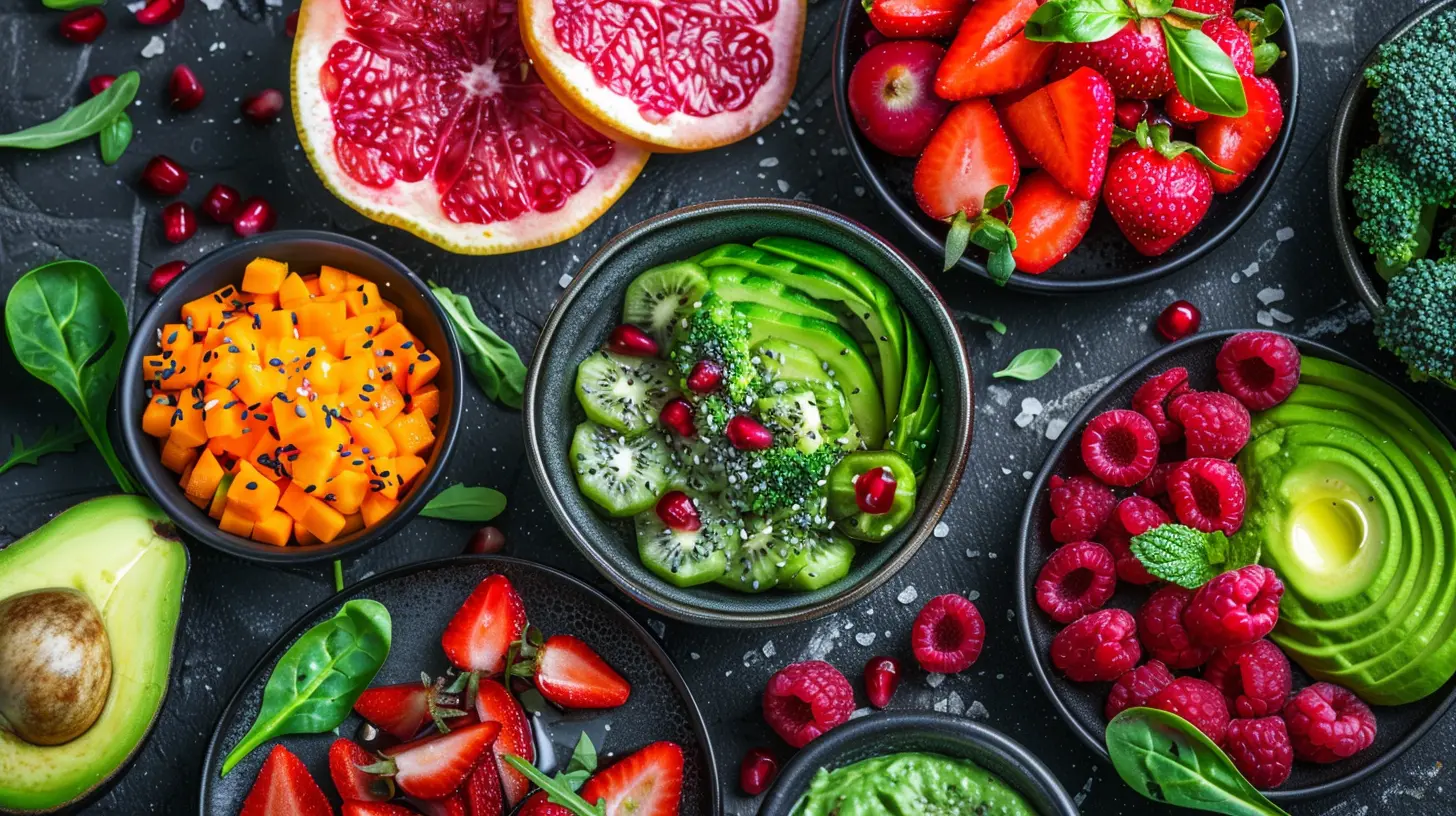
The practical takeaway is that you do not need to treat an apple the same way you treat a can of cola. Nutritionists in 2027 are actively pushing back against the false equivalence that emerged during the peak of the anti-sugar movement. Yes, fruit contains sugar. No, that does not make fruit unhealthy. The fiber, polyphenols, vitamins, and water content change the entire metabolic story.
Understanding Insulin Resistance and Sugar Sensitivity
A major reason why generic sugar advice fails is that it ignores individual variation in insulin sensitivity. Two people can eat identical amounts of sugar and experience completely different metabolic outcomes.A lean, physically active twenty-five-year-old with excellent sleep and low stress can process a moderate sugar intake without measurable harm. A sedentary forty-five-year-old with visceral adiposity, poor sleep, and chronic stress cannot. The same dietary pattern that is benign for one person accelerates metabolic dysfunction in another.
Nutritionists now emphasize that sugar is not inherently toxic. It becomes problematic when consumed in excess by someone whose metabolic machinery is already compromised. This explains why some populations tolerate higher sugar intakes without developing diabetes while others develop prediabetes on what seems like a modest intake.
The practical implication is that sugar recommendations should be personalized based on metabolic health markers, not just age and sex. If your fasting insulin is elevated or you have fatty liver changes, your tolerance for added sugar is lower. If your metabolic markers are pristine, you have more room to maneuver. This is not permission to binge. It is a call for precision instead of panic.
The Role of Taste Adaptation and Palate Training
One of the most effective strategies that nutritionists recommend in 2027 is deliberate palate training. This is not the same as willpower. It is a physiological process whereby your taste receptors and reward circuitry gradually recalibrate to lower sweetness levels.When you consistently consume high-sugar foods, your baseline threshold for sweetness rises. A strawberry tastes mildly sweet. A commercially prepared strawberry yogurt tastes intensely sweet. Over time, the yogurt becomes the reference point, and the strawberry loses its appeal. The reverse is also true. When you reduce added sugar for several weeks, your taste receptors become more sensitive. Foods that previously seemed bland suddenly taste sweeter. Vegetables reveal subtle flavors. Plain yogurt becomes palatable.
Nutritionists leverage this mechanism because it reduces the subjective effort required to maintain a lower sugar diet. It is far easier to sustain a dietary change when your preferences shift than when you are constantly fighting your own taste buds. The typical timeline for meaningful palate adaptation is two to four weeks of consistent reduction. After that window, many clients report that their old favorite foods taste cloying or artificial.
The strategy is not to go cold turkey but to progressively reduce sweetness intensity. If you take two teaspoons of sugar in your coffee, drop to one and a half for a week, then one, then half. Each step feels manageable. The cumulative effect is substantial.
Sugar Cravings Are Often Not About Sugar
Experienced nutritionists have noticed a recurring pattern in clinical practice. Clients who complain of uncontrollable sugar cravings often have underlying issues that have nothing to do with sweet taste. Sleep deprivation is the most common culprit. A single night of poor sleep alters the balance of ghrelin and leptin, increasing hunger and specifically increasing preference for high-carbohydrate, high-sugar foods. Chronic sleep restriction amplifies this effect dramatically.Stress is a close second. Cortisol elevation increases the reward value of sugar. Sugar temporarily blunts the stress response by providing a rapid energy source and a dopamine hit. This is why people reach for sweets during high-pressure periods at work or during emotional distress. The craving is real, but the target is wrong. What the body often needs is stress reduction, not glucose.
Nutritionists in 2027 routinely screen for sleep quality, stress levels, and meal timing before addressing sugar intake directly. Advising someone to cut sugar while they are sleeping five hours a night and working seventy-hour weeks is setting them up for failure. The body will override conscious intentions because it perceives a genuine energy crisis.
The Protein and Fiber Lever
One of the most actionable pieces of advice from current nutritionists is to anchor every meal and snack with adequate protein and fiber. This is not new advice, but the reasoning has become more refined.Protein stimulates the release of peptide YY and glucagon-like peptide-1, both of which promote satiety and reduce subsequent food intake. Fiber, particularly viscous soluble fiber, slows carbohydrate absorption and feeds beneficial gut bacteria that produce short-chain fatty acids. These fatty acids signal satiety through the vagus nerve and influence appetite-regulating hormones.
The practical application is straightforward. If you eat a carbohydrate-heavy breakfast like toast with jam or cereal, your blood sugar will spike and then crash within two hours. The crash triggers a craving for more quick energy. If you instead eat eggs with whole grain toast or Greek yogurt with berries and nuts, the protein and fat flatten the glucose curve. The mid-morning sugar craving often disappears entirely.
This is why nutritionists tell clients to never eat naked carbohydrates. Any carbohydrate, including fruit, should be paired with a protein or fat source when possible. An apple alone is fine, but an apple with a handful of almonds will keep your energy stable for longer.
What About Artificial Sweeteners and Sugar Alcohols
The debate over artificial sweeteners remains unresolved in 2027, but nutritionists have developed a more nuanced stance than the simple "they are poison" or "they are perfectly safe" positions.Current evidence suggests that non-nutritive sweeteners like aspartame, sucralose, and saccharin do not cause the same metabolic disruptions as sugar. However, they are not entirely inert. Some studies indicate they may alter the gut microbiome, and emerging research suggests that habitual consumption of intensely sweet substances, regardless of calorie content, may perpetuate a preference for sweetness overall.
Sugar alcohols like erythritol, xylitol, and sorbitol have their own profile. They provide fewer calories than sugar and do not spike blood glucose significantly. However, they can cause gastrointestinal distress, and some recent observational studies have raised questions about erythritol and cardiovascular risk. The evidence is not conclusive, but it is enough to warrant caution about high intake.
The practical guidance from nutritionists is to view artificial sweeteners as a transitional tool rather than a permanent solution. If you are using diet soda or zero-sugar sweeteners to wean yourself off regular soda, that is a reasonable step. If you are consuming large amounts of artificial sweeteners throughout the day while still craving sweets, you are not addressing the root problem. The goal should be to reduce overall sweetness preference, not to swap one sweet source for another.
Hidden Sugar Sources That Most People Miss
Even motivated individuals who read labels diligently often miss significant sources of added sugar. Nutritionists report the same offenders repeatedly in clinical practice.Flavored yogurts are a prime example. A small container of fruit-flavored yogurt can contain fifteen to twenty grams of added sugar, which rivals a candy bar. Many people consider yogurt a health food and are blindsided by this. The solution is to buy plain yogurt and add your own fruit, nuts, or a small drizzle of honey.
Condiments are another hidden source. Ketchup, barbecue sauce, teriyaki sauce, and many salad dressings contain sugar in amounts that add up quickly. A single serving of some commercial pasta sauces contains more sugar than a cookie. The fix is not to eliminate condiments but to choose versions without added sugar or to make simple homemade alternatives.
Bread is a less obvious culprit. Many commercial sandwich breads and rolls contain added sugar to improve texture and browning. This is not the same as buying a croissant, but it still contributes to daily intake. Checking the label for sugar content on bread is a habit that nutritionists encourage.
The final hidden source is alcohol. Mixed drinks, sweet wines, and even beer contribute sugar or rapidly absorbed carbohydrates. Cocktails made with juice, simple syrup, or liqueurs can contain as much sugar as a dessert. This is often overlooked because people do not think of beverages as food.
The Concept of Sugar Budgets
A practical framework that has gained traction in clinical nutrition is the sugar budget. Rather than saying "no sugar" or "eat less sugar," nutritionists help clients establish a weekly, not daily, allowance.The reasoning is that a weekly budget accommodates real life. If you have a birthday party on Saturday and a dinner out on Wednesday, you can plan around those events. You might keep your sugar intake very low on other days to create room. This reduces the feeling of deprivation and prevents the binge-restrict cycle that plagues many dieters.
The budget itself varies by individual. A sedentary person with metabolic issues might have a budget of one hundred grams per week. An athlete with high energy expenditure might have double that. The key is that the budget is explicit, written down, and reviewed regularly. This turns sugar management from an abstract intention into a concrete plan.
Nutritionists caution that the budget should not become another source of anxiety. If you exceed it one week, you simply adjust the next week. The goal is long-term consistency, not weekly perfection.
Sugar and the Gut Microbiome
The gut microbiome has become a central focus of nutrition research, and sugar's impact on it is significant. High sugar diets have been shown to reduce microbial diversity and promote the growth of bacteria associated with inflammation and metabolic dysfunction.A diet high in added sugar, particularly fructose, can also impair the intestinal barrier. This can lead to increased intestinal permeability, sometimes called leaky gut, which allows bacterial fragments to enter the bloodstream and trigger systemic inflammation. This is not a fringe concept. It is a well-documented pathway in the scientific literature.
The implication for sugar reduction is that the benefits may take time to manifest because the microbiome requires time to recover. When clients report that they do not feel better after two weeks of cutting sugar, nutritionists remind them that microbial composition shifts slowly. The full benefits may require two to three months of consistent lower sugar intake.
Supporting the microbiome during this period with fermented foods, high-fiber vegetables, and resistant starch can accelerate the process. This is a more sophisticated approach than simply removing sugar and expecting immediate results.
Common Mistakes People Make When Cutting Sugar
Nutritionists see the same errors repeatedly. The first is replacing sugar with fat without considering overall calorie intake. A low sugar diet that is high in processed fats, refined grains, and excess calories will not improve metabolic health. Sugar reduction is not a free pass to eat unlimited cheese and bacon.The second mistake is ignoring sleep and stress. As discussed earlier, these factors drive cravings. If you cut sugar while continuing to sleep poorly and live in a state of chronic stress, you will likely fail. The body will find ways to obtain quick energy.
The third mistake is going too extreme too quickly. People who drop from two hundred grams of added sugar per day to zero often experience headaches, fatigue, irritability, and intense cravings. They interpret these symptoms as proof that sugar was not the problem. In reality, these are withdrawal symptoms. A gradual reduction over several weeks is far more sustainable.
The fourth mistake is not accounting for food environment. If your kitchen is stocked with cookies, ice cream, and sugary beverages, your willpower will eventually falter. Nutritionists advise clients to physically remove high sugar foods from their homes, at least during the initial adjustment period. Environmental design is more reliable than self-control.
What a Realistic Low Sugar Plate Looks Like
To ground this discussion in practical terms, consider what a nutritionist in 2027 would actually recommend for a day of eating.Breakfast might be a vegetable omelet with two eggs, spinach, and mushrooms, served with a slice of whole grain toast and a small amount of butter. No juice, no sweetened yogurt, no pastries. Coffee is allowed with milk or cream but without sugar or flavored syrups.
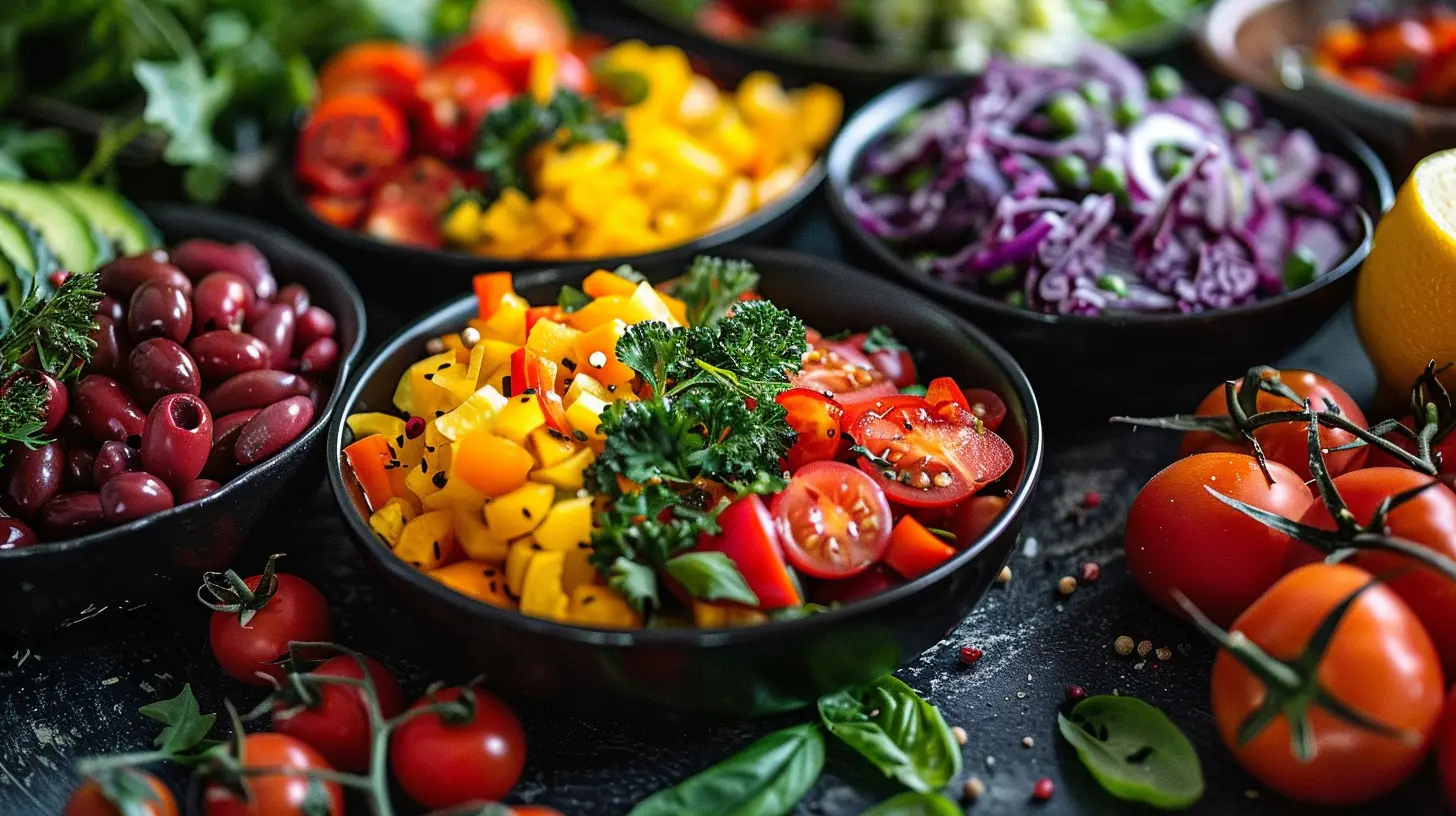
Lunch could be a large salad with grilled chicken, mixed greens, cherry tomatoes, cucumber, and a vinaigrette made from olive oil and vinegar. A handful of berries or an orange for dessert provides sweetness without added sugar.
An afternoon snack might be an apple with almond butter or a small handful of nuts and a piece of string cheese. This provides protein and fat to prevent the late afternoon crash.
Dinner could be baked salmon with roasted sweet potatoes and broccoli. The natural sweetness of the sweet potatoes satisfies a dessert craving without requiring added sugar.
This pattern is not austere. It is satisfying, nutrient-dense, and naturally low in added sugar. The sweetness comes from whole foods rather than refined sources. This is the template that nutritionists recommend, with variations based on individual preferences and dietary restrictions.
The Role of Occasional Indulgence
Even the most disciplined nutritionists do not advocate for zero sugar forever. Occasional indulgence is not only acceptable but can be beneficial for long-term adherence.The key is intentionality. A planned dessert at a restaurant, a slice of birthday cake at a party, or a homemade cookie on a Sunday afternoon is different from mindless snacking on whatever is in the break room. The former is a conscious choice. The latter is autopilot.
Nutritionists advise clients to savor these moments fully. Eat slowly, pay attention to the taste and texture, and do not pair the treat with guilt or shame. Guilt triggers stress, which triggers more cravings. A positive, mindful indulgence is less likely to spiral into a binge than a forbidden, guilty one.
The frequency of indulgence depends on the individual. Some people can handle one planned treat per week. Others do better with one per month. The right answer is whatever allows you to maintain your overall pattern without feeling deprived or out of control.
How to Start Cutting Sugar Today
If you are convinced that reducing sugar is worthwhile, here is a practical sequence that nutritionists recommend.First, track your current intake for three days without trying to change anything. This provides a baseline. Most people underestimate their sugar consumption by a wide margin.
Second, identify the highest impact sources. For most people, this is liquid sugar. If you drink regular soda or sweetened coffee drinks, replace them with unsweetened versions or sparkling water. This single change can reduce sugar intake by forty to fifty grams per day.
Third, address the hidden sources. Read labels on yogurt, bread, condiments, and sauces. Switch to unsweetened or low sugar versions. This can generate another twenty to thirty grams of daily reduction.
Fourth, restructure your meals to include more protein and fiber. This reduces cravings and makes the lower sugar intake feel easier.
Fifth, be patient. The taste adaptation takes weeks. The microbiome recovery takes months. The full metabolic benefits may not be visible on the scale or in blood work for several months.
The Bottom Line
Cutting sugar in 2027 is not about purity or perfection. It is about reducing the metabolic load on your body while maintaining a realistic relationship with food. Nutritionists have moved away from the fear-based messaging of the past decade toward a more balanced, evidence-based approach.The most successful strategies involve structured flexibility, attention to sleep and stress, an understanding of individual metabolic differences, and a focus on whole foods rather than processed substitutes. Sugar is not the only factor in metabolic health, but it is a significant one. Reducing it intelligently, without dogma, can improve energy, mood, weight management, and long-term disease risk.
The people who succeed are not those with superhuman willpower. They are those who understand how their body responds to sugar, who design their environment to support their goals, and who treat occasional indulgences as part of a healthy life rather than a betrayal of it.
all images in this post were generated using AI tools
Category:
Low Sugar DietAuthor:

Holly Ellison
Discussion
rate this article
2 comments
Greta McQuillen
Great insights on sugar reduction; essential for future health improvements.
September 18, 2026 at 4:09 AM
Holly Ellison
Thanks for your feedback! Glad you found the insights valuable.
Elowen McGeehan
Oh sure, by 2027 we'll all be living on kale and regret. Just imagine, no sugar at all-what a wild ride that will be. I mean, why enjoy dessert when we can savor the taste of righteousness? Can't wait for those "sugar-free" birthday parties... just bring the broccoli!
September 6, 2026 at 4:01 AM
Holly Ellison
Sounds like a fun party! But cutting down on sugar can lead to better health. Who knows, maybe we'll find some tasty alternatives by then.