Weight Training for Athletes: Functional Strength vs Muscle Mass
27 June 2026
When it comes to weight training for athletes, there's often a debate: Should you focus on functional strength or pure muscle mass? While both have their place, understanding the differences—and how they impact athletic performance—can help athletes train more effectively.
So, are you training to be a powerhouse on the field, or just to look jacked in the mirror? Let's break it down.
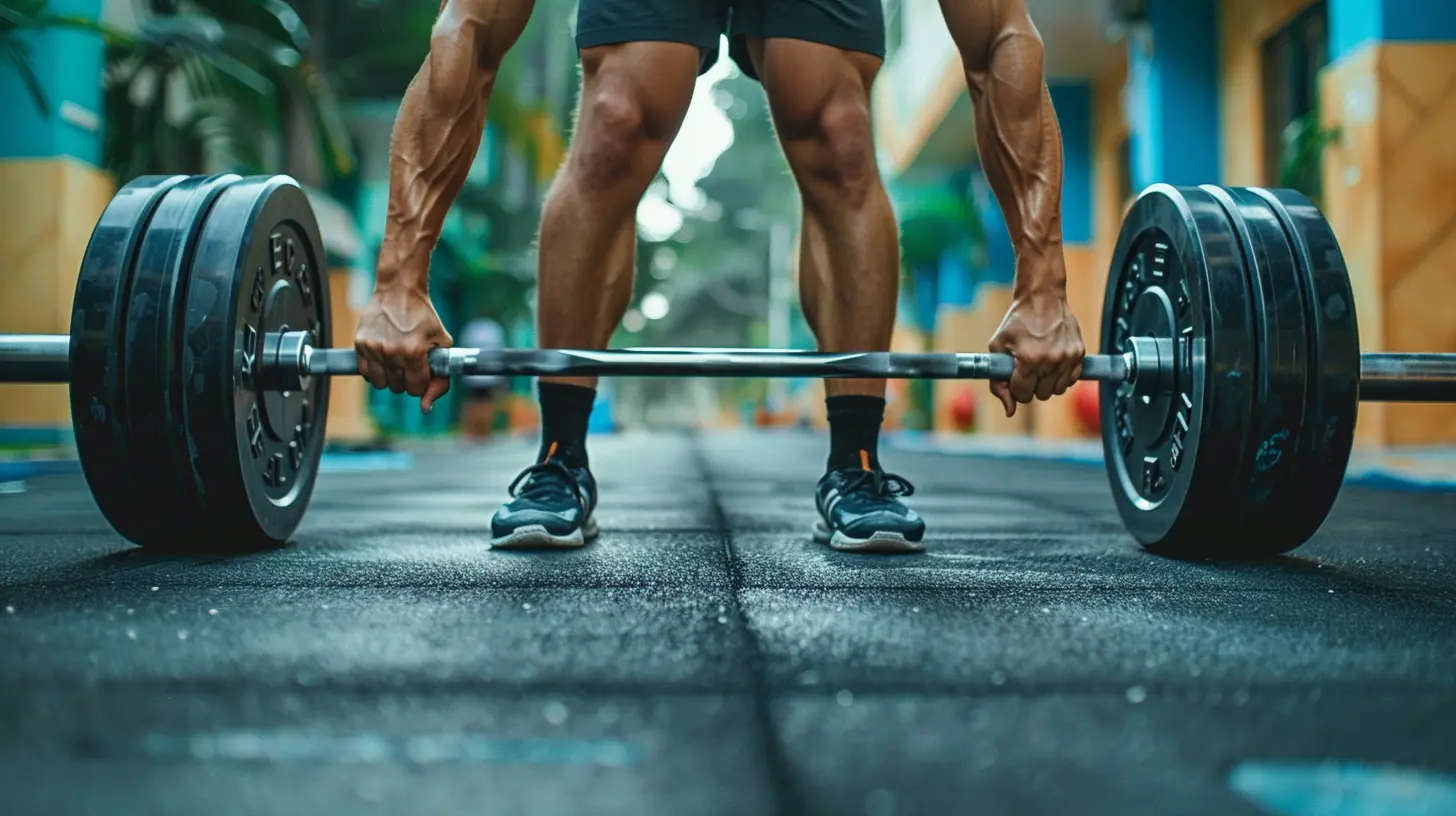
What Is Functional Strength?
Functional strength refers to strength that directly improves athletic performance. It’s not just about lifting heavy weights in the gym; it's about translating that strength into explosive movements, endurance, and agility.Think of it like this—would you rather have the kind of strength that lets you bench press massive weights but struggle to sprint or jump? Or would you prefer power that makes you a beast in real-world sports scenarios?
Benefits of Functional Strength
- Improves Athletic Performance – Functional exercises mimic real-life and sport-specific movements, making you stronger where it counts.- Enhances Coordination and Stability – Unlike isolated exercises, functional training engages multiple muscle groups and improves balance.
- Reduces Injury Risks – Strengthening stabilizing muscles and joints lowers the chance of injuries.
- Boosts Explosiveness and Agility – Functional training focuses on speed, reaction time, and dynamic movement.
Functional strength is all about being strong where it matters most—on the field, court, or track.
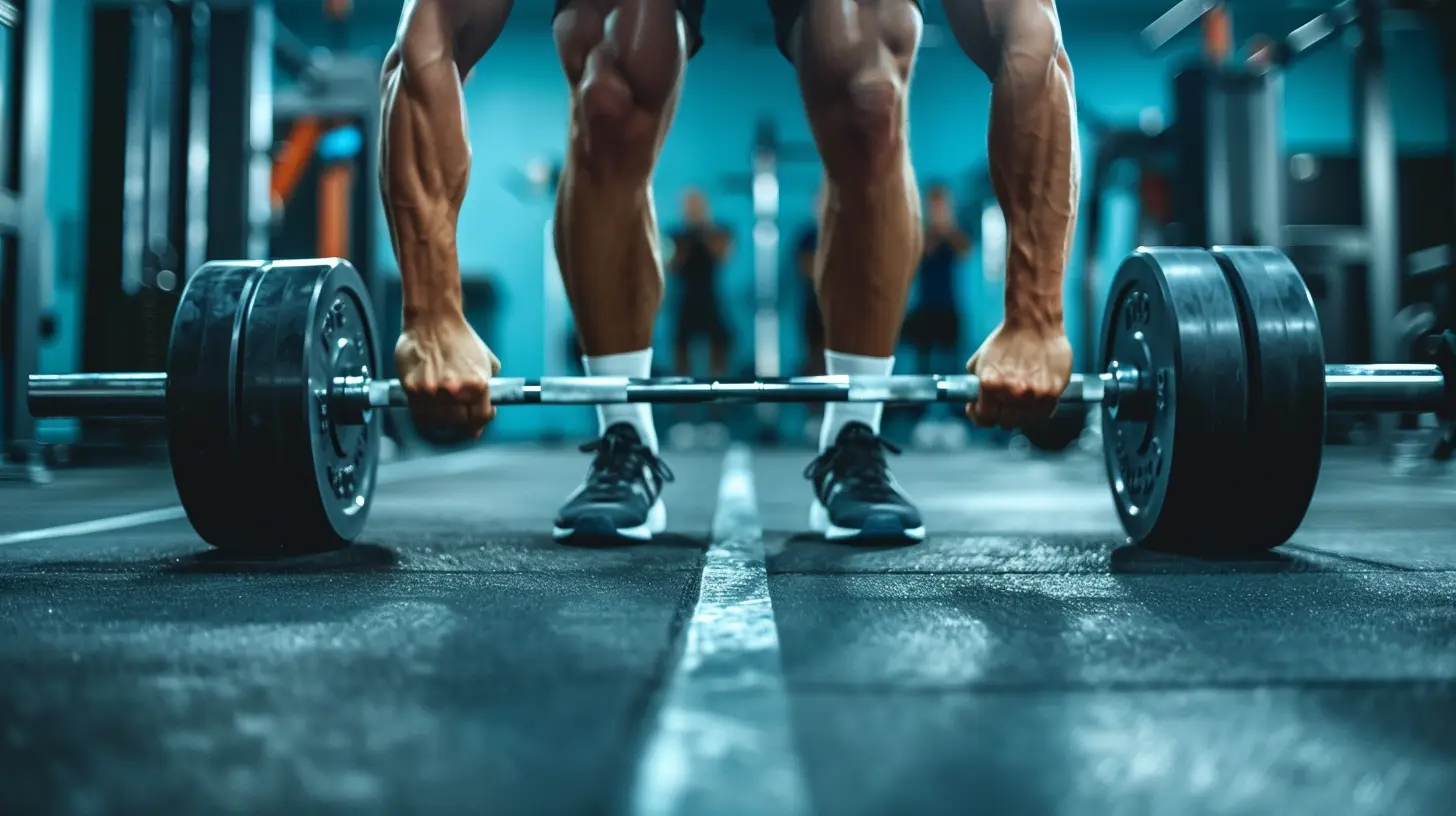
What About Muscle Mass?
Building muscle mass, or hypertrophy, is focused on increasing muscle size. Bodybuilders prioritize muscle volume, while athletes need to find the right balance between mass and functionality.Bigger muscles don’t always mean better performance. Sure, muscle mass contributes to strength and power, but excessive bulk can slow you down, decrease mobility, and even lead to injuries.
Benefits of Increasing Muscle Mass
- Increases Raw Strength – More muscle fibers mean more power, which is helpful for contact sports.- Enhances Resilience – A stronger body can absorb physical impacts better, crucial for sports like football or rugby.
- Boosts Metabolism – More muscle burns more calories, which helps with body composition.
However, too much muscle mass—especially if it's not functional—can be a liability rather than an asset.
Functional Strength vs Muscle Mass: Key Differences
| Aspect | Functional Strength | Muscle Mass ||--------|--------------------|-------------|
| Primary Goal | Performance & Power | Size & Aesthetics |
| Training Focus | Athletic movement, agility, endurance | Muscle growth (hypertrophy) |
| Exercise Type | Compound movements, plyometrics, stability exercises | Isolation and compound exercises |
| Benefits | Improved coordination, injury prevention, explosive power | Increased size, strength, and metabolic rate |
| Best For | Athletes, fighters, sports performance | Bodybuilding, strength competitions |
In short, functional strength ensures you perform at your peak, while muscle mass is more about aesthetics (and sometimes brute strength).
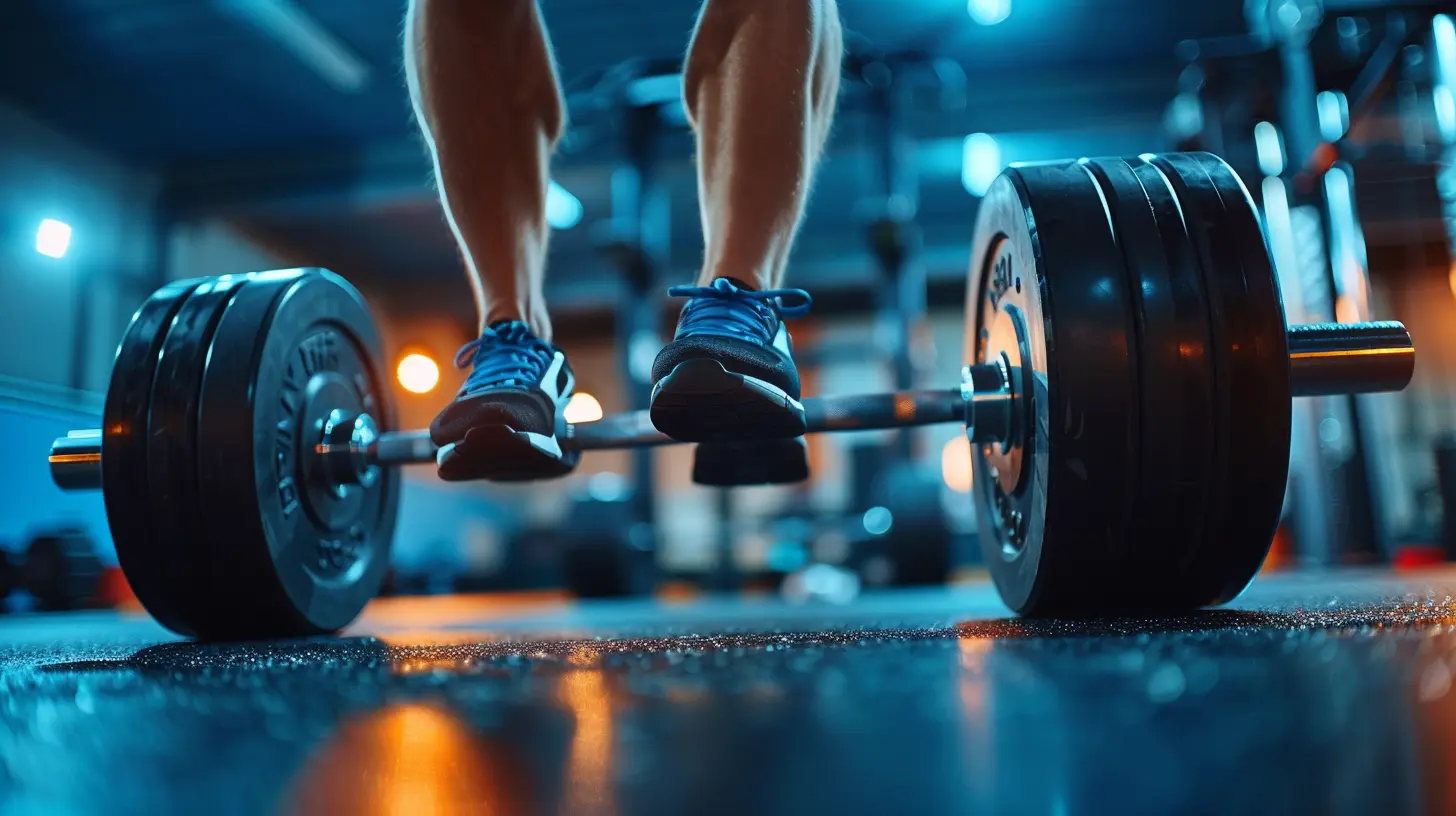
Training Methods for Functional Strength
If you're looking to train for functional strength, you need workouts that mimic real-life movement patterns. Here’s what you should focus on:1. Compound Movements
These exercises work multiple muscle groups simultaneously, mimicking actual sports motions:- Squats – Power, stability, and strength
- Deadlifts – Full-body strength and explosiveness
- Pull-ups – Upper body endurance and power
- Lunges – Balance and unilateral strength
2. Plyometric Training
Plyometrics emphasize explosive power—crucial for sprinting, jumping, and quick movements.- Box Jumps – Improve vertical leap and explosive strength
- Medicine Ball Slams – Builds upper-body power
- Broad Jumps – Develops leg drive and acceleration
3. Functional Core Training
A strong core is essential for balance and power transfer in sports.- Planks and Variations – Enhances stability
- Russian Twists – Rotational strength for sports
- Farmers Carries – Builds grip strength and total-body endurance
4. Unilateral Training
Sports rarely involve symmetrical movements, so training one side at a time (unilateral training) is key:- Single-Leg Deadlifts – Improves balance and prevents imbalances
- Step-Ups – Simulates real-life sports movements
5. Speed and Agility Work
Strength is useless if you can't move efficiently. Incorporate:- Sprint Drills – Acceleration and speed
- Ladder Drills – Footwork and coordination
- Cone Drills – Change of direction and agility
Training Methods for Muscle Mass (Hypertrophy)
Focusing on size? You’ll need a different approach:1. Progressive Overload
If you want bigger muscles, you need to consistently lift heavier weights over time.- Increase weight gradually
- Focus on 8-12 reps per set for hypertrophy
- Train to near failure on each set
2. Isolation Exercises
Bodybuilders emphasize isolating muscles for maximum growth. Some key movements:- Bicep Curls – For bigger arms
- Leg Extensions – Quad-focused muscle growth
- Chest Flys – Enhances pectoral development
3. High Volume, Moderate Intensity
Hypertrophy requires high volume (more sets and reps). Your muscles need enough tension to grow.- 4–5 sets per exercise
- 8–12 reps per set
- Controlled, slow movements to maximize time under tension
4. Proper Nutrition
Muscle growth requires a caloric surplus and plenty of protein. Make sure you're getting:- 1.6–2.2g of protein per kg of body weight
- Sufficient carbs for fuel
- Healthy fats to support hormone production
Which One Is Best for Athletes?
For most athletes, functional strength beats mass. Why? Because in sports, it’s not about how big your muscles are—it’s about how well they perform.That doesn’t mean muscle mass is useless. Certain athletes—like football players, wrestlers, or rugby players—need a mix of size and functional strength. The key is balancing performance and physique without compromising agility or endurance.
The Ideal Balance
- Strength athletes (powerlifters, football linemen) – Need a mix of size and power- Speed-based athletes (track, soccer, basketball) – Need more functional strength than mass
- Combat sports (MMA, boxing, wrestling) – Require power-to-weight ratio, so functional training is crucial
Final Thoughts
Weight training for athletes isn’t a one-size-fits-all approach. If your goal is peak athletic performance, focus on functional strength. If size is your priority, train for muscle mass.But remember—bigger isn’t always better in sports. The strongest athletes aren’t just big; they’re fast, explosive, and powerful. Train smart, and your performance will speak for itself.
all images in this post were generated using AI tools
Category:
Weight TrainingAuthor:

Holly Ellison
Discussion
rate this article
1 comments
Ariella Forbes
Understanding the balance between functional strength and muscle mass is key for athletes to enhance performance and reduce injury risks.
June 27, 2026 at 3:50 AM
Holly Ellison
Absolutely, finding that balance is crucial. Functional strength helps with performance while managing muscle mass can prevent injuries. Great insight!