Understanding the Role of Phosphorus in Bone Formation
26 February 2026
When we think about strong, healthy bones, calcium usually steals the spotlight. But did you know that phosphorus plays an equally vital role? In fact, this mineral is just as essential for bone formation and overall skeletal health. If you're not getting enough phosphorus, your bones could suffer—no matter how much calcium you consume.
So, what exactly does phosphorus do for your bones? How can you make sure you're getting enough? And what happens if you're lacking this crucial mineral? Let's break it all down in simple terms.
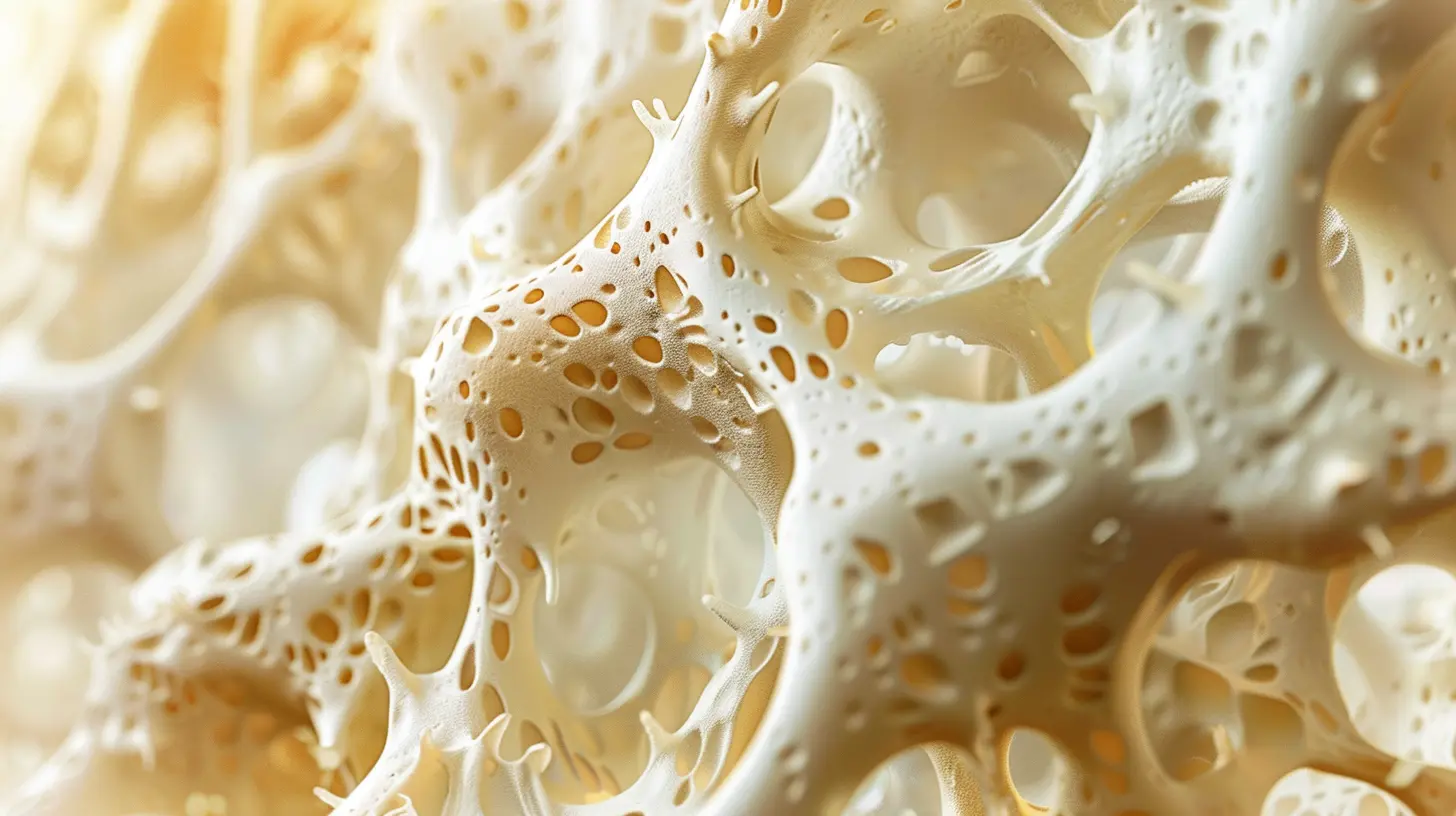
What Is Phosphorus?
Phosphorus is a mineral found in every cell of your body. It's the second most abundant mineral (after calcium), with about 85% of it stored in your bones and teeth. It works together with calcium to form the structural foundation of your skeleton.But phosphorus isn’t just about bones—it’s also involved in energy production, DNA formation, and even maintaining the body's pH balance. Without enough of it, many of your body's essential functions could be thrown off track.

The Connection Between Phosphorus and Bone Health
1. Building Strong Bones
Your bones are like a construction site, constantly being broken down and rebuilt. Phosphorus acts like the cement in this process, binding with calcium to form hydroxyapatite, the mineral complex that gives bones their hardness and durability.Without enough phosphorus, your bones could become weak, brittle, and prone to fractures.
2. Calcium’s Best Friend
Calcium might be the star, but it can't do its job alone. Phosphorus helps calcium get absorbed and utilized properly. When these two minerals are in balance, they form a solid and resilient bone structure.If you consume too much calcium but not enough phosphorus, your body might struggle to incorporate the calcium into your bones effectively. Think of it like trying to build a brick wall without enough mortar—things just won’t hold together!
3. Bone Remodeling and Maintenance
Your bones are constantly regenerating. Old bone tissue is broken down, and new bone is formed. Phosphorus plays a key role in this process by ensuring that bone breakdown and bone rebuilding remain balanced.If phosphorus levels drop too low, your bones may become fragile over time, increasing the risk of osteoporosis and fractures.
How Much Phosphorus Do You Need?
The recommended daily intake of phosphorus varies by age and gender. Here’s a quick breakdown according to health experts:- Infants (0-6 months): 100 mg
- Infants (7-12 months): 275 mg
- Children (1-3 years): 460 mg
- Children (4-8 years): 500 mg
- Teens (9-18 years): 1,250 mg
- Adults (19+ years): 700 mg
- Pregnant/Breastfeeding Women: 700 mg
Most people get enough phosphorus from their diet, but certain conditions or dietary choices can lead to deficiencies or imbalances.
Best Dietary Sources of Phosphorus
Animal-Based Sources
- Dairy products (milk, cheese, yogurt)- Meat (chicken, beef, pork)
- Fish (salmon, tuna, cod)
- Eggs
Plant-Based Sources
- Nuts and seeds (almonds, peanuts, sunflower seeds)- Legumes (lentils, chickpeas, black beans)
- Whole grains (brown rice, oatmeal, whole wheat bread)
- Vegetables (potatoes, broccoli, peas)
Processed Foods: A Hidden Source
It’s worth mentioning that many processed foods contain phosphorus additives. While these additives boost phosphorus intake, they might not always be the healthiest choice. Fast foods, sodas, and processed meat often have added phosphorus, which can sometimes lead to excessive intake.What Happens If You Don't Get Enough Phosphorus?
Phosphorus deficiency (also called hypophosphatemia) is rare but can occur due to malnutrition, kidney disorders, or excessive alcohol consumption. Some symptoms of low phosphorus levels include:- Weak bones and increased fracture risk
- Muscle weakness and fatigue
- Joint pain or stiffness
- Loss of appetite and weight loss
In severe cases, phosphorus deficiency can lead to rickets in children and osteomalacia (soft bones) in adults.
Can You Have Too Much Phosphorus?
Yes! Just like anything else, too much phosphorus can be harmful. High phosphorus levels (commonly seen in people with kidney disease or excessive soda consumption) can cause:- Calcium loss from bones, leading to osteoporosis
- Increased risk of heart disease
- Calcium deposits in tissues and organs
Maintaining the right balance between calcium and phosphorus is crucial. A healthy ratio ensures that both minerals work together rather than against each other.
Phosphorus and Bone Health: Myths vs. Facts
Myth #1: Bones Only Need Calcium
Fact: Calcium gets all the hype, but without phosphorus, your bones wouldn’t develop properly. Both minerals are essential for bone strength.Myth #2: You Can Only Get Phosphorus from Animal Products
Fact: While phosphorus is abundant in meat and dairy, plant-based sources like legumes, nuts, and whole grains also provide plenty of phosphorus.Myth #3: More Phosphorus Means Stronger Bones
Fact: Excess phosphorus can actually weaken bones by interfering with calcium absorption. Balance is key!
Tips for Maintaining Optimal Phosphorus Levels
Want to make sure you're getting just the right amount of phosphorus? Here are some simple tips:1. Eat a balanced diet – Include a variety of phosphorus-rich foods from both animal and plant sources.
2. Limit processed foods – Many processed foods contain artificial phosphorus additives, which can lead to excessive intake.
3. Get enough calcium – Maintaining a proper calcium-to-phosphorus ratio is crucial for bone health.
4. Stay hydrated – Proper hydration helps your kidneys regulate phosphorus levels in your body.
5. Monitor kidney health – If you have kidney problems, work with your doctor to manage your phosphorus levels carefully.
Final Thoughts
Phosphorus might not get the same attention as calcium, but it's just as important for building and maintaining strong bones. Without it, your bones could become weak, brittle, and prone to fractures.The good news? If you're eating a well-balanced diet, you're probably getting enough phosphorus without even thinking about it! But as with anything in nutrition, balance is key—too little or too much can lead to problems.
So, the next time you think about bone health, don’t just focus on calcium—give phosphorus the credit it deserves!
all images in this post were generated using AI tools
Category:
Bone HealthAuthor:

Holly Ellison
Discussion
rate this article
2 comments
Craig McClellan
Phosphorus isn’t just a sidekick; it's the unsung hero of bone health! Skip the calcium drama and give phosphorus its due—this powerhouse mineral deserves a spotlight for keeping your bones strong and sassy. Don’t sleep on it!
March 19, 2026 at 4:47 PM
Holly Ellison
Thank you for highlighting phosphorus! It truly plays a crucial role in bone health alongside calcium, and it's essential for maintaining strong bones.
Tracie McInnes
Phosphorus is essential for bone health, playing a crucial role in calcium absorption and mineralization. Ensuring adequate phosphorus intake supports strong bones and overall skeletal integrity, making it a vital nutrient for anyone focused on maintaining bone health.
February 26, 2026 at 5:51 AM
Holly Ellison
Thank you for highlighting the importance of phosphorus in bone health! It truly is essential for calcium absorption and maintaining strong bones.