Understanding Progressive Overload in Strength Training
6 August 2026
Strength training is one of the best ways to build muscle, increase endurance, and improve overall fitness. But there's one principle that separates “just exercising” from actually making consistent progress—progressive overload.
If you’ve ever hit a plateau or felt like you're spinning your wheels with no real gains, then it's time to talk about what progressive overload is, why it matters, and how you can use it to achieve your fitness goals.
So, grab a protein shake, sit back, and let’s dive into the magic of progressive overload! 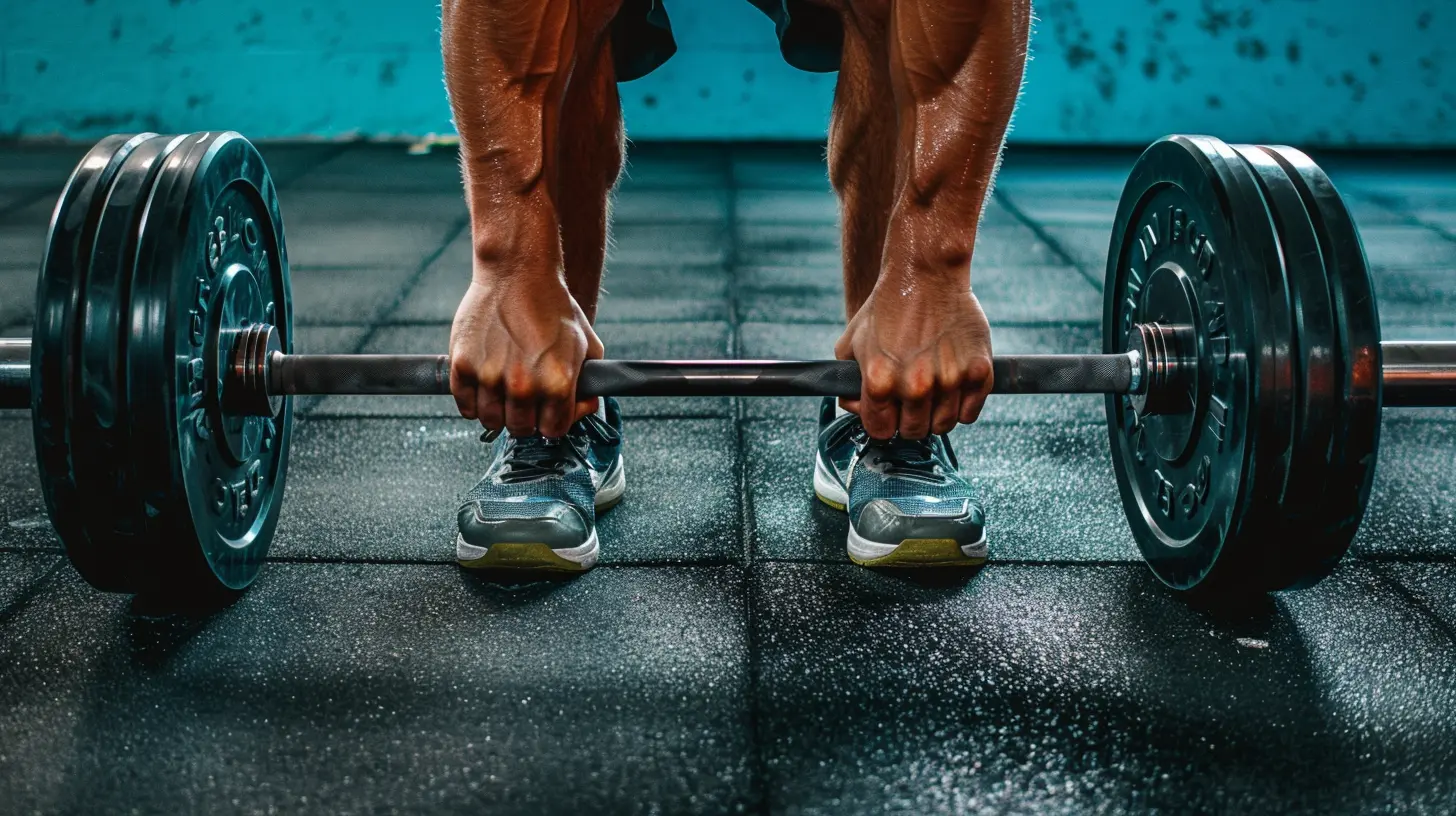
What Is Progressive Overload?
At its core, progressive overload is the concept of gradually increasing the demands on your muscles to stimulate growth and strength. Sounds simple, right? But here's the catch—your body adapts quickly.If you keep lifting the same weights or doing the same number of reps for months, your muscles won’t see any reason to grow stronger. Progressive overload forces your body to keep improving by consistently challenging it in different ways.
Think of it like leveling up in a video game—if the difficulty doesn't increase, your character stays the same. In strength training, you are the main character, and progressive overload is how you unlock those next levels of strength! 
Why Is Progressive Overload Important?
Still wondering why you should bother with progressive overload? Here are some key reasons:1. Builds Muscle More Effectively
Your muscles grow in response to stress. When you gradually increase weights or reps, your muscle fibers tear slightly and rebuild stronger—hello, muscle gains!2. Prevents Plateaus
Ever felt like no matter how much effort you put in, you don’t see results? That’s a plateau. Progressive overload keeps your body guessing, so you continue improving over time.3. Strengthens Bones and Joints
Strength training isn’t just about muscles—your bones and joints get stronger too. This helps prevent injuries and improves overall mobility, especially as you age.4. Boosts Metabolism
More muscle = higher metabolism. When you increase your training intensity, your body burns more calories, even at rest. Who doesn’t love that?5. Enhances Physical Performance
Whether you're an athlete, a weekend warrior, or just someone wanting to carry grocery bags in one trip, progressive overload helps you perform better in everyday tasks.
How to Apply Progressive Overload in Training
Now that you know why it’s important, let’s talk about how you can actually apply it to your workouts. There are several ways to progressively overload, and you don’t always have to lift heavier weights (though that’s a great option!).1. Increase the Weight
One of the most obvious ways to apply progressive overload is to lift heavier weights. If you're comfortably bench pressing 100 lbs for 10 reps, try increasing to 105 lbs next time. Small increases make a big difference over time.2. Add More Reps or Sets
Not ready to lift heavier? No problem! Instead, try adding more reps (e.g., going from 10 to 12 reps) or sets (e.g., doing 4 sets instead of 3).3. Improve Your Form and Range of Motion
Lifting heavier is great, but don’t sacrifice form for numbers. Make sure you execute each movement with proper technique and full range of motion. A deeper squat or a slower, controlled rep can challenge your muscles even more than piling on more weight.4. Decrease Rest Time Between Sets
If you’re looking for another way to push yourself, try reducing your rest time between sets. This keeps your muscles under tension longer, increasing endurance and overall strength.5. Increase Training Frequency
If you normally train a muscle group once per week, try hitting it twice per week. This can lead to faster adaptation and improved muscle growth.6. Use Advanced Training Techniques
Ever heard of drop sets, supersets, tempo training, or negatives? These are great ways to add intensity to your workouts and challenge your muscles in new ways.
How Often Should You Apply Progressive Overload?
You might be thinking, “Should I increase my weight or reps in every workout?” Not necessarily! Progressive overload works best when applied gradually.A good rule of thumb is to increase weight, reps, or intensity every 1-2 weeks. Rushing the process can lead to injuries, while going too slow may cause stagnation. Pay attention to how your body feels and adjust accordingly.
Common Mistakes to Avoid
While progressive overload is a game-changer, many people make mistakes without realizing it. Here are some common pitfalls to watch out for:1. Increasing Weight Too Quickly
Lifting heavier is great, but jumping from 100 lbs to 150 lbs overnight is a recipe for injury. Increase weights gradually to ensure proper form and avoid unnecessary strain.2. Neglecting Recovery
Your muscles grow outside the gym when they’re resting. If you train hard but don’t get enough sleep or proper nutrition, you’ll slow your progress (or worse—set yourself up for burnout).3. Not Tracking Progress
How will you know if you're getting stronger if you don’t track your workouts? Keep a journal or use an app to log your weights, reps, and sets so you can measure progress over time.4. Ignoring Warm-Ups and Mobility Work
Jumping straight into heavy lifting without warming up? Bad idea. A proper warm-up prepares your muscles and joints, preventing injuries and optimizing performance.5. Only Focusing on One Type of Overload
Remember, progressive overload isn’t just about lifting heavier. Vary your intensity by tweaking reps, sets, rest time, and tempo to keep things exciting!Example of a Simple Progressive Overload Plan
Want a simple way to implement progressive overload? Here’s a basic three-week progression for squats:- Week 1: Squat 100 lbs for 3 sets of 8 reps
- Week 2: Squat 100 lbs for 3 sets of 10 reps (rep increase)
- Week 3: Squat 110 lbs for 3 sets of 8 reps (weight increase)
By gradually increasing the stimulus, your body continues to adapt, rebuild, and get stronger!
Final Thoughts
Progressive overload is the secret sauce that keeps your strength training effective and rewarding. Whether you’re lifting heavier, doing more reps, or tweaking your rest time—the key is to challenge your muscles over time.So, next time you hit the gym, take a look at your routine and ask yourself: “Am I pushing myself enough?” If not, now you know exactly how to turn things up a notch. Happy lifting!
all images in this post were generated using AI tools
Category:
Weight TrainingAuthor:

Holly Ellison
Discussion
rate this article
1 comments
Reagan McKay
Lift heavy, eat cake... just kidding! Progress takes time, but your muscles will love you.
August 12, 2026 at 3:04 AM