Top Breakfast Ideas for a Low Sugar Morning
26 August 2026
Mornings are tricky. You wake up, you need fuel, and the easiest thing in the cupboard is often a granola bar that tastes like a candy bar in disguise. Or a bowl of cereal that turns your milk into dessert water. The problem is not that you lack willpower. The problem is that the modern breakfast aisle is designed to spike your blood sugar before you even finish your first cup of coffee.
But here is the good news. You do not need to give up flavor, convenience, or comfort to keep your morning sugar low. You just need to understand what sugar actually does in the morning, why your body reacts the way it does, and how to build a breakfast that keeps you steady until lunch. This guide walks through practical, realistic ideas that work for real people with real schedules.
Why Low Sugar Breakfasts Matter More Than You Think
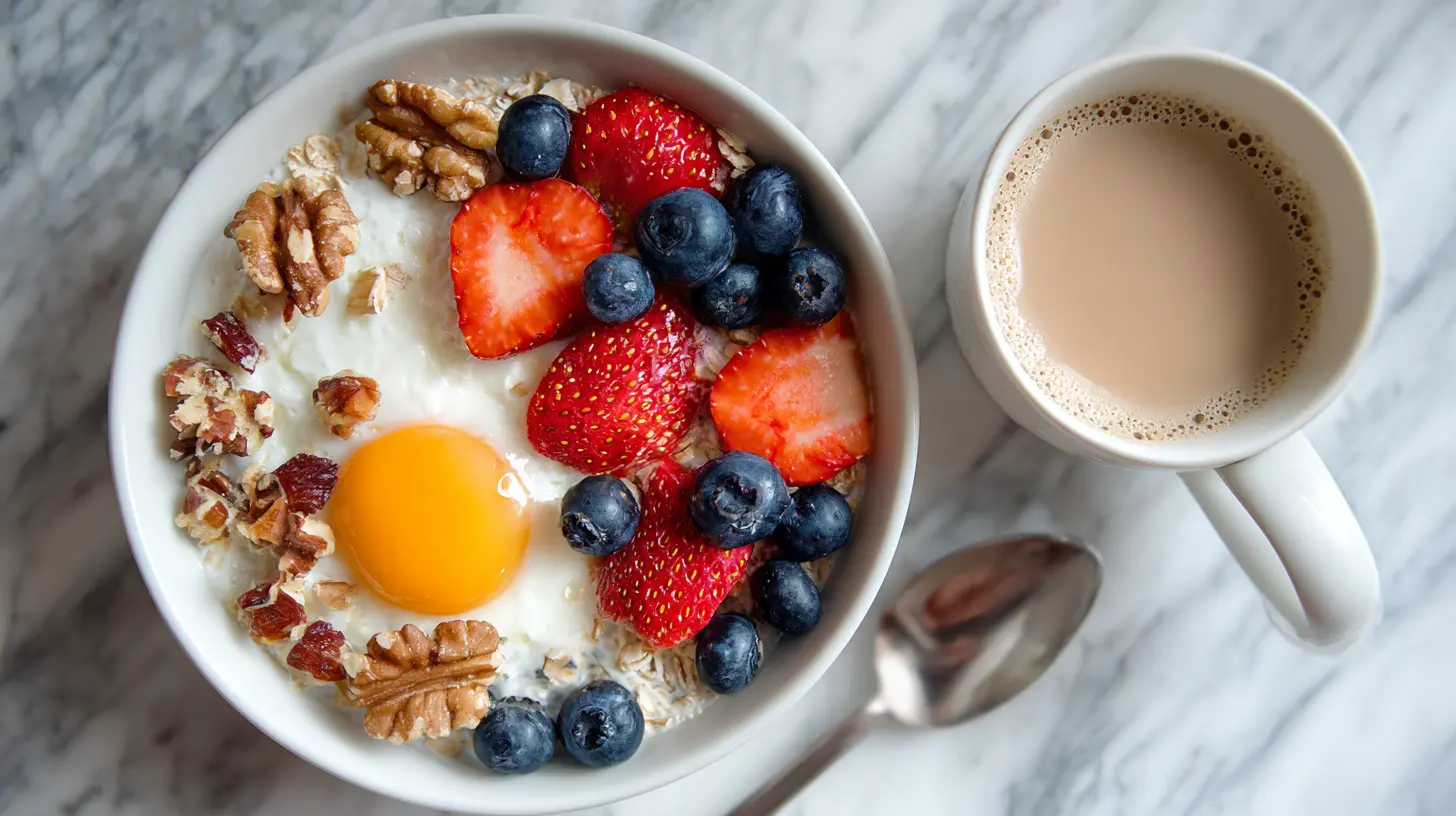
Your body treats morning sugar differently than afternoon sugar. After a night of fasting, your insulin sensitivity is at its highest, which sounds like a good thing. It means your cells are ready to accept glucose. But here is the catch. When you hit them with a massive sugar load first thing, your pancreas releases a surge of insulin to bring your blood sugar down. That surge often overshoots. An hour later, your blood sugar crashes, you feel shaky, tired, and hungry again, and you reach for another sugary snack to recover. This is the blood sugar roller coaster, and it starts at breakfast.A low sugar breakfast does more than just avoid the crash. It stabilizes your energy, improves your focus, and reduces the cravings that usually hit around 10 a.m. It also helps with appetite control. Protein and fat keep you full because they slow down gastric emptying. That means food stays in your stomach longer, sending signals to your brain that you are satisfied. Sugar does the opposite. It rushes through, leaves you empty, and triggers hunger hormones.
This is not about being extreme. You do not need to eat zero sugar. You need to be deliberate about the sugar you do eat, and you need to pair it with the right nutrients so it does not hijack your entire morning.
The Real Difference Between Added Sugar and Natural Sugar
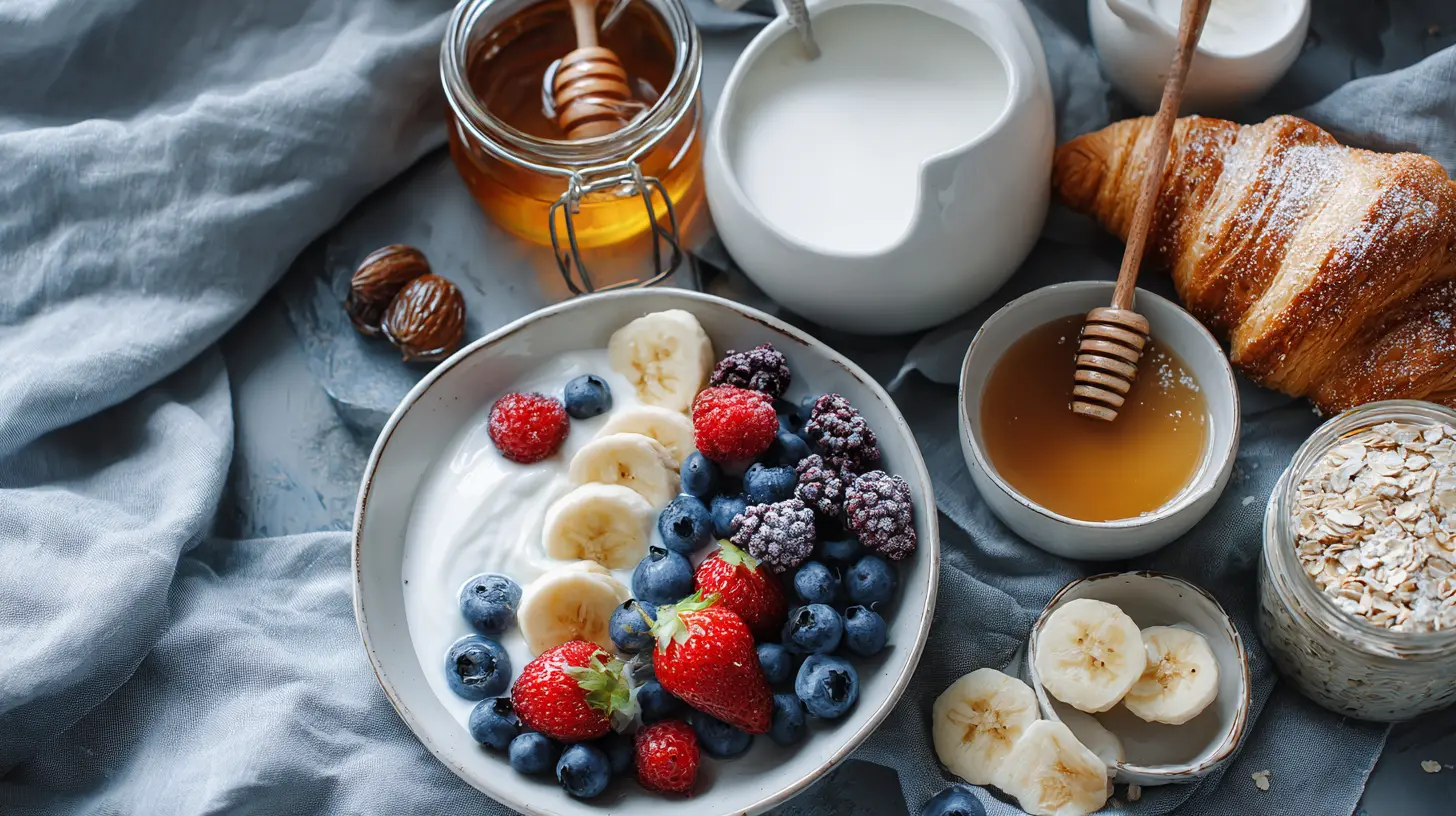
People often get confused here. They see a banana and a date and think those are just as bad as table sugar. That is not accurate. Natural sugars in whole fruits come packaged with fiber, water, and micronutrients. The fiber slows down the absorption of sugar into your bloodstream. It also feeds your gut bacteria, which has a direct effect on your metabolism and mood.Added sugar, on the other hand, is pure energy with no escort. It hits your liver fast, gets converted to fat if not used, and causes the insulin spike we talked about. The distinction matters because a breakfast with a sliced apple and a spoonful of peanut butter is not the same as a breakfast with apple juice and white bread. The first one is balanced. The second one is a sugar bomb.
That said, natural sugar is still sugar. If you blend three bananas into a smoothie, you are getting a lot of fructose at once, even if it is natural. So the goal is not to demonize fruit. The goal is to keep total sugar moderate and always pair it with protein, fat, or fiber.
Savory Breakfasts Are Your Best Friend
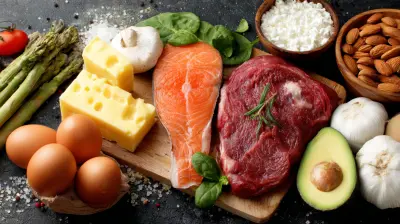
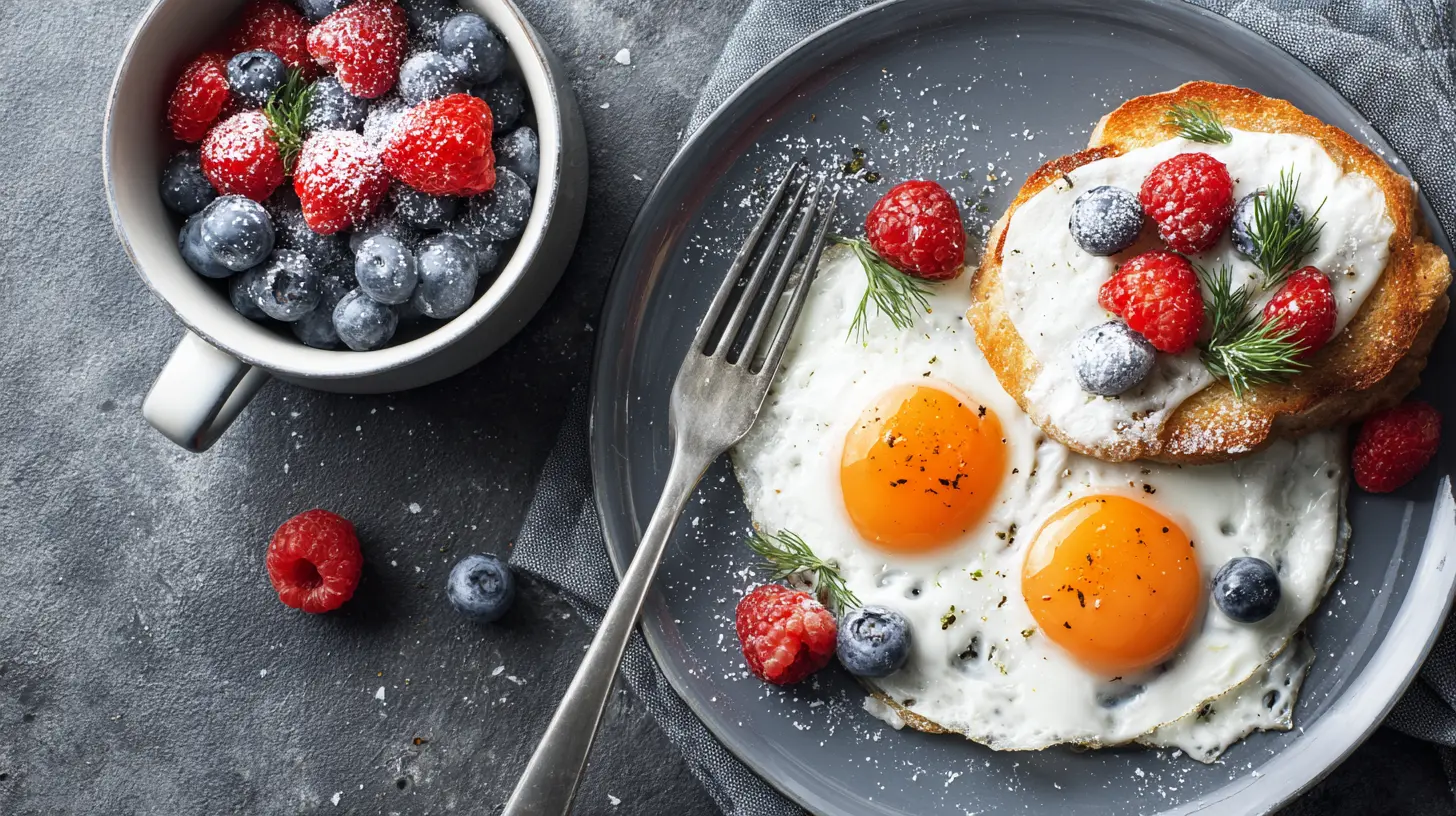
If you want to drastically cut morning sugar, go savory. This is the single most effective strategy, and it is underused because most people default to sweet breakfasts out of habit. But think about it. Eggs, cheese, vegetables, avocado, and lean meats have almost zero sugar. They are packed with protein and fat, which keep you full for hours.A simple plate of two scrambled eggs with a handful of spinach and a slice of whole grain toast is a completely different metabolic experience than a bowl of honey oat cereal. The eggs provide about 12 grams of protein. The spinach adds fiber and folate. The toast adds complex carbohydrates that break down slowly. You get energy, but it is sustained energy. No crash, no cravings, no mid-morning fog.
Savory does not mean boring. You can make a breakfast burrito with a low carb tortilla, black beans, cheese, and salsa. You can make an omelet with mushrooms and feta. You can even do a breakfast bowl with quinoa, roasted sweet potato, and a fried egg. The combinations are endless, and they all have one thing in common. They keep your blood sugar flat.
The Egg and Avocado Toast That Actually Works
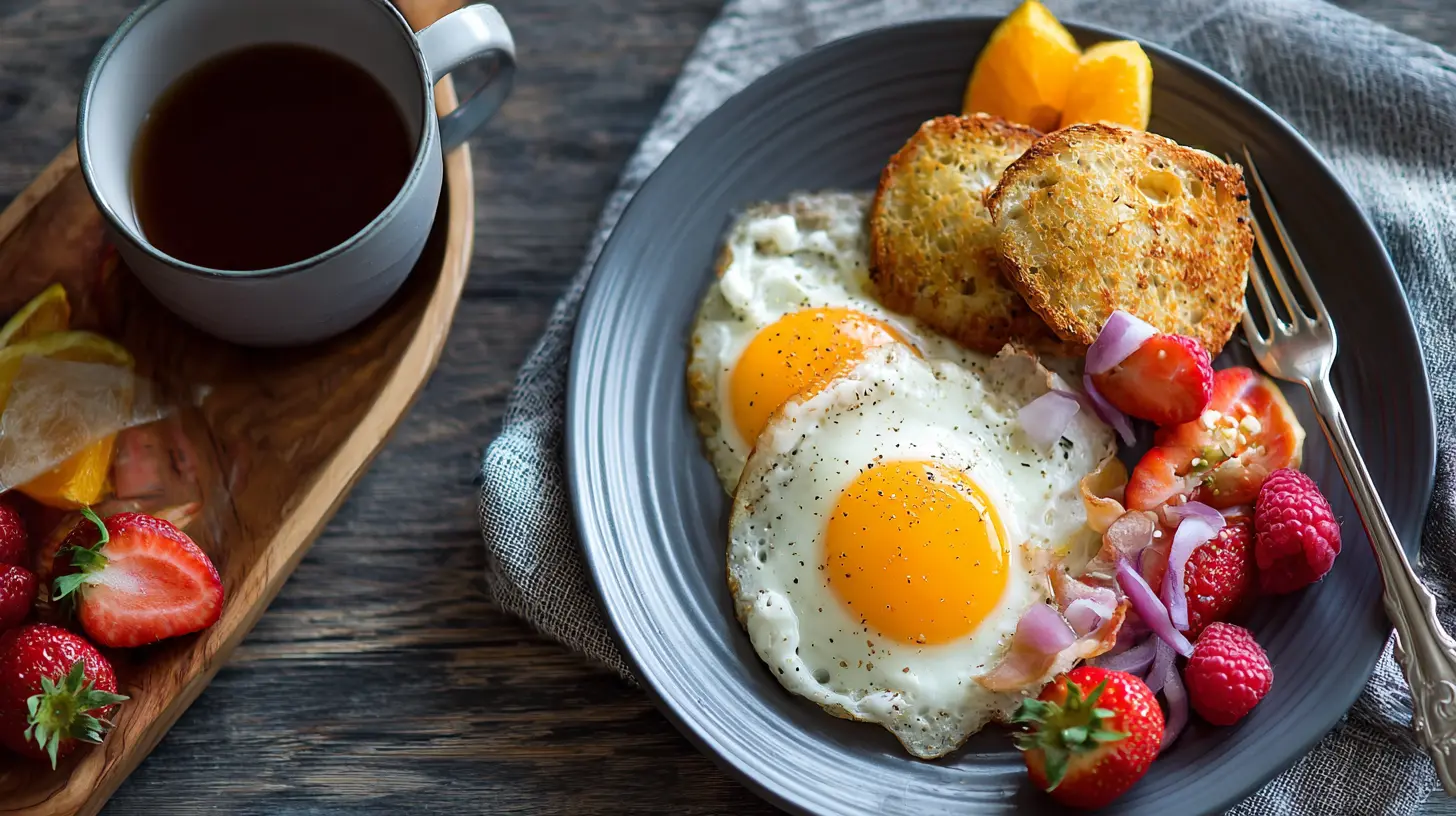
Avocado toast has become a cliche, but it is a cliche for a reason. The problem is that most people ruin it by adding honey, balsamic glaze, or eating it on thick white sourdough that spikes blood sugar. Here is a better version.Take one slice of dense, whole grain bread. Toast it. Mash half an avocado on top. Season with salt, pepper, and a pinch of chili flakes. Then add a poached or fried egg on top. The avocado provides monounsaturated fat, which improves insulin sensitivity over time. The egg provides high quality protein. The whole grain bread provides fiber and resistant starch.
Why does this work better than a bagel with cream cheese? Because the bagel is mostly refined flour. It converts to glucose almost instantly. The whole grain bread, especially if it has visible seeds and grains, takes much longer to break down. The fat from the avocado and the protein from the egg further slow digestion. You get a meal that tastes indulgent but acts like a slow release energy capsule.
If you are watching calories, use half an avocado instead of a whole one. If you are gluten sensitive, use a buckwheat or oat based bread. The principle stays the same. Fat plus protein plus fiber equals stable blood sugar.
Greek Yogurt Bowls Done Right
Greek yogurt is a breakfast staple for good reason. It is high in protein, relatively low in sugar, and creamy. But the store bought flavored versions are usually loaded with added sugar. A single cup of strawberry yogurt can have 15 to 20 grams of sugar, which is basically a candy bar. The fix is simple. Buy plain, full fat Greek yogurt and sweeten it yourself.Start with one cup of plain Greek yogurt. That gives you about 20 grams of protein. Add a small handful of fresh berries, maybe 30 to 40 grams. Blueberries, raspberries, and blackberries are lower in sugar than bananas or mangoes. Then add a tablespoon of chia seeds or ground flaxseed for fiber and omega 3s. If you need sweetness, use a pinch of cinnamon or a few drops of vanilla extract. You can also add a small spoonful of nut butter for extra fat and flavor.
The result is a breakfast that tastes sweet but has only about 8 to 10 grams of total sugar, most of it from the berries. Compare that to the 20 plus grams in a commercial yogurt cup. The difference is massive. And the chia seeds thicken the yogurt, making it more satisfying.
One mistake people make is choosing nonfat Greek yogurt. Fat is not the enemy here. In fact, the fat in full fat yogurt helps you absorb fat soluble vitamins and keeps you full. Nonfat versions often have added thickeners and more sugar to compensate for the lack of creaminess. So go with whole milk yogurt unless you have a specific medical reason not to.
Overnight Oats Without the Sugar Trap
Overnight oats are convenient, but they can easily become sugar bombs. The classic recipe uses milk, oats, honey, and fruit. That sounds healthy, but the honey and fruit can push the sugar content to 25 grams or more. Here is a better way.Use rolled oats, not instant. Instant oats are more processed and have a higher glycemic index. Rolled oats retain more fiber and break down slower. For the liquid, use unsweetened almond milk or plain regular milk. Avoid flavored milks like vanilla almond milk, which often have added sugar.
For sweetness, skip the honey. Use mashed banana, but only half of one. A whole banana adds about 14 grams of sugar. Half adds seven. Then add a tablespoon of peanut butter or almond butter. The fat and protein in the nut butter slow down the sugar from the banana. Add a teaspoon of chia seeds for extra fiber. Let it sit overnight.
In the morning, you have a creamy, satisfying breakfast with about 12 to 15 grams of sugar, mostly from the banana and the natural lactose in the milk. That is reasonable. But if you want to go even lower, use unsweetened coconut milk and skip the banana entirely. Use a few chopped strawberries instead, which have less sugar per serving.
The key is to remember that oats are a carbohydrate. They are not a protein. So you need to add protein to make the meal balanced. A scoop of unflavored protein powder works. So does Greek yogurt stirred in before serving. Do not rely on oats alone. You will be hungry by 10 a.m.
Smoothies That Do Not Spike Your Blood Sugar
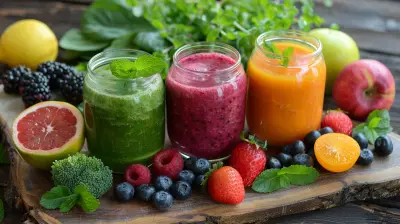
Smoothies are tricky. They seem healthy, but liquid sugar is absorbed faster than solid food. If you blend a bunch of fruit and juice, you are essentially drinking a soda with extra vitamins. The fix is to think of a smoothie as a meal, not a juice. That means protein, fat, and fiber must be the base, and fruit should be a flavoring, not the main ingredient.Start with a liquid base of unsweetened almond milk or plain water. Add a scoop of protein powder, preferably unflavored or vanilla with no added sugar. Add a tablespoon of nut butter or half an avocado for creaminess and fat. Add a handful of spinach or kale for fiber and micronutrients. Then add a small amount of fruit, maybe half a cup of frozen berries or a quarter of a banana. Blend.
The result is a smoothie that is greenish, creamy, and slightly sweet. It has about 10 grams of sugar, most of it from the berries. It also has 20 plus grams of protein, which keeps you full. If you cannot handle the taste of greens, start with just a small handful and increase gradually. Your palate will adapt.
Avoid fruit juice as a base. It has no fiber and a ton of sugar. Avoid dates and agave syrup. They are concentrated sugar even if they are natural. And avoid adding multiple types of fruit. A smoothie with banana, mango, and pineapple is a sugar overload, no matter how healthy it looks.
The Protein Pancake Myth
Protein pancakes sound like a health food, but many versions are just regular pancakes with a scoop of protein powder mixed in. The flour base is still refined, and the syrup is still sugar. If you want pancakes, you need to rebuild them from scratch.The best low sugar pancake base is a combination of almond flour, eggs, and a little baking powder. Almond flour is low in carbohydrates and high in fat and fiber. Eggs provide protein and structure. A typical recipe uses one cup of almond flour, two eggs, and a pinch of salt. That makes a batter that cooks like a pancake but has a fraction of the carbs.
For sweetness, do not use maple syrup. Use a small amount of sugar free syrup if you can tolerate artificial sweeteners, or use a spoonful of Greek yogurt with cinnamon and a few mashed berries. The berries provide natural sweetness without the glucose spike.
The main trade off is texture. Almond flour pancakes are denser and more fragile than regular pancakes. They do not get as fluffy. That is fine. You are eating them for fuel, not for a carnival experience. If you want fluffier, add a beaten egg white folded into the batter. That helps.
Remember that almond flour is calorie dense. A cup has about 640 calories. So portion control matters. One or two small pancakes is enough. Do not eat four and call it healthy.
Breakfast Bowls with Quinoa and Millet
Most people think of quinoa as a lunch or dinner grain, but it makes an excellent breakfast. It is a complete protein, meaning it contains all nine essential amino acids. It also has a low glycemic index, so it does not spike blood sugar.Cook quinoa in unsweetened almond milk instead of water. This adds creaminess and a hint of sweetness. Then top it with a spoonful of almond butter, a few sliced strawberries, and a sprinkle of cinnamon. The quinoa provides protein and fiber. The almond butter provides fat. The strawberries provide flavor with minimal sugar.
Millet works similarly. It is a gluten free grain with a mild, corn like flavor. Cook it like oatmeal, then add a pat of butter and a pinch of salt. Top with a fried egg or some leftover roasted vegetables for a savory version. Millet is high in magnesium, which helps with blood sugar regulation.
The reason these grains work better than oats for some people is that they have a different fiber profile. Oats are high in beta glucan, which is great, but some people still get a glucose response. Quinoa and millet tend to be more neutral. If you have noticed that oatmeal makes you sleepy or hungry later, try swapping to quinoa for a week and see how you feel.
Chia Pudding as a Make Ahead Option
Chia pudding is one of the best make ahead breakfasts because it requires no cooking. Mix three tablespoons of chia seeds with one cup of unsweetened almond milk and a pinch of salt. Stir well, then wait five minutes and stir again to prevent clumping. Cover and refrigerate overnight.In the morning, the chia seeds have absorbed the liquid and formed a pudding like texture. This works because chia seeds are mostly soluble fiber. They swell in liquid and form a gel. That gel slows down digestion and keeps you full for hours. A serving of chia pudding has about 11 grams of fiber, which is nearly half your daily needs.
For sweetness, add a teaspoon of vanilla extract and a small amount of mashed berries. Avoid honey or maple syrup. The pudding will be mildly sweet on its own, and your palate will adjust within a week. If you need more flavor, add a pinch of cardamom or nutmeg.
The downside is that some people find the texture slimy. If that is you, blend the chia seeds into a smoothie instead of letting them form a gel. Or mix them into Greek yogurt. The fiber benefits remain even if the texture changes.
What About Cereal and Toast
Cereal is the hardest breakfast to make low sugar because most commercial cereals are heavily processed. Even the ones that look healthy, like granola or muesli, often have added sugar and honey. A single serving of granola can have 10 to 15 grams of sugar. That is before you add milk.If you love cereal, the best option is to make your own. Toast a mix of rolled oats, nuts, and unsweetened coconut flakes in the oven. Do not add sweetener. The natural nuttiness is enough. Then serve it with plain Greek yogurt and a few berries. This gives you the crunch of cereal without the sugar.
For toast, the type of bread matters more than the topping. Look for bread with at least 3 grams of fiber per slice and no added sugar in the ingredient list. Many commercial whole wheat breads have sugar or high fructose corn syrup. Read the label. If sugar is in the first five ingredients, put it back.
A good low sugar toast combination is a slice of dense pumpernickel bread with mashed avocado and a sprinkle of salt. Or a slice of whole grain bread with a thin layer of peanut butter and a few banana slices. The peanut butter provides protein and fat. The banana provides sweetness, but the fat slows down the sugar absorption.
Common Mistakes People Make
The biggest mistake is replacing sugar with artificial sweeteners and thinking the problem is solved. Artificial sweeteners do not raise blood sugar, but they can affect your gut microbiome and your cravings. Some studies suggest they make you crave more sweet foods later. So if you are trying to reset your palate, it is better to reduce sweetness overall rather than swap one sweetener for another.Another mistake is eating too little. A low sugar breakfast should still be a full meal. If you eat only a handful of almonds and a coffee, you will be starving by 10 a.m. and likely overeat at lunch. Aim for at least 300 to 400 calories in the morning, with 20 to 30 grams of protein.
A third mistake is ignoring portion sizes of healthy foods. Nut butters, avocados, and full fat dairy are nutritious, but they are calorie dense. A serving of nut butter is two tablespoons, not half a jar. A serving of avocado is a quarter to half of one, not a whole one. If you eat too much, you will gain weight, and weight gain worsens insulin resistance.
Finally, do not fall for gluten free labels as a proxy for healthy. Many gluten free breakfast foods are made with rice flour and tapioca starch, which have a high glycemic index. They spike blood sugar just like white bread. Gluten free does not mean low sugar or low carb.
How to Build Your Own Low Sugar Breakfast Routine
Start small. Pick one or two breakfasts from this list and try them for a week. Notice how you feel at 10 a.m. and again before lunch. If you feel less hungry and more focused, you are on the right track. If you feel tired, you may need more calories or more protein.Keep a few ingredients on hand at all times. Eggs, plain Greek yogurt, rolled oats, chia seeds, frozen berries, almond butter, avocados, and whole grain bread. These are the building blocks. If you have these, you can make a low sugar breakfast in under ten minutes on a busy morning.
Prepare ahead when you can. Overnight oats and chia pudding take five minutes the night before. Hard boil a few eggs on Sunday. Wash and chop vegetables for omelets. The more you prep, the less likely you are to grab a sugary muffin on the way out the door.
Do not aim for perfection. If you have a sugary breakfast once in a while, it is not a failure. It is just a meal. The goal is consistency, not purity. Over time, your taste buds will change, and the sweet stuff will start to taste overly sweet. That is a sign that your body is adapting.
Final Thoughts
A low sugar breakfast is not about deprivation. It is about choosing foods that work with your biology instead of against it. Protein, fat, and fiber are your allies. Refined sugar and refined grains are your opponents. When you build your morning around the right nutrients, you set the tone for the entire day. You think clearer, you feel steadier, and you are less likely to crave junk later.Start with the ideas in this article. Pick one that appeals to you. Try it for a few days. Adjust the portions and flavors to match your taste. Before long, you will not miss the sugary cereal at all. You will wonder how you ever ate it in the first place.
all images in this post were generated using AI tools
Category:
Low Sugar DietAuthor:

Holly Ellison
Discussion
rate this article
1 comments
Rachel Romero
Great ideas for a healthy start!
September 3, 2026 at 2:53 AM
Holly Ellison
Thanks! I'm glad you found the ideas helpful. Enjoy your healthy breakfasts!