The Ultimate Guide to Low Sugar Living in 2026
19 April 2026
Let’s be honest. The term "low sugar living" probably conjures up images of sad, beige food and a life of constant deprivation, doesn’t it? What if I told you that by 2026, it’s evolved into something entirely different? It’s no longer about grimly counting grams or swearing off dessert forever. It’s become a sophisticated, almost intuitive approach to nourishment—a way of eating that feels less like a restrictive diet and more like unlocking a secret level of vitality. This isn't your grandma's advice to "just cut out soda." The landscape has shifted, the science has deepened, and the tools at our disposal have become incredibly smart. Welcome to your ultimate guide to thriving with low sugar living in 2026, a roadmap built not on fear, but on flavor, energy, and profound well-being.

Why 2026 is The Sweet Spot for Change
You might wonder, why focus on 2026? Haven't we been talking about sugar for years? We have, but we’re at a fascinating inflection point. The conversation has moved from the fringe to the fundamental. It’s like the difference between hearing a rumor and reading the peer-reviewed study. We now have a decade of robust data showing the effects of chronic high sugar intake on everything from our gut microbiome and mental clarity to our skin’s elasticity and long-term metabolic health. Public policy is catching up, with clearer labeling and even sugar taxes in some regions nudging the food industry. But more importantly, consumer technology and personalized nutrition have made this journey uniquely yours. In 2026, low sugar living is supported by a ecosystem—from AI-powered pantry scanners to continuous glucose monitors (CGMs) available for personal use—that makes it more accessible and personalized than ever before. The "why" is no longer just weight loss; it's about optimizing your own human operating system.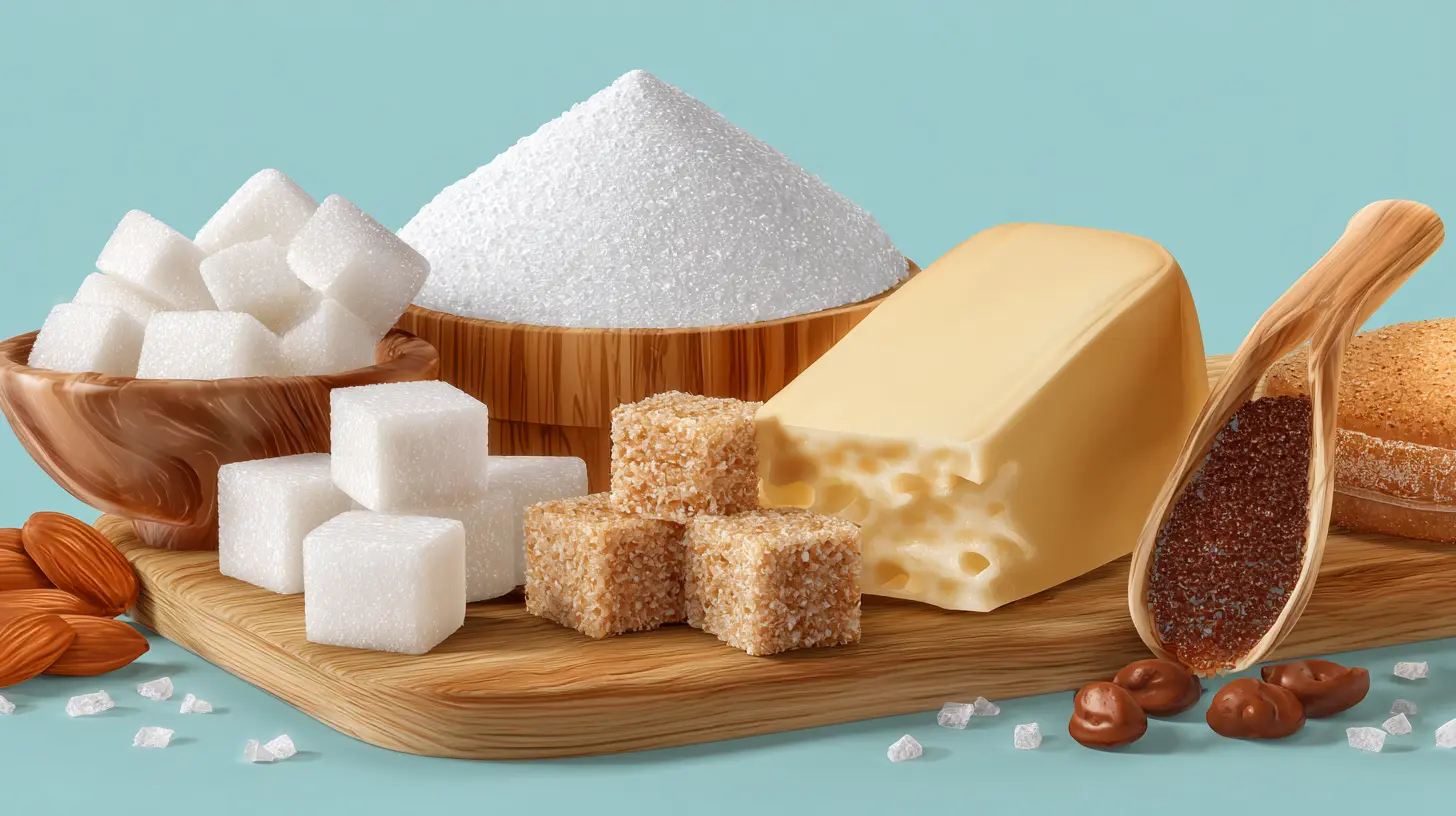
Decoding The Modern Sugar Maze: It’s Not Just The White Stuff
Here’s where most early attempts fail: they target the obvious villains—table sugar, candy, cake—but miss the hidden army. In 2026, being sugar-savvy means understanding the entire carbohydrate spectrum and how your unique body responds. Think of it like this: sugar isn’t a single monster under the bed; it’s a whole cast of characters, some friendlier than others.* The Obvious Offenders: Added sugars in sauces, dressings, "healthy" granolas, and yogurts. These are the sneaky saboteurs.
* The Natural, But Concentrated: Honey, maple syrup, agave. While "natural," they’re still a dense hit of fructose and glucose to your liver. Your body processes them similarly to table sugar.
* The Context-Dependent Carbs: This is the advanced class. A sweet potato, a bowl of quinoa, a slice of sourdough. These aren’t "sugary," but they break down into glucose. The magic word here is context. Are they paired with fiber, fat, and protein? What’s your activity level? What’s your individual insulin sensitivity? This nuanced understanding is the cornerstone of 2026’s approach.

Your 2026 Low Sugar Toolkit: Tech, Mindset, and Plate
This is where it gets exciting. Going low-sugar today isn't about willpower alone; it's about leveraging smart strategies.1. Embrace Your Inner Data Detective
Forget guesswork. The single biggest game-changer is the democratization of personal glucose monitoring. Affordable, wearable CGMs (or even non-invasive scanners) give you real-time feedback on how your body reacts to that apple, that stress, that poor night's sleep. You learn that for you, oatmeal might spike your glucose, but your friend thrives on it. This bio-individuality is the heart of modern low-sugar living. It turns abstract advice into personal truth.2. Master the Art of The Balanced Plate
This is your foundational skill. Visualize your plate not as a collection of foods, but as a symphony of macros designed for stable energy.* The Foundation (½ plate): Non-starchy vegetables. Color, fiber, and volume. They’re the ballast in your ship, keeping everything steady.
* The Sustenance (¼ plate): Quality protein—grass-fed meat, wild fish, eggs, legumes, tofu. Protein is the anchor, slowing digestion and keeping you satiated for hours.
The Intelligent Energy (¼ plate): This is your strategic carb placement. A small serving of complex carbs like roasted root vegetables, berries, or a portion of whole grains. The key is they’re never* eaten alone. They’re always on a plate anchored by fat, fiber, and protein.
3. Rewire Your Sweet Tooth with Flavor Alchemy
Deprivation is a failed strategy. The 2026 approach is about flavor crowding-out. You don’t just remove sugar; you add so much incredible taste that you don’t miss it.* Fat is Flavor: High-quality olive oil, avocado, nuts, and seeds add a luxurious mouthfeel and satisfaction that sugary foods can’t match.
* Acid is Your Ace: A splash of vinegar, a squeeze of lemon or lime. Acid brightens flavors and balances sweetness naturally.
* Spice and Herbs: Cinnamon, cardamom, nutmeg, vanilla bean, fresh basil, mint. These add complexity and trick your brain into a more sensory-rich experience.

Navigating The Real World: Dining Out, Social Pressures, and Slip-Ups
A plan that only works in your kitchen is a fragile plan. Low sugar living in 2026 is built for resilience.At the restaurant, you’re the confident director. Ask for sauces and dressings on the side. Swap the starchy side for an extra vegetable. Look for dishes built around protein and vegetables first. Most chefs in 2026 are accustomed to these requests—you’re not a nuisance; you’re an informed customer.
Social situations require a kind script. “I’m just trying to see how different foods make me feel!” is a positive, non-judgmental stance that invites curiosity, not criticism. Bring a dish you love and can enjoy freely.
And what about slip-ups? Here’s the wisdom: they are data points, not moral failures. Did that dessert make you feel jittery and then crash? Good. That’s valuable intel for next time. The path isn’t a straight line; it’s a spiral where you keep coming back to center with more knowledge each time.
The Sweet Rewards: What to Expect When You Expect Less Sugar
This journey’s rewards go far beyond the scale. They unfold like a series of welcome surprises:1. The Great Energy Unification: Say goodbye to the 3 PM crash. Your energy becomes a steady, reliable stream, not a series of unpredictable surges and blackouts.
2. Mind Like a Clear Sky: Brain fog lifts. You’ll notice sharper focus, better memory recall, and a calmer, more stable mood. Your brain, freed from the glucose rollercoaster, can finally operate at its peak.
3. A New Relationship with Hunger: Hunger becomes a gentle whisper, not a ravenous scream. You’ll feel genuine, physical hunger cues return, distinct from emotional or boredom-driven cravings.
4. The Skin Glow: Reduced systemic inflammation and glycation (where sugar damages collagen) often lead to clearer, more radiant skin. It’s the glow from the inside out.
Making It Stick: This is Your Lifestyle, Not Your Sentence
The ultimate goal is for this to feel effortless—your default setting. That happens when you shift from restriction to curation. You’re not denying yourself sugar; you’re choosing stable energy, vibrant health, and deep flavor. You’re the curator of your own well-being.Start not with a purge, but with a simple swap. Next week, focus on breakfast. The week after, tackle your afternoon snack. Be a scientist in your own life. Get curious. How do you feel after that low-sugar, high-fat lunch? Probably amazing.
In 2026, low sugar living has shed its austere, punitive past. It’s a dynamic, intelligent, and deeply personal practice of self-care. It’s about choosing the fuel that lets you live with more energy, clarity, and joy. The path is here, the tools are in your hands, and your future vibrant self is waiting. Why not start the conversation with your next meal?
all images in this post were generated using AI tools
Category:
Low Sugar DietAuthor:

Holly Ellison
Discussion
rate this article
2 comments
Julia Wolfe
Thank you for this insightful guide! Embracing low sugar living has transformed my health and energy levels. Grateful for practical tips that inspire a healthier lifestyle!
April 22, 2026 at 3:32 PM
Holly Ellison
I'm so glad to hear that! It's amazing how small changes can lead to big improvements. Thanks for sharing your experience!
Drift Chapman
This article is a fantastic resource for anyone looking to reduce sugar intake in 2026. It offers practical tips, delicious recipes, and valuable insights for a healthier lifestyle. Highly recommend!
April 21, 2026 at 4:18 PM
Holly Ellison
Thank you for your kind words! I'm glad you found the guide helpful. Here's to a healthier 2026!