The Science of Stretching: How It Improves Flexibility and Function
20 May 2026
Let’s face it—stretching doesn’t get nearly enough credit. Most of us treat it like an afterthought, a quick 10-second toe-touch before a workout, or something we skip entirely because “who has the time, right?” But here’s the truth: stretching is a powerhouse for your body. It’s not just about getting bendy or touching your toes. It has real, science-backed benefits that go way beyond flexibility.
In this article, we’re diving into the nitty-gritty of how stretching works, why it matters, and how it can seriously upgrade your body’s flexibility and function. Whether you're an athlete, desk worker, or somewhere in between, this stuff matters!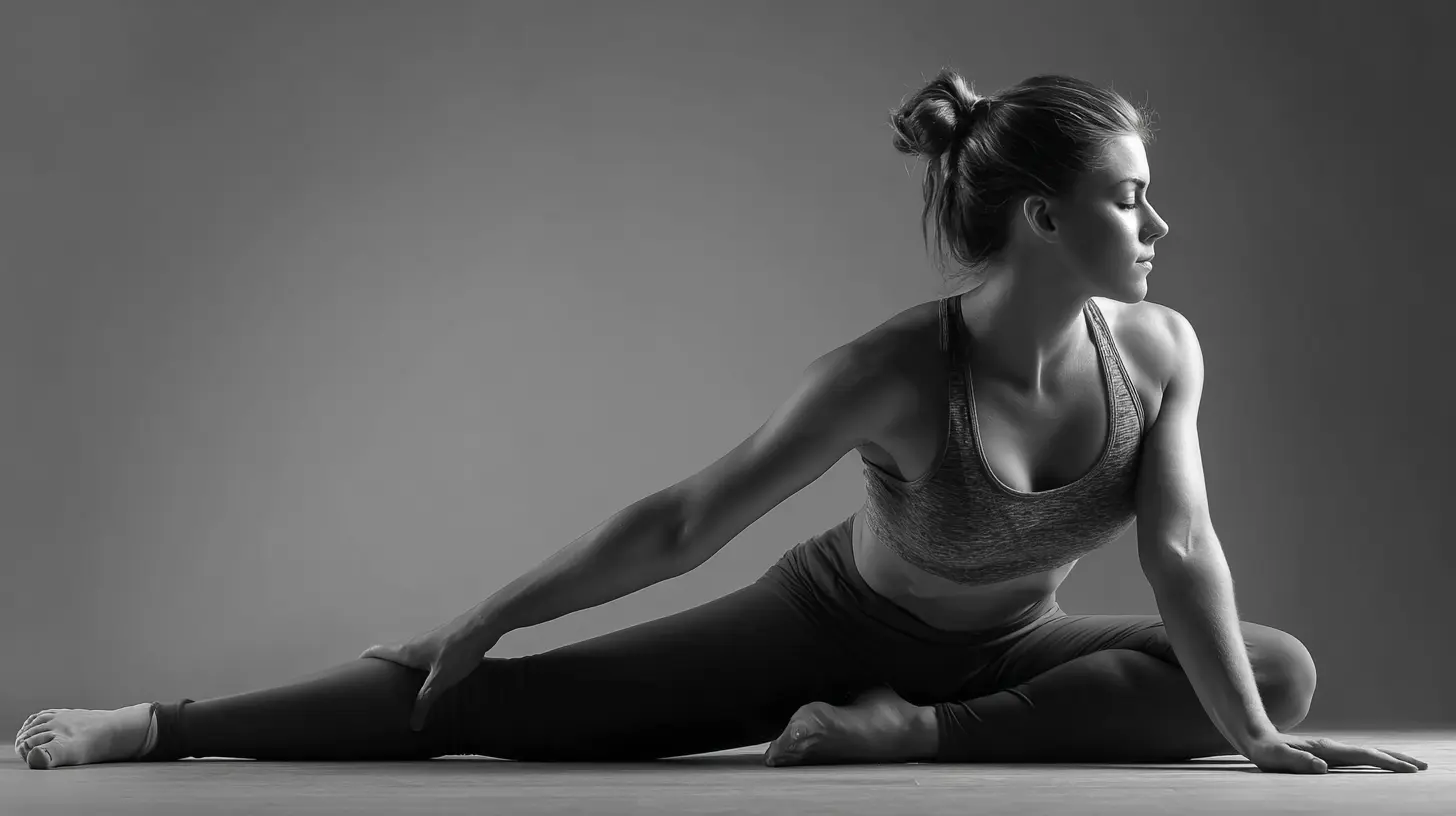
What Is Stretching, Really?
Before we zoom in on the details, let’s get clear on what stretching actually is. Stretching is the act of deliberately lengthening muscles to increase muscle flexibility and improve joint range of motion. Sounds simple, right?But here's the kicker: there's actual science happening when you stretch. Your brain communicates with your muscles via the nervous system, and when you stretch, you're essentially teaching your muscles and tendons how far they can safely go. Think of it like gently negotiating new boundaries with your body.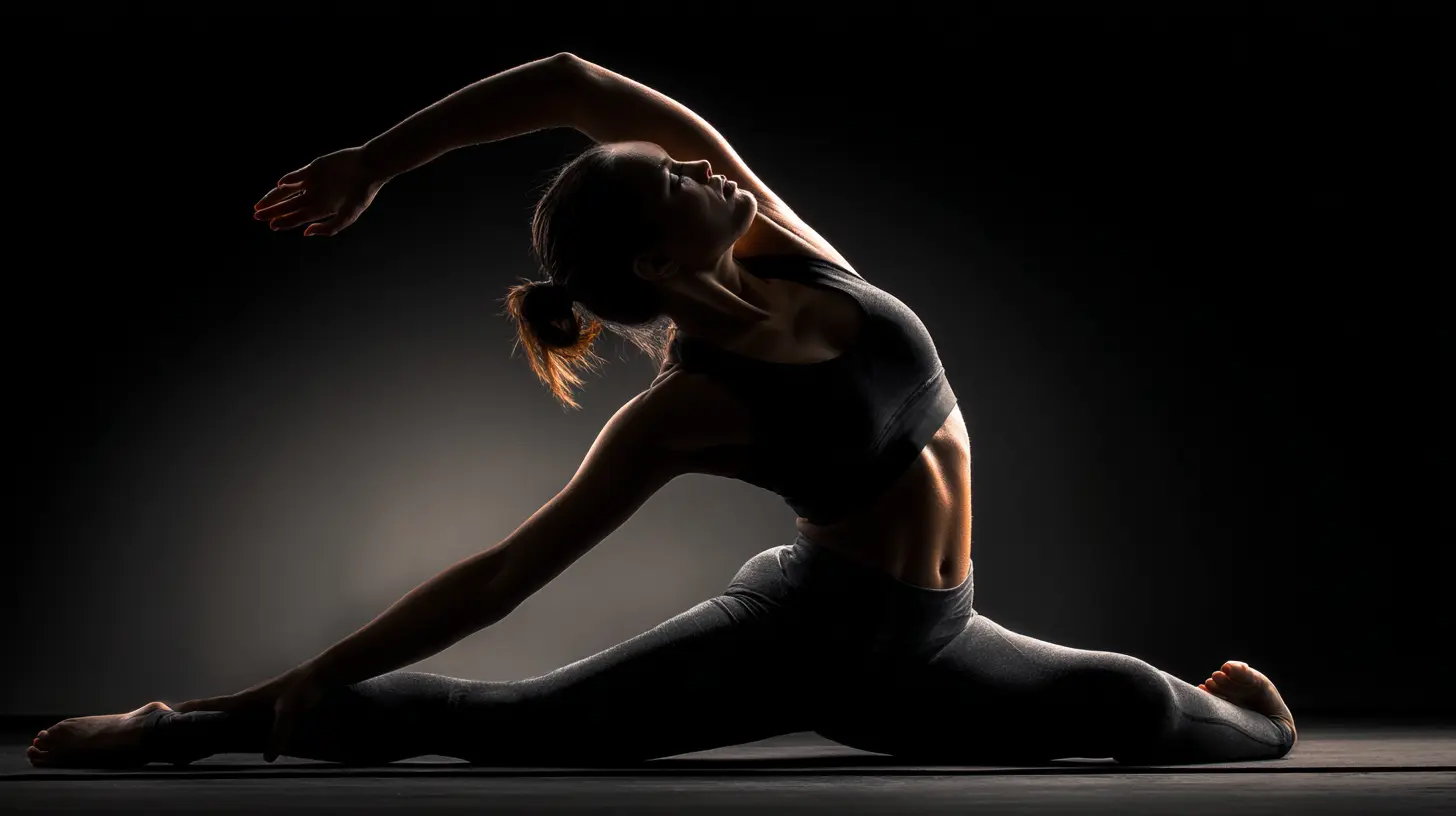
Types of Stretching: Not All Are Created Equal
Ever heard someone say, "Don’t bounce when you stretch!" or “Hold it for at least 30 seconds”? That’s because not all stretching techniques are the same. Let me break down the big four:1. Static Stretching
This is the most common type—you stretch a muscle to its furthest point and hold it there. Think hamstring stretches, shoulder stretches, etc.Best for: After workouts or during cool-downs.
2. Dynamic Stretching
These involve moving parts of your body through a full range of motion in a controlled way. Think leg swings or arm circles.Best for: Before exercise to warm up muscles and prep for movement.
3. Ballistic Stretching
This is where you bounce in and out of a stretch, usually quite aggressively. For example, bouncing down to touch your toes.Best for: Honestly? Best avoided unless you’re a trained athlete under professional supervision.
4. PNF Stretching (Proprioceptive Neuromuscular Facilitation)
Mouthful, right? This involves stretching a muscle, then contracting it, and stretching again. It’s often done with a partner or therapist.Best for: Improving range of motion. Perfect for physical therapy or serious flexibility training.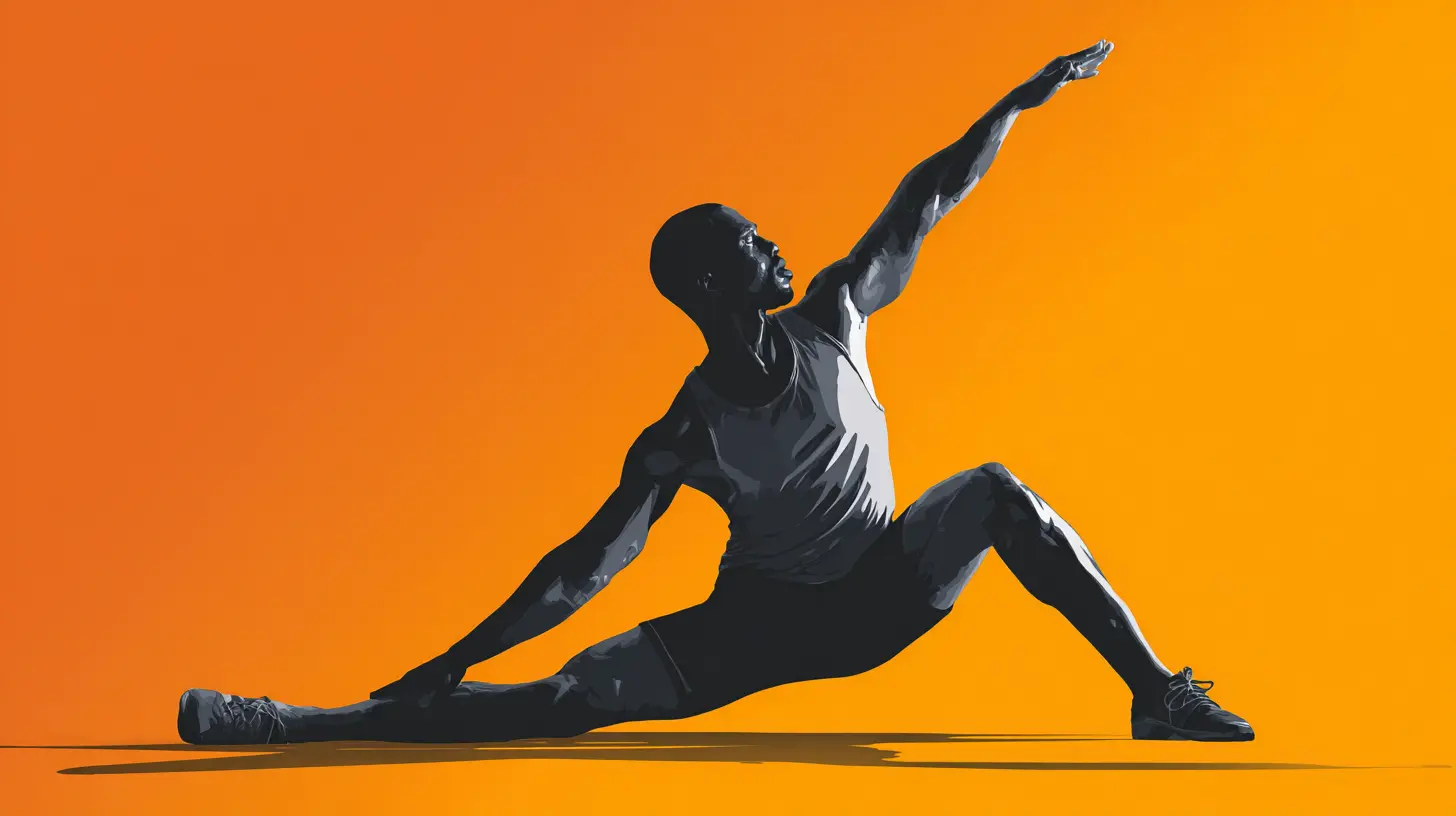
The Physiology: What Happens When You Stretch?
Alright, let’s talk science—don’t worry, I’ll keep it simple.When you stretch, here’s what happens:
- Muscle fibers elongate, increasing flexibility.
- Stretch receptors in your muscles send signals to the spinal cord about the length and tension of the muscle.
- If the stretch is held long enough (typically 30 seconds or more), the nervous system adapts, allowing you to stretch further.
- Improved circulation brings fresh oxygen and nutrients to your muscles, helping with recovery and performance.
In short, stretching isn’t just moving muscles—it’s rewiring your brain-body connection.
How Stretching Boosts Flexibility
Flexibility is more than just a party trick. It’s your body’s ability to move through a full range of motion without pain or restriction. And spoiler alert: we lose flexibility with age if we don’t do something about it.Here's how stretching plays a role:
- Increased muscle length: Over time, consistent stretching literally makes your muscles longer and more elastic.
- Improved joint mobility: Tight muscles can restrict joint movement. Stretching loosens them up, giving your joints more freedom.
- Reduced muscle stiffness: Think of your muscles like rubber bands—the more you stretch them, the less likely they are to snap.
Flexible muscles also mean fewer injuries. Ever pulled a hammy sprinting off the couch? Yeah, that’s poor flexibility at work.
Functional Benefits of Stretching
So, stretching helps with flexibility. Cool. But what about actual day-to-day function? You know, the stuff that makes your body work better?Check this out:
1. Better Posture
Tight muscles, especially in the chest, shoulders, and hip flexors, pull your body out of alignment. Stretching these muscles helps your body return to its natural posture, reducing strain on your back and neck.2. Reduced Risk of Injury
Flexible muscles are less likely to tear or strain. Plus, joints with a full range of motion are better at absorbing impact, which protects your ligaments and tendons.3. Enhanced Athletic Performance
Ever tried running or lifting with stiff muscles? It’s like trying to run in jeans two sizes too small. Stretching helps muscles move more freely, which can translate to better speed, strength, and agility.4. Decreased Muscle Soreness
Gentle stretching after a workout increases blood flow and decreases lactic acid buildup, which can help you recover faster and hurt less the next day.5. Stress Relief and Mental Clarity
Stretching doesn’t just impact your muscles—it affects your mind. Slow, mindful stretching calms your nervous system, lowers cortisol (your stress hormone), and brings you into a more relaxed state. It’s like yoga’s chill cousin.Common Stretching Myths—Busted
Let’s clear up some cloudy ideas people have about stretching.“Stretching before a workout prevents injuries.”
Actually, static stretching before intense activity can slightly weaken muscles temporarily. Instead, go for dynamic stretches before and save the statics for after.“You have to stretch every day to see benefits.”
While daily stretching helps, even 2-3 times a week can improve flexibility and function if you stay consistent.“Stretching should hurt to work.”
Nope. You should feel tension, not pain. If it hurts, you’re pushing too far and risking injury.How to Build a Solid Stretching Routine
So, how do you actually put this knowledge into action? Here's a simple roadmap.1. Warm Up First
Never stretch cold muscles—it’s like trying to bend a frozen rope. Do 5-10 minutes of light cardio (jogging in place, a brisk walk) to get blood flowing.2. Choose the Right Stretch for the Right Time
- Before a workout: Use dynamic stretches to prep your muscles.- After a workout: Use static stretches to cool down and improve flexibility.
- During rest days: Use a mix of static and PNF stretching to deepen flexibility.
3. Hold, Don’t Bounce
Aim to hold each stretch for 20–60 seconds and repeat each one 2–3 times. Bouncing only increases your risk of injury.4. Listen to Your Body
Every stretch should feel challenging but never painful. Work with your body, not against it.Best Stretches for Everyday Function
Here’s a quick list of gold-standard stretches almost anyone can benefit from:- Hamstring Stretch: Helps with lower back and leg flexibility.
- Hip Flexor Stretch: Crucial for desk jockeys.
- Chest Opener: Reverses hunching from screen time.
- Neck Stretch: Eases tension from poor posture.
- Cat-Cow Stretch: Keeps the spine mobile and healthy.
Try adding a few of these to your morning routine or wind-down at night. Your future self will thank you.
Who Should Be Stretching? (Hint: Everyone)
Let’s be real: stretching isn’t just for yogis or athletes. Whether you're 25 or 65, lifting weights or lifting groceries, your body needs to move well to live well.Even if you’re sedentary, stretching can:
- Prevent stiffness and joint pain
- Encourage better circulation
- Improve balance and coordination
- Decrease stress levels
Bottom line? If you have a body, you need to stretch it.
Final Thoughts: Why Stretching Deserves a Spot in Your Routine
Stretching isn’t flashy. You won’t break a sweat. There’s no scoreboard. But behind the scenes, it’s quietly boosting nearly every system in your body—from your joints and muscles to your brain and nervous system.So next time you're tempted to skip it, remember: stretching isn't just a warm-up act, it's the main event when it comes to long-term mobility, injury prevention, and overall body function.
Start small. Be consistent. And stretch like your health depends on it—because honestly, it kind of does.
all images in this post were generated using AI tools
Category:
WorkoutsAuthor:

Holly Ellison
Discussion
rate this article
2 comments
Alexia McMeekin
Oh great, so stretching actually helps. Who knew? Next, you'll tell me that eating vegetables is good for me too. What a groundbreaking revelation!
September 19, 2026 at 2:32 PM
Bridget Carey
Stretching is essential for overall health. It enhances flexibility, reduces injury risk, and boosts performance. Incorporate it into your routine for better movement and well-being.
May 23, 2026 at 3:23 AM
Holly Ellison
Absolutely. Stretching plays a key role in keeping both the body and mind in top shape. It really is worth making it a regular part of your routine.