The Science Behind Muscle Soreness and How to Alleviate It
18 August 2026
Ever hit the gym after a long break and felt like your muscles were screaming at you the next day? Yep—that’s muscle soreness knocking on your door. Whether you're a seasoned lifter, a weekend warrior, or just someone trying to stay active, muscle soreness is something we’ve all felt. But have you ever stopped to wonder why it happens? What’s really going on inside those aching muscles? And more importantly, how can you ease the discomfort without halting your fitness momentum?
In this post, we’re diving deep into the science behind muscle soreness and laying out practical ways to shake off the post-workout blues. Let’s get into it.
What Is Muscle Soreness, Really?
Let’s start with the basics. Muscle soreness, especially the kind that hits a day or two after your workout, is known as Delayed Onset Muscle Soreness (DOMS for short). It's that stiff, tender, sometimes burning sensation that peaks around 24 to 72 hours after exercise.Think of DOMS as your muscles’ way of saying, “Hey, that was tough—we're rebuilding.” It’s a totally natural part of getting stronger. But, oh man, can it be annoying.
What Causes That Achy Feeling?
Contrary to popular belief, soreness isn’t from lactic acid building up. That’s actually a myth! So what’s really to blame?1. Microscopic Muscle Damage
When you challenge your muscles with new or intense activities, especially eccentric movements (like lowering a weight or running downhill), tiny tears occur in the muscle fibers. These aren't harmful; they're part of how your body builds stronger muscles.2. Inflammation
Your body isn’t just sitting there doing nothing after a workout. It responds to those microtears with inflammation. Blood flow increases to bring nutrients and remove waste, and this process can trigger pain receptors.3. Chemical Reactions in the Muscle
Those sore areas are also affected by the release of certain enzymes and immune system chemicals that sensitize your nerves, adding to the discomfort.So in short—DOMS is your body’s repair process in action. Painful? Yes. Dangerous? Not usually.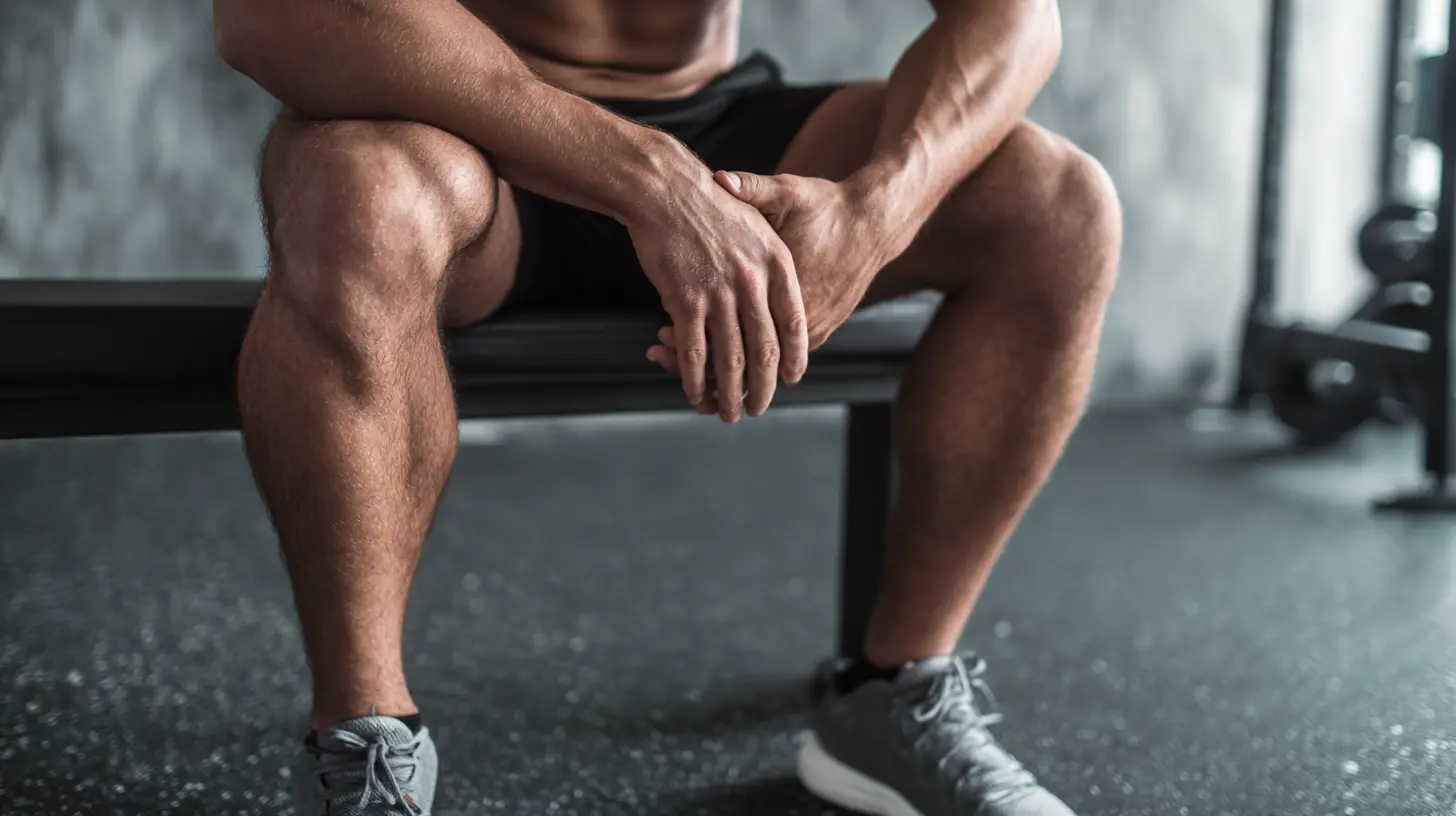
How Long Does Muscle Soreness Last?
Typically, muscle soreness starts to show up 6–12 hours after exercise, peaks between 24–72 hours, and fades over the next few days. If it sticks around longer than a week or gets worse, it might be time to talk to a doctor.But if you’re just wincing while walking down stairs the day after leg day—you’re in the DOMS zone.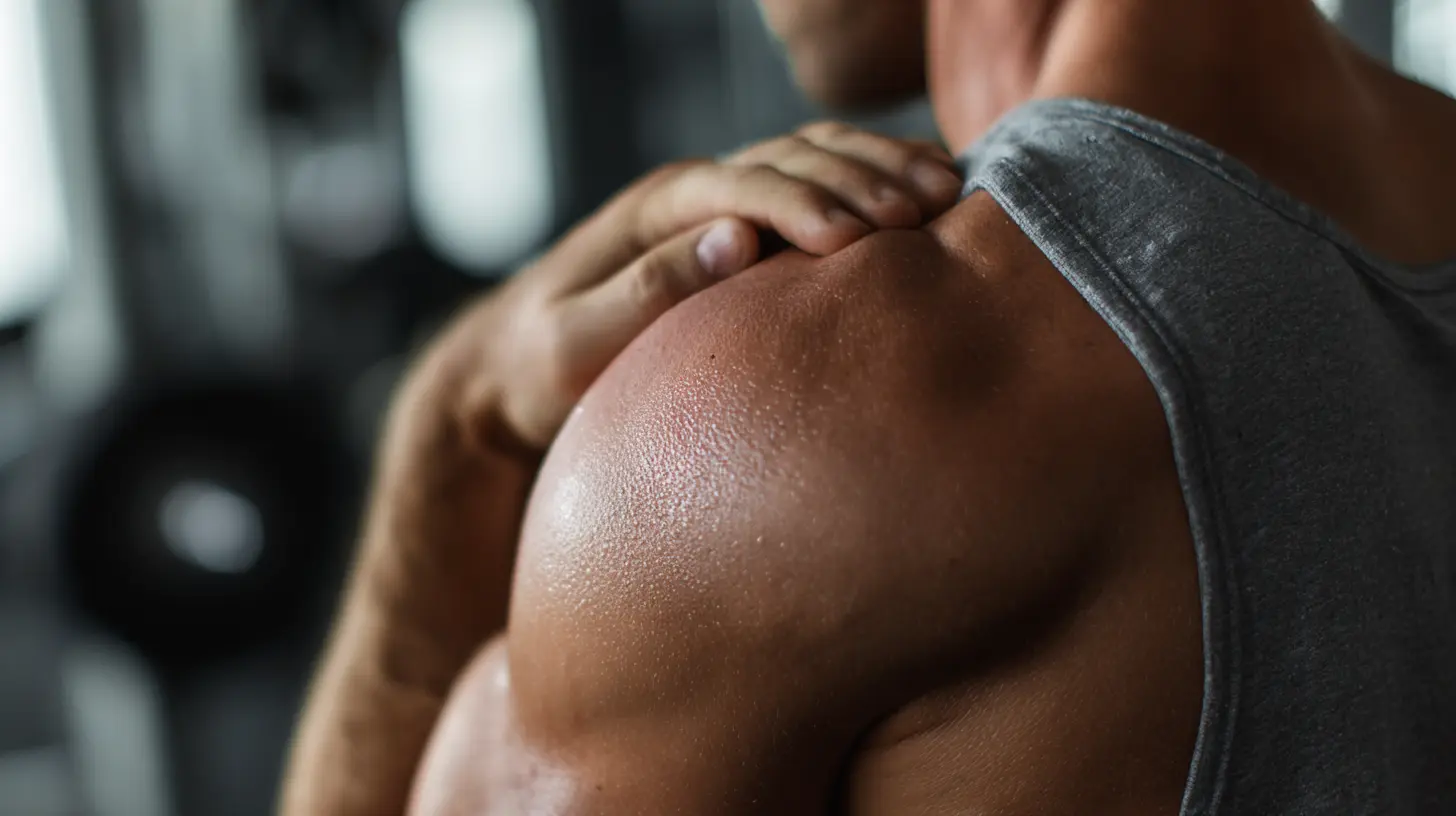
Who Gets Muscle Soreness?
The short answer: everyone.Even elite athletes experience DOMS when they switch up their routine. Newbie at the gym? You’ll feel it. Training for a marathon? You’ll feel it. Just challenged your muscles in a new way? Yup, you’ll feel it.
So if you’re sore, take it as a sign that you’re pushing your limits—and that’s a good thing, as long as you're being smart about it.
Myths About Muscle Soreness
Before we dive into strategies to ease soreness, let’s do a little myth-busting.❌ "No Pain, No Gain"
This might be the most overused gym quote of all time. While some discomfort is expected with progress, chronic or intense pain is your body telling you to slow down. Progress doesn’t have to hurt like crazy.❌ “Soreness Means a Good Workout”
Not exactly. While soreness can indicate that you challenged your muscles, it doesn’t necessarily mean the workout was effective. Consistency, proper form, and progression are what really count.❌ “If I’m Not Sore, I’m Not Improving”
Totally false. As your body adapts to your training, you might not feel sore anymore, and that’s actually a good thing—it means you’re becoming more efficient and recovering better.How to Alleviate Muscle Soreness
Okay, here’s what you’ve been waiting for—how to stop walking like a penguin the day after squats. ?1. ? Ice or Heat?
Both ice packs and heating pads have their place.- Use ice in the first 24 hours if there’s inflammation or swelling.
- Use heat a day or two later to relax tight muscles and improve blood flow.
2. ?♂️ Gentle Movement
It might feel counterintuitive, but moving actually helps. Light activities like walking, yoga, or cycling increase circulation, which helps flush out waste products and get nutrients to your muscles faster.3. ? Warm Baths or Epsom Salt Soaks
A warm bath can do wonders for tight, achy muscles. Add in some Epsom salts (magnesium sulfate), and many people swear it helps reduce muscle tension and pain.4. ? Stretching (But Not Too Much)
Gentle stretching after a workout can reduce tightness. But don’t overdo it—deep stretching sore muscles can actually make things worse.5. ? Foam Rolling and Massage
Foam rolling is like self-massage. It helps break up fascia (the connective tissue around muscles) and encourages blood flow. A professional massage doesn't hurt either—just make sure they’re gentle if you're super sore.6. ? Stay Hydrated
Sore muscles need hydration to recover. Water helps flush out toxins and keeps your muscles functioning properly. Don’t underestimate the power of simple H2O.7. ? Nutritious Food
Your muscles are rebuilding, and they need the right tools. Focus on:- Lean proteins (chicken, beans, tofu, eggs)
- Healthy fats (avocado, nuts)
- Antioxidants (berries, leafy greens)
- Omega-3s (salmon, chia seeds)
These help reduce inflammation and speed up recovery.
8. ? Get Quality Sleep
If you’re skipping sleep, you’re sabotaging your recovery. Sleep is when your body goes into full repair mode. Aim for at least 7–9 hours a night.9. ? Try Natural Anti-Inflammatories
Things like turmeric, ginger, and tart cherry juice have been shown to help reduce inflammation naturally. Some athletes swear by them!10. ? Breath and Relaxation Techniques
Stress puts your body in a fight-or-flight mode, which can interfere with recovery. Try deep breathing, meditation, or even a few minutes of lying down and doing absolutely nothing. Rest is productive too.When to Worry About Muscle Soreness
Most of the time, DOMS is harmless. But there are a few red flags to look out for:- Soreness that lasts more than 5–7 days
- Pain that’s sharp, stabbing, or localized to joints
- Swelling or bruising
- Difficulty moving a limb or bearing weight
These could signal something more serious, like a strain or rhabdomyolysis (a rare but dangerous condition where muscle tissue breaks down rapidly). If in doubt, don’t tough it out—check in with a medical pro.
Can You Prevent Muscle Soreness?
You might not be able to totally avoid soreness, but you can definitely dial it down.✅ Warm-Up Before Exercise
Get the blood flowing to your muscles before you push them.✅ Cool Down After Workouts
Give your body a chance to return to resting levels and flush out waste.✅ Progress Gradually
Don’t go from couch to 100 burpees in one day. Increase intensity and volume slowly.✅ Stay Consistent
The more often you train, the more your body adapts—and the less sore you’ll feel over time.✅ Listen to Your Body
If your body’s screaming, “Take a rest day,” don’t ignore it. Respect the signals.Final Thoughts
Muscle soreness is part of the fitness journey—it’s like a rite of passage. It’s your body’s way of growing, adapting, and becoming stronger. Still, being sore doesn’t mean you’re doing everything right, just like being pain-free doesn’t mean you’re slacking.The key? Find the balance. Push yourself, but don’t break yourself. Take care of your body with smart recovery habits, and it’ll take care of you right back.
So next time you're struggling to sit down on the toilet after leg day, just smile and know: your muscles are putting in the work.
Quick Recap
- DOMS is caused by tiny tears and inflammation in your muscles post-exercise.- It typically peaks around 48 hours after your workout and gradually fades.
- You can ease soreness with heat, movement, hydration, nutrition, and rest.
- Don’t believe muscle soreness myths—more pain doesn’t mean more gains.
- Prevent soreness by warming up, cooling down, and progressing gradually.
all images in this post were generated using AI tools
Category:
Post Workout RecoveryAuthor:

Holly Ellison
Discussion
rate this article
1 comments
Lisette Castillo
What if the pain you feel is just your muscles whispering secrets about their strength and resilience? Explore why...
August 20, 2026 at 3:11 AM
Holly Ellison
That's an interesting perspective! Pain can indeed signal growth and strength. Understanding the science behind muscle soreness helps us appreciate our bodies' resilience and find effective ways to recover.