The Importance of Staying Physically Active During Cold and Flu Season
23 April 2026
When the cold and flu season rolls in, many of us instinctively bundle up, stay indoors, and cut back on physical activity. It’s tempting to trade workouts for movie marathons under a pile of blankets. But here’s the kicker—staying active during this time is one of the best things you can do for your health!
Regular exercise boosts your immune system, keeps your body functioning at its best, and even helps combat winter blues. So, before you hit the snooze button and skip your workout, let’s talk about why staying physically active during cold and flu season is essential.

How Exercise Boosts Your Immune System
Your immune system is your body’s frontline defense against infections, and regular physical activity helps keep it in top shape. But how exactly does exercise strengthen immunity?1. Increases Circulation of Immune Cells
When you move, your blood flow increases, helping immune cells circulate more efficiently. These cells patrol your body, searching for viruses and bacteria to destroy before they cause an infection. Think of them as security guards—exercise makes sure they’re on high alert!2. Reduces Stress and Lowers Cortisol Levels
Chronic stress weakens the immune system, making you more vulnerable to colds and the flu. Exercise acts as a natural stress reliever, lowering cortisol levels and promoting a sense of well-being. Ever notice how a good workout leaves you feeling refreshed and less anxious? That’s your body thanking you!3. Flushes Out Toxins
Sweating during exercise helps your body eliminate toxins through the skin. Plus, deep breathing increases oxygen intake and helps clear out bacteria from your lungs, reducing the risk of respiratory infections.4. Enhances Sleep Quality
Good sleep is essential for a strong immune system. Physical activity promotes deeper, restorative sleep, giving your body the time it needs to repair and defend itself against invaders.
Best Types of Exercise for Cold and Flu Season
Not all workouts are created equal when it comes to keeping your immune system strong. Some are more beneficial than others, and the key is finding a balance—pushing yourself too hard can actually weaken immunity. Here are some of the best types of exercise to keep sickness at bay:1. Moderate-Intensity Cardio
Activities like brisk walking, jogging, cycling, or dancing get your heart pumping without overtaxing your system. Aim for at least 30 minutes most days of the week to reap the benefits.2. Strength Training
Lifting weights or doing bodyweight exercises (like push-ups and squats) helps build muscle, improve circulation, and keep your body strong. Just don’t overdo it—excessive training without proper recovery can have the opposite effect.3. Yoga and Stretching
Yoga isn’t just for flexibility—it also reduces stress and inflammation, which can support immune function. Plus, deep breathing exercises (pranayama) help clear the respiratory system and keep your lungs strong.4. Outdoor Activities
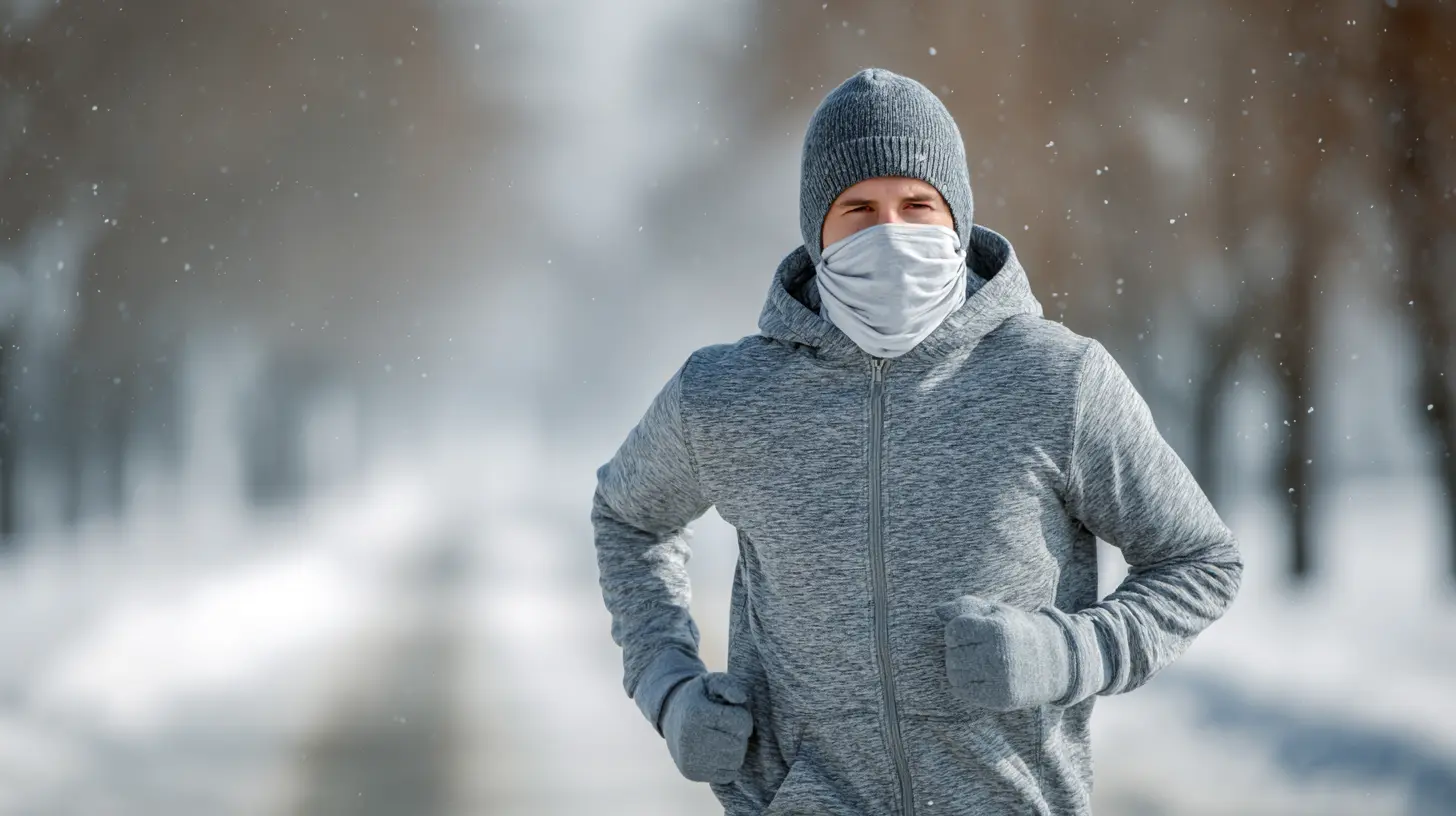
Getting fresh air, even in colder months, can do wonders for your health. A short hike, a bike ride, or even a light jog outside boosts vitamin D levels, which are crucial for immune defense. Just dress warmly and layer up to avoid catching a chill.
Should You Exercise If You Feel a Cold Coming On?
We’ve all been there—that moment when you feel the first signs of a cold creeping in. The big question: should you power through your workout or rest?Here’s a simple rule to follow:
- If your symptoms are above the neck (like a stuffy nose, mild sore throat, or sneezing), it’s generally safe to do light or moderate exercise. In fact, it might even help relieve congestion!
- If symptoms are below the neck (like chest congestion, body aches, fever, or deep fatigue), it’s best to rest. Pushing through could make things worse and prolong recovery.
Listen to your body—sometimes, a rest day is the best medicine.
Tips to Stay Active Without Getting Sick
You want the benefits of exercise without increasing your chances of catching a cold or flu, right? Follow these practical tips:1. Wash Your Hands Regularly
Gyms, public spaces, and workout equipment are hotspots for germs. Wash your hands before and after exercising, and avoid touching your face.2. Stay Hydrated
Dehydration weakens your immune system and makes it harder to fight infections. Drink plenty of water before, during, and after your workout.3. Avoid Overtraining
More isn’t always better. Over-exercising can suppress your immune system, making you more vulnerable to illness. Balance is key—make sure to incorporate rest days and recovery time.4. Layer Up When Exercising Outdoors
Cold weather itself doesn’t make you sick, but sudden temperature changes can weaken your immune defenses. Dress in layers to stay warm while allowing sweat to evaporate.5. Sanitize Workout Equipment
If you’re using gym machines or free weights, wipe them down before and after use. This helps prevent germ transmission and keeps the space cleaner for everyone.6. Fuel Your Body with Immune-Boosting Foods
Pairing good nutrition with exercise gives you an extra edge against illness. Focus on foods rich in vitamins C and D, zinc, and antioxidants. Think citrus fruits, leafy greens, nuts, and lean proteins.The Mental and Emotional Benefits of Staying Active
Winter months can be tough—not just physically, but mentally. Shorter days, gray skies, and longer nights can take a toll on your mood. Fortunately, exercise isn't just good for your body; it’s also a powerful tool for mental health.- Boosts Mood and Fights Seasonal Depression: Physical activity releases endorphins, the body’s natural feel-good chemicals. Regular workouts can help combat seasonal affective disorder (SAD) and winter blues.
- Improves Focus and Reduces Brain Fog: Feeling sluggish? A quick workout can improve cognitive function and mental clarity, helping you stay sharp and energized.
- Provides a Healthy Routine: Sticking to an exercise schedule gives structure to your day, keeping you motivated and engaged even in the dreariest months.
Final Thoughts
Staying physically active during cold and flu season isn’t just a good idea—it’s essential for maintaining overall health. Exercise strengthens your immune system, boosts mental well-being, and keeps your body functioning at its best.Sure, it may be tempting to hibernate under the covers, but your body (and mind) will thank you for keeping up with your fitness routine. Just be smart about it—listen to your body, follow hygiene practices, and find enjoyable ways to move.
So, lace up those sneakers, get moving, and stay strong this season!
all images in this post were generated using AI tools
Category:
Cold And FluAuthor:

Holly Ellison
Discussion
rate this article
2 comments
Dash Elliott
Staying active during cold and flu season is so important! A little movement can boost your mood and immunity. Let's keep moving and feel great!
May 10, 2026 at 3:21 AM
Holly Ellison
Absolutely! Staying active really helps keep both our spirits and immunity strong. Let's keep it up!
Lillian McCray
Love this! A gentle reminder that even a short walk can boost immunity. Perfect motivation for staying active through sniffle season. 😊
April 30, 2026 at 4:04 AM
Holly Ellison
Thank you! You're right, even a quick walk can make a big difference. Let's keep moving this season!