The Importance of Emotional Support in Postpartum Recovery
28 April 2026
Bringing a new life into the world is an incredible experience. But let's be real—it’s also overwhelming, exhausting, and downright scary at times. While the focus often falls on the baby (as it should, they’re adorable), many forget that a new mom is also going through one of the biggest transitions of her life. As her body heals, her mind and emotions are riding a whole other roller coaster. That’s where emotional support comes in.
So, why is emotional support during postpartum recovery so essential? Let’s talk about it.
What Is Postpartum Recovery, Really?
Postpartum recovery isn’t just about the physical healing after childbirth. While your body might be dealing with sore muscles, bleeding, and maybe stitches, your mind and emotions are adjusting to your new normal. This period—sometimes called the “fourth trimester”—can last weeks or even months.You're learning how to care for a tiny human, figuring out breastfeeding (or not), trying to get sleep, and dealing with a hormone hurricane. Now imagine doing all of that while feeling alone or unsupported. Yeah, it’s a lot.
The Emotional Side of Postpartum: It's Not Just the "Baby Blues"
Sure, we’ve all heard of the baby blues—a mix of mood swings, crying spells, and anxiety that many new moms experience. It usually fades in a couple of weeks. But for others, emotional challenges run deeper and longer. We're talking postpartum depression, anxiety, or even postpartum psychosis in rare cases.According to the CDC, about 1 in 8 women experience symptoms of postpartum depression. And guess what? Many don’t talk about it. Why? Because there’s still a stigma surrounding maternal mental health. Moms think they have to “have it all together,” when in reality, they’re barely holding it together some days.
This is why emotional support isn't just “nice to have,” it's crucial.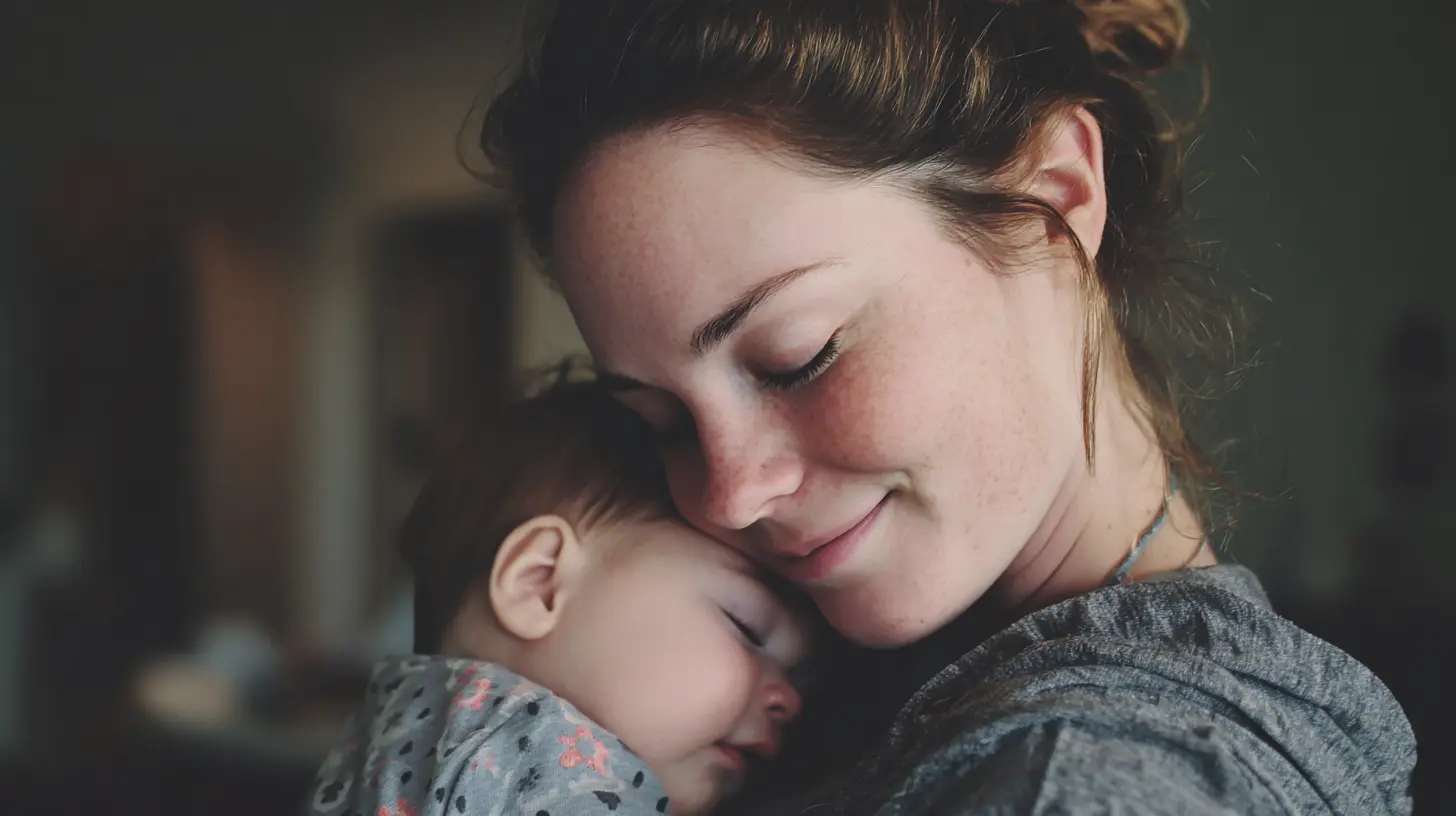
Why Emotional Support Makes All the Difference
Let’s break it down. Emotional support isn’t just someone saying, “You’re doing great!” (though that absolutely helps). It’s about real, consistent, meaningful connection. It’s the friend who checks in daily, the partner who steps up, the parent who gives reassurance, or even a therapist who provides a safe space to talk.Still wondering why emotional support matters so much in postpartum recovery? Here are a few eye-opening reasons:
1. It Reduces the Risk of Postpartum Depression and Anxiety
One of the key protective factors against postpartum mental health struggles is proper emotional support. When a new mom feels heard, understood, and not judged, she’s way less likely to spiral into self-doubt or hopelessness.Think about it: a simple, “How are YOU doing?” can feel like a lifeline when you’ve spent the entire day hearing nothing but baby cries and feeling invisible.
2. It Boosts Confidence and Self-Esteem
New moms often feel like they have no clue what they’re doing (spoiler alert: no one does at first). Emotional support helps moms feel more capable. A supportive partner, for instance, who says, “You handled that tantrum like a champ,” or a friend who reminds her, “You’re doing your best, and that’s enough,” can help rebuild confidence.3. It Encourages Healthy Behavior
Let’s be honest—when you feel down, it’s tough to take care of yourself. But when someone cares for you emotionally, you’re more likely to eat better, rest when you can, and speak up about what you need. Supportive environments promote better postpartum healing, inside and out.4. It Fosters Better Bonding with the Baby
Here’s the kicker: when moms feel emotionally supported, their mental health improves, which directly impacts their bonding with their newborn. A mom who feels valued and cared for is more present, patient, and emotionally available for her baby. It’s a beautiful ripple effect.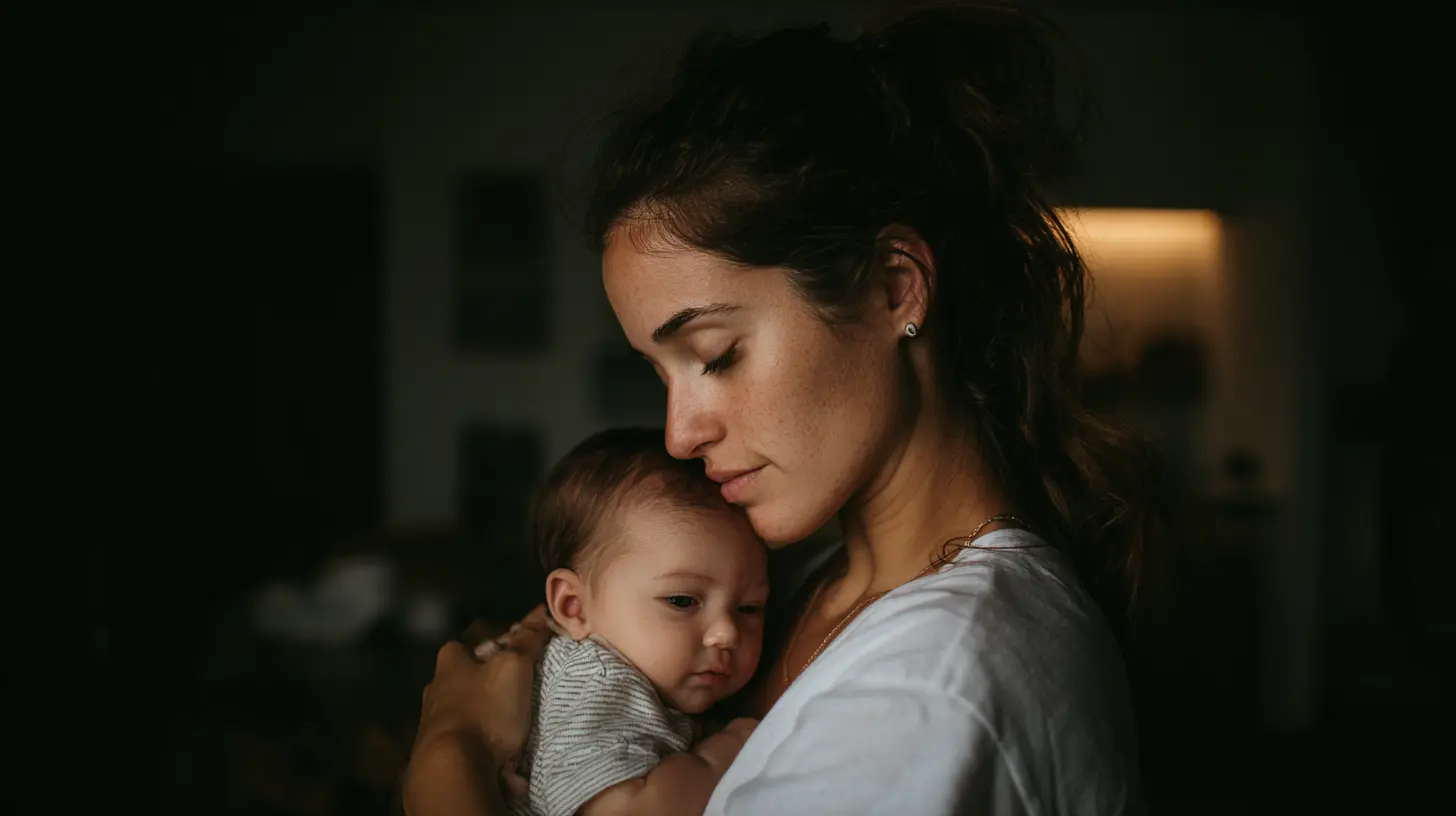
Sources of Emotional Support: Who’s Got Your Back?
Let’s talk about where you can get the emotional support you need. It doesn’t have to be a team of people—even one good listener can make a world of difference.1. Partners
If you have a partner, their role in your postpartum journey is huge. But (and this is important), they may not automatically know how to support you emotionally. Communication is key. Let them know how you're feeling and what you need—whether it's a break, help with the baby, or just someone to sit with you in silence.2. Family and Friends
Sometimes it takes a village—and other times, it just takes one person who genuinely cares. Don’t be afraid to reach out and say, “Hey, can we talk?” or “I’m struggling today.” A quick phone call or cup of tea with a friend can be incredibly healing.3. Online Communities
In today’s digital age, support is just a click away. There are countless online groups for new moms—a place where you can vent, ask questions, and meet other people going through exactly what you are.Just make sure you're engaging in positive, encouraging spaces. The internet can be helpful, but it can also be... well, not.
4. Therapists or Postpartum Doulas
If you're feeling overwhelmed, speaking with a mental health professional can be a game-changer. A therapist provides objective, judgment-free support. Postpartum doulas also offer emotional and practical support once you’re home with the baby.Investing in your mental health is never a luxury—it’s a necessity.
How You Can Support a New Mom (Even If You’re Not One Yourself)
Maybe you’re not the one going through postpartum recovery, but chances are, someone in your life is. So how can you really be there for them?- Check in genuinely. Ask how they’re really doing—not just how the baby is.
- Offer specific help. Don’t just say, “Let me know if you need anything.” Say, “Can I come by Tuesday to help with laundry or bring dinner?”
- Listen without judgment. Don’t correct or offer advice unless they ask.
- Normalize their feelings. Say things like, “It’s okay to feel overwhelmed. This is all new.”
- Celebrate the small wins. “You got dressed today? That’s a big deal—go you!”
Little acts of kindness and understanding go a long way.
Emotional Self-Care: Don’t Forget Yourself, Mama
Even with people around you, it’s equally important to support yourself emotionally. Self-care isn’t just bubble baths and face masks (though those don’t hurt). It’s about tuning into your needs and making space for your emotions.Here are some simple ways to practice emotional self-care postpartum:
- Rest when you can. Sleep is healing—physically and emotionally.
- Journal your thoughts. Sometimes getting things on paper can be therapeutic.
- Practice self-compassion. Remind yourself it's okay to not be okay all the time.
- Limit social media. Constant comparison isn’t helpful when you’re running on 2 hours of broken sleep.
- Say no. Boundaries are a form of self-love. You don’t need to entertain visitors if you’re not up for it.
Breaking the Stigma: It's Okay to Ask for Help
One of the biggest barriers to getting emotional support? The fear of being judged. Society loves to paint this unrealistic picture of motherhood where moms are glowing, babies are sleeping, and everyone’s smiling in matching outfits.Reality? Sweatpants, spit-up, and tears (sometimes not just the baby’s).
Let’s change the narrative. Asking for help doesn’t make you weak. It means you’re human. It takes strength to say, “I’m not okay.” And even more strength to reach out for support.
Final Thoughts: You’re Not Alone
Motherhood isn’t meant to be a solo mission. Whether you’re a new mom reading this and nodding along, or someone close to one, just know this: emotional support matters. A lot. It can be the difference between just surviving postpartum and actually thriving in it.So let’s start normalizing the messy, beautiful, emotional journey of postpartum recovery. Let’s talk about it openly. Let’s show up for each other.
Because sometimes, the strongest thing you can do—is lean on someone else.
all images in this post were generated using AI tools
Category:
Postpartum HealthAuthor:

Holly Ellison
Discussion
rate this article
2 comments
Violet James
Emotional support is vital for healing journey.
May 10, 2026 at 3:21 AM
Holly Ellison
Absolutely, emotional support plays a crucial role in the healing process. It helps new parents navigate their challenges and fosters overall well-being.
Rosalyn Velez
Emotional support can be a lifeline for new mothers, fostering resilience and connection during the challenging postpartum journey.
May 8, 2026 at 4:15 AM
Holly Ellison
Absolutely, emotional support is essential. It helps new mothers navigate challenges and builds a strong foundation for their journey.