The Impact of Inflammation on Bone Health
12 December 2025
Inflammation is like the unsung villain of health problems—it sneaks in quietly and wreaks havoc over time. When we hear about inflammation, we often think about conditions like arthritis or autoimmune diseases, but did you know that inflammation can also weaken your bones? That’s right! Chronic inflammation can silently erode your bone strength and set the stage for issues like osteoporosis and fractures.
In this article, we’ll dive deep into how inflammation affects your bones, what causes it, and most importantly, how you can fight back to keep your bones healthy for years to come. 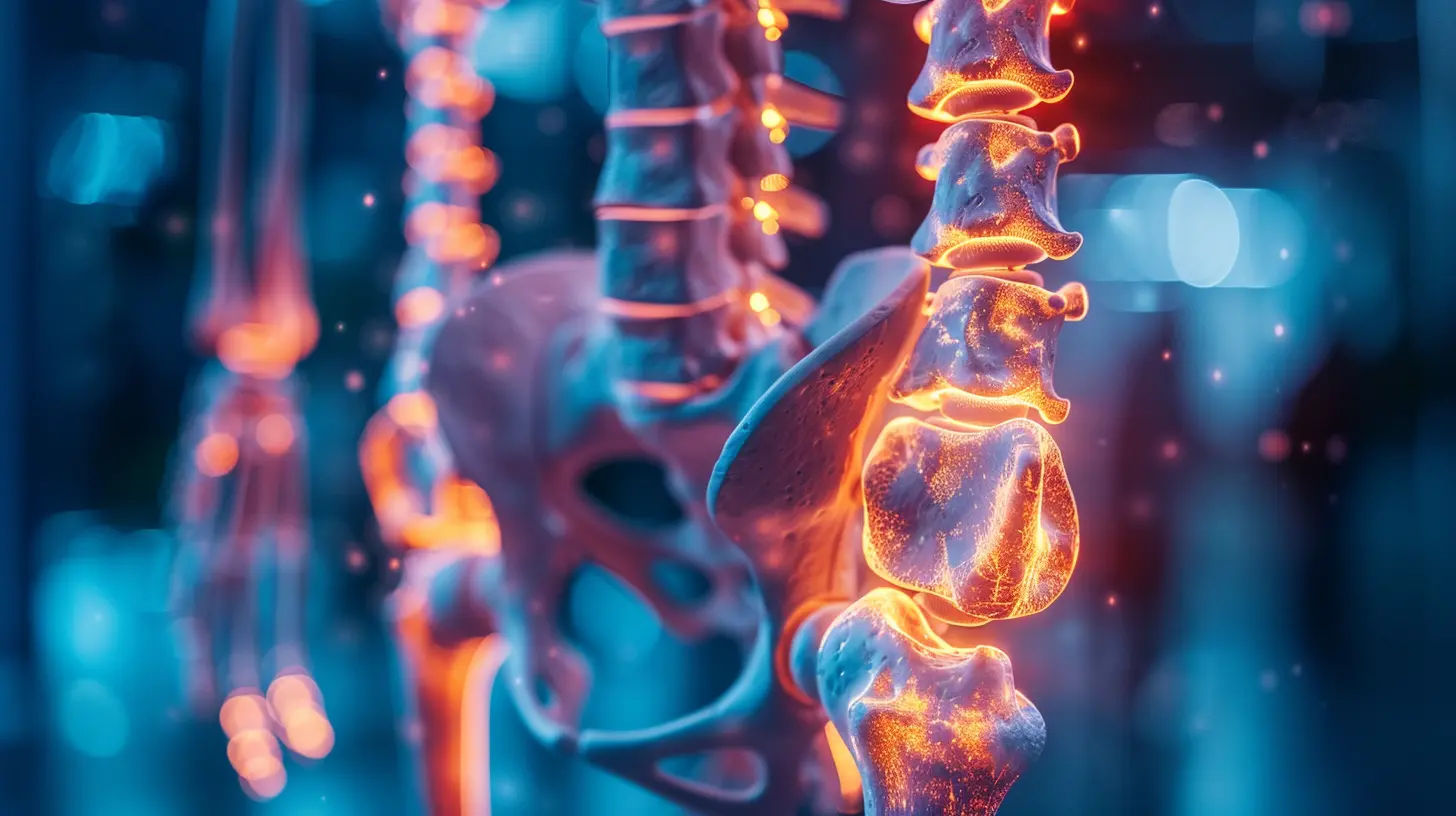
Understanding Inflammation and Its Role in the Body
Inflammation is our body's natural response to injury, infection, or harmful stimuli. In the short term, it’s actually a good thing—it helps us heal. If you've ever had a swollen ankle after twisting it, that’s inflammation at work, rushing blood and immune cells to the injured area for repair.But when inflammation sticks around longer than it should, it turns into a long-term problem. This chronic inflammation doesn’t just affect one part of the body—it can impact bones, joints, and even your overall skeletal integrity. 
How Does Inflammation Affect Bone Health?
Chronic inflammation disrupts the balance between bone formation and bone breakdown. Our bones are constantly remodeling—old bone is removed by osteoclasts, while new bone is built by osteoblasts. This balance keeps our bones strong and sturdy.When inflammation enters the picture, this balance is thrown off. Here’s how:
1. Increased Bone Breakdown
Inflammation triggers the release of cytokines, which are inflammatory molecules that stimulate osteoclasts. As a result, bones break down faster than they can be rebuilt, leading to weaker bones over time.2. Reduced Bone Formation
At the same time, chronic inflammation suppresses osteoblast activity, meaning your body struggles to replace the bone that’s being broken down. Over time, this can lead to low bone density and conditions like osteoporosis.3. Calcium Absorption Gets Disrupted
Inflammation affects how well your body absorbs calcium, which is crucial for bone health. If your body isn’t getting the calcium it needs, your bones become brittle and more prone to fractures.4. Joint Damage and Pain
In some cases, inflammation doesn’t just impact your bones but also your joints. Conditions like rheumatoid arthritis cause chronic swelling that erodes cartilage, leading to joint pain, stiffness, and even deformities.
Common Causes of Chronic Inflammation That Weaken Bones
So, what triggers chronic inflammation? Some factors might surprise you:Poor Diet (Especially Processed Foods & Sugar)
A diet high in refined sugars, processed foods, and unhealthy fats fuels inflammation. Fast food and sugary drinks may be convenient, but they come at a steep price for your bones and overall health.Chronic Stress
When stress lingers, your body releases cortisol, a hormone that can weaken bones over time. High levels of cortisol slow down bone formation and interfere with calcium absorption.Lack of Exercise
A sedentary lifestyle contributes to inflammation and weakens bones. Regular weight-bearing exercises, such as walking, running, and resistance training, help build and maintain healthy bone density while reducing inflammation.Smoking and Alcohol Consumption
Both smoking and excessive alcohol intake contribute to chronic inflammation and bone loss. They interfere with how your body absorbs essential nutrients like calcium and vitamin D, leading to fragile bones.Uncontrolled Medical Conditions
Autoimmune diseases like rheumatoid arthritis, lupus, and inflammatory bowel disease (IBD) are directly linked to chronic inflammation, which deteriorates bone health more rapidly.
How to Reduce Inflammation and Protect Your Bones
The good news? You’re not powerless against inflammation. By making a few lifestyle changes, you can fight back and protect your bones for the long haul.1. Adopt an Anti-Inflammatory Diet
What you eat plays a massive role in inflammation levels. Focus on whole, nutrient-dense foods that support bone health and combat inflammation:- Leafy greens (spinach, kale, collard greens) – rich in calcium and vitamin K
- Fatty fish (salmon, mackerel) – packed with omega-3 fatty acids
- Berries (blueberries, strawberries) – loaded with antioxidants
- Nuts & seeds (almonds, walnuts, flaxseeds) – help lower inflammation
- Turmeric & ginger – natural anti-inflammatory properties
- Olive oil – a key component of the Mediterranean diet that fights inflammation
2. Stay Active with Bone-Strengthening Exercise
Move your body! Weight-bearing exercises stimulate bone growth and keep them strong. Try:- Walking or jogging – forces bones to stay strong
- Strength training – resistance exercises help improve bone density
- Yoga & Pilates – enhance flexibility and reduce joint stiffness
3. Get Enough Vitamin D and Calcium
Think of calcium as the bricks and vitamin D as the cement that holds them together. Without enough vitamin D, your body can’t absorb calcium properly. Spend time in the sun, eat vitamin D-rich foods, or consider a supplement if needed.4. Manage Stress and Sleep Well
Since chronic stress fuels inflammation, finding ways to manage it is crucial. Try meditation, deep breathing, or simply taking a break from screens. Also, aim for 7-9 hours of quality sleep each night—your bones rebuild while you rest!5. Avoid Smoking and Limit Alcohol
If you smoke, quitting is one of the best things you can do for your bones. Reducing alcohol intake also helps keep inflammation at bay and supports stronger bones.When to See a Doctor
If you’re experiencing persistent joint pain, frequent fractures, or signs of bone weakness, it’s best to consult a doctor. They may recommend bone density tests, blood work, or anti-inflammatory treatments to help manage the condition before it worsens.Final Thoughts
Inflammation is a silent attacker that can weaken your bones over time, but you can fight back. Simple lifestyle changes—like eating anti-inflammatory foods, staying active, managing stress, and getting enough calcium and vitamin D—can make a world of difference.Your bones carry you through life, so take care of them now. After all, a strong foundation leads to a healthier future!
all images in this post were generated using AI tools
Category:
Bone HealthAuthor:

Holly Ellison
Discussion
rate this article
2 comments
Makayla Larsen
Fascinating link! How does it work?
December 17, 2025 at 5:37 PM
Holly Ellison
Thank you! The article explains that inflammation can disrupt bone remodeling by affecting the activity of bone cells, leading to weakened bone health over time. Let me know if you have any more questions!
Mia Gomez
Such an enlightening read! Understanding inflammation's impact on bone health is vital for our well-being. Cheers to staying informed and promoting strong, happy bones! 🌟
December 14, 2025 at 3:24 AM
Holly Ellison
Thank you! I'm glad you found the article enlightening. Staying informed is key to maintaining strong bone health! 🌟