The Future of Food Labels and What You Need to Know by 2027
18 April 2026
Have you ever stared at a food label, trying to decipher the ingredients and nutritional information, only to feel completely overwhelmed? You’re not alone. Food labels can often feel like a secret code that only nutritionists can crack. But here’s the good news: the future of food labeling is evolving fast, and by 2027, things are going to look a lot different. In this article, we'll dive into what you can expect from food labels in the coming years, why it matters, and how you can navigate this new landscape.
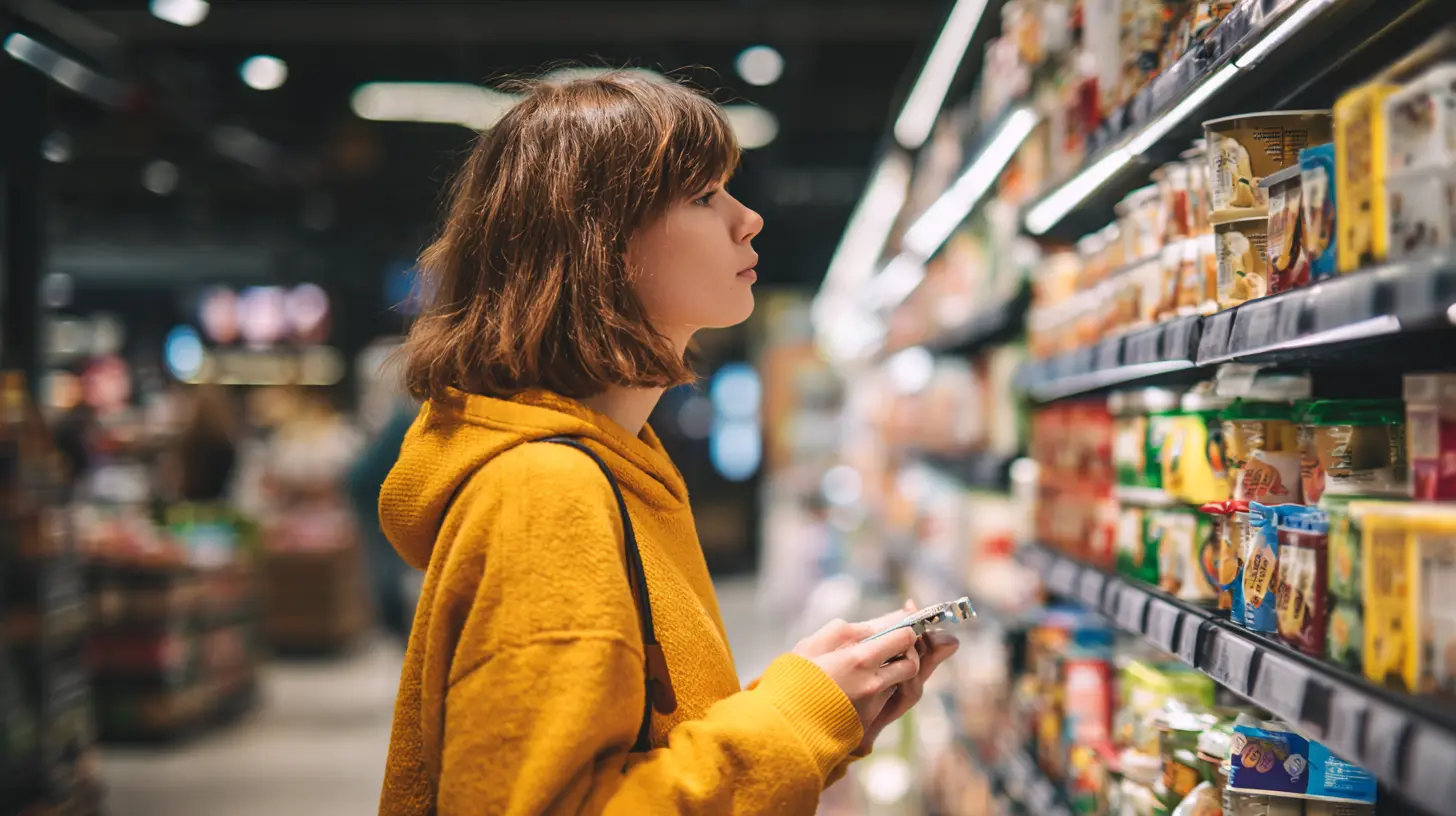
The Changing Landscape of Food Labels
What’s Wrong with Current Food Labels?
Current food labels can be a bit of a mess. Have you noticed how many different symbols, claims, and regulations there are? From "organic" to "non-GMO" to "gluten-free," it can feel like a guessing game. Not to mention, the fine print can be downright deceiving. In many cases, these labels are more about marketing than your health.Why Are Food Labels Important?
Food labels are crucial because they provide you with essential information about what you're putting into your body. They help you make informed choices, especially if you have dietary restrictions or health goals. In short, understanding food labels empowers you to take control of your health.The Drive for Transparency
As consumers, we’re demanding more transparency. People want to know exactly what’s in their food and where it comes from. This push for transparency is influencing companies to rethink their labeling strategies. By 2027, we can expect food manufacturers to adopt clearer, more informative labels that can help us make better choices.
Trends Shaping the Future of Food Labels
Nutritional Simplification
Imagine walking through a supermarket, and instead of scanning through a maze of tiny print, you see straightforward labels that make sense at a glance. Nutritional simplification is on the rise. Studies show that simplified labels help people make healthier choices. Look out for color-coded systems or star ratings that indicate how healthy a product is. This kind of labeling could be the norm by 2027, making it easier for you to spot nutritious options.Ingredient Transparency
Gone are the days when vague terms like "natural flavors" could hide potentially harmful substances. The future is all about ingredient transparency. By 2027, you can expect labels to clearly indicate every ingredient, its source, and its purpose. This means no more mystery ingredients that sound more like a science experiment than food.Allergen Awareness
Have you ever had to scrutinize a label to check for allergens? It can be a nerve-wracking experience. With the rise in food allergies and intolerances, allergen labeling is going to become even more stringent. Expect clearer allergen warnings that are easy to spot, helping those who are sensitive to certain foods to make safer choices.Eco-Friendly Labels
Sustainable eating is the way of the future. As climate change continues to be a pressing issue, food labels are likely to reflect eco-friendly practices. You might see labels indicating how the product was made, its carbon footprint, or how it contributes to sustainable agriculture. This will not only help you make healthier choices but also more ethical ones.Smart Labels and Technology Integration
Imagine scanning a QR code on your food label and instantly accessing a wealth of information about the product, from farm to table. Smart labels are becoming a reality. By 2027, many food products will likely incorporate technology that allows you to learn more about their origin, nutritional value, and even recipes. This tech integration is not just cool; it's essential for the informed consumer.
The Role of Regulation
Changes in Labeling Regulations
Governments and health organizations are starting to take notice of the public's demand for clearer information. In the coming years, we can expect stricter regulations around food labeling. This means that companies will have to meet higher standards for clarity, accuracy, and transparency. It also means that deceptive marketing practices will face more scrutiny.Consumer Protection
With stricter regulations, consumer protection will become a priority in the food industry. You can expect labels to contain more comprehensive information about food safety and quality. This increased oversight will help ensure that what you see on the label matches what you get in the package.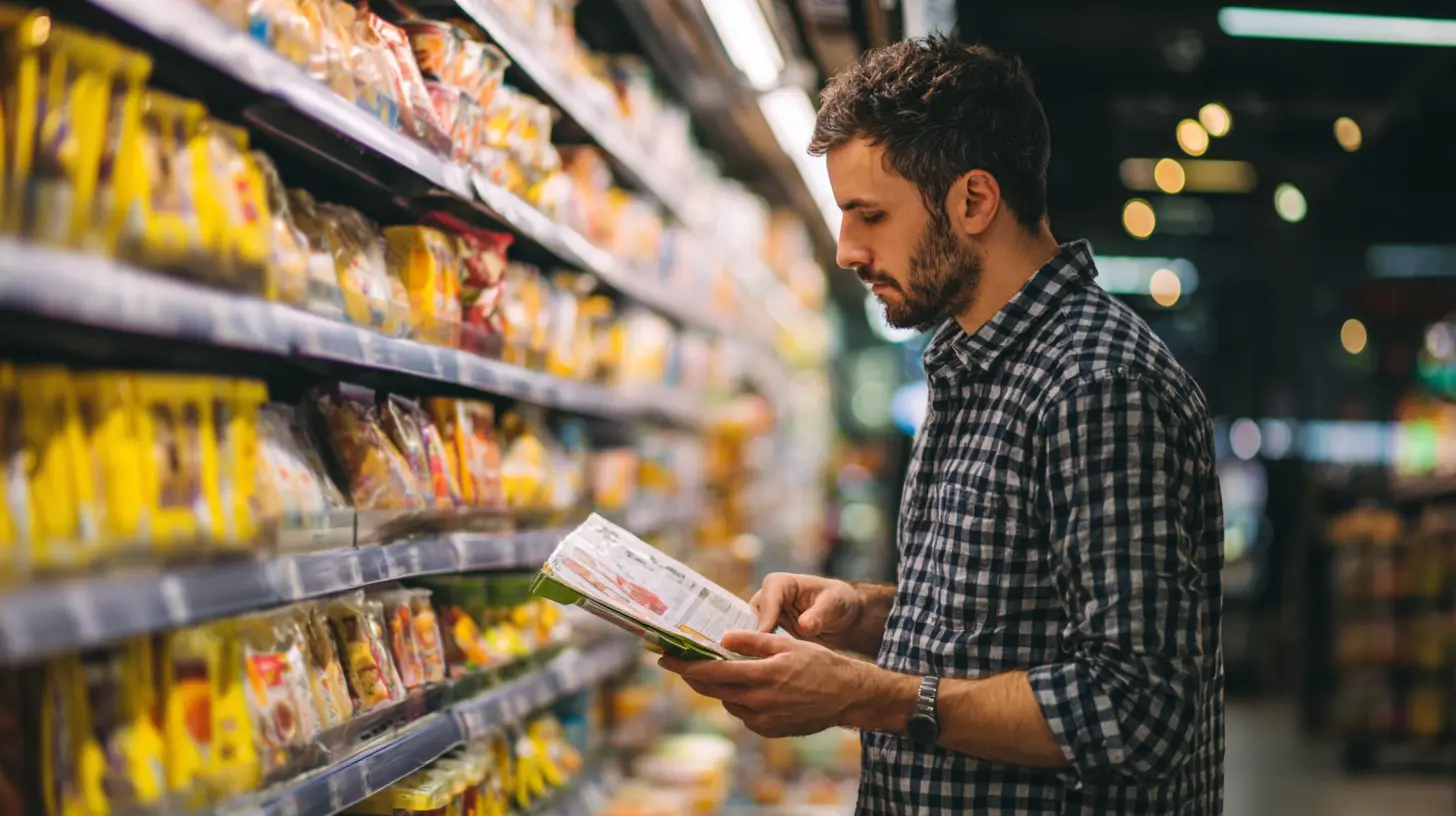
How to Prepare for the Future of Food Labels
Educate Yourself
The best way to navigate the changing landscape of food labels is to educate yourself. Familiarize yourself with common terms and what they actually mean. Understanding the basics can help you make informed choices now and in the future.Stay Informed about Trends
Keep an eye on emerging trends in food labeling. Following reputable health blogs, news outlets, and industry reports can give you insights into what to expect. Being aware of the latest changes can help you adapt to new labeling practices more easily.Use Technology to Your Advantage
As technology evolves, don’t hesitate to use apps and tools that help you understand food labels better. There are already several apps available that can scan barcodes and provide detailed information about products. By 2027, expect even more sophisticated tools to help you navigate your grocery shopping.The Impact on Your Eating Habits
Healthier Choices
With clearer, more informative labels, you’ll find it easier to make healthier choices. The transparency of ingredient lists and nutritional information will empower you to choose foods that align with your health goals.Ethical Eating
As eco-friendly labeling becomes more prevalent, you’ll have the opportunity to make choices that not only benefit your health but also the planet. Knowing where your food comes from and how it’s produced allows you to support sustainable practices.Reduced Confusion
With simplified labels, gone will be the days of confusion. You’ll no longer have to squint at tiny print or decipher complicated terms. Instead, you can glance at a label and understand what it means, making grocery shopping a more enjoyable experience.
Conclusion
The future of food labels is bright, and it’s evolving to meet your needs. As we approach 2027, expect a world where food labels are clearer, more informative, and more reflective of your values. With trends emphasizing transparency, technology, and sustainability, navigating the grocery store will become easier and more rewarding.So, the next time you pick up a product, remember that the label is more than just a sticker; it’s a promise of what’s inside. Stay informed and embrace the changes coming your way. Your health—and the planet’s—will thank you for it!
all images in this post were generated using AI tools
Category:
Food Label ReadingAuthor:

Holly Ellison
Discussion
rate this article
2 comments
Lorelei Cooper
Exciting changes ahead—let’s stay informed!
April 24, 2026 at 3:09 AM
Holly Ellison
Absolutely! Keeping up with the changes will be key. Thanks for your interest!
Kendra McQuillan
This article offers a clear glimpse into the evolving landscape of food labels by 2027. It's crucial for consumers to stay informed about these changes to make healthier choices. Knowledge is power, so let's prepare for a more transparent food environment!
April 20, 2026 at 3:26 AM
Holly Ellison
Thanks for the insightful comment! Staying informed is essential for making better choices in the future. Let's embrace the changes together!