The Evolutionary Premise of the Paleo Diet Explained
2 December 2025
Introduction
Have you ever wondered why so many people are turning to the Paleo diet? It's not just another health trend—it's a way of eating based on how our ancestors lived thousands of years ago. The idea is simple: eat like a caveman, because our bodies are designed for it.
But is it really that simple? What does science say about the evolutionary basis of the Paleo diet? Let’s break it all down and see if going "back to the basics" is as beneficial as it sounds.

What Is the Paleo Diet?
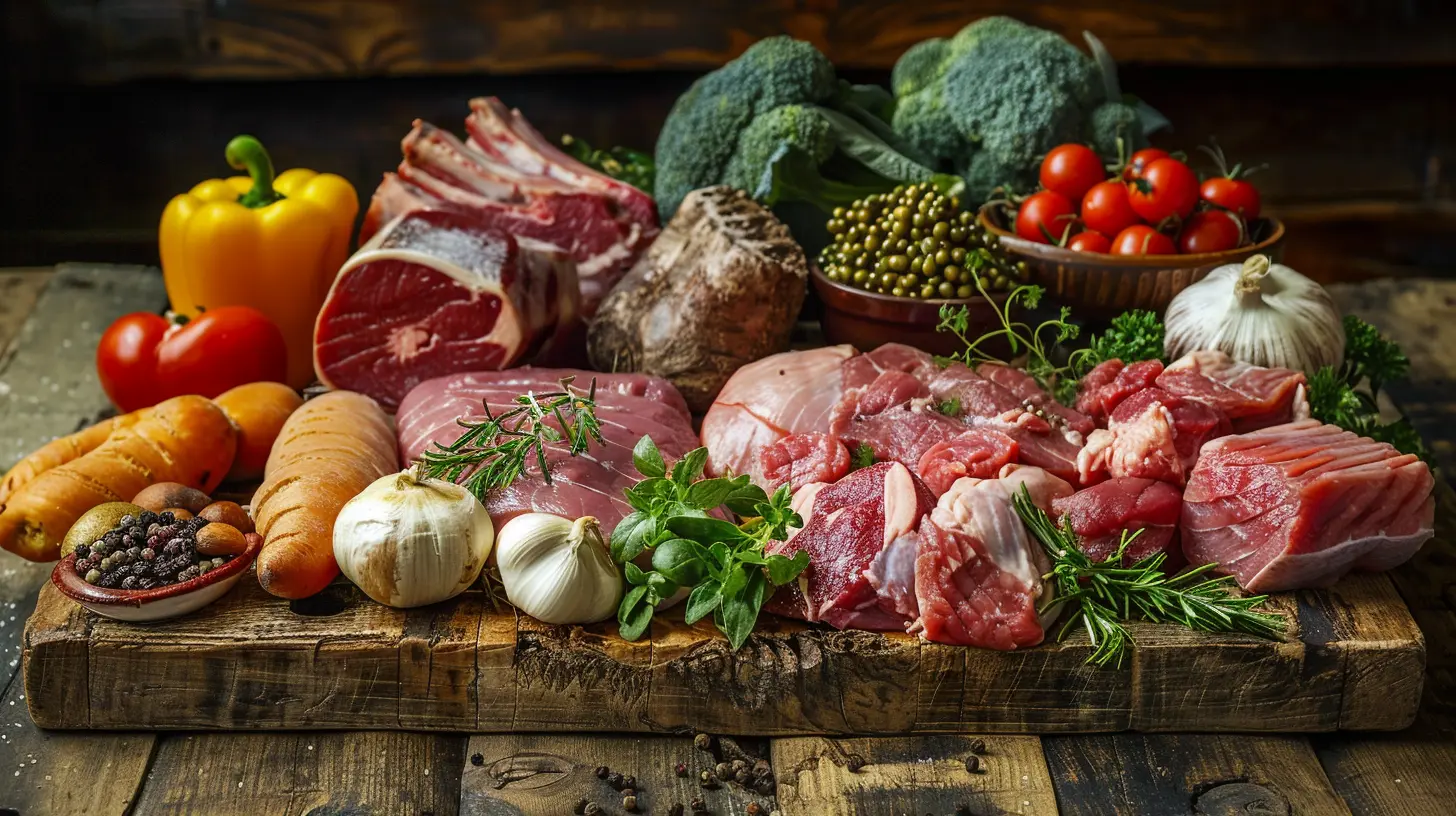
The Paleo diet, also known as the "caveman diet" or "stone-age diet," is based on consuming foods that were available to our hunter-gatherer ancestors. That means lean meats, fish, nuts, seeds, fruits, and vegetables—basically, anything that could be hunted or gathered.What’s missing? Processed foods, refined sugars, grains, legumes, and dairy products. The idea is that our bodies haven’t had enough time to adapt to modern agricultural foods, so they can cause health problems.
But does evolution really support this idea?
The Evolutionary Basis of the Paleo Diet
Evolution is all about adaptation. Our ancestors survived by eating whatever was available in their environment. Over millions of years, our digestive systems evolved to process certain foods efficiently.The Paleo diet is based on the assumption that our genes are still wired for the Paleolithic eating pattern. Proponents argue that the human body has not evolved fast enough to handle modern foods, especially grains, dairy, and processed sugars.
The Hunter-Gatherer Lifestyle and Nutrition
For almost 2.5 million years, humans lived as hunter-gatherers. They relied on seasonal fruits and vegetables, wild meats, and natural fats. Their diet varied based on location—tropical populations ate more fruits, while Arctic populations consumed more meat.But here’s the kicker: they didn’t eat a "one-size-fits-all" diet. Our ancestors were flexible eaters who adapted to their environment. This brings up an important question—should we all be eating the same Paleo diet?
The Agricultural Revolution – A Turning Point
Around 10,000 years ago, agriculture changed everything. Humans started farming, growing grains, and domesticating animals. This shift led to a more stable food supply but also introduced new challenges, such as nutrient deficiencies and an increase in population-based diseases.Some argue that this change happened too quickly for our bodies to adapt. But others suggest that humans have indeed evolved to digest dairy and grains, thanks to genetic adaptations like lactose tolerance. So, is cutting out these foods really necessary?

Benefits of the Paleo Diet
Regardless of the evolutionary debate, many people report feeling better on a Paleo diet. Here’s why:1. Eliminates Processed Foods
Most processed foods are full of sugars, additives, and unhealthy fats. Since the Paleo diet focuses on whole foods, it automatically cuts out many of the harmful ingredients in modern diets.2. Supports Healthy Blood Sugar Levels
Refined carbs and sugars can cause blood sugar spikes and crashes. Paleo’s focus on whole foods may help stabilize energy levels and reduce the risk of insulin resistance.3. Encourages Nutrient-Dense Eating
Paleo meals emphasize healthy proteins, good fats, and fiber-rich vegetables, providing essential vitamins and minerals.4. Reduces Inflammation
Processed foods, seed oils, and excess sugar contribute to chronic inflammation. Paleo’s natural approach may help reduce inflammation and improve overall health.5. May Aid in Weight Loss
Whole, unprocessed foods tend to be more filling, helping to reduce overeating. Since the diet eliminates empty calories, many people naturally lose weight.
The Criticism: Is Paleo Really Backed by Science?
Despite its many benefits, the Paleo diet isn’t without controversy. Critics argue that our ancestors were incredibly diverse in their eating habits, and the idea that there’s a single "optimal" diet is an oversimplification.1. Humans Have Evolved Since the Paleolithic Era
Our genes aren’t frozen in time. Research has shown that humans have developed adaptations, such as the ability to digest dairy (lactase persistence) and break down starches more effectively.2. Excluding Whole Food Groups Isn’t Always Necessary
Grains and legumes have been part of human diets for thousands of years. While some people may have sensitivities, others tolerate them just fine. Whole grains can provide fiber, and legumes offer plant-based protein and essential nutrients.3. Not All Modern Foods Are Bad
Dairy, for example, is a great source of calcium and protein. Similarly, certain whole grains contribute to heart health. Cutting these out without a specific reason may not be needed for everyone.4. Paleolithic Diets Were Diverse
Hunter-gatherers didn’t follow a single diet. They ate what was available based on geography. Trying to copy one narrow version of the "Paleo diet" may not reflect the real diversity of ancient human nutrition.Finding a Balanced Approach
So, should you go fully Paleo or take a more flexible approach? It depends on your body, lifestyle, and health goals. Instead of strictly following rules, you can focus on the core principles:- Eat more whole, nutrient-dense foods.
- Reduce processed foods, added sugars, and unhealthy fats.
- Listen to your body—some grains and dairy may work fine for you.
- Prioritize quality sources of meat, fish, and vegetables.
When it comes to diet, there’s no one-size-fits-all solution. Instead of blindly following food trends, it’s best to focus on what makes you feel your best.
Conclusion
The Paleo diet is built on the idea that returning to our evolutionary roots can improve our health. While it has undeniable benefits, science suggests that human evolution is more complex than a simple "eat like a caveman" approach.That said, the Paleo diet's core principle—focusing on whole, natural foods—can certainly contribute to better health. Whether you go all-in or take a more balanced approach, the key is making mindful food choices that support your well-being.
all images in this post were generated using AI tools
Category:
Paleo DietAuthor:

Holly Ellison
Discussion
rate this article
2 comments
Elle Strickland
Eat like a caveman, thrive!
December 9, 2025 at 6:03 AM
Holly Ellison
Thanks for your comment! The paleo diet does emphasize whole, unprocessed foods, reminiscent of our ancestors. It's an interesting approach to nutrition!
Scout Harris
Could our ancestors' choices hold the key to unlocking modern health mysteries?
December 4, 2025 at 4:27 AM
Holly Ellison
Absolutely! Our ancestors' dietary choices and lifestyles can provide valuable insights into our health and may help address contemporary health issues. Their experiences can inform modern nutritional strategies, including the paleo diet.