Tackling Postpartum Joint Pain: Causes and Effective Solutions
12 May 2026
Ah, postpartum life. The sweet coos of a newborn, the late-night feedings, and the magical chaos that comes with welcoming a little human into your world. But amidst all that baby bliss, something feels off — your joints. Aching knees, stiff fingers, sore hips… sound familiar?
If you're nodding along (maybe with a bit of a wince because your neck hurts too), you’re not alone. Postpartum joint pain is way more common than most of us realize. And while it’s not talked about nearly enough, it deserves the spotlight — because it’s real, it’s frustrating, and the good news? It’s manageable.
Let’s dig into the why behind this pain and what you can actually do about it.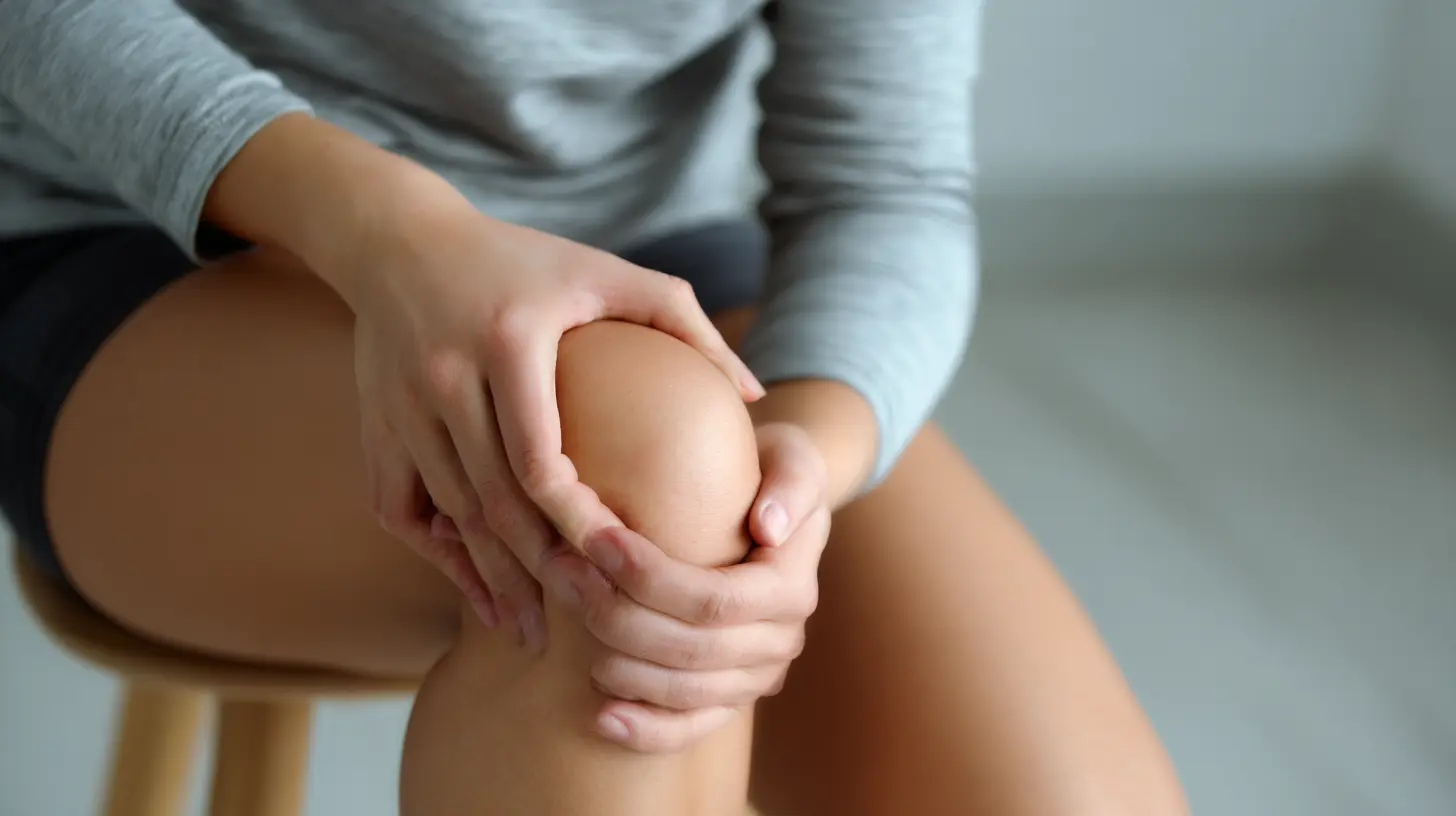
What Is Postpartum Joint Pain?
Postpartum joint pain is discomfort, stiffness, or soreness in one or more joints after giving birth. It can show up in your knees, hips, wrists, fingers, ankles — or even all over your body. Some women experience it right after delivery, while for others, it sneaks in weeks or even months later.You might think you're just tired or out of shape. But this kind of pain isn't just about soreness from childbirth or carrying around a growing baby (though that definitely plays a role). It often runs deeper — into the hormonal and structural shifts your body has gone through during pregnancy.
Why Are My Joints Killing Me After Pregnancy?
Let’s break it down and get to the root of why your joints might suddenly feel decades older after childbirth.1. Hormonal Havoc
Ever heard of relaxin? This hormone’s job is to loosen up your ligaments and joints during pregnancy — especially around your pelvis — so your body can make room for baby and prepare for delivery. Great in theory, right?But here’s the kicker: Relaxin doesn’t just vanish after birth. It can stick around in your system for a few months postpartum. So while you're trying to return to normal life, your body is still playing fast and loose with joint stability. That means more pressure on your joints, more inflammation, and yep — more pain.
2. Breastfeeding and Estrogen Drop
If you're breastfeeding, your estrogen levels stay lower. Estrogen has a protective effect on joints and bones. So without it, your joints can feel stiff, inflamed, and achy.3. Fluid Shifts and Inflammation
Pregnancy causes your body to retain a whole lot of fluid. After delivery, there’s a rapid shift, and your body starts flushing it all out. That sudden change can lead to inflammation in the joints, especially if you've had pre-existing sensitivities or autoimmune tendencies.4. Physical Strain from Motherhood
Let’s be real — carrying a baby around is no joke. From awkward breastfeeding positions to balancing a car seat on one arm and groceries in the other, your body’s under a new kind of stress. And if your core and pelvic floor haven't fully recovered? That strain piles onto already vulnerable joints.5. Nutritional Deficiencies
During pregnancy and breastfeeding, your body prioritizes nourishing your baby — sometimes at your expense. Without enough calcium, magnesium, vitamin D, or omega-3s, your joints may suffer. Think of it like running a car without oil — something’s gonna give.6. Autoimmune Triggers
In some women, pregnancy and childbirth can trigger autoimmune conditions like rheumatoid arthritis or postpartum thyroiditis. These conditions can bring on significant joint pain, stiffness, and fatigue. If your pain feels severe or unrelenting, it’s worth getting checked.
Common Areas Affected by Postpartum Joint Pain
Knowing where joint pain likes to hang out can help you stay proactive. Here are the usual suspects:- Wrists & Fingers: Often associated with “Mommy wrist” or De Quervain’s tenosynovitis, especially from repetitive lifting and holding.
- Knees: Bearing extra weight, weakened muscles, and hormone-related instability.
- Hips: Still loosening up post-pregnancy and often affected by poor core recovery.
- Ankles & Feet: Sudden post-pregnancy weight loss or gain can mess with your foot arch and alignment.
- Back & Neck: Not exactly a joint, but often affected due to poor posture during breastfeeding and lack of sleep.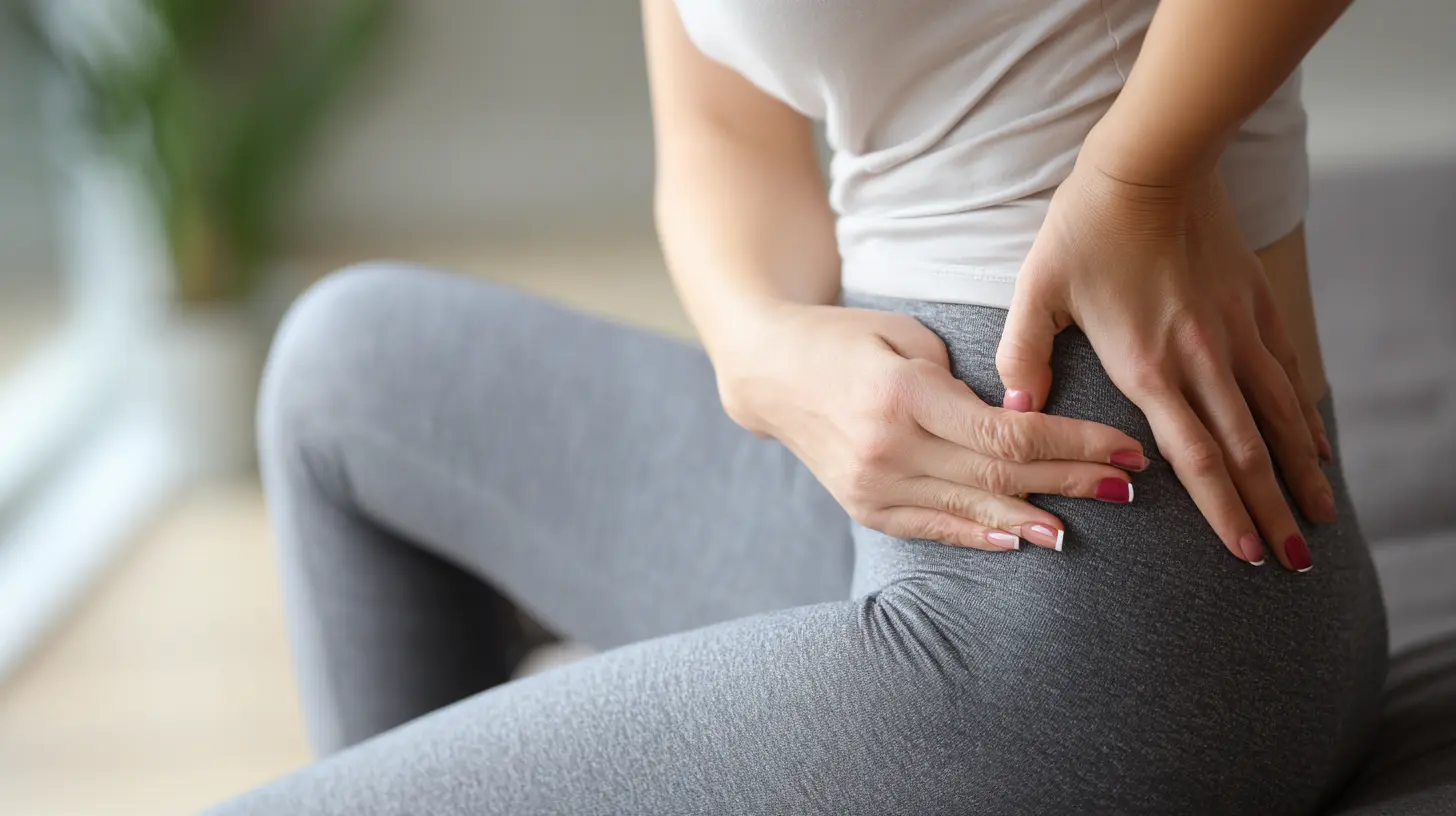
How Long Does Postpartum Joint Pain Last?
Here's the frustrating truth — it's different for everyone.For some, pain eases up within weeks. For others, it can linger for months, even up to a year or more. If your pain is mild, it might resolve on its own as your body recalibrates. Chronic or intense pain, though? That’s your body waving a little red flag saying, "Hey, I need help over here!"
Effective Solutions for Postpartum Joint Pain
Now that we’ve unpacked the “why,” let’s get to the good part — what you can do to feel better. Because the truth is, you don’t have to just “push through it.”1. Physical Therapy Is Your Friend
A postpartum physical therapist is basically your body’s personal trainer after baby. They’ll help you build back strength in your core and pelvic floor, improve joint stability, and teach you how to move in ways that don’t aggravate your pain.Bonus: They can also help you correct posture during everyday activities like breastfeeding and baby wearing — game changer.
2. Prioritize Gentle Movement
You don’t have to hit the gym hard. In fact, intense exercise too soon can make things worse. Instead, try:- Walking: Low impact, good for circulation.
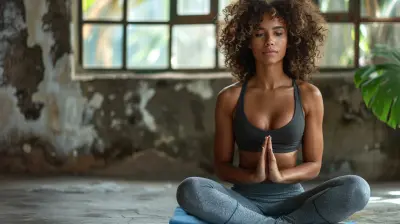
- Yoga or Pilates: Focus on flexibility, breathing, and alignment.
- Swimming: Resistance training without the stress on joints.
Even ten minutes a day can help reduce stiffness and inflammation.
3. Anti-Inflammatory Nutrition
What you eat can either fuel inflammation or fight it. Try loading up on:- Fatty fish (like salmon)
- Leafy greens (spinach, kale)
- Berries
- Nuts and seeds
- Olive oil
- Turmeric (hello golden lattes!)
At the same time, cut down on processed foods, sugary snacks, and anything deep-fried. Your joints will thank you.
4. Hot and Cold Therapy
This one’s simple but effective. Use:- Warm compresses or baths for stiff joints
- Ice packs for swelling or acute pain
Switch it up based on what your body's telling you — think of it as a little spa treatment for your aches.
5. Supplements Might Help
Always talk to your doc first, but these can be helpful:- Omega-3s for inflammation
- Vitamin D for bone health
- Magnesium for muscle relaxation
- Collagen to support joint repair
If you’re breastfeeding, make sure anything you take is safe for both you and baby.
6. Wrist and Joint Support Gear
Feeling pain in your wrists? Wearing a brace can temporarily reduce strain, especially during high-use activities like breastfeeding or carrying baby gear. There’s no shame in looking like a pro athlete while diapering your kid.7. Good Posture is Golden
Let’s face it — good posture goes out the window after birth. But it matters a lot. Slouching while holding or feeding your baby can strain your spine and joints big time. Prop yourself up with cushions, keep your shoulders relaxed, and adjust your position often. Your future self will be grateful.When to Call a Healthcare Provider
Sometimes, joint pain isn’t just from postpartum changes. If you're experiencing any of the following, it's time to check in with a doctor:- Joint swelling that doesn't go down
- Persistent fever
- Extreme fatigue that doesn’t lift
- Pain getting worse, not better
- Morning stiffness lasting more than an hour
- Pain impacting your ability to care for your baby
These could be signs of an underlying autoimmune issue or other medical concerns that need more than rest and turmeric tea.
Real Talk: What Other Moms Say
“I thought I pulled something in my wrist from lifting the baby too much. Turns out it was De Quervain’s, and a simple brace made a huge difference.”“My knees felt like they belonged to an 80-year-old. Physical therapy taught me how to use my core again, and now I can chase my toddler without pain.”
“I ignored the pain for months thinking it was normal. A blood test showed I had postpartum thyroiditis. Once I got treatment, the joint pain almost vanished.”
See? You’re not imagining this — and you’re definitely not alone.
Final Thoughts: You're Not Weak—You're Healing
Postpartum joint pain isn’t a sign that something’s wrong with you — it’s a sign your body is still healing from one of the biggest physical feats ever. It’s okay to seek help, to rest, and to take the time your body needs.You gave birth to a human. You deserve to feel strong and supported in return.
So if your joints are screaming louder than your baby right now — listen. And then take a step (literally and figuratively) toward solutions that help you move better, feel better, and get back to being the superhero mom you already are.
all images in this post were generated using AI tools
Category:
Postpartum HealthAuthor:

Holly Ellison
Discussion
rate this article
2 comments
Rhiannon Alexander
Postpartum joint pain can be a frustrating experience for new mothers, often caused by hormonal changes, physical stress from labor, and altered body mechanics. Effective solutions include gentle stretching, targeted exercises, and seeking professional guidance from a physical therapist. Prioritizing self-care can significantly improve comfort and mobility during this recovery period.
July 16, 2026 at 4:44 AM
Azriel Patel
Your strength shines through every challenge. Embrace healing and take one step at a time.
May 20, 2026 at 5:01 AM
Holly Ellison
Thank you for your kind words. Healing is a journey, and I'm grateful for the support.