Smart Snacking: Low Sugar Options to Curb Cravings
11 November 2026
Snacking is one of life's little pleasures, but when those cravings hit, the choices we make can make or break our health goals. We have all been there: it's mid-afternoon, and the only thing between you and that chocolate bar is a weak willpower. But fear not! Smart snacking doesn't have to be boring or tasteless. In fact, there are plenty of delicious low-sugar options that can satisfy your cravings while keeping your health intact. Let's dig into the world of low-sugar snacks that will keep you feeling good and curb those pesky cravings without feeling deprived.
Understanding Sugar Cravings
Before we jump into the snacks, it's crucial to understand why we crave sugar in the first place. Sugar activates pleasure centers in the brain, releasing dopamine, which makes us feel happy. However, it's also a double-edged sword. The more sugar you consume, the more your body craves it. This makes sugar cravings a vicious cycle.The Science Behind Sugar Cravings
When you eat sugar, your blood glucose levels spike, giving you a quick burst of energy. But soon after, those levels drop, leaving you feeling sluggish and craving more sugar to pick you up again. This rollercoaster effect can make you feel like you need sugar to function.Why Low Sugar Snacks Work
Low-sugar snacks can help stabilize your blood sugar levels, thereby reducing those crash-and-burn moments that lead to cravings. By opting for snacks that are high in fiber, protein, or healthy fats, you can experience sustained energy without the sugar slump.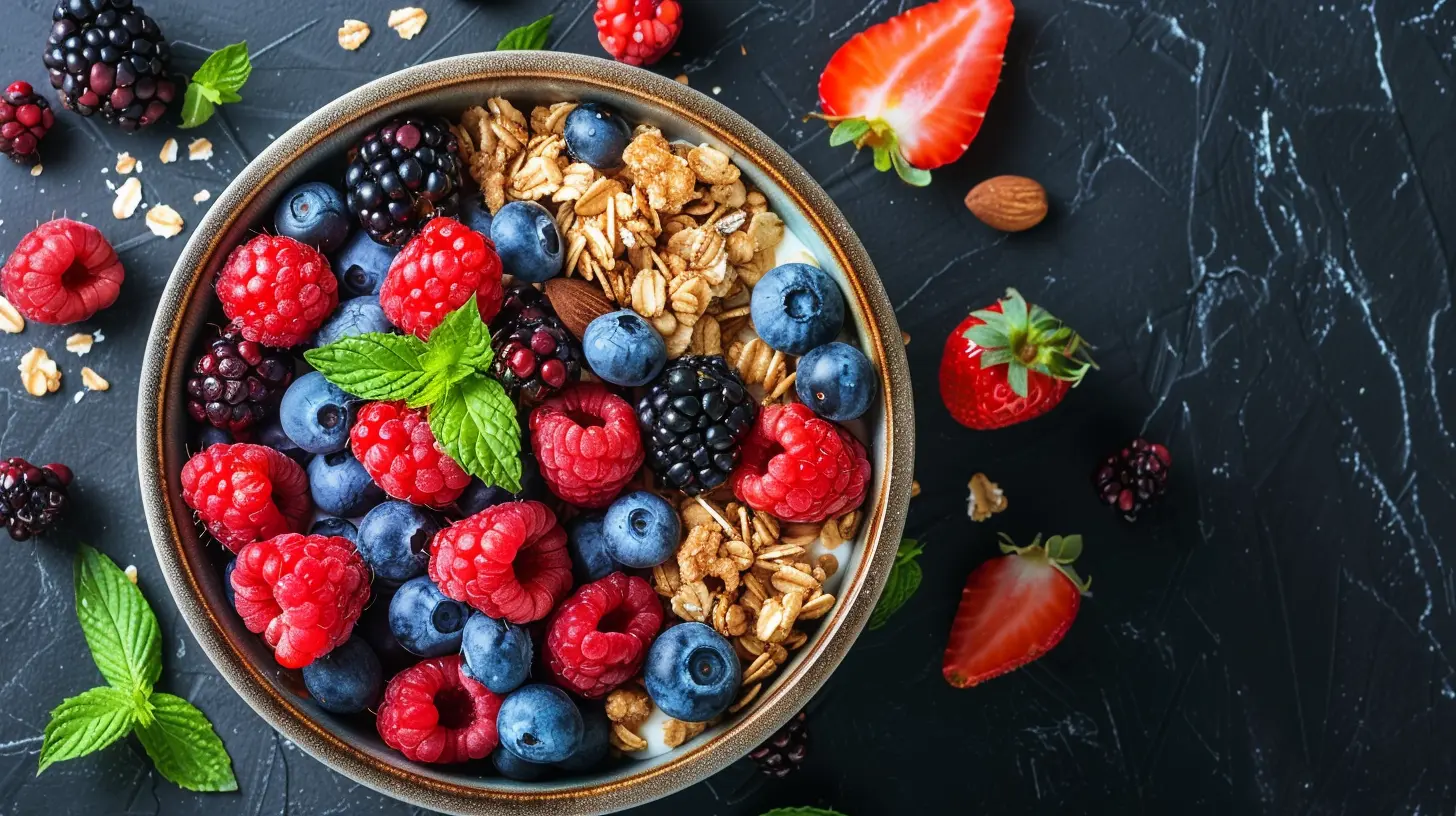
The Best Low Sugar Snacks
Here's a rundown of some fantastic low-sugar snack options that will not only satisfy your taste buds but also give your body the nutrition it needs.1. Nut Butter and Veggies
Nut butters like almond or peanut butter are excellent sources of healthy fats and protein. Pair them with crunchy veggies like celery or bell peppers for a satisfying snack.Why This Works
The combination of healthy fats and fiber from the veggies keeps you full longer and stabilizes blood sugar levels. Just be mindful of portion sizes; a tablespoon of nut butter goes a long way!2. Greek Yogurt with Berries
Greek yogurt is packed with protein and probiotics, making it a great choice for gut health. Top it with a handful of fresh berries for natural sweetness without the added sugar.The Greek Yogurt Advantage
Look for plain Greek yogurt to avoid added sugars. Berries provide antioxidants and fiber, helping to keep those cravings at bay.3. Hummus and Whole Grain Crackers
Hummus is a fantastic low-sugar option that is rich in protein and fiber. Pair it with whole grain crackers or veggies for a crunchy snack.A Winning Combination
The fiber in whole grains helps slow down digestion, keeping you full and satisfied. Plus, hummus comes in various flavors, so you can keep your snacking exciting.4. Hard-Boiled Eggs
Eggs are a powerhouse of nutrition. Hard-boiled eggs are portable and make for a satisfying snack rich in protein and healthy fats.Protein Power
Eating protein can help you feel full for longer, reducing the urge to snack on sugary options.5. Avocado Toast
Avocado is another superfood that is low in sugar and high in healthy monounsaturated fats. Spread some on whole grain bread and add a sprinkle of salt and pepper for a tasty treat.Why Avocado?
Avocados are nutrient-dense and can keep you full longer. Plus, they have a creamy texture that can satisfy cravings for something rich.6. Cheese and Apple Slices
Cheese, especially varieties like string cheese or cheddar, offers protein and fat. Pair it with apple slices for a bit of sweetness.The Sweet and Savory Combo
The fiber in apples helps slow sugar absorption, while cheese provides the fat and protein needed to feel full.7. Popcorn
Air-popped popcorn is a whole grain snack that is low in calories and sugar. It's high in fiber and can be seasoned in various ways to keep it interesting.The Crunch Factor
Make sure to skip the butter and heavy seasonings. A sprinkle of nutritional yeast can add a cheesy flavor without the calories.
Common Mistakes to Avoid
While snacking can be a smart choice, there are some pitfalls to watch out for:1. Overindulgence in "Healthy" Snacks
Just because a snack is labeled as healthy doesn't mean you can eat it in excess. Portion control is essential.2. Ignoring Labels
Always check nutrition labels to avoid hidden sugars in snacks marketed as low-sugar or healthy. Ingredients like corn syrup or cane sugar can sneak in and sabotage your efforts.3. Skipping Meals
If you skip meals thinking you will save calories, you might be setting yourself up for a binge later. It's better to have balanced meals and healthy snacks throughout the day.
When to Snack
Snacking can be beneficial, but timing matters. Here are some guidelines on when to reach for a snack:1. Between Meals
If there's a gap of more than four hours between meals, a healthy snack can keep your energy levels stable.2. Before a Workout
A small snack can provide the energy needed for a workout. Opt for something that combines carbs and protein, like a banana with nut butter.3. When You're Feeling Sluggish
If you find your energy dipping in the afternoon, a healthy snack can re-energize you without the sugar crash.The Trade-Offs of Snacking
While snacking has its benefits, there are trade-offs to consider:Pros
- Energy Boost: Healthy snacks can provide a quick energy boost.- Prevent Overeating: Snacks can keep you from getting too hungry and overeating at meals.
- Nutrient Intake: Snacking can help you meet your daily nutrient needs.
Cons
- Mindless Eating: It's easy to over-snack if you're not mindful.- Caloric Intake: Adding snacks can increase your total caloric intake if not balanced.
- Sugar Alternatives: Sugar substitutes can sometimes lead to cravings for the real thing.
Misconceptions About Low-Sugar Diets
There are many beliefs surrounding low-sugar diets that can lead to confusion. Let's bust a few myths:Myth 1: All Sugar is Bad
Not all sugars are created equal. Natural sugars found in fruits come with fiber and nutrients that processed sugars lack.Myth 2: Low-Sugar Means No Fun
Many low-sugar snacks can be enjoyable and satisfying. You don't have to sacrifice flavor for health.Myth 3: Snacking is Always Bad for You
Snacking can be part of a balanced diet. It's about choosing the right snacks and being mindful of portions.Best Practices for Smart Snacking
Here are some tips to keep in mind for successful smart snacking:1. Plan Ahead
Prepare snacks ahead of time to prevent grabbing unhealthy options when hunger strikes.2. Keep it Balanced
Aim for snacks that combine protein, healthy fats, and fiber for sustained energy.3. Stay Hydrated
Sometimes, we confuse thirst with hunger. Drink water throughout the day to stay hydrated and curb unnecessary snacking.4. Mind Your Environment
Create a snacking-friendly environment by having healthy options easily accessible and putting unhealthy options out of sight.5. Listen to Your Body
Pay attention to hunger cues. Snack when you are genuinely hungry, not just out of boredom or habit.
Conclusion
Smart snacking doesn't have to be a chore. With a little creativity and planning, you can enjoy tasty, satisfying low-sugar options that curb your cravings and support your health goals. Remember, it's all about balance. With the right choices, you can indulge your taste buds while keeping your health in check. So next time those cravings hit, you'll be ready to reach for something that truly satisfies without the sugar crash.
all images in this post were generated using AI tools
Category:
Low Sugar DietAuthor:

Holly Ellison