Self-Massage Techniques for Faster Recovery After Exercise
2 March 2026
Let’s face it: after an intense workout, your body feels like it’s been put through the wringer. Your muscles are sore, tight, and begging for some TLC. But what if I told you that relief is literally in your hands? Yep, self-massage techniques can work wonders to speed up muscle recovery, ease soreness, and help you bounce back quicker for your next fitness session.
In this blog, I’ll walk you through the best self-massage techniques for post-exercise recovery, why they work, and how to do them at home (no fancy spa visits required!). So grab your foam roller or just use your hands, and let’s dig into this topic—pun intended. 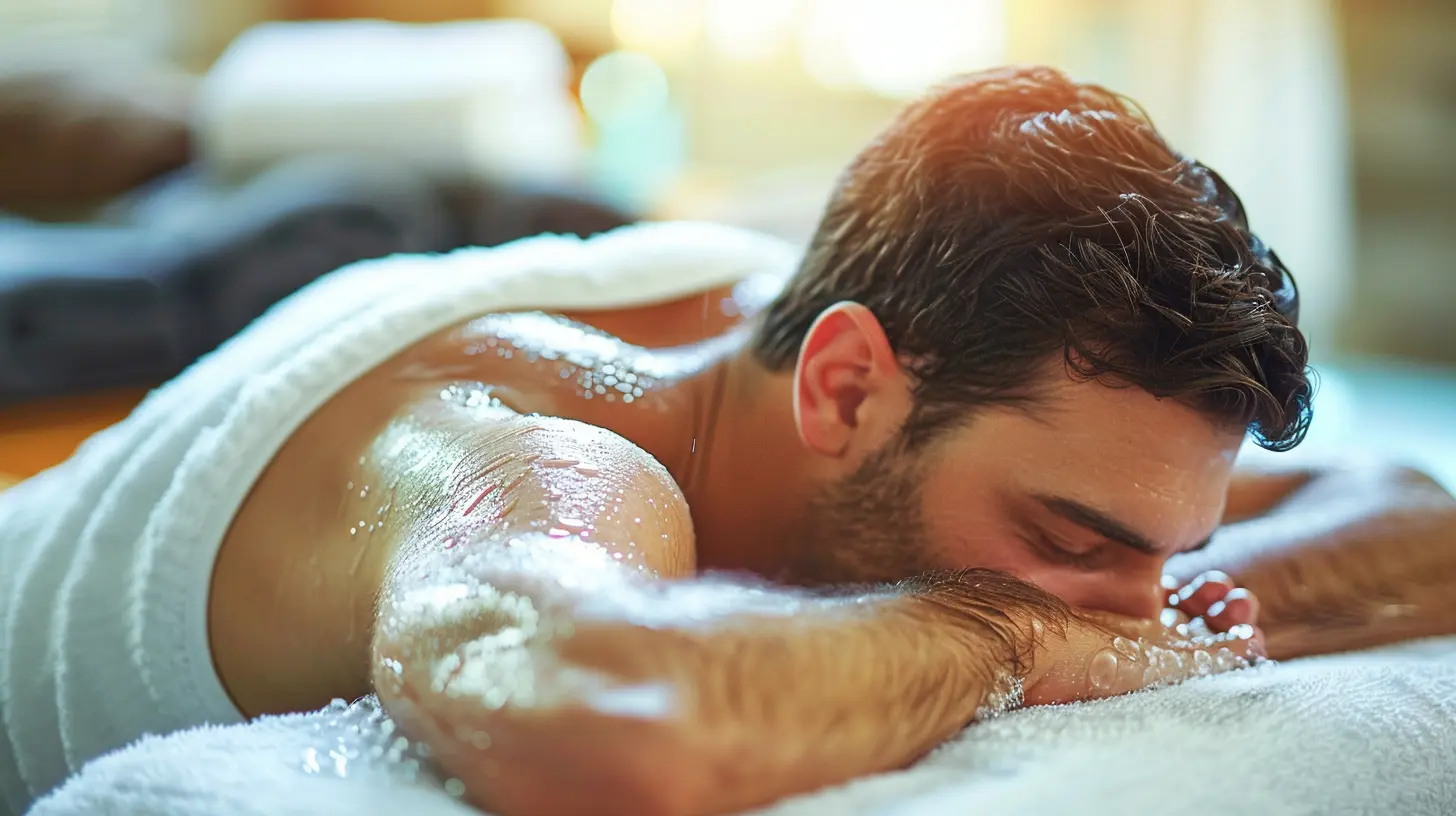
Why Is Muscle Recovery So Important?
Before we jump into the juicy techniques, let’s chat about why recovery is such a big deal. When you work out, you’re essentially creating tiny tears in your muscle fibers (don’t worry, this is a good thing). The recovery phase is when those fibers repair and rebuild themselves, becoming stronger and more resilient. But, if you don’t prioritize recovery, you’re setting yourself up for fatigue, injuries, and a one-way ticket to burnout.Self-massage is a game-changer here. It boosts blood flow, reduces inflammation, and helps flush out metabolites like lactic acid that build up during exercise. Basically, it’s like giving your muscles a love letter—only with your hands or tools. 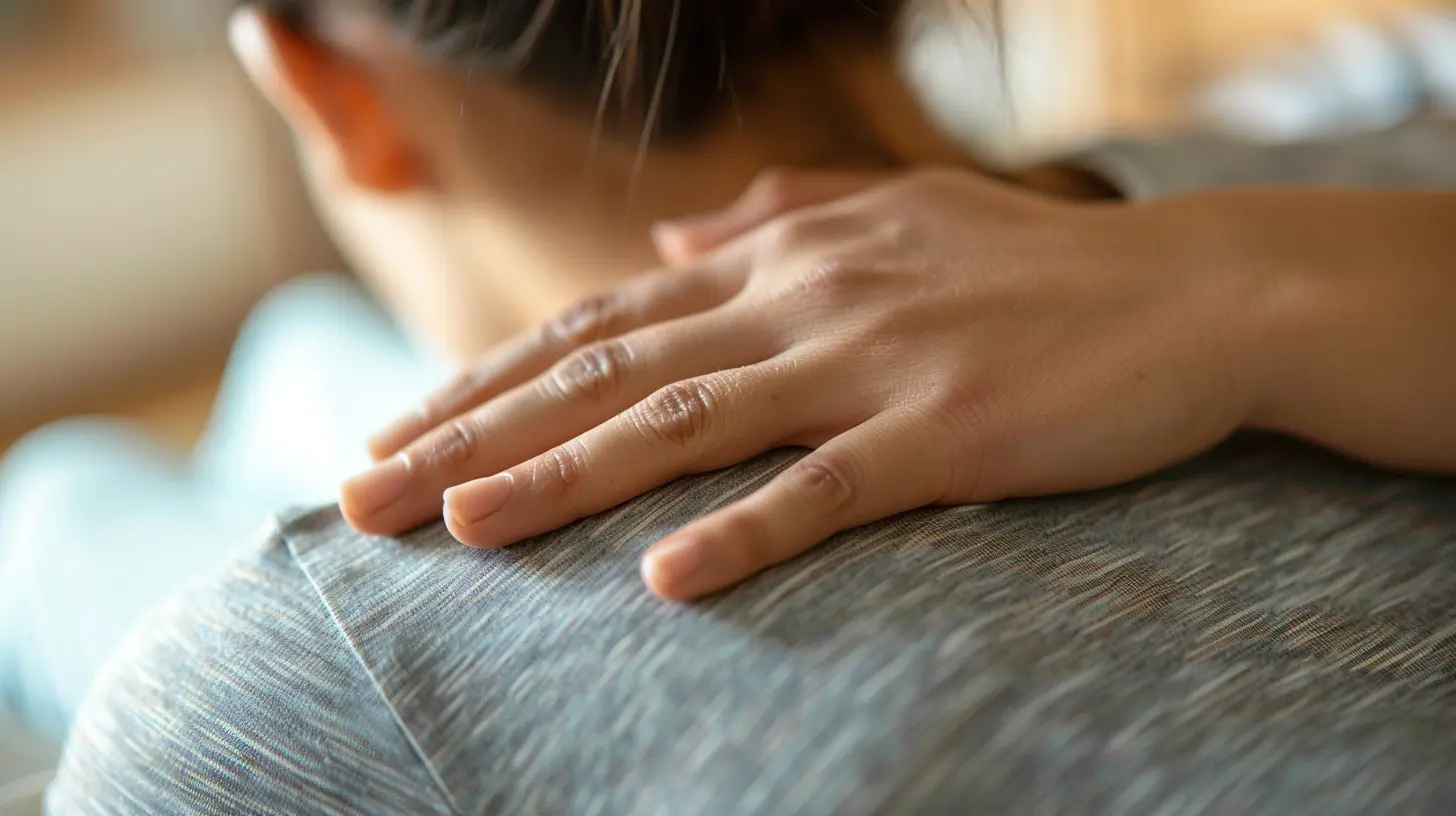
Benefits of Self-Massage After Exercise
Before we dive into the how-to part, let’s talk about why you should even bother. Here are some science-backed benefits of self-massage that’ll have you running for your foam roller:1. Reduces Muscle Soreness (DOMS): You know that painful stiffness 24-48 hours after a workout? That’s Delayed Onset Muscle Soreness, or DOMS. A quick self-massage can minimize it by increasing blood flow and promoting muscle relaxation.
2. Improves Flexibility and Range of Motion: Tight muscles can limit your range of motion, making your next workout feel harder than it needs to be. Self-massage helps loosen things up so you can move freely.
3. Boosts Relaxation: Massage isn’t just for your muscles; it’s for your mind too! The act of massaging triggers the release of endorphins, reducing stress and promoting relaxation.
4. Speeds Up Recovery: By flushing out toxins and improving circulation, self-massage gets you back to your peak performance faster.
5. Saves Money: Why book a massage therapist when you can do it yourself at home? Save your wallet and still get the benefits. 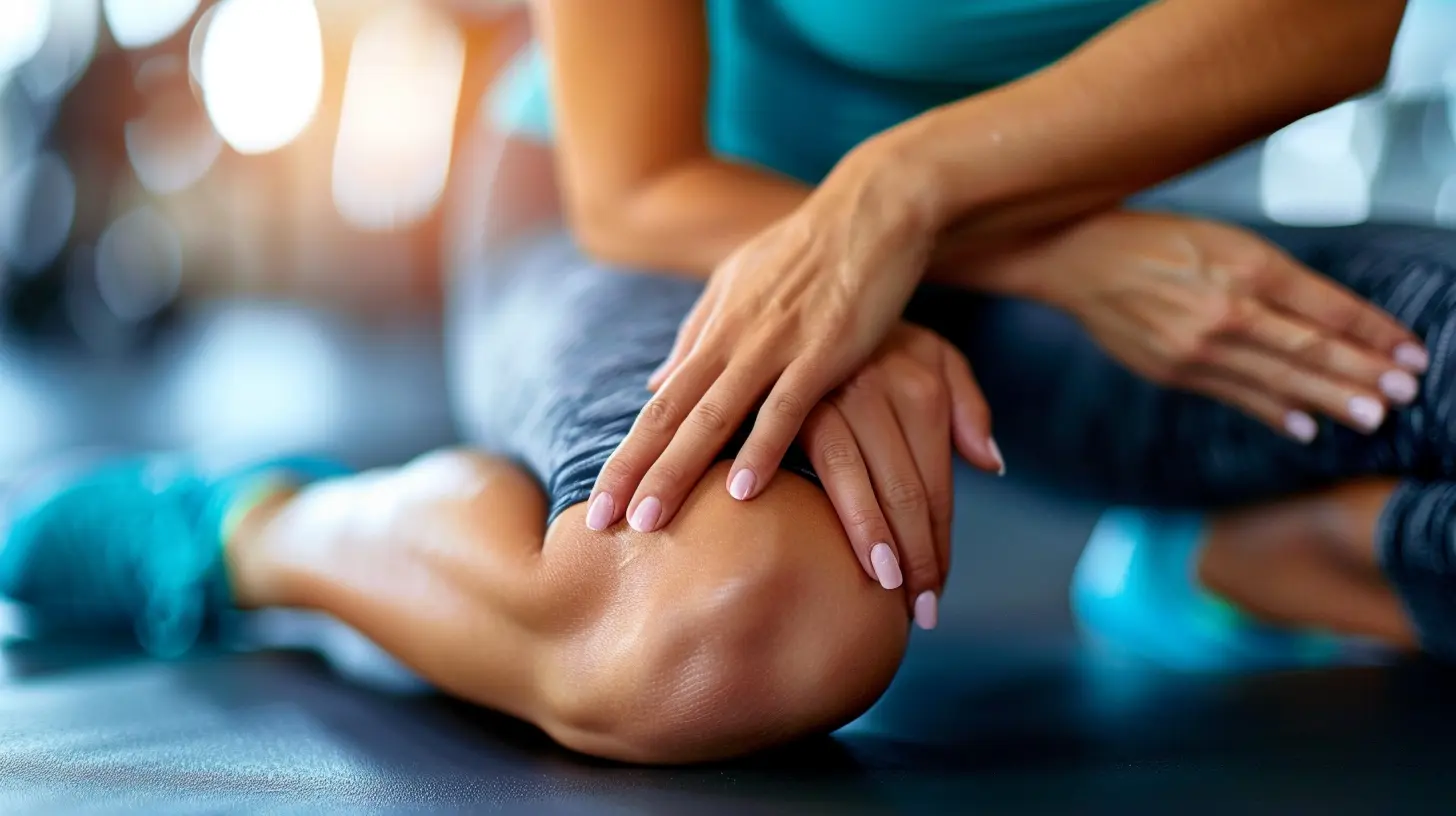
Tools for Self-Massage
Okay, let’s get down to brass tacks. What tools do you actually need? Don’t worry—it’s simpler than you might think. Here are a few must-haves:- Foam Roller: Think of this as your best friend for large muscle groups like quads, hamstrings, and your back.
- Massage Ball (Lacrosse Ball Works Too): Perfect for targeting smaller areas like glutes or shoulders.
- Your Hands: The OG massage tool! You don’t need anything fancy—just use your fingers, palms, and knuckles.
- Massage Stick: Ideal for rolling over your calves or thighs. 
Self-Massage Techniques for Faster Recovery
Alright, let’s roll (literally). Here are some simple, effective self-massage techniques broken down by muscle group:1. Foam Rolling for Quads
- How to Do It: Start in a plank position with the foam roller under one of your thighs. Slowly roll from the top of your hip down to just above your knee, and then roll back up. Spend about 30-60 seconds per leg.- Why It Works: The quads take a beating during activities like running, squats, or cycling. Foam rolling helps iron out those knots and tight spots.
2. Glute Release with a Massage Ball
- How to Do It: Sit on the ball with one leg crossed over the other (think figure-four position). Slowly roll the ball around your glute muscles, focusing on any tender spots. Spend at least a minute per side.- Why It Works: Tight glutes can mess with your posture and even cause lower back pain. Releasing tension here can improve overall mobility.
3. Calf Massage with a Foam Roller
- How to Do It: Sit on the floor, place the foam roller under your calves, and lift your hips slightly off the ground. Roll from your ankle to just below your knee, pausing on any tight areas.- Why It Works: Whether you’ve been running or jumping, your calves work hard. Foam rolling helps alleviate tightness and improve circulation in this often-overlooked area.
4. Back Release with Foam Roller
- How to Do It: Lie on your back with the foam roller placed horizontally under your shoulder blades. Use your feet to push yourself up and down, rolling from your mid-back to your upper back. Avoid rolling directly on your lower back.- Why It Works: This technique eases tension in your upper back, especially if you’ve been doing pull-ups, rows, or even sitting at a desk all day.
5. Hamstring Massage with Massage Stick
- How to Do It: Sit on a chair and place the massage stick under your thigh. Roll it back and forth, applying as much pressure as you can comfortably handle.- Why It Works: Tight hamstrings can lead to poor flexibility and even knee pain. This technique helps loosen them up and keeps you moving freely.
6. Self-Massage for Shoulders and Neck
- How to Do It: Use your fingers or a massage ball against a wall to target tension in your shoulders and neck. Apply gentle pressure in circular motions, focusing on any knots or tender points.- Why It Works: Stress and exercise can cause tension to build up in your shoulders and neck. A quick massage can relieve this—and even help with headaches!
Pro Tips for an Effective Self-Massage
Feeling inspired to give it a try? Here are some bonus tips to get the most out of your self-massage:- Go Slow: Rushing through it defeats the purpose. Take your time to really target those tight spots.
- Don’t Overdo It: A little soreness is okay, but it shouldn’t be painful. Listen to your body.
- Stay Hydrated: Massage can release toxins from your muscles, so drink plenty of water to help flush them out.
- Be Consistent: Like anything in fitness, consistency is key. Schedule self-massage sessions a few times a week for the best results.
When to Avoid Self-Massage
As amazing as self-massage is, it’s not always the right call. Here are a few situations where it’s best to skip it:- If you have an injury (like a sprain or fracture)
- If you’re experiencing severe pain
- If you have medical conditions like blood clots (always consult your doctor first)
Wrapping It All Up
There you have it—self-massage isn’t just a luxury; it’s a practical, affordable way to speed up your recovery after exercise. Whether you’re foam rolling your quads, releasing tension in your shoulders, or working out tight glutes with a massage ball, these techniques can make a world of difference for your body.So the next time you feel those post-workout aches creeping in, don’t suffer in silence. Take matters (literally) into your own hands and give your muscles the care they deserve. Your body will thank you for it!
all images in this post were generated using AI tools
Category:
Post Workout RecoveryAuthor:

Holly Ellison
Discussion
rate this article
2 comments
Azriel McNeil
Rub it out, don’t sweat it—your muscles will thank!
March 22, 2026 at 5:11 AM
Holly Ellison
Thanks for the encouragement! Self-massage definitely makes a difference.
Jillian James
Self-massage is a powerful tool for enhancing recovery! By incorporating targeted techniques post-exercise, you can reduce soreness, improve flexibility, and optimize performance. Prioritize this practice for faster recovery and overall well-being. Your body will thank you!
March 4, 2026 at 4:45 AM
Holly Ellison
Thank you for your insightful comment! I completely agree—self-massage is essential for effective recovery and overall well-being. Happy massaging!