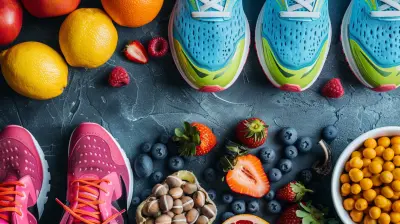
Secrets to Stronger Bones: A Comprehensive Guide
18 March 2026
Let’s face it—we often take our bones for granted until something goes wrong. You know the feeling: you twist your ankle, hear a snap, or get told you’ve got “low bone density” during a routine checkup. Suddenly, bones become a big deal.
But guess what? You don’t have to wait for a wake-up call to take better care of your skeleton. There are simple, daily habits you can pick up to build stronger bones and keep them healthy for life. So, let’s crack the code on bone health and unlock the secrets to keeping your frame strong and sturdy for years to come.
Why Bone Health Matters More Than You Think
Your bones aren’t just lifeless sticks holding you up. They’re living tissue—growing, adapting, and changing just like the rest of your body. Think of them as your internal scaffolding. Without healthy bones, everyday tasks like walking, bending, or even standing become a challenge.Strong bones help:
- Prevent fractures and injuries
- Keep you active and independent as you age
- Support muscles and protect vital organs
- Store essential minerals like calcium and phosphorus
And here’s the kicker—bone mass peaks around the age of 30. After that, it's a slow decline unless you do something about it.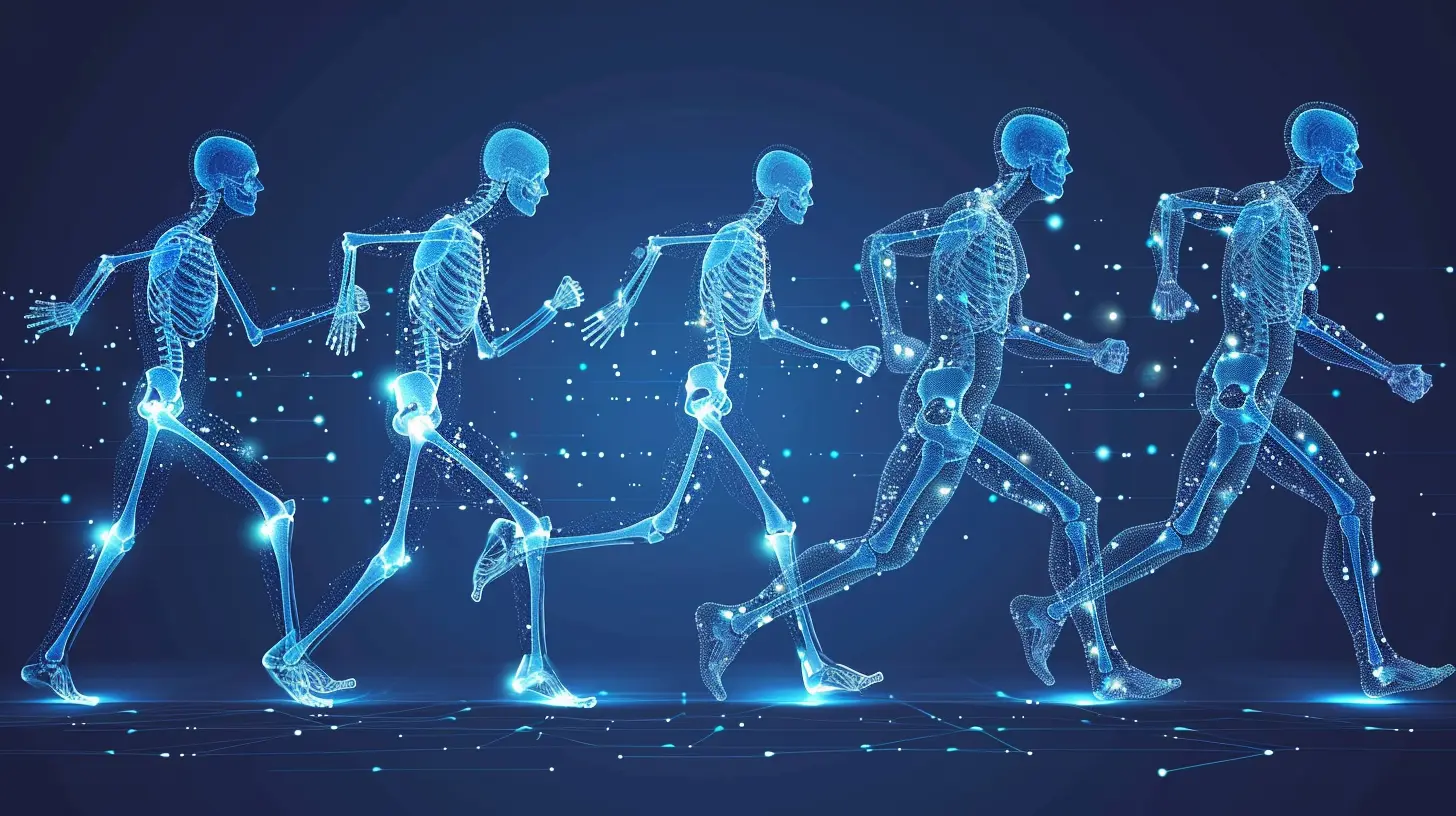
The Building Blocks of Strong Bones
1. Calcium: The Superstar of Bone Health
You’ve heard it a million times—drink your milk for strong bones. And while dairy is a great source, calcium is about more than just milk.Your body stores over 99% of its calcium in your bones and teeth. If you don’t get enough through your diet, your body "borrows" it from your bones… and that’s not a loan you want to repay.
Awesome sources of calcium:
- Dairy (milk, yogurt, cheese)- Leafy greens (like kale and collard greens)
- Almonds
- Sardines (yes, those little fish with the bones)
- Fortified foods (like calcium-enriched orange juice or cereal)
Aim for around 1,000 mg per day (1,200 mg if you’re over 50), and don’t rely on supplements alone—food sources are always better!
2. Vitamin D: The Unsung Hero
Calcium can’t do its job without Vitamin D. Think of Vitamin D as the friend who helps calcium get absorbed into the bloodstream and reach your bones.Your body naturally makes Vitamin D when exposed to sunlight. But if you’re always indoors, slathered in sunscreen, or live far from the equator, you might be running low.
Vitamin D sources to consider:
- Sunlight (15-20 minutes a day can work wonders)- Fatty fish (like salmon and mackerel)
- Egg yolks
- Fortified dairy or plant-based milk
- Supplements (especially in winter months)
Adults should aim for about 600 to 800 IU daily. Chat with your doctor before mega-dosing though.
3. Protein: The Underrated Player
Believe it or not, bones are about 50% protein by volume. So if you’re skimping on protein, your body won’t have the raw materials to rebuild bone tissue.But don’t go overboard—too much protein, especially from animal sources, can lead to calcium loss unless balanced with fruits and veggies.
Great protein picks:
- Lean meats- Eggs
- Beans and lentils
- Greek yogurt
- Tofu and tempeh
Balance is the name of the game here.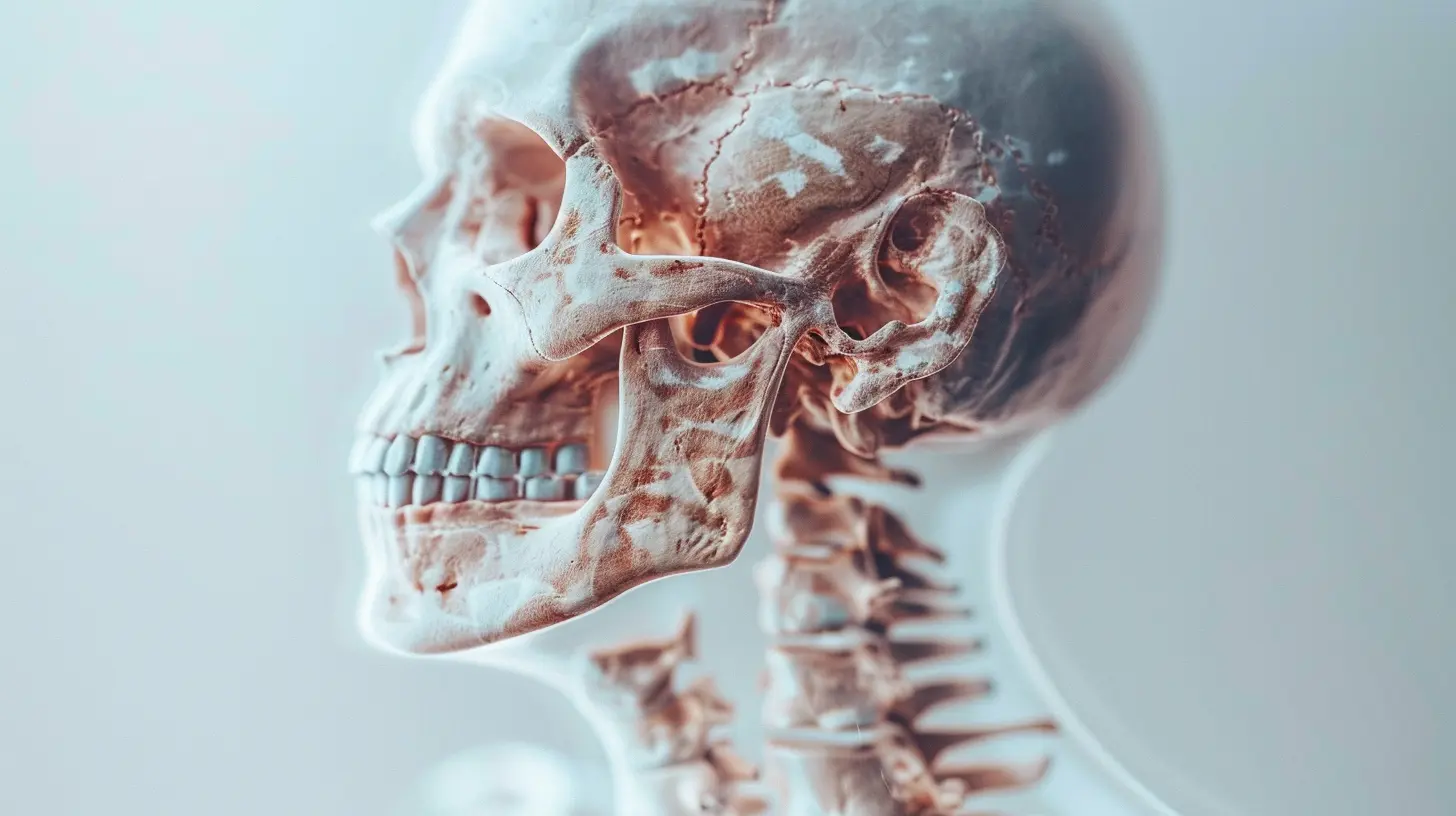
Lifestyle Habits That Make or Break Bone Strength
4. Weight-Bearing Exercise: Your Bones Love to Work Out
Just like your muscles grow stronger with exercise, so do your bones. Weight-bearing activities signal your body to lay down more bone tissue, making them denser and tougher.Best exercises for bone health:
- Walking or hiking- Dancing
- Jump rope
- Strength training (yes, lifting weights!)
- Stair climbing
Even 30 minutes a day can make a huge difference. So grab those dumbbells and give your bones something to smile about.
5. Cutting Down on Bone Robbers
Certain habits can slowly chip away at your bone health—even if you’re doing everything else right.Bone saboteurs to avoid:
- Smoking: Decreases bone-forming cells and calcium absorption.- Excessive alcohol: Interferes with Vitamin D and disrupts bone remodeling.
- Too much caffeine: Can drain calcium if consumed in large quantities.
- Overuse of salt: High sodium levels can lead to more calcium loss in urine.
We’re not saying go full monk mode—but moderation is key.
6. Maintain a Healthy Body Weight
Both underweight and overweight individuals are at risk when it comes to bone health. Being too thin can mean less bone mass, while excess weight, especially around the belly, is linked to inflammatory chemicals that interfere with bone-building.Finding that sweet spot helps your bones support your body efficiently without unnecessary stress.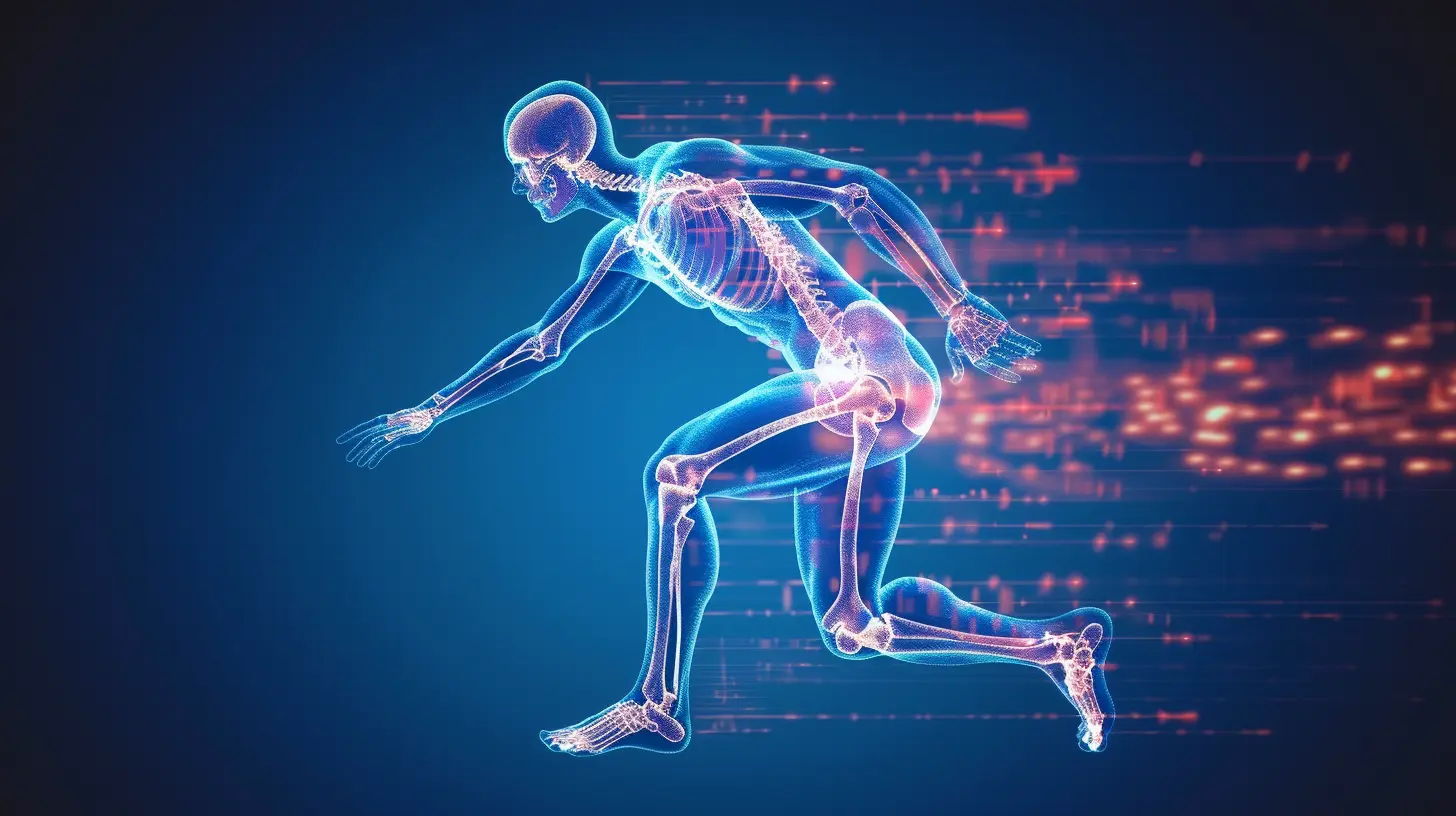
Age Matters: Different Strategies for Different Stages
For Kids and Teens
This is peak bone-building time, folks. About 90% of bone mass is built by age 18 (girls) or 20 (boys). So load that plate with calcium-rich foods and make playtime active.For Adults (20s to 50s)
Now’s the time to maintain what you’ve built. Keep working out, eating right, and getting enough Vitamin D and calcium.For Seniors (50+)
Bone loss speeds up, especially for women after menopause. Stay active with low-impact exercises like walking or swimming, get bone density scans, and consider medications if your doctor recommends them.The Role of Hormones in Bone Health
Did you know your hormones play a huge role in bone strength?- Estrogen (in women) helps prevent bone loss. That’s why post-menopausal women are at higher risk for osteoporosis.
- Testosterone (in men) also contributes to bone mass.
- Thyroid issues or adrenal imbalance can mess with bone remodeling too.
So if something feels off hormonally, don’t ignore it—your bones might be whispering for help.
Bone Supplements—Helpful or Hype?
Supplements can fill the gaps your diet can’t. But they’re not magic pills.Good ones to consider:
- Calcium carbonate or citrate (easy to find and absorb)
- Vitamin D3 (the preferred form)
- Magnesium (a helper for calcium)
- Vitamin K2 (helps direct calcium to bones, not arteries)
Always consult your doctor before diving into the supplement world. And remember: supplements support healthy habits—they don’t replace them.
FAQs About Bone Health
Can I reverse bone loss?
To some degree, yes. While you might not completely rebuild lost bone, you can slow or stop further loss with lifestyle changes, meds, and resistance training.Is osteoporosis inevitable with age?
Nope! Aging increases risk, but lifestyle plays a massive role. You can have strong bones well into old age.How do I know if my bones are getting weaker?
You might not know until you break something. That’s why bone density scans (DEXA) after 50—or earlier if you have risk factors—are a good idea.Simple Daily Checklist for Stronger Bones
Here’s a quick cheat sheet to keep your bone-building game strong:✅ Load up on calcium-rich foods
✅ Get some sunshine or take a Vitamin D supplement
✅ Include strength or weight-bearing workouts
✅ Avoid smoking and limit alcohol
✅ Drink less soda and caffeine
✅ Eat enough protein
✅ Stay active and maintain a healthy weight
✅ Get checked for hormone imbalances
Consistency is key. Your bones aren’t built in a day—but they can definitely be broken in one.
Final Thoughts – Be Kind to Your Bones
Your bones are the quiet heroes of your body. They don’t get the glamor of abs or biceps, but trust me—when your bones feel good, everything else follows.Whether you’re dancing, hiking, lifting weights, or just playing with your kids or grandkids, strong bones make life easier and more enjoyable.
So be kind to your skeleton. Feed it well. Move it daily. Give it the love it deserves.
Because one day, when you’re comfortably climbing a mountain at 75 or dancing at your granddaughter’s wedding, you’ll thank yourself—and your bones will too.
all images in this post were generated using AI tools
Category:
Bone HealthAuthor:

Holly Ellison
Discussion
rate this article
2 comments
Tenley Harris
Thank you for this informative article! I appreciate the practical tips for improving bone health and overall wellness.
March 31, 2026 at 4:29 AM
Holly Ellison
Thank you for your kind words! I'm glad you found the tips helpful for better bone health.
Ainsley Peterson
Want bones like a superhero? 🦸♂️ Forget the cape; it’s all about calcium, vitamin D, and a little weightlifting! Just remember: Strong bones mean fewer 'oops, I tripped' moments. Let's rock that calcium!
March 20, 2026 at 4:55 AM
Holly Ellison
Absolutely! Strong bones are key to staying active and injury-free. Let's make calcium a part of our daily routine!