Preparing for the Unexpected: Postpartum Health Challenges
4 May 2026
So, the baby’s here! You did it. Months of anticipation and probably a million Google searches, and now you're holding this tiny human in your arms. But here’s the thing no one really talks about enough—what happens to you after birth?
It’s easy to focus so much on the baby (understandably, they’re adorable!) that your own well-being gets pushed to the side. But let’s be real: the postpartum period can throw some serious curveballs. If you’re not ready, it can catch you entirely off-guard.
Let’s talk openly and honestly about the not-so-glamorous side of becoming a mom—the physical, emotional, and mental health challenges you might face after giving birth. Trust me, this is the kind of stuff every mama should have in her back pocket.
The Fourth Trimester: What No One Prepares You For
You’ve heard of the first three trimesters, but postpartum? That’s the “fourth trimester,” and honestly, it can be the wildest one of all.Your Body’s Healing Journey
Giving birth is a major event—like running a marathon… while also climbing a mountain… and simultaneously juggling flaming swords. Whether you had a vaginal delivery or a C-section, your body just went through something extraordinary. So yeah, healing takes time.Vaginal Healing
Swelling, soreness, and maybe even stitches? Yep, that’s normal. You might also be dealing with bleeding (lochia), which can last up to six weeks. Don’t be alarmed if it’s heavier at first and then tapers off.C-Section Recovery
Think of it like major abdominal surgery—because that’s exactly what it is. Recovery tends to be longer compared to vaginal birth. You’ll be sore, tired, and probably feel like your body’s been hit by a truck.Pro Tip:
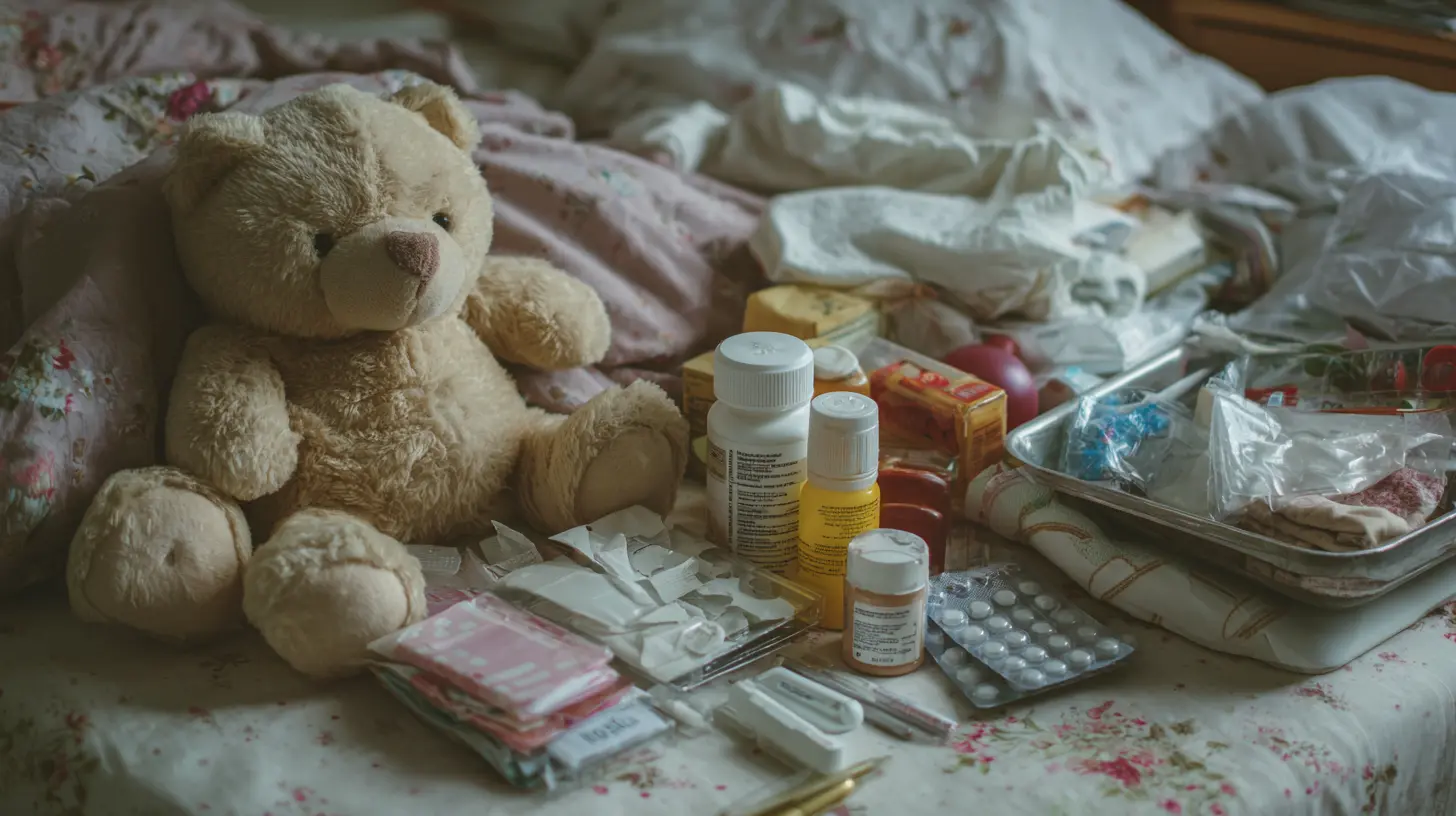
Stock up on pads, comfy undies, stool softeners, and ice packs. And take your meds if prescribed—there’s no trophy for toughing it out.
Emotional Whiplash: Postpartum Mood Swings
You’re crying because the baby smiled, but also because the dishwasher’s full? Totally normal. Your hormones are doing the cha-cha, and it can mess with your emotions big time.Baby Blues vs. Postpartum Depression
About 70-80% of new moms experience the “baby blues”—short-lived moodiness, weepiness, and irritability in the first couple of weeks. But if it sticks around longer or you feel totally overwhelmed or hopeless, it might be something more serious.Postpartum Depression (PPD)
PPD is not your fault, and you’re not alone. It can show up as extreme sadness, anxiety, guilt, or even anger. If you're having trouble bonding with your baby, withdrawing from loved ones, or just feeling "off," talk to someone—a doctor, a partner, a friend. You deserve help.Postpartum Anxiety & OCD
Yep, those are real too. You might feel constantly worried, have racing thoughts, or experience obsessive behaviors (like checking if your baby’s breathing 20 times a night). If your mind won’t rest, reach out.
Physical Challenges That Don’t Get Enough Attention
There are postpartum health issues that hit you out of nowhere. Let’s shine a light on them so they don’t catch you by surprise.1. Pelvic Floor Dysfunction
Ever sneeze and pee a little? Annoying, right? Your pelvic floor muscles get stretched or damaged during delivery, and that can lead to incontinence, pain during sex, or even prolapse (when organs like your bladder shift downward).What helps? Pelvic floor physical therapy. It’s a game-changer.
2. Mastitis and Breastfeeding Woes
Breastfeeding looks so serene in the movies—until you get cracked nipples, clogged ducts, or worse, mastitis (an infection that makes you feel like you’ve got the flu). Ouch!Tip: Nurse frequently, use warm compresses, and see a lactation consultant early on.
3. Postpartum Thyroiditis
About 5-10% of women develop thyroid issues after giving birth. You might feel super tired, anxious, or notice weight changes. If something feels off, get tested.4. Hair Loss
You may feel like you’re shedding like a golden retriever. That’s postpartum hair loss—it’s normal and usually resolves within months. So, don’t panic when clumps fall out in the shower.5. Hemorrhoids and Constipation
Thanks to the pressure of pregnancy and delivery, hemorrhoids are common. Pair that with constipation, and it’s a perfect storm.What helps? High fiber foods, drinking tons of water, and yes—stool softeners.
Mental Loads and Identity Shifts
Let’s be honest: motherhood can feel like losing parts of yourself while trying to hold everything together. You’re not just “mom”—you’re still YOU. But figuring that out while navigating sleepless nights and constant feedings? That’s tough.Mom Guilt and Pressure to “Bounce Back”
Instagram isn’t real life. Comparing yourself to filtered perfection can lead to guilt and anxiety. You don’t need to “snap back” physically or emotionally. Healing can’t be rushed, and every journey looks different.Relationship Struggles
Your partner may also be adjusting. You might argue more, or feel distant. Open communication is key. Consider counseling if things feel tense—your relationship needs nurturing too.Returning to “Normal” — Or Creating a New One
Newsflash: there’s no “normal” to go back to. That old version of life? It’s gone. You’ve evolved, and that’s not a bad thing.When to Call the Doctor
- Bleeding that soaks a pad in under an hour- High fever or chills
- Sharp abdominal pain
- Depressive thoughts that persist
- Any thoughts of harm (yourself or baby)
Don’t second-guess symptoms. Better safe than sorry.
Building Your Support Squad
Raising a baby isn't a solo gig. Call on family, friends, therapists, doulas, and support groups. Whether it's venting about sleepless nights or getting help with laundry—take it. Asking for help is a superpower, not a weakness.
Self-Care Isn’t Selfish
Small things matter. A long shower, a 10-minute nap, a hot cup of coffee (while it’s still hot!)—those are victories, not luxuries.Move Gently
When your doc gives the green light, start with simple walks or light yoga. Movement can help with mood, healing, and just feeling human again.Eat Like You Love Yourself
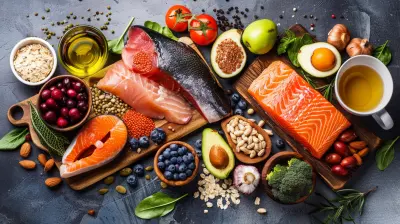
You don’t need a perfect postpartum diet, but nourishing your body helps with recovery and energy. Think colorful foods, hydration, protein, and healthy fats. Even smoothies count!Sleep (When You Can)
Yes, “sleep when the baby sleeps” is laughable, but do try prioritizing rest where possible. Switch off with your partner, nap during the day, and lower your expectations. Your only job right now is survival and sanity.Final Thoughts: You’re Doing Better Than You Think
Postpartum isn’t all onesies and cuddles—it’s messy, raw, and can be incredibly hard. But it’s also filled with moments of fierce love, strength you didn’t know you had, and a kind of growth that changes you on a cellular level.Take it one minute at a time. Reach out. Lean on others. And remember—you’re not alone in this.
all images in this post were generated using AI tools
Category:
Postpartum HealthAuthor:

Holly Ellison
Discussion
rate this article
2 comments
Rook Watson
Navigating postpartum health can be tough, but remember that every challenge is an opportunity for growth. Embrace support from loved ones and trust in your resilience. You are not alone on this journey, and brighter days are ahead. Keep pushing forward...
June 17, 2026 at 2:23 AM
Holly Ellison
Thank you for your thoughtful words. It's true that support and resilience play key roles in this journey. Every step forward counts.
Garrett Jacobs
Essential insights for new parents.
May 6, 2026 at 3:34 PM
Holly Ellison
I'm glad you found it helpful! The postpartum period can be unpredictable, and being prepared makes a big difference.