Post-Run Snacks to Promote Muscle Recovery
1 March 2026
Let’s face it—there’s no better feeling than crushing a good run. Whether you’re sprinting through a 5K or grinding out a long-distance marathon, your body works hard to push you forward. But what happens after you cross the finish line or step off the treadmill? That’s where the real magic begins. And no, I’m not just talking about stretching or foam rolling.
We’re diving into the not-so-secret weapons of recovery—post-run snacks.
What you munch on after a run can either help your muscles repair, refuel your energy stores, and reduce soreness…or leave you feeling like a sluggish mess the next day.
So if you’re ready to bounce back stronger, recover faster, and fuel your next workout like a pro, keep reading. Below, we’ll break down the best post-run snacks that actually help with muscle recovery.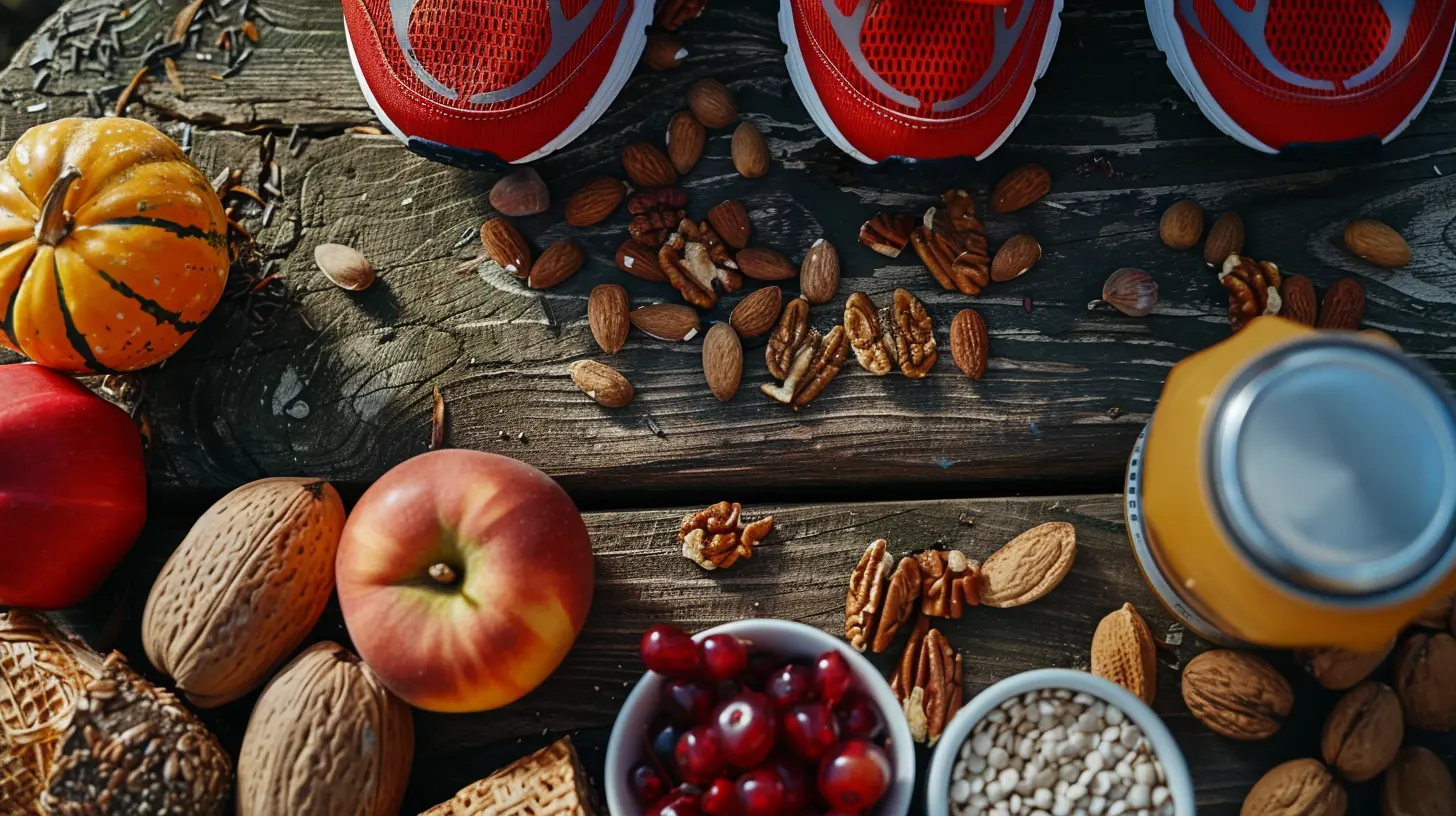
Why Post-Run Nutrition Matters More Than You Think
Here’s the deal—when you run, you’re essentially breaking down muscle fibers, burning glycogen (your body’s stored energy), and sweating out essential minerals. It’s kind of like draining your phone battery and cracking the screen at the same time.If you don’t recharge and repair, your performance and recovery take a major hit. That’s where a solid post-run snack sweeps in to save the day like a nutritional superhero.
Think of it like this: a good post-run snack doesn’t just fill your belly—it rebuilds your muscles, restores glycogen, and rehydrates your system.
The Golden Recovery Window
Studies often point to a 30-60 minute window after your run where your body is primed to soak up nutrients like a sponge. This is your chance to refuel smart and make progress, not just survive until your next meal.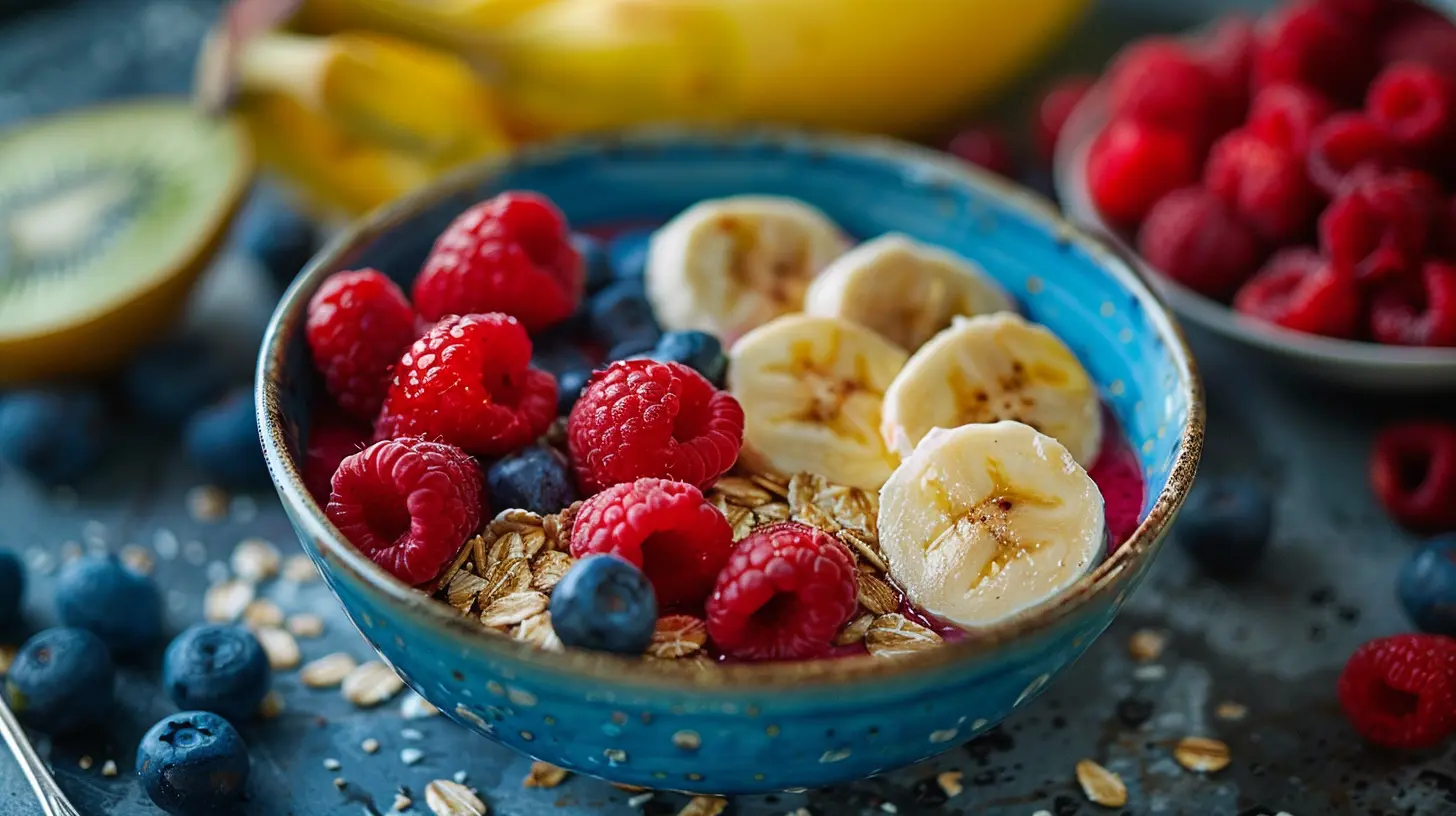
What Makes a Great Post-Run Snack?
Before we get into mouthwatering snack ideas, let’s cover the basics. A proper post-run snack should include three major things:- Carbohydrates: To replenish glycogen stores
- Protein: To repair and rebuild muscle tissues
- Electrolytes: To replace what you lost through sweat
Bonus points if it’s hydrating and easy to digest.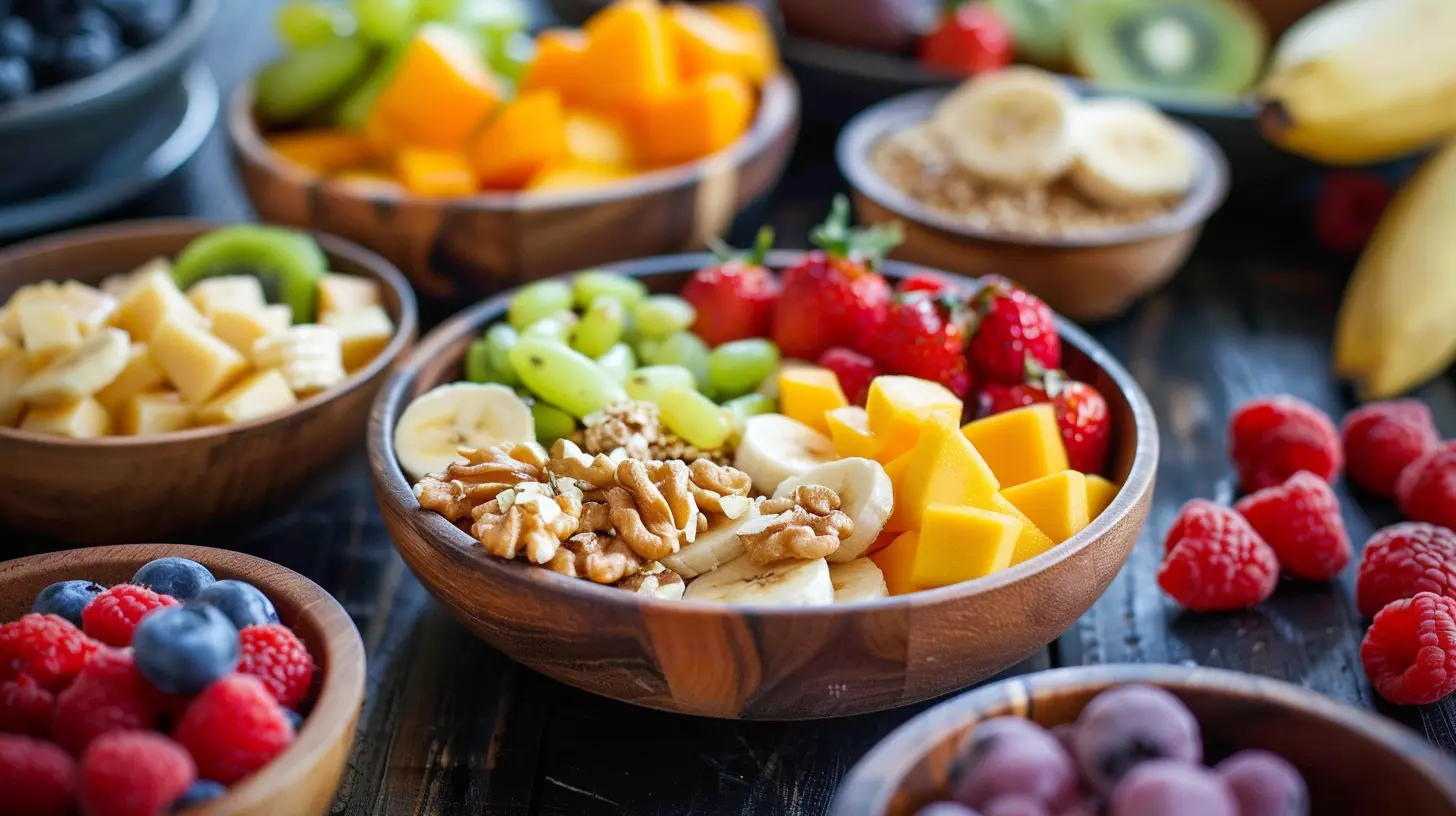
1. Chocolate Milk: The Classic Recovery Favorite
You’ve probably heard this one before, and for good reason. Chocolate milk has the ideal 4:1 ratio of carbs to protein, making it one of the best ready-to-drink recovery options out there.Why it Works:
- High-quality protein (casein and whey)- Simple sugars to rapidly replenish glycogen
- Hydrating, with electrolytes like calcium and potassium
Toss it in your gym bag, shake it up post-run, and sip your way to stronger muscles.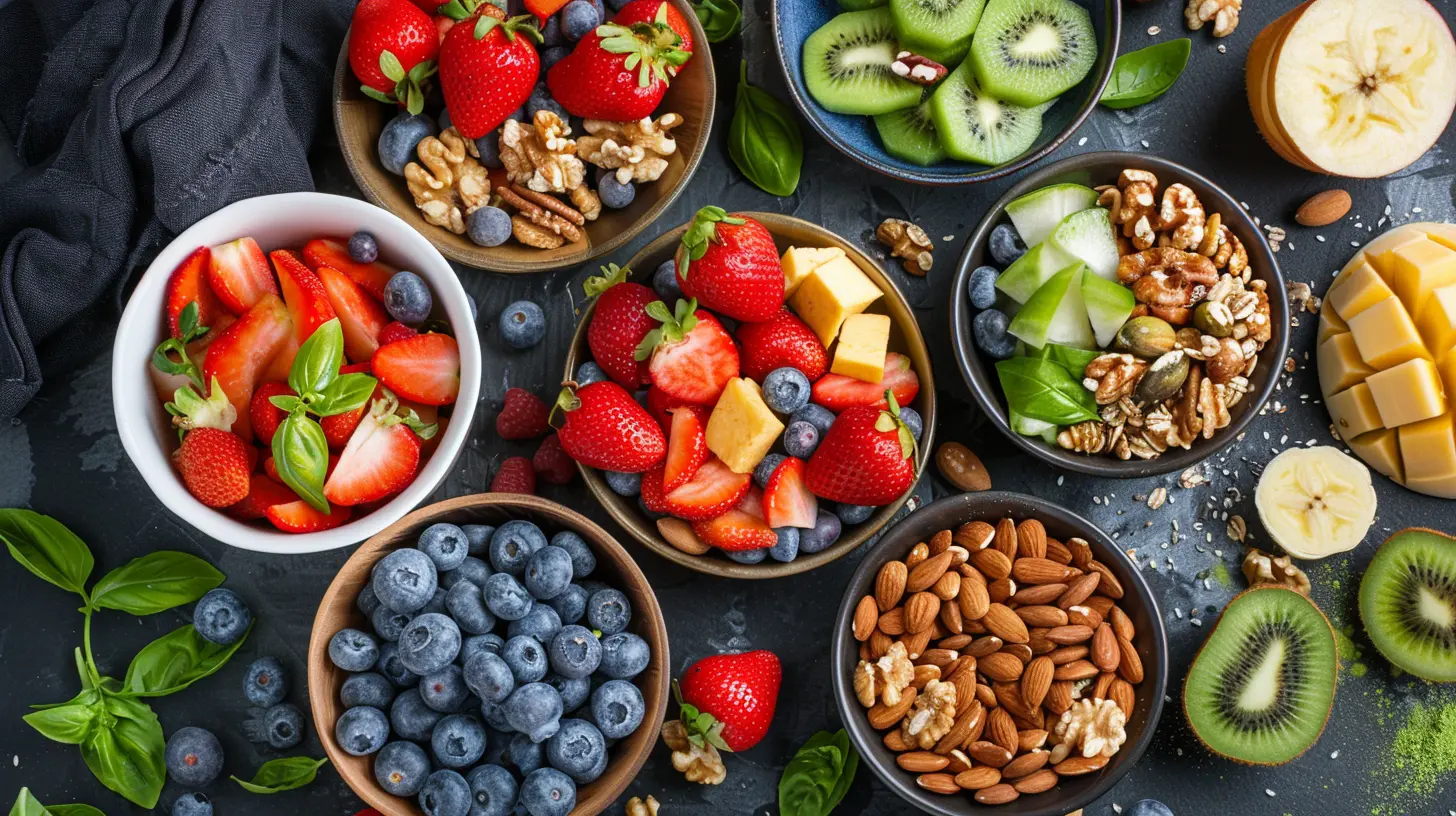
2. Greek Yogurt with Berries and Honey
Creamy, tangy, and packed with probiotics—Greek yogurt is a post-run powerhouse.Why it Works:
- 15-20g of protein per serving- Carbs from berries and honey for energy restoration
- Gut-friendly probiotics to support digestion
It’s like dessert with benefits. You get muscle repair, an antioxidant boost, AND a happy gut.
3. Peanut Butter Banana Toast
This one’s a go-to for a reason—it’s simple, affordable, and delicious.Why it Works:
- Bananas offer fast-digesting carbs and potassium- Whole grain bread brings fiber and complex carbs
- Peanut butter provides healthy fats and protein
It’s sweet, salty, and oh-so-satisfying after a sweaty run.
4. Protein Smoothie with Fruit and Spinach
When chewing feels like too much effort post-run, a smoothie is your best friend.Why it Works:
- Easily digestible- Customizable with protein powder, fruits, greens, and nut butters
- Hydrating and cooling
Toss in a scoop of whey or plant protein, frozen berries, a handful of spinach, some almond milk, and bam—your muscles are on the fast track to recovery.
5. Cottage Cheese and Pineapple
OK—stay with me here. It may sound old-school, but this combo works.Why it Works:
- Cottage cheese is rich in casein protein—a slow-digesting option that keeps your muscles nourished over time- Pineapple has bromelain, an enzyme known to reduce inflammation
Spoon it into a bowl, top with some chia seeds, and you’ve got yourself a low-fuss, high-impact recovery dish.
6. Hummus and Whole Grain Crackers (or Veggies)
Need something savory? Hummus to the rescue.Why it Works:
- Chickpeas provide plant-based protein and carbs- Olive oil adds healthy fats for joint recovery
- Can be eaten with veggie sticks (hello, hydration) or whole grain crackers for extra fiber
This is a solid snack that keeps you full without weighing you down.
7. Hard-Boiled Eggs and an Apple
No blender? No fridge nearby? No problem.Why it Works:
- Eggs deliver complete protein and essential vitamins like B12 and choline- Apples provide natural sugar and fiber
It’s portable, mess-free, and ridiculously effective. Bonus points if you sprinkle a little sea salt on the egg to replace lost sodium.
8. Oatmeal with Almond Butter and Chia Seeds
Oats aren’t just for breakfast. They’re full of complex carbs and fiber to help replenish your body after a long run.Why it Works:
- Slow-digesting carbs to keep you full- Almond butter adds protein and healthy fats
- Chia seeds are rich in omega-3s and magnesium—great for muscle repair
It’s warm, cozy, and customizable.
9. Turkey Roll-Ups with Cheese
Need a low-carb option? This one’s for you.Why it Works:
- High-protein from lean turkey breast- Cheese adds calcium and slow-digesting fats
- Super easy to prepare and perfect for on-the-go
Pair with a few grapes or a handful of almonds, and you’ve got a balanced mini-meal.
10. Quinoa Salad with Veggies and Feta
For the more meal-preppy types out there, a quinoa salad hits all the right notes.Why it Works:
- Quinoa is a complete plant protein (yes, even without meat)- Packed with slow-burning carbs and fiber
- Add cucumbers, bell peppers, or cherry tomatoes for crunch and vitamins
Drizzle on some olive oil and a squeeze of lemon, and you’ve got a gourmet recovery snack.
Hydration: The Unsung Hero of Recovery
Let’s not forget the MVP—hydration. While snacks are major players, rehydrating is just as important.What to Sip On:
- Water – Always the base level.- Electrolyte Drinks – Like coconut water or sports beverages to replace sodium and potassium.
- Herbal Teas – Great for gentle hydration and gut health.
If you’re feeling super drained, add a pinch of sea salt and a splash of lemon to your water for a DIY electrolyte boost.
Timing + Portion Control: Keep It Real
You don’t need to down a massive meal immediately after running. A light snack with the right nutrients does the trick—especially if you’re eating a full meal within the next two hours.Try to eat within 30-60 minutes post-run, and aim for a 3:1 or 4:1 carb-to-protein balance.
And of course, listen to your body. You don’t need to force food if you’re not hungry, but a little nourishment can go a long way in speeding up recovery.
Common Post-Run Snack Mistakes to Avoid
Alright, let’s keep it 100. Even with good intentions, some folks get tripped up. Avoid these common post-run snack mishaps:- Waiting too long to eat – You miss that recovery sweet spot
- Grabbing empty-calorie junk food – Sugar and fat with no protein or nutrients = no gains
- Ignoring hydration – Drink up before, during, and after your run
- Too much or too little protein – Balance is key; don’t go overboard
Keep it simple, keep it tasty, and your body will thank you.
Final Thoughts: Food is Fuel—Even After You Lace Off Your Shoes
Taking care of your body after a run isn’t just about stretching or sleeping. It’s about feeding your muscles the nutrients they need to recover, grow, and perform.Think of post-run snacks like team players on your recovery squad. When you choose the right combo of carbs, protein, and hydration, you’re not just refueling—you’re laying the groundwork for better stamina, less soreness, and stronger muscles over time.
So the next time you wrap up a run, don’t just grab the nearest snack. Make it count. Your legs (and future self) will thank you.
all images in this post were generated using AI tools
Category:
Running TipsAuthor:

Holly Ellison
Discussion
rate this article
2 comments
Reese Duke
Nutritious snacks enhance recovery and replenish energy after running.
March 24, 2026 at 5:12 AM
Holly Ellison
Absolutely! Nutritious snacks are vital for muscle recovery and energy replenishment after a run. They help optimize your recovery process.
Vex Sheppard
What intriguing snack options enhance muscle recovery after a run? I'm curious how different foods impact recovery time and overall performance. Any surprising favorites?
March 9, 2026 at 3:58 AM
Holly Ellison
For quick muscle recovery, consider snacks like Greek yogurt with berries, a banana with almond butter, or a smoothie with spinach and protein powder. These options provide essential protein and carbohydrates to replenish energy and aid in recovery!