Osteoporosis Prevention: What You Need to Know
6 March 2026
Let’s face it—bones aren’t exactly the sexiest topic. You don’t usually think about them unless you break one, right? But here’s the thing: your bones are holding you up, literally. They’re your scaffolding, your support system, and they need a whole lot of love to stay strong. That’s where osteoporosis prevention comes in.
Osteoporosis is sometimes called the “silent disease” because it doesn’t scream out symptoms until a fracture shows up, often after the damage is already done. Scary? A little. But totally preventable? For the most part, yes! So, whether you’re in your teens, 30s, or even 60s, it’s never too early—or too late—to start thinking about your bone health.
In this ultimate guide, we’re diving into everything you need to know about preventing osteoporosis. And we promise to keep it simple, straightforward, and maybe even a little fun.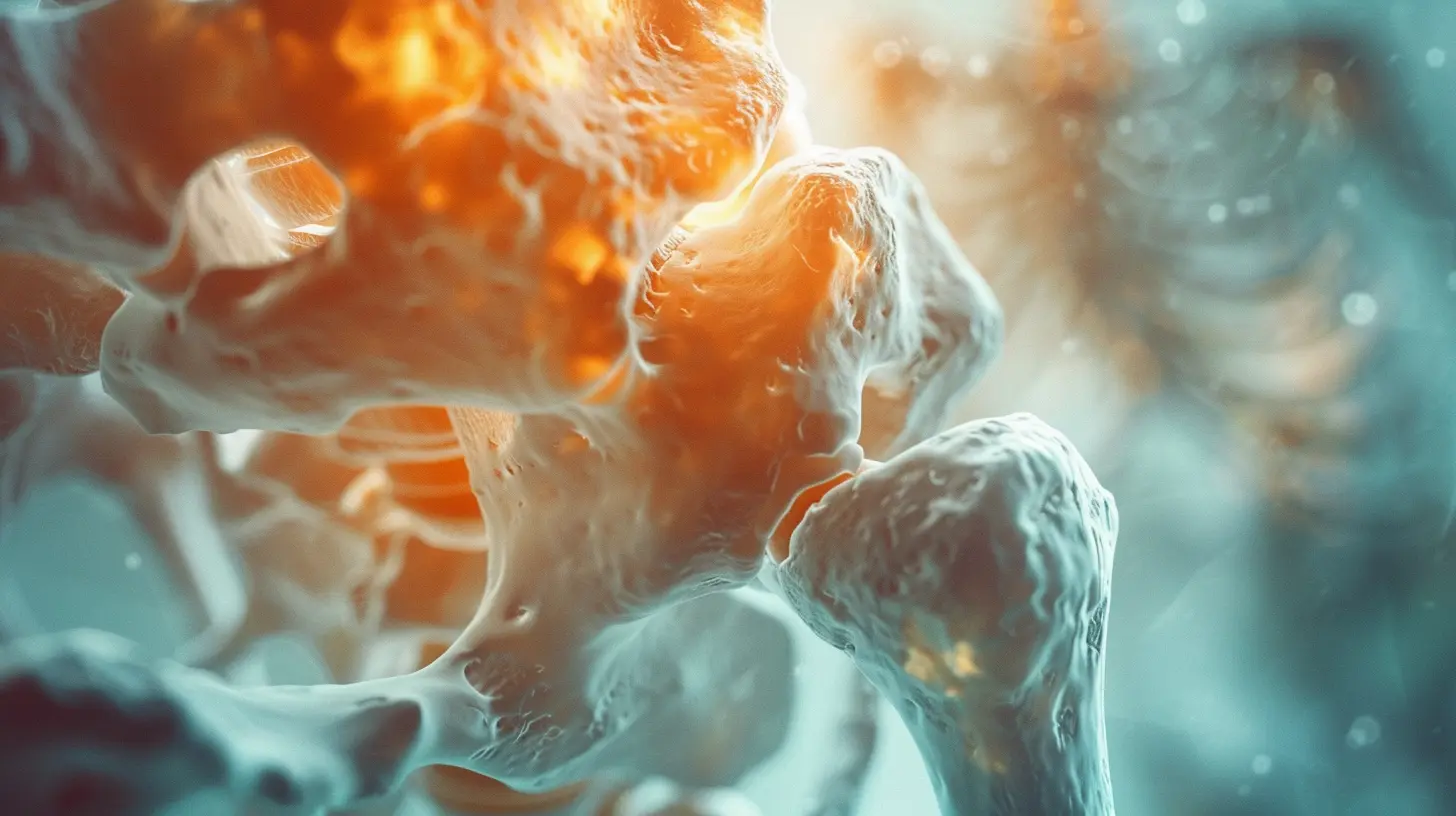
What Is Osteoporosis Anyway?
Osteoporosis literally means “porous bones.” Imagine a sponge—that’s what osteoporotic bones can look like under a microscope. They’re weak, fragile, and prone to breaking from things as minor as a sneeze or bending over to pick up a bag of groceries.Bone is living tissue (yep, it’s alive!), and it’s constantly being broken down and rebuilt. When you’re young, building outweighs the breakdown. But as you age—especially if you don’t give your body what it needs—that balance flips, and bone loss takes the driver’s seat.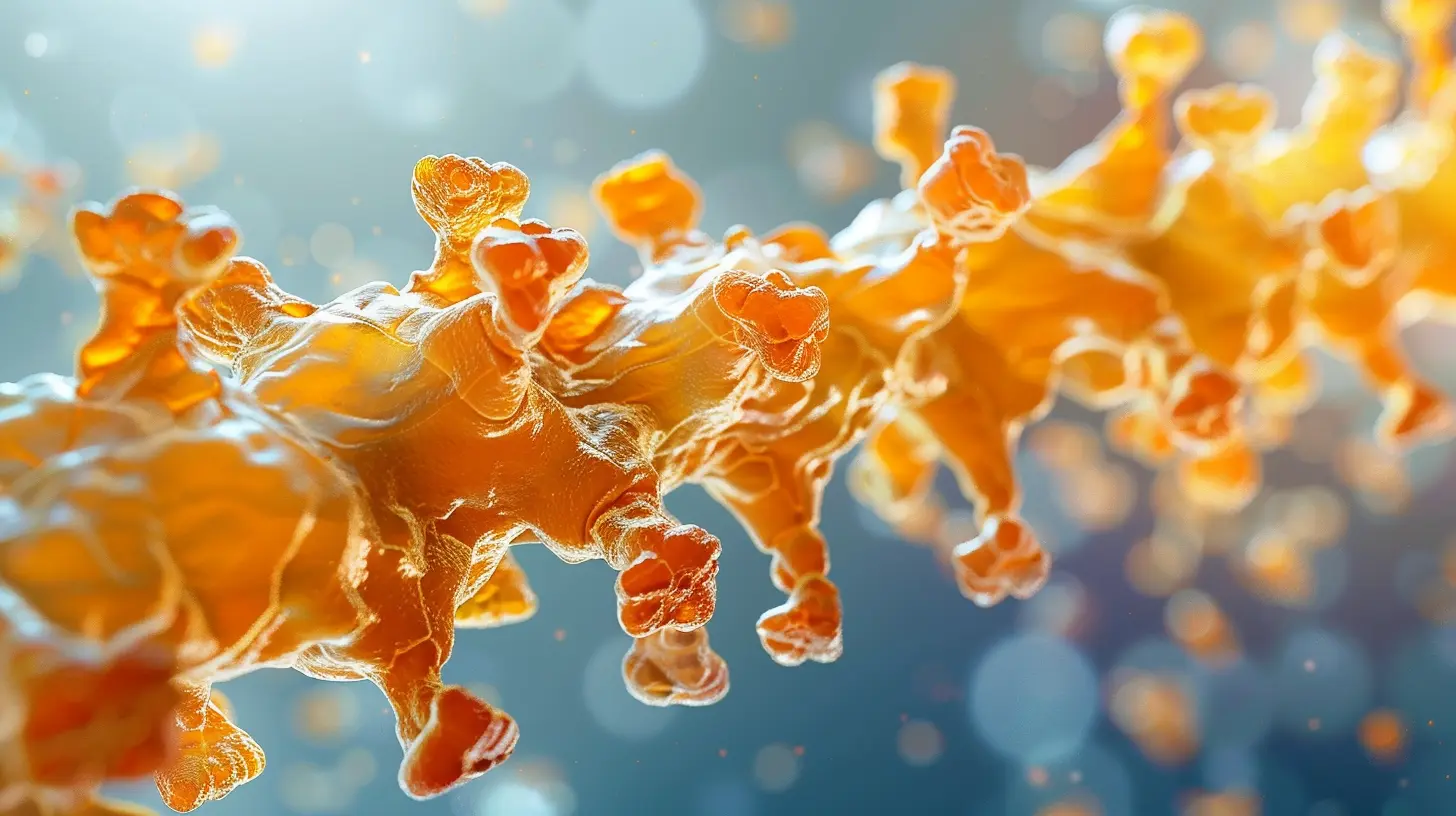
Why Should You Care?
If you're thinking, “I feel fine, I’ll worry about that later,” let’s reconsider. Osteoporosis doesn’t hit you with early signs. It creeps in quietly over time. And it's more common than you'd think—especially in women over 50, though men aren't off the hook.Once you’ve got it, the risk of fractures skyrockets. And we're not just talking about a broken wrist. Hip fractures can be devastating, leading to surgery, long recovery times, or even life-threatening complications.
Prevention isn’t just about avoiding broken bones—it’s about preserving your independence, mobility, and quality of life. Sounds important now, huh?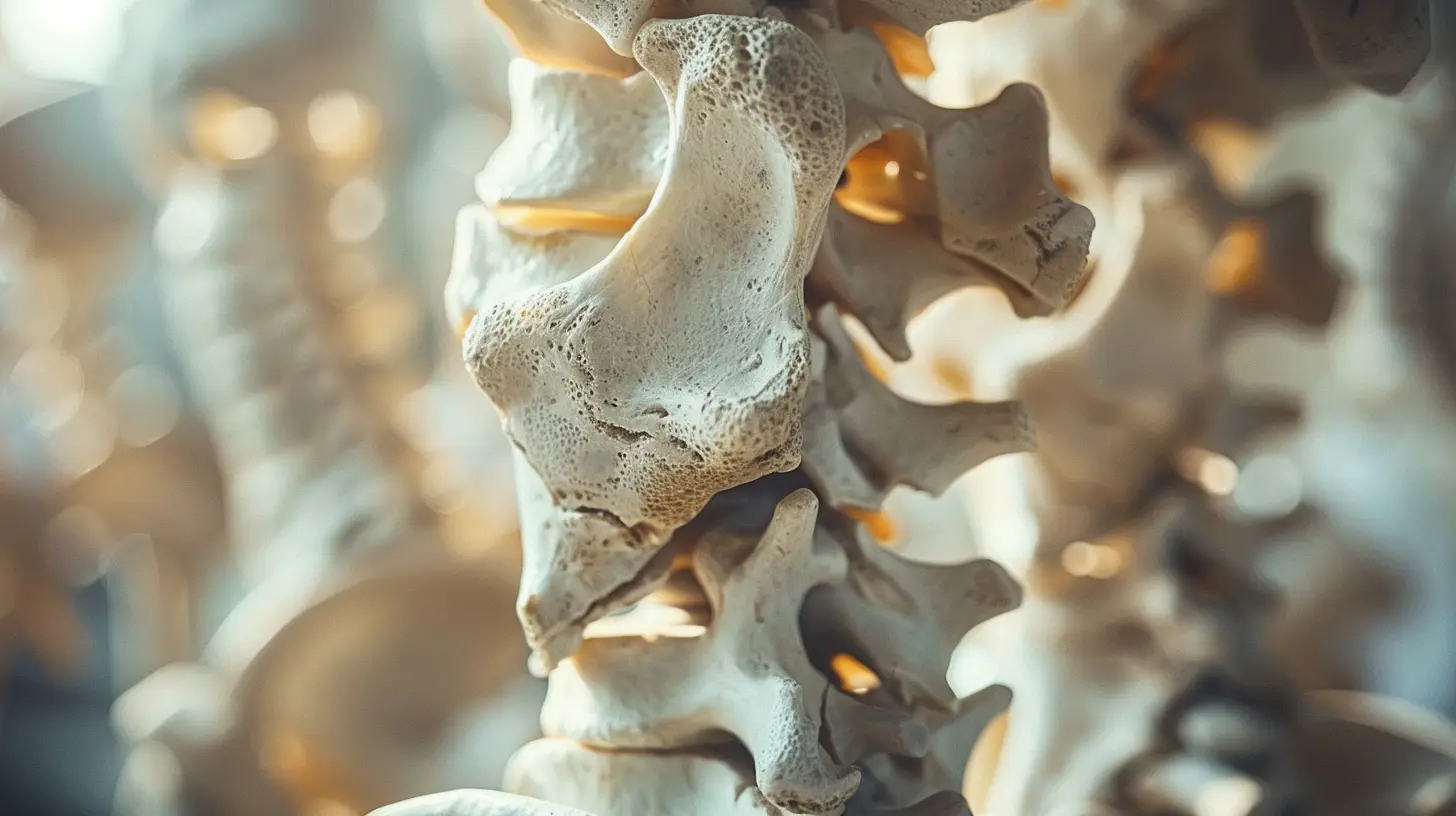
Factors That Increase Your Risk
Before we jump into what to do about it, let’s understand what might put you at risk. Some are out of your control, but others? Totally fixable.Uncontrollable Risk Factors
- Age: The older you get, the higher the risk.- Gender: Women are more likely to develop osteoporosis, especially after menopause.
- Family History: Genes matter. If osteoporosis runs in your family, your chances go up.
- Body Frame Size: Small, thin people have less bone mass to lose.
Controllable Risk Factors
- Diet: Not getting enough calcium or vitamin D? Bad news for bones.- Physical Inactivity: Bones love movement. The less you move, the weaker they get.
- Smoking: Yep, smoking damages bone tissue.
- Alcohol: Heavy drinking messes with your bone-building hormones.
- Medications: Some drugs, especially steroids, can weaken bones over time.
Knowing your risk means knowing where to start. So let’s talk prevention!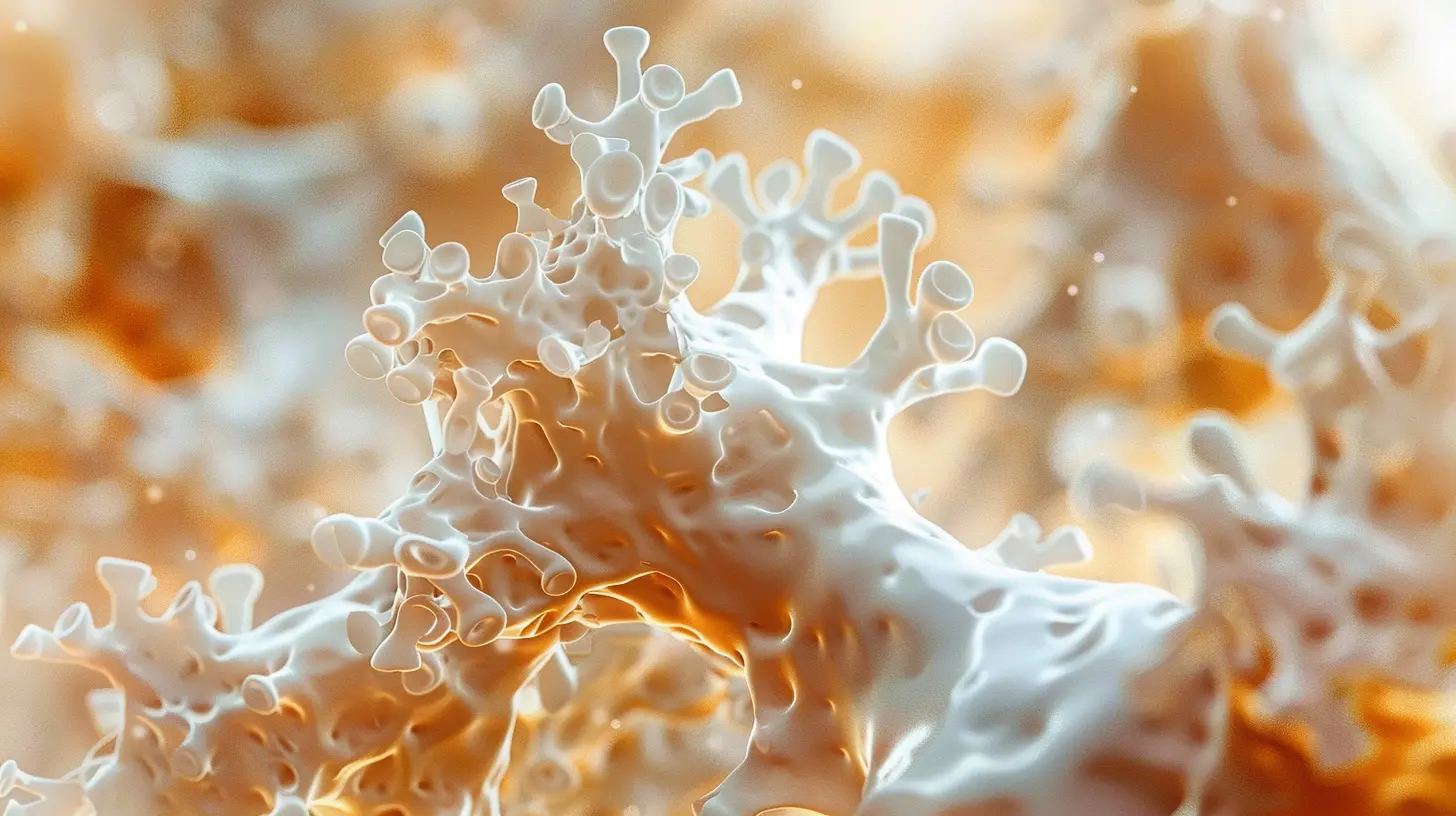
1. Prioritize Calcium and Vitamin D
Alright, let’s start with the basics. Calcium and vitamin D are like the Batman and Robin of bone health.Why Calcium?
Calcium is the main mineral in your bones. Think of it as the cement that keeps your bones strong. If your body doesn’t get enough, it’ll steal calcium from your bones. Not cool.How Much Do You Need?
- Adults 19–50: 1,000 mg/day- Women 51+ & Men 70+: 1,200 mg/day
Best Sources of Calcium
- Dairy (milk, yogurt, cheese)- Leafy greens (kale, bok choy, broccoli)
- Almonds
- Fortified foods (cereals, orange juice)
Don’t Forget Vitamin D
Vitamin D helps your body absorb calcium. Without it, calcium’s pretty much useless. Your skin makes vitamin D from sunlight, but depending on where you live and how much time you spend inside, supplements might be necessary.Daily recommendation? About 600–800 IU for most adults.
2. Get Moving—Weight-Bearing Is Key
No, you don’t need to run a marathon or lift like a bodybuilder. But your bones need resistance to stay strong.Best Exercises for Bones
- Walking/Hiking- Dancing
- Jumping Rope
- Strength Training (Yes, even light weights!)
- Yoga or Pilates for balance and flexibility
Aim for at least 30 minutes a day, most days of the week. It’s not just good for your bones—it boosts your mood, helps with balance, and keeps your muscles strong, too.
3. Ditch the Bone-Busters
Some habits are straight-up bone bullies. Kick these to the curb if you want strong bones for life.Smoking
Smoking interferes with the body’s ability to use calcium. Plus, it messes with hormones that protect your bones.Excessive Alcohol
A glass of wine occasionally? No problem. But heavy drinking—more than 2 drinks a day for men and 1 for women—can harm your bones and increase your fall risk.High-Sodium Diet
Too much salt causes calcium to leave the body in your urine. Fast food junkie? It might be time to cut back.4. Know Your Meds
Some medications can mess with your bones over time. These include:- Corticosteroids (like prednisone)
- Certain anticonvulsants
- Proton pump inhibitors (PPIs) for heartburn
If you’re on long-term meds, talk to your doctor about the risks and whether you need a bone density test sooner.
5. Bone Density Tests: Not Just for the Elderly
You don’t have to wait until your bones crack to get tested. A bone mineral density (BMD) test measures your bone strength and can catch early osteopenia (bone loss that isn’t yet osteoporosis).Who Should Get Tested?
- Women 65+ and men 70+- Postmenopausal women under 65 with risk factors
- Anyone with a history of fractures from minor falls
- People on long-term steroid therapy
It’s a simple, painless test—think of it like an X-ray for your bones. Catching issues early means you can take action before things go downhill.
6. Supplement Wisely (But Don’t Overdo It)
Supplements can help, but they’re not magic pills. Food should be your #1 source of nutrients, but if you’re falling short, supplements can fill the gap.Be careful, though—too much calcium (especially from supplements) can lead to kidney stones or heart issues. Stick to recommended doses and talk to a healthcare provider first.
7. Fall-Proof Your Life
Often, it’s not the osteoporosis itself that causes problems—it’s the falls. Strong bones don’t mean much if you’re tripping over shoelaces or slipping in the shower.Fall Prevention Tips
- Remove throw rugs and clutter- Install grab bars in bathrooms
- Keep stairways well-lit
- Wear shoes with good grip
- Get your eyes checked regularly
Strength and balance exercises like Tai Chi or simple leg lifts can also help keep you steady.
8. Start Young (But It’s Never Too Late)
Bone mass peaks in your late 20s to early 30s. That means the earlier you build strong bones, the better your reserve for later years.But here’s the hopeful part: even if you’re older, lifestyle changes and medical care can still slow or even stop bone loss. So don’t throw in the towel—there’s always something you can do.
9. Hormones Matter—Especially for Women
Estrogen plays a big role in keeping women’s bones strong. After menopause, estrogen drops off, and the risk of rapid bone loss shoots up.Some women may benefit from hormone replacement therapy (HRT) after menopause, but it’s not for everyone due to potential risks. Have an open conversation with your doctor about what’s right for you.
Final Thoughts: Be Kind to Your Bones
Your bones aren't asking for much—just a little movement, some good nutrition, maybe a check-up now and then. Think of them like your favorite pair of jeans. You want them to last, to stay sturdy, and to keep up with whatever life throws your way.Osteoporosis might be silent, but prevention is loud and clear. Start now, and your future self will thank you—especially when you’re still dancing at weddings at 85.
all images in this post were generated using AI tools
Category:
Bone HealthAuthor:

Holly Ellison
Discussion
rate this article
2 comments
Zephyrine McDaniel
Take charge of your bone health today! Small lifestyle changes, like regular exercise and balanced nutrition, can make a big difference. Let's build strong bones and a vibrant future together!
March 26, 2026 at 4:29 AM
Holly Ellison
Absolutely! Small changes can lead to big improvements in bone health. Let's prioritize our bones for a healthier future.
Opal Warren
Preventing osteoporosis starts with early awareness and lifestyle choices. Prioritize calcium and vitamin D intake, engage in weight-bearing exercises, and avoid smoking. Small, consistent actions today can significantly enhance bone health and reduce fracture risk in the future.
March 7, 2026 at 5:20 AM
Holly Ellison
Thank you for highlighting these essential strategies! Early awareness and healthy habits truly make a difference in osteoporosis prevention.