Mastering the Mind-Muscle Connection in Weight Training
18 June 2026
If you've ever watched someone crush a workout and thought, “How do they make each rep look so intentional and focused?” — chances are, they've nailed what’s called the mind-muscle connection. It's more than just lifting weights; it’s about feeling the muscle work, rep by rep, set by set.
This concept might sound a little out there at first — like some kind of gym guru voodoo — but trust me, it's based on science and when you do it right, your workouts will never feel the same again. So whether you're just stepping into the gym or you're a seasoned lifter looking to level up, mastering the mind-muscle connection can be a total game-changer.
Let’s break it down and see how you can truly connect your brain with your biceps... or glutes, or lats — you get the point.
What Exactly Is the Mind-Muscle Connection?
At its core, the mind-muscle connection (MMC) is the ability to focus your mind on the specific muscle you're targeting during an exercise. It’s a form of internal focus. You're not just moving weight from point A to point B — you’re mentally engaged with the muscle doing the work.Think of it like this: Imagine you’re watering a garden with a hose. The water is the signal from your brain. If the hose is tight and aimed, the plant (your muscle) gets exactly what it needs. But if it’s flailing around? Not much happens. That’s the difference between lifting with focus and just going through the motions.
Why Does the Mind-Muscle Connection Matter?
Sure, you can build muscle without thinking too deeply about it. Move heavy stuff, and your body adapts, right? But here’s the thing — tapping into your MMC skyrockets efficiency. You're making every rep count.When you’re locked in mentally:
- You activate more muscle fibers.
- You reduce the risk of injury by improving form.
- You build a stronger neuromuscular pathway (your brain talks to your muscles better).
- You can actually get more out of lighter weights (which is super helpful when you’re recovering or avoiding heavy loads).
And let’s be real — it makes your workout way more satisfying. When you feel your muscles burning and working, it's like your body’s saying, "Yup, we're doing it right."
The Science Behind It (Quick and Simple)
Let’s nerd out for a sec — but just a little.Your brain sends electrical signals to your muscles through motor neurons. The more intentional those signals are, the more specific the muscle activation. Studies have shown that people who focus on contracting specific muscles can increase activation by up to 22%.
That means, with pure mental focus, you’re literally switching on more muscle without lifting heavier. Pretty wild, right?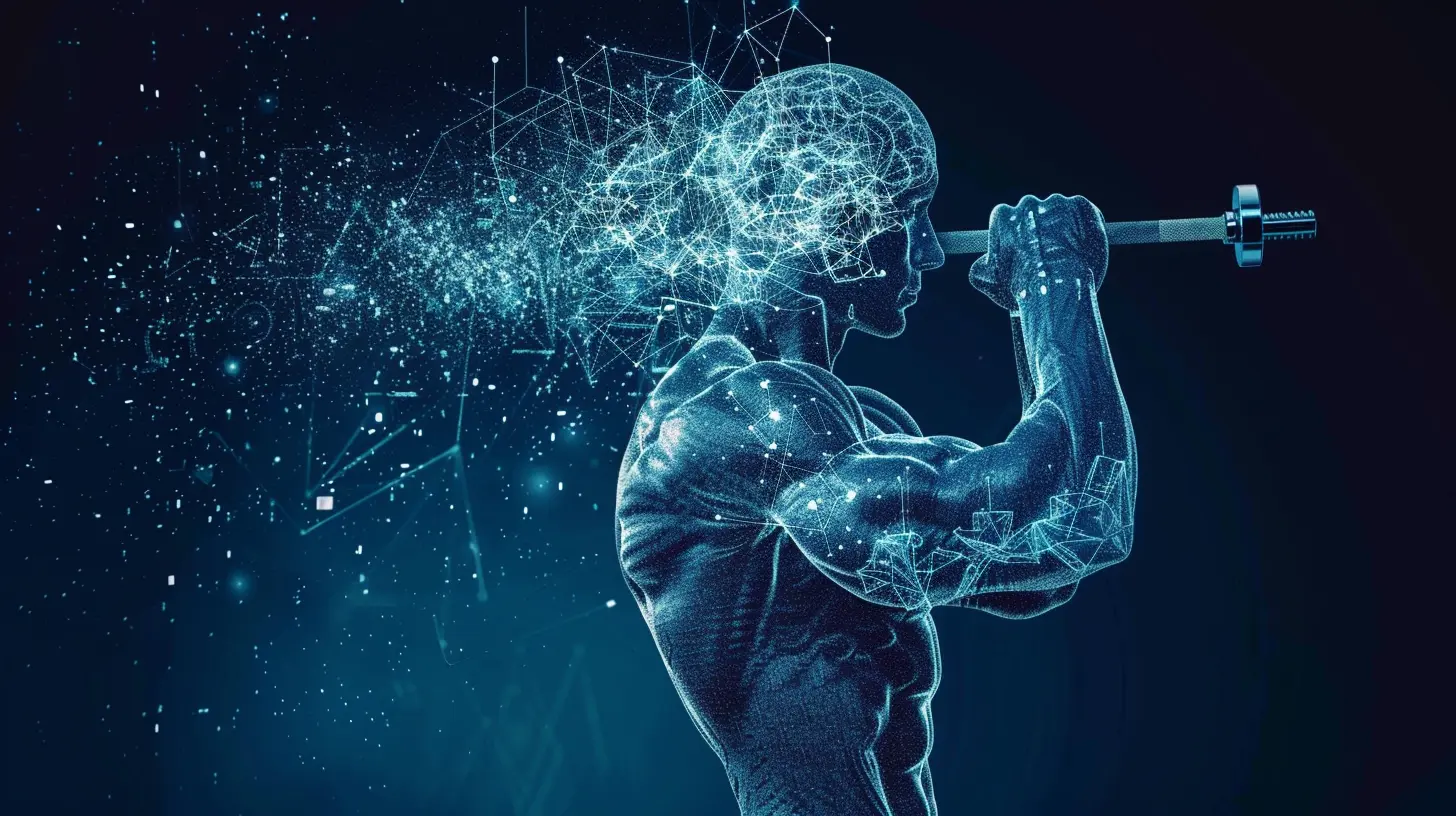
Common Mistakes That Kill Your Mind-Muscle Connection
Before we dive into how to build it, let’s look at what holds most lifters back:1. Lifting Too Heavy
When the weight is too much, your body recruits every muscle it can — not just the target one. Good luck trying to feel your lats in a pull-down if you’re swinging your whole torso to move the weight.2. Rushing the Reps
Slow and controlled isn't just for yoga. Quick, jerky movements don't allow your brain time to actually register the contraction. It's more of a bounce than a flex.3. Poor Form
If your form's off, your body compensates by using the wrong muscles. That’s like asking your neighbor to do your push-ups — your chest isn't doing the work, and it won't grow.4. Zoning Out
You know the type — headphones in, staring into space, just moving through the sets. Unless you're present, your brain isn’t giving those muscles the signal.How to Master the Mind-Muscle Connection (Step-by-Step)
Now for the good stuff. Here’s how you can build that brain-to-muscle bond and start training like a pro.1. Start With Lighter Weights
Drop the ego at the door. Lighter weights allow for better control, better form, and better connection. You’ll feel the muscle more and rely less on momentum.2. Slow Down Your Reps
Tempo is king for MMC. Try a 3-second eccentric (lowering phase), a 1-second pause, and a 1-second concentric (lifting phase). You’ll be shocked at how much more you feel it.Pro tip: Count out loud if it helps. Sounds weird, totally works.
3. Visualize the Muscle Working
No, you don't need to close your eyes mid-deadlift (please don’t). But try to see the muscle contracting in your mind while you move. Picture it shortening and stretching.4. Use Touch and Tension
Lightly tap or place a hand on the muscle you’re training. That tactile feedback boosts awareness. Flex between sets, too. It sounds like bodybuilding fluff, but it increases your neuromuscular link.5. Pre-Exhaust the Muscle
Do isolation work before hitting compound lifts. For example, do some leg extensions before squats to fire up your quads — you'll feel them way more during the squat.6. Eliminate Distractions
Remove anything that pulls your focus away from what you’re doing. Stay off your phone, keep conversation minimal, and be intentional with your rest time. This is your time.Exercise-Specific Mind-Muscle Focus Tips
Let’s get more hands-on. Here's how to dial into the MMC in some common lifts:Biceps Curls
Focus on the squeeze at the top. Imagine your biceps shortening like you're trying to pinch something in the crease of your elbow.Chest Press
Think “bring your biceps together” during the press. That subtle internal cue shifts focus to your pecs instead of your shoulders or triceps hijacking the movement.Lat Pulldowns
Instead of pulling the bar down, think about driving your elbows into your back pockets. This cues your lats into action.Squats
Rather than just standing up, think "drive through your heels and flex your glutes at the top." You’re not just moving; you’re sculpting.The Long-Term Benefits of MMC Mastery
Building the mind-muscle connection doesn’t just change how you train — it can redefine how you progress.Better Muscle Symmetry
You’ll notice weaker or lagging areas catching up because you’re no longer letting stronger muscles overcompensate.Reduced Risk of Injury
MMC leads to better form and more control. That means fewer tweaked joints or pulled muscles.More Muscle With Less Wear
Using your brain more means you might get better results with less weight. That’s less stress on your joints long-term — and a win for longevity.Can You Improve the MMC Over Time?
Absolutely — and like anything worth having, it takes practice. Some muscles are naturally harder to connect with (hello, lats and glutes), but with consistent effort, you’ll get there.You didn’t learn to ride a bike in a day, right? Same thing here. Repetition, feedback, and tweaking your approach is the name of the game.
A Final Word: Make Every Rep Count
At the end of the day, weightlifting isn't just about brute force. It's about intention.Mastering the mind-muscle connection is like switching the lights on during your workout. You're no longer just lifting — you're training with purpose. And when that happens, progress becomes inevitable.
So next time you hit the gym, slow down, focus in, and make your muscles feel every single rep. That’s the sweet spot where gains live.
Now go flex that brainpower and crush your next session.
all images in this post were generated using AI tools
Category:
Weight TrainingAuthor:

Holly Ellison
Discussion
rate this article
1 comments
Candace Turner
Focus enhances results significantly.
June 19, 2026 at 3:31 AM
Holly Ellison
Absolutely! Focus is key. When you connect your mind to the muscle, the results can really improve.