Maintaining Strength Gains During Travel or Breaks
26 January 2026
Let’s be honest—taking a break from your routine for a vacation or work trip is awesome. But if you’ve been crushing it at the gym and building serious strength, the thought of losing those gains while you're away can be downright stressful. Don't worry—you’re not alone, and the good news? You can maintain your hard-earned strength even when life takes you away from the squat rack.
In this guide, we’ll dig deep into how to keep those muscles strong while you're traveling or taking a temporary break from heavy lifting. We're talking real-world advice, zero fluff. Ready? Let’s dive in.
Why It Feels So Hard to Stay on Track While Traveling
We've all been there. You’re in a hotel with a gym that consists of one rusty treadmill and a pair of dusty dumbbells. Or maybe you’re visiting family in a remote town with zero gym access. Suddenly, your powerlifting routine or your 5-day strength split seems impossible to stick to.When you’re away from your regular gym setup, two things typically happen:
1. Your schedule gets flipped upside-down.
2. Your environment doesn’t support your routine.
And when that happens, it can be easy to slip into the "I'll just take a week off" mindset.
But hold up. A break doesn’t have to mean you’re throwing away all your progress.
Do You Lose Strength During a Break?
Here’s the thing: your body doesn’t forget how to lift weights in a week or even two. Seriously.Muscle memory is real, and our bodies are a lot more forgiving than we think. Studies show that you won't start losing noticeable strength or muscle mass until about two to three weeks into a totally inactive break. That gives you a nice buffer.
So if you’re gone for just a week or ten days, and you move your body a few times during that window, you're golden.
That said, why not go the extra mile and keep yourself feeling strong while you’re away?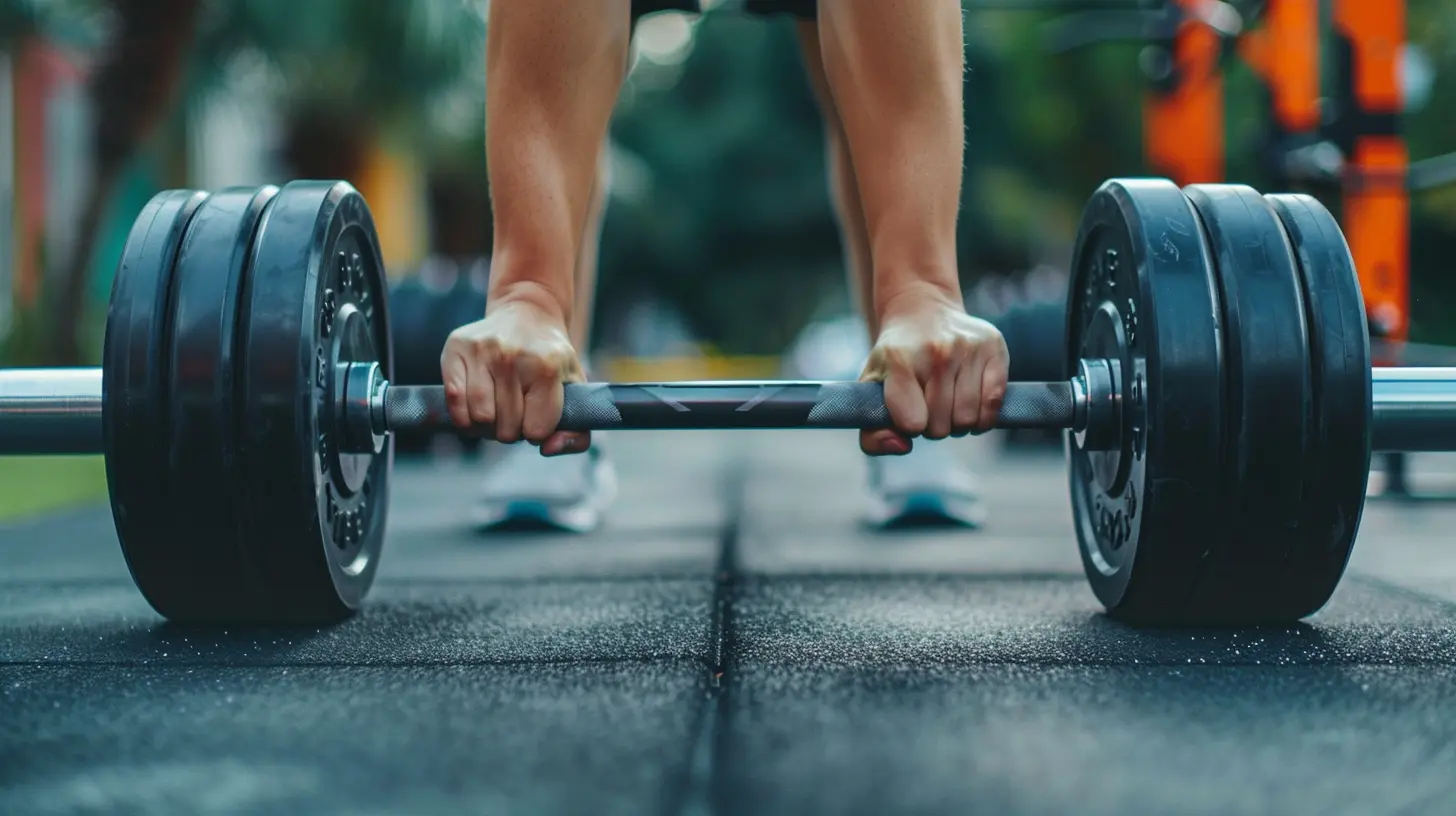
The 80/20 Rule of Strength Maintenance
Here’s one of the golden rules I live by while traveling: Do 20% of the effort to maintain 80% of your strength. That’s right. You don’t need to match your usual workout intensity or frequency to hold onto your gains.The goal is maintenance—not hitting new PRs.
You’ve already put in the work. It takes less effort to maintain than to build.

Let’s Talk Strategy
So now that we’ve covered the “why,” let’s get practical. How do you maintain strength on the road or during a break? Simple: with a combo of smart training hacks, mindful eating, and a little adaptability.1. Bodyweight Workouts: Your Secret Weapon
Don’t underestimate the power of gravity and your own body. You might not be throwing around barbells in your hotel room, but bodyweight training can go a long way in keeping your muscles firing.Here’s a simple full-body bodyweight routine you can do pretty much anywhere (no equipment needed):
- Push-Ups (Regular or Incline) – Chest, shoulders, triceps
- Bodyweight Squats – Quads, glutes
- Glute Bridges or Hip Thrusts – Glutes, hamstrings
- Plank or Side Plank – Core stability
- Lunges (Forward, Reverse, or Walking) – Legs, balance
- Superman Holds – Lower back
Do 3–4 rounds, rest as needed, and you're done in under 30 minutes.
Want more intensity? Superset the moves or use a backpack stuffed with books for added resistance.
2. Portable Equipment for the Win
If you’re serious about keeping up a routine, consider packing some lightweight gear:- Resistance bands – Perfect for rows, curls, presses
- TRX or suspension trainer – Hooks to a door or tree, works your whole body
- Jump rope – Epic for quick cardio bursts
- Mini loop bands – Ideal for glute work or warmups
These tools take up minimal space but open up a ton of training variety.
3. Focus on Compound Movements
When time or equipment is limited, go for compound movements—the ones that hit multiple muscle groups at once.Think squats, push-ups, lunges, planks, and burpees. These pack more bang for your buck and mimic the benefits of your regular strength training.
4. Keep Workouts Short and Effective
You don’t need an hour. Honestly, 20–30 minutes with the right intensity is more than enough.Here’s a quick example of a travel-friendly strength session:
15-Minute AMRAP (As Many Rounds As Possible)
- 10 push-ups
- 15 squats
- 10 reverse lunges (each leg)
- 30-second plank
Repeat as many rounds as you can in 15 minutes. Boom. Done.
5. Nutrition: Underrated but Crucial
Here’s a truth bomb: how you eat while traveling can impact your strength almost as much as working out.It’s tempting to go all out with fancy meals, snacks, and drinks—but if you’re aiming to maintain muscle, try these tips:
- Prioritize protein – Aim for at least 0.7g per pound of your body weight daily
- Stay hydrated – Flying and travel can dehydrate you fast
- Don’t skip meals – It’s easy to go hours without food while sightseeing
- Pack snacks – Protein bars, trail mix, jerky—lifesavers in a pinch
Protein is especially important. It acts like your muscle’s bodyguard while you’re moving less and lifting lighter.
6. Stay Active Daily (Even If It's Not a Workout)
Walking 10,000+ steps while exploring a new city? That counts.Taking the stairs instead of the elevator at your hotel? Win.
Moving your body regularly—even without weights or formal workouts—helps preserve muscle activity and keeps you from feeling stiff or sluggish.
7. Sleep Like a Champ
Travel messes with your sleep. Jet lag, time zones, hotel beds—it can all throw you off.But getting good rest is key to muscle recovery and hormonal balance.
Here’s how to boost your sleep quality, even on the road:
- Keep your room cool and dark
- Use a white noise app or earplugs
- Stick to a consistent sleep schedule when possible
- Avoid heavy late-night meals and alcohol
Sleep is where the real recovery happens. Don’t skimp on it.
8. Don’t Panic Over Missed Workouts
This one’s important: missing a few workouts is not the end of your strength journey.What matters more is consistency over time. One week off doesn’t erase six months of progress. So, if things don’t go as planned, go easy on yourself. You’re human.
Often, the mental stress about "losing gains" does more harm than the actual break.
9. Return Smart, Not Hard
When you get back from your trip or break, don’t dive right back in like nothing happened.Ease back into your routine. Start with lighter weights and shorter sessions. Give your joints, muscles, and nervous system a few days to adjust.
Within a week or two, you’ll be right back where you left off—possibly even stronger from the extra rest.
Final Thoughts
Travel and breaks are part of life. And guess what? They can even benefit your progress if you use them to rest and recharge.Maintaining your strength while you're away doesn’t have to be complicated. It just takes a bit of flexibility, some creativity, and a commitment to doing something instead of nothing.
So the next time you’re packing a suitcase, remember: your strength doesn’t stay at the gym. It travels with you.
Keep moving, eat smart, stay consistent—and those gains will wait patiently for your return.
all images in this post were generated using AI tools
Category:
Weight TrainingAuthor:

Holly Ellison
Discussion
rate this article
2 comments
Sophia Simon
Traveling? No excuse! Flex those muscles wherever you are. Use hotel furniture, pack resistance bands, and remember: strong is the new sexy—don’t let a vacation weaken you!
February 26, 2026 at 5:51 AM
Holly Ellison
Great point! Staying active while traveling is key. A little creativity can go a long way in keeping those gains.
Callisto Huffman
Great tips! Staying strong while traveling or taking breaks is so important. Thanks for sharing these practical strategies to help us!
January 29, 2026 at 5:12 AM
Holly Ellison
Thanks for your feedback! I'm glad you found the tips helpful. Safe travels!