Low-Effort Meals That Support Your Wellness Goals
5 October 2026
There is a stubborn myth in wellness circles that eating well requires hours in the kitchen. That if you are not spiralizing vegetables, simmering bone broth, or meal prepping twelve identical containers on Sunday, you are somehow falling short. This myth does real damage. It convinces busy people that nourishing food is out of reach, so they default to takeout or packaged snacks that leave them feeling worse.
The truth is more forgiving. Some of the most nutrient-dense meals on the planet take less than fifteen minutes to assemble. They require no special skills, no expensive equipment, and no elaborate planning. They work because they rely on a simple principle: combine a protein, a produce item, a smart carbohydrate, and a source of fat. That formula is flexible enough to survive any schedule and specific enough to keep you satisfied.
This article is not a list of recipes you will never use. It is a framework for thinking about low-effort eating in a way that actually supports your health goals, whether those goals involve weight management, stable energy, better digestion, or simply feeling less chaotic around food.
Why Low-Effort Does Not Mean Low-Quality
A common misconception is that convenience and nutrition exist on opposite ends of a spectrum. In reality, the correlation is weak. A bowl of Greek yogurt with frozen berries and walnuts takes ninety seconds to make and delivers protein, fiber, omega-3 fats, and antioxidants. A frozen burrito from a gas station takes the same amount of time and delivers mostly refined carbohydrates, sodium, and industrial oils.The difference is not effort. It is ingredient selection. Low-effort meals work when you choose components that are already nutritious in their natural state or minimally processed. Canned beans, frozen vegetables, pre-cooked grains, rotisserie chicken, eggs, and plain dairy are all convenience foods in the best sense. They have done the hard work for you without stripping away the things your body needs.
This matters because the biggest barrier to healthy eating is not knowledge. Most people know that vegetables are good for them. The barrier is decision fatigue and time scarcity. When you are hungry and tired, you will not cook a complicated meal. You will eat whatever is fastest. So the goal is to make the fastest option also the most nourishing one. That requires a small amount of upfront thought and a pantry that works in your favor.
The Core Formula for Effortless Meals
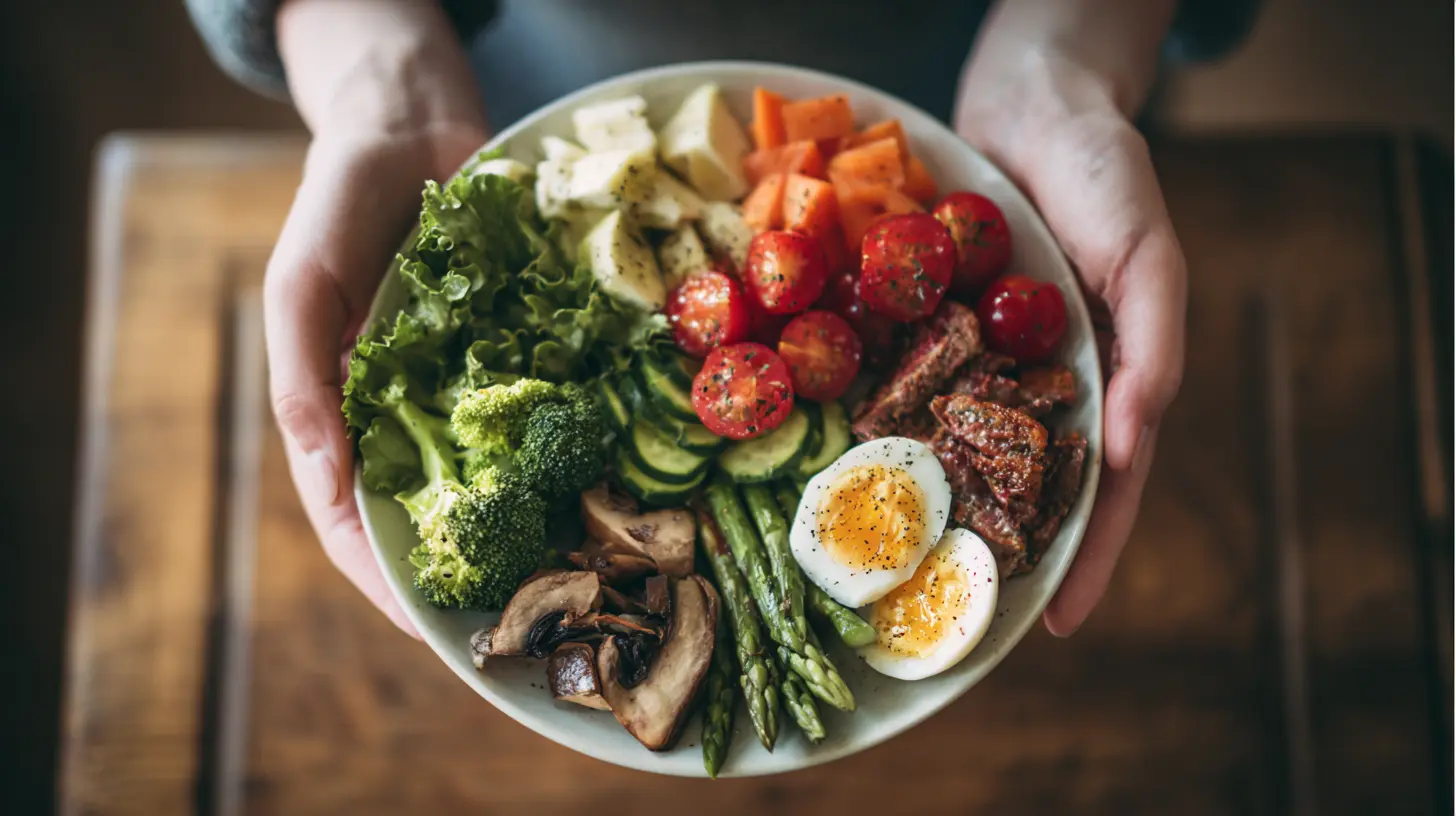
Every low-effort meal that genuinely supports wellness tends to follow the same structure. Think of it as a checklist rather than a recipe.First, a protein source. This is what keeps you full and stabilizes blood sugar. Options that require almost no preparation include canned tuna or salmon, rotisserie chicken, pre-cooked shrimp, eggs, Greek yogurt, cottage cheese, tofu, tempeh, and canned lentils or chickpeas.
Second, a produce item. This can be fresh, frozen, or canned. Frozen spinach, frozen mixed vegetables, bagged salad greens, cherry tomatoes, cucumbers, and pre-cut broccoli florets all work. Frozen produce is often just as nutritious as fresh because it is picked and frozen at peak ripeness. It also does not rot in your refrigerator, which matters more than most people admit.
Third, a smart carbohydrate. This provides energy and, ideally, fiber. Pre-cooked brown rice, quinoa, farro, whole grain tortillas, whole wheat pasta, sweet potatoes that you can microwave, and oats are all reasonable choices. You do not need to fear carbohydrates. You need to pair them with protein and fat so they digest slowly.
Fourth, a fat source. This adds flavor and helps you absorb fat-soluble vitamins. Olive oil, avocado, nuts, seeds, tahini, and full-fat dairy are all excellent. A drizzle of olive oil or a spoonful of tahini can transform a bland bowl into something you actually want to eat.
When you internalize this formula, you stop needing recipes. You can walk into any kitchen, look at what is available, and assemble a meal in minutes. That flexibility is what makes this approach sustainable.
Assembling Meals Without Cooking
Not every low-effort meal requires heat. Some of the best options are what I call assembly meals. You are not cooking. You are combining.Consider a Mediterranean-style plate. Open a can of chickpeas, drain and rinse them. Add a handful of cherry tomatoes, a few slices of cucumber, some olives, and a block of feta. Drizzle with olive oil and sprinkle with dried oregano. That is a complete meal with fiber, protein, healthy fat, and a surprising amount of flavor. It takes five minutes.
Or think about a yogurt bowl. Plain Greek yogurt, frozen berries that thaw in the bowl, a spoonful of almond butter, and a sprinkle of pumpkin seeds. This works for breakfast, lunch, or a late-night snack. It is rich in protein and probiotics, and the berries provide fiber and polyphenols.
Another option is a tuna or salmon salad made with canned fish, Greek yogurt instead of mayonnaise, Dijon mustard, and whatever crunchy vegetables you have on hand. Serve it on whole grain crackers or in a whole wheat pita. This is a complete meal that costs less than a fast-food combo and takes less time to make.
These assembly meals are not compromise meals. They are genuinely good. They work because they prioritize texture and contrast. Something creamy, something crunchy, something salty, something bright. When you understand that principle, you can improvise endlessly.
The Sheet Pan and One-Pot Shortcuts
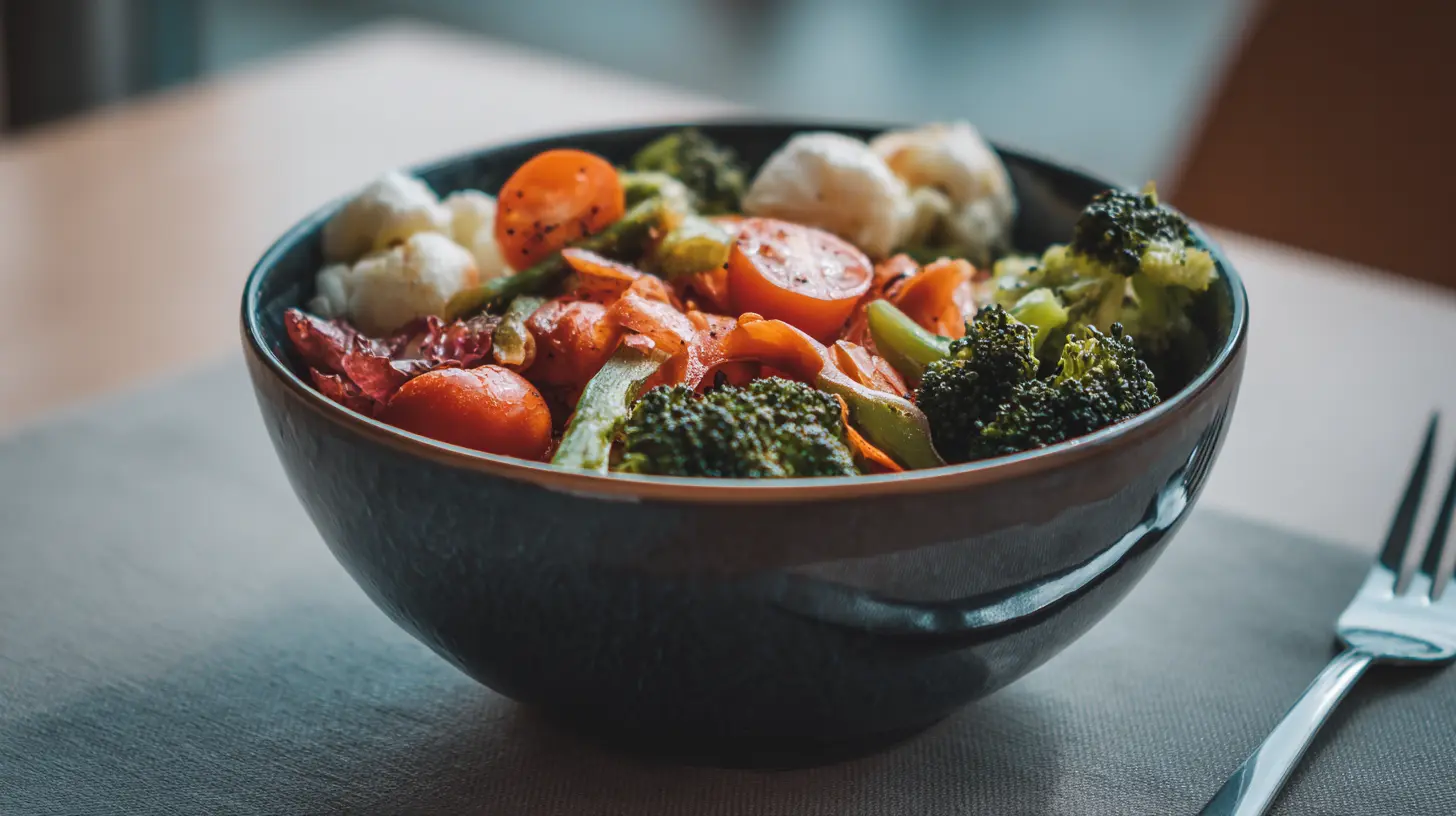
If you are willing to turn on the oven or a single burner, your options expand significantly without adding much effort. The key is to minimize active time and cleanup.A sheet pan meal is the classic example. You chop vegetables, toss them with oil and salt, add a protein, and roast everything at high heat. The oven does the work. You can use frozen vegetables directly from the bag, which eliminates chopping entirely. Salmon fillets, chicken thighs, sausage, and tofu all roast well alongside broccoli, bell peppers, red onion, and sweet potato cubes.
The trade-off is time. Sheet pan meals usually take thirty to forty minutes in the oven, though your active involvement is only about ten minutes. If you are someone who can start dinner and then do something else while it cooks, this is an excellent strategy. If you need food immediately, assembly meals are better.
One-pot meals follow a similar logic. A pot of lentil soup, a chickpea curry, or a batch of chili can be made with canned ingredients and frozen vegetables. You sauté an onion if you have the energy, dump everything else in, and let it simmer. The result is multiple servings that reheat well. This is one of the most cost-effective and nutritious ways to eat, and the effort per meal drops dramatically when you divide it across four or five portions.
Frozen and Canned Foods: Separating Fact From Fear
There is a persistent belief that frozen and canned foods are inferior to fresh. This is mostly false, with some important caveats.Frozen vegetables and fruits are typically blanched and frozen within hours of harvest. This locks in vitamins that would otherwise degrade during shipping and storage. In some cases, frozen produce is more nutritious than fresh produce that has been sitting in a truck for a week. The main drawback is texture. Frozen vegetables can become mushy when thawed, which makes them better suited for soups, stews, and stir-fries than for raw salads.
Canned beans and lentils are among the most useful convenience foods available. They are inexpensive, shelf-stable, and nutritionally comparable to cooked dried beans. The main concern is sodium. If you are watching your salt intake, look for low-sodium or no-salt-added versions, or rinse the beans thoroughly before using them. Rinsing removes a significant portion of the added sodium.
Canned fish, particularly sardines, salmon, and tuna, is another excellent option. Sardines in olive oil are rich in omega-3 fatty acids and calcium if you eat the bones. They are also one of the most sustainable fish choices. If you have never tried them, they are worth reconsidering. Mashed onto toast with lemon and pepper, they make a satisfying meal in under two minutes.
The caveat with canned and frozen foods is that not all of them are created equal. Canned soups and frozen dinners often contain high levels of sodium, added sugars, and refined oils. The strategy is to buy plain ingredients rather than pre-made meals. A can of chickpeas is a building block. A can of chickpea curry with rice is a processed meal that may or may not align with your goals. Read labels when you can, and prioritize items with short ingredient lists.
Batch Preparation Without the Sunday Ritual
The idea of spending Sunday preparing every meal for the week is appealing in theory and exhausting in practice. Most people abandon it after two weeks. A more realistic approach is what I call component prep.Instead of making full meals in advance, prepare individual components that can be combined in different ways. Cook a batch of grains. Hard-boil a dozen eggs. Wash and chop vegetables. Make a simple dressing or sauce. Roast a tray of chicken or tofu. None of these tasks takes long on its own, and together they give you a week of flexibility.
The advantage of component prep is variety. If you prep five identical lunches, you will be bored by Wednesday. If you prep grains, proteins, vegetables, and sauces separately, you can assemble a grain bowl on Monday, a wrap on Tuesday, a salad on Wednesday, and a stir-fry on Thursday. The effort is the same, but the outcome is far more enjoyable.
The trade-off is that component prep requires a bit more mental energy at mealtime. You have to decide what to combine. If decision fatigue is your biggest obstacle, full meal prep might actually work better for you. Know yourself and choose accordingly.
Common Mistakes That Undermine Low-Effort Eating
The first mistake is buying convenience foods that are not actually convenient. A bag of pre-cut vegetables that goes bad before you use it is not a shortcut. It is waste. Buy frozen vegetables instead if your schedule is unpredictable.The second mistake is neglecting flavor. Healthy food does not have to be bland, but low-effort food often is because people skip the seasoning. Salt, acid, fat, and heat are your friends. A squeeze of lemon, a drizzle of good olive oil, a sprinkle of chili flakes, or a spoonful of pesto can make the difference between a meal you tolerate and a meal you look forward to. Keep these flavor boosters on hand.
The third mistake is relying too heavily on one type of meal. If every low-effort meal you eat is a salad, you will eventually crave something warm and substantial. If every meal is a grain bowl, you will miss crunch and freshness. Rotate through different formats: bowls, wraps, soups, plates, and salads. Variety is not just about nutrients. It is about psychological satisfaction.
The fourth mistake is ignoring protein. Many low-effort meals, especially vegetarian ones, end up being mostly carbohydrates. Pasta with marinara sauce is low-effort, but it will not keep you full for long. Adding a can of white beans, some frozen spinach, and a sprinkle of Parmesan turns it into a balanced meal with minimal extra effort.
The fifth mistake is believing you need to eat perfectly. Low-effort eating is a tool, not a moral obligation. Some days you will order takeout. Some days you will eat cereal for dinner. That is fine. The goal is to make the default option a good one, so that when you do deviate, it is a choice rather than a collapse.
Practical Examples for Different Goals
If your goal is weight management, focus on high-volume, high-protein meals. A large salad with grilled chicken, chickpeas, and a light vinaigrette is filling and relatively low in calories. A bowl of Greek yogurt with berries and a small handful of nuts works well for breakfast. The key is to prioritize protein and fiber, which increase satiety, and to be mindful of liquid calories and cooking oils, which add up quickly.If your goal is stable energy, prioritize meals with a low glycemic load. Combine carbohydrates with protein and fat to slow digestion. A whole grain tortilla with eggs, black beans, and avocado is a better choice than a bagel with cream cheese. The difference is not dramatic in the moment, but over the course of a day, it adds up.
If your goal is better digestion, prioritize fiber from a variety of sources and consider fermented foods. A bowl of oatmeal with flaxseed, banana, and kefir provides soluble fiber and probiotics. A miso soup with tofu and frozen vegetables is soothing and supports gut health. Introduce fiber gradually if you are not used to it, and drink plenty of water.
If your goal is athletic performance, prioritize protein and carbohydrates around training. A smoothie with protein powder, frozen fruit, spinach, and oats is a low-effort way to fuel recovery. A rice bowl with salmon and edamame is another excellent option. The timing matters more than the complexity.
Building a Pantry That Works for You
The single most effective thing you can do to make low-effort eating sustainable is to stock your kitchen with the right ingredients. This is not about buying everything at once. It is about gradually building a pantry that reflects how you actually eat.Start with proteins. Canned tuna, salmon, and sardines. Canned beans and lentils. Eggs. Greek yogurt or cottage cheese. Tofu or tempeh if you eat it. Nuts and seeds. These items last for months and require no planning.
Add grains and starches. Rolled oats. Whole grain pasta. Pre-cooked rice or quinoa pouches. Whole grain tortillas. Sweet potatoes. These are the backbone of many quick meals.
Add produce. Frozen vegetables and berries. Bagged salad greens. Cherry tomatoes. Cucumbers. Avocados. Onions and garlic. Whatever you will actually eat.
Add flavor. Olive oil. Vinegar. Soy sauce or tamari. Hot sauce. Tahini. Pesto. Lemon juice. Spices. These are what make simple food taste good.
Add optional extras. Cheese. Olives. Pickles. Roasted red peppers. Sun-dried tomatoes. These are not essential, but they add interest and make meals feel less utilitarian.
When your kitchen contains these categories, you can make a meal without a recipe, without a plan, and without a trip to the store. That is the real goal.
When Low-Effort Eating Is Not the Right Approach
Low-effort eating is a tool for busy seasons. It is not a permanent philosophy for everyone. If you genuinely enjoy cooking and find it relaxing, you do not need to minimize it. If you have specific medical conditions that require precise nutrient tracking, you may need more structure than this approach provides. If you are recovering from an eating disorder, the emphasis on efficiency and simplicity may not be appropriate.There is also a risk of using low-effort eating as a form of avoidance. If you never cook, never sit down to eat, and never engage with your food, you may miss out on the social and psychological benefits of meals. Cooking can be a form of self-care. Eating with others can be a source of connection. These things matter, and they are worth protecting even when you are busy.
The best approach is to treat low-effort eating as a baseline, not a ceiling. It is what you do on ordinary days so that you have energy and bandwidth for the days when you want to cook something more involved. It is a foundation, not a restriction.
Final Thoughts
Wellness goals are not achieved through heroic effort. They are achieved through small, consistent choices that accumulate over time. A meal that takes ten minutes to assemble but provides protein, fiber, and healthy fat is infinitely better than a meal that takes an hour to prepare and never gets made.The formula is simple. Protein, produce, smart carbohydrate, fat. The execution is flexible. Use frozen vegetables when you are short on time. Use canned beans when you have not planned ahead. Use pre-cooked grains when you cannot be bothered to boil water. None of these choices are failures. They are strategies.
What matters is that you eat in a way that supports your body and your life. If low-effort meals help you do that, they are not a compromise. They are a solution.
all images in this post were generated using AI tools
Category:
Simple Wellness TipsAuthor:

Holly Ellison