Is Your Low-Carb Diet Missing Fiber? Here's What to Do
18 February 2026
Going low-carb can be a game-changer for weight loss, blood sugar control, and overall health. But if you've cut out bread, pasta, and other high-carb foods, you might be missing something crucial—fiber!
Fiber is the unsung hero of digestion, heart health, and even weight management. Without enough of it, you could experience digestive issues, sluggishness, and even long-term health problems. So, is your low-carb diet lacking fiber? Let’s break it down and find out what you can do to fix it.
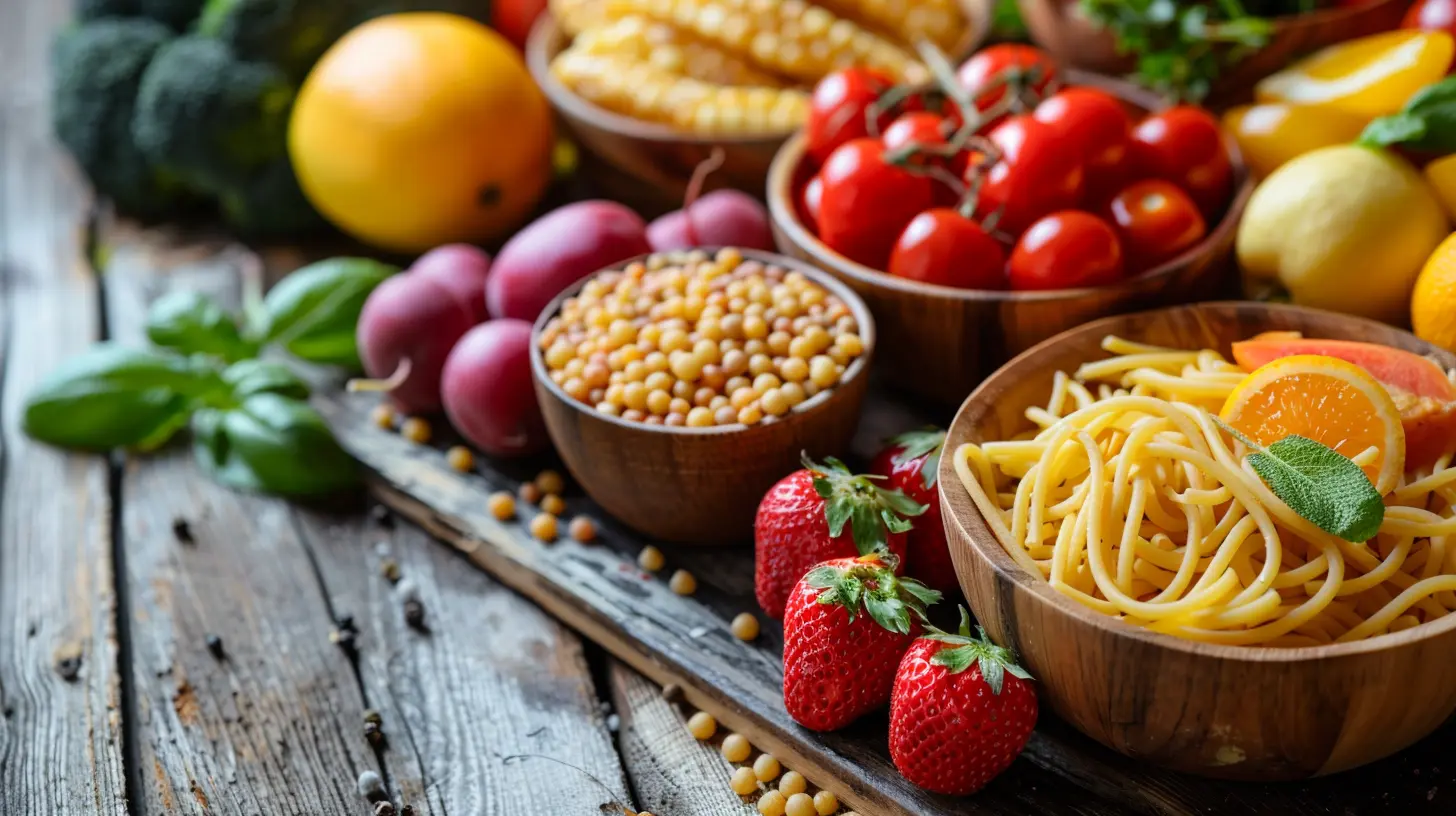
Why Does Fiber Matter So Much?
Before we dive into how low-carb diets affect fiber intake, let's first understand why fiber is so important.Fiber is a type of carbohydrate the body can't fully digest. Unlike other carbs that break down into sugar, fiber passes through your digestive system mostly intact, providing essential benefits:
- Supports Digestion – Helps prevent constipation and promotes healthy bowel movements.
- Balances Blood Sugar – Slows down sugar absorption, preventing blood sugar spikes.
- Promotes Heart Health – Lowers cholesterol and supports a healthy heart.
- Keeps You Full – Helps with weight management by promoting satiety.
The recommended daily intake of fiber is around 25 grams for women and 38 grams for men. Unfortunately, most people, especially those on low-carb diets, don’t come close to this.
Why Low-Carb Diets Often Lack Fiber
One of the biggest pitfalls of a low-carb or keto diet is that it often eliminates fiber-rich foods like whole grains, beans, and certain fruits. Here’s why this is a problem:1. Cutting Carbs Often Means Cutting Fiber
Many foods high in fiber—such as whole grains and legumes—also contain a hefty amount of carbs. When you reduce carbs, you might unknowingly slash your fiber intake, too.
2. Constipation Becomes a Common Struggle
Without enough fiber, your digestive system slows down. Many low-carb dieters complain about constipation, bloating, and irregular bowel movements.
3. Loss of Gut Health Benefits
Fiber acts as food for good gut bacteria. A fiber deficiency can negatively impact your gut microbiome, which plays a major role in immunity, digestion, and even mental health.
The good news? You can still follow a low-carb diet without sacrificing fiber—if you know what to eat.
High-Fiber, Low-Carb Foods You Should Be Eating
Just because you’re cutting carbs doesn’t mean you have to ditch fiber. Here are some top low-carb, fiber-rich foods you can incorporate into your diet:1. Avocados
- Fiber Content: 10g per cup- Avocados are not just delicious; they’re a fiber powerhouse. They’re also packed with healthy fats that keep you full and satisfied.
2. Chia Seeds
- Fiber Content: 10g per ounce- Tiny but mighty, chia seeds are a fiber superstar. They absorb liquid and expand in your stomach, helping with digestion and satiety.
3. Flaxseeds
- Fiber Content: 8g per two tablespoons- These little seeds are great for digestion and contain omega-3 fatty acids, which support brain and heart health.
4. Leafy Greens (Spinach, Kale, Swiss Chard)
- Fiber Content: Around 2–4g per cup- While they’re not the highest in fiber, leafy greens still contribute while providing loads of nutrients with minimal carbs.
5. Coconut (Unsweetened)
- Fiber Content: 7g per cup- Whether shredded or in flakes, coconut is a great way to add fiber to your low-carb diet.
6. Broccoli
- Fiber Content: 5g per cup- A cruciferous veggie that’s both low in carbs and high in fiber—plus it’s great for detoxifying the body.
7. Almonds & Other Nuts
- Fiber Content: Around 3–4g per ounce- Nuts add crunch, flavor, and fiber to your meals while providing a dose of healthy fats and protein.
8. Berries (Raspberries, Blackberries)
- Fiber Content: 8g per cup (raspberries)- Unlike many fruits that are too high in sugar for low-carb diets, berries have a great balance of fiber and antioxidants.
9. Eggplant & Zucchini
- Fiber Content: 2–3g per cup- These versatile veggies are excellent low-carb fiber options that can be used in a variety of dishes.
10. Mushrooms
- Fiber Content: 2g per cup- Great for adding texture and umami flavor while sneaking in extra fiber.
Easy Ways to Add More Fiber to Your Low-Carb Diet
Now that you know what to eat, here are some practical tips to increase your fiber intake without increasing carbs:1. Start Your Day with Chia or Flaxseeds
- Mix chia seeds into your yogurt or blend flaxseed into your smoothie for an easy fiber boost.2. Snack on Nuts or Seeds
- Keep almonds, walnuts, or sunflower seeds on hand for a fiber-rich snack.3. Use Low-Carb Veggies in Every Meal
- Swap high-carb sides for fiber-rich, low-carb veggies like broccoli, spinach, and zucchini.4. Make Fiber-Rich Smoothies
- Blend avocado, coconut, chia seeds, and spinach for a fiber-packed, low-carb smoothie.5. Choose Whole, Unprocessed Foods
- Eat real, whole foods instead of processed keto products, which are often low in fiber.6. Drink Plenty of Water
- Fiber needs water to work effectively. Staying hydrated prevents constipation and helps fiber move smoothly through your digestive tract.Signs You’re Not Getting Enough Fiber
How do you know if your low-carb diet is deficient in fiber? Watch out for these red flags:- Constipation or irregular bowel movements
- Bloating and digestive discomfort
- Unstable blood sugar levels
- Feeling hungry too soon after meals
- Unexplained sluggishness or lack of energy
If you notice any of these symptoms, it might be time to increase your fiber intake.
Final Thoughts
Going low-carb doesn’t mean you have to sacrifice fiber. By making a few smart food choices, you can enjoy all the benefits of a low-carb diet without constipation, blood sugar swings, or digestive issues.The key is choosing fiber-rich, low-carb foods like avocados, nuts, seeds, and leafy greens. When you nourish your body with both fiber and healthy fats, you’ll feel fuller, more energized, and keep your gut happy.
So, if your low-carb diet is missing fiber, now you know exactly what to do!
all images in this post were generated using AI tools
Category:
Fiber Rich DietAuthor:

Holly Ellison
Discussion
rate this article
2 comments
Henry McIntosh
Great insights! Increasing fiber in low-carb diets is essential for overall health.
March 16, 2026 at 4:33 AM
Holly Ellison
Thank you! I completely agree—fiber is crucial for a balanced low-carb diet and overall well-being.
Natalie Torres
“Great insights! Fiber is essential.”
February 20, 2026 at 5:36 AM
Holly Ellison
Thank you! Yes, fiber is crucial for a balanced diet, even on low-carb plans.