Is Form More Important Than Weight? Proper Techniques for Lifting
16 August 2026
Let’s face it—walking into a gym for the first (or fiftieth) time can feel a bit overwhelming. Rows of machines, racks of weights, and people lifting jaw-dropping amounts of iron like it's nothing. Whether you're just starting your fitness journey or trying to level up, you’ve probably heard this common debate: _“Is form more important than weight?”_
It's a valid question. After all, isn’t the goal to get stronger and lift heavier? Sure, but stuffing more plates on a barbell doesn't mean much if your form looks like a wobbly Jenga tower ready to crumble. Today, we're diving deep into this topic—and by the end, you’ll know exactly where to place your focus when lifting.
The Basics of Form vs. Weight
What Is "Form" Anyway?
Form—simply put—is the correct way to perform an exercise. That means your posture, alignment, movement pattern, and even your breathing all need to be spot-on. Good form makes sure you're working the target muscles effectively while minimizing the risk of injury.Think of it like building a house. You wouldn’t want to throw up walls without laying a solid foundation, right? The same goes for lifting weights. Without proper form, everything else crumbles—literally and figuratively.
And What About "Weight"?
Weight refers to the amount of resistance you’re lifting. Whether it’s a dumbbell, barbell, or resistance band, the goal is to challenge your muscles. But there’s a catch: more weight does not always equal better results.Lifting heavy can build muscle and strength—but only if your body is aligned to handle it. Load up too quickly, and you’re setting yourself up for burnout, injury, and frustration.
Why Form Should Be Your First Priority
Injury Prevention: The No.1 Reason
Here’s the cold, hard truth: bad form is a VIP pass to Pain Town.Ever felt a weird twinge in your lower back after a deadlift? Or sharp shoulder pain during a bench press? That’s your body waving a big red flag, screaming, “Something’s not right!”
Lifting with poor form can lead to strains, sprains, herniated discs, and chronic joint problems. The heavier the weight, the higher the risk. That’s why proper technique isn’t just optional—it’s essential.
Let’s say you’re doing a squat. If your knees cave in, spine rounds, and heels lift off the ground, you’re not squatting—you’re begging for trouble. But with proper form? That squat becomes a powerhouse move that strengthens every muscle from your glutes to your core.
Muscle Activation: Form Targets the Right Muscles
Ever do 10 reps but feel like nothing happened? It’s probably your form.Proper technique ensures the correct muscles are doing the heavy lifting. For example, if you're doing bicep curls and swinging the weights using your back and shoulders, are you really training your biceps? Spoiler: not really.
Good form isolates the specific muscle group. It ensures you’re not “cheating” your way through reps using momentum or the wrong body parts.
It's like using a GPS to get to your destination rather than guessing your way there. Sure, you _might_ make it eventually, but why risk getting lost?
Long-Term Gains (Without the Pain)
Consistency is key in fitness. And you know what keeps you consistent? Staying pain-free and injury-free.Lifters who prioritize technique tend to see better long-term results. Why? Because they avoid setbacks. While someone lifting max loads with poor form might see quick strengths gains, they’re also more likely to hit a wall—or worse, an orthopedic surgeon.
Proper form isn’t just safe—it’s strategic. It helps you build a solid foundation, so when it’s time to lift heavy, your body’s more than ready.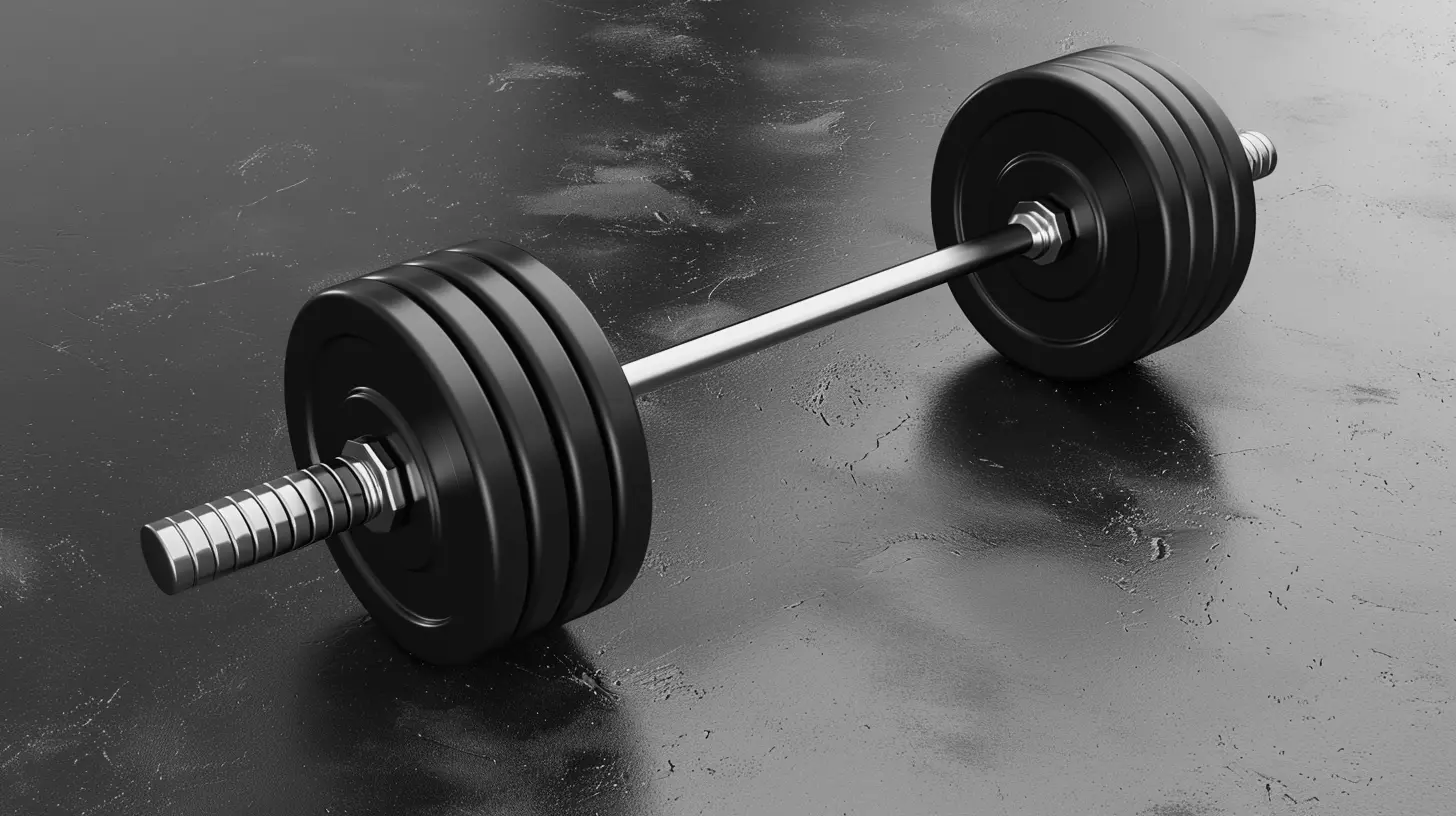
Signs Your Form Might Be Off
Not sure if your form needs a tune-up? Here are some common red flags:- You're feeling pain instead of a muscle “burn”
Sharp or joint-related pain = something’s wrong.
- You're not seeing progress
Poor form means limited muscle engagement, and that slows down results.
- You rely on momentum to finish reps
Swinging weights or jerking your body doesn’t count as proper lifting.
- Other muscles are doing the work
If your back is compensating during leg exercises, your form is off.
Sound familiar? Don’t stress—we’ve all been there. A few tweaks can make a big difference.
When Weight Matters
Now, we’re not saying weight doesn’t matter at all—it absolutely does. Once you’ve nailed form, progressive overload (i.e., gradually increasing weight) is vital for growth.But notice the order here: form _then_ weight.
The Role of Progressive Overload
Imagine you’ve been doing bodyweight squats for a few weeks. Your form is on point, and it feels too easy now. That’s your cue to level up. Maybe add a dumbbell or barbell and slowly increase as your strength improves.The key is gradual progression. Think slow and steady—like climbing a ladder instead of trying to pole vault onto the roof.
The Risk of Ego Lifting
Ego lifting is when you lift heavy just to impress others—or yourself—even if your form suffers. Let’s be honest, we’ve all been guilty of it. But it’s also a fast track to injury.Ask yourself: Do you want to look strong now or actually BE strong long-term?
How to Master Proper Lifting Technique
Start Light and Build Up
Don’t worry about looking weak—it’s not a race. Start with lighter weights to really dial in your form. Use mirrors (or better yet, record yourself) to check alignment. Over time, your muscles will adapt, and the weight will come naturally.Focus on Control and Tempo
Smooth, controlled movements are the name of the game. Try slowing down your reps—2 seconds on the way up, 3 seconds down. You’ll feel the difference immediately.Fast reps often mean you’re cheating with momentum. Slow, deliberate reps = muscle activation and better results.
Use Cues and Visualizations
Sometimes we need mental tricks to guide movement. Here are a few examples:- Squats: “Sit back like you’re lowering into a chair.”
- Deadlifts: “Push the floor away instead of pulling the bar up.”
- Pushups: “Lead with your chest, not your nose.”
These cues help keep your mechanics in check without overthinking every muscle movement.
Don’t Skip The Warm-Up
Warming up preps your muscles and joints for what’s coming. Think of it as “priming” your body for movement. It improves flexibility, reduces injury risk, and even boosts performance.Include mobility drills, dynamic stretches, and lighter sets before going full throttle.
Get a Coach or Trainer (If You Can)
Investing in a few sessions with a certified trainer can be a game-changer. They’ll help correct your form, show you modifications, and personalize your technique. Think of them as your GPS—getting you to your goals quicker and safer.Real-Life Examples: Form vs. Weight in Action
Let’s connect the dots with some comparisons.Example 1: The Squat Showdown
- Lifter A: Lifts 225 lbs with knees caving in, back rounding, and using a partial range of motion.- Lifter B: Lifts 135 lbs with perfect depth, spine alignment, and controlled tempo.
Who’s winning? Lifter B, hands down. They’re working their quads, glutes, and hamstrings more effectively while reducing wear and tear on their joints.
Example 2: The Bench Press Battle
- Lifter A: Arching the back excessively, bouncing the bar off their chest to push 200 lbs.- Lifter B: Presses 120 lbs with full control, consistent elbow angle, and steady breathing.
Again, B is getting a better workout, safer movement, and more chest engagement.
Wrap-Up: So, Is Form More Important Than Weight?
Absolutely. Form is the foundation. Without it, you’re not just wasting time—you’re risking injury and hampering progress.But once your form is spot-on, increasing weight becomes your next best friend. It’s all about balance—think of it like learning to dance. You need to learn the steps before you can really groove to the music.
So next time you're tempted to pile more plates on the bar, ask yourself: “Am I moving well, or just moving heavy?” Master technique first—and the gains will follow naturally.
Quick Tips for Better Lifting:
- Mirror-check your form or record your lifts- Warm up properly—don’t skip it!
- Focus on quality over quantity
- Move with intention; avoid rushing reps
- Listen to your body—not your ego
all images in this post were generated using AI tools
Category:
Weight TrainingAuthor:

Holly Ellison
Discussion
rate this article
1 comments
Corin Montgomery
This article presents a crucial perspective on lifting techniques. Focusing on form not only prevents injuries but also optimizes workout results. It's a reminder that achieving fitness goals isn't just about the numbers on the scale but how we approach our training. Thank you for sharing these insights!
August 18, 2026 at 2:51 AM
Holly Ellison
Thank you for your thoughtful comment. I'm glad you found the insights on form and technique valuable. It's essential to prioritize how we lift to truly progress in our fitness journeys.