How Weightlifting Benefits Mental Health
12 June 2026
Let’s be real here—when most people think of weightlifting, their minds immediately jump to bulging biceps, shredded abs, protein shakes, and grueling gym sessions. But what if I told you there's a whole other side to lifting that’s got nothing to do with aesthetics and everything to do with what happens in your head?
Yep, I’m talking about mental health.
Weightlifting isn’t just for bodybuilders or athletes. It’s for anyone looking to level up their mental game. Whether you’re battling anxiety, trying to beat the blues, or just want an extra boost of confidence, hitting the weights might be the therapy session you didn’t know you needed.
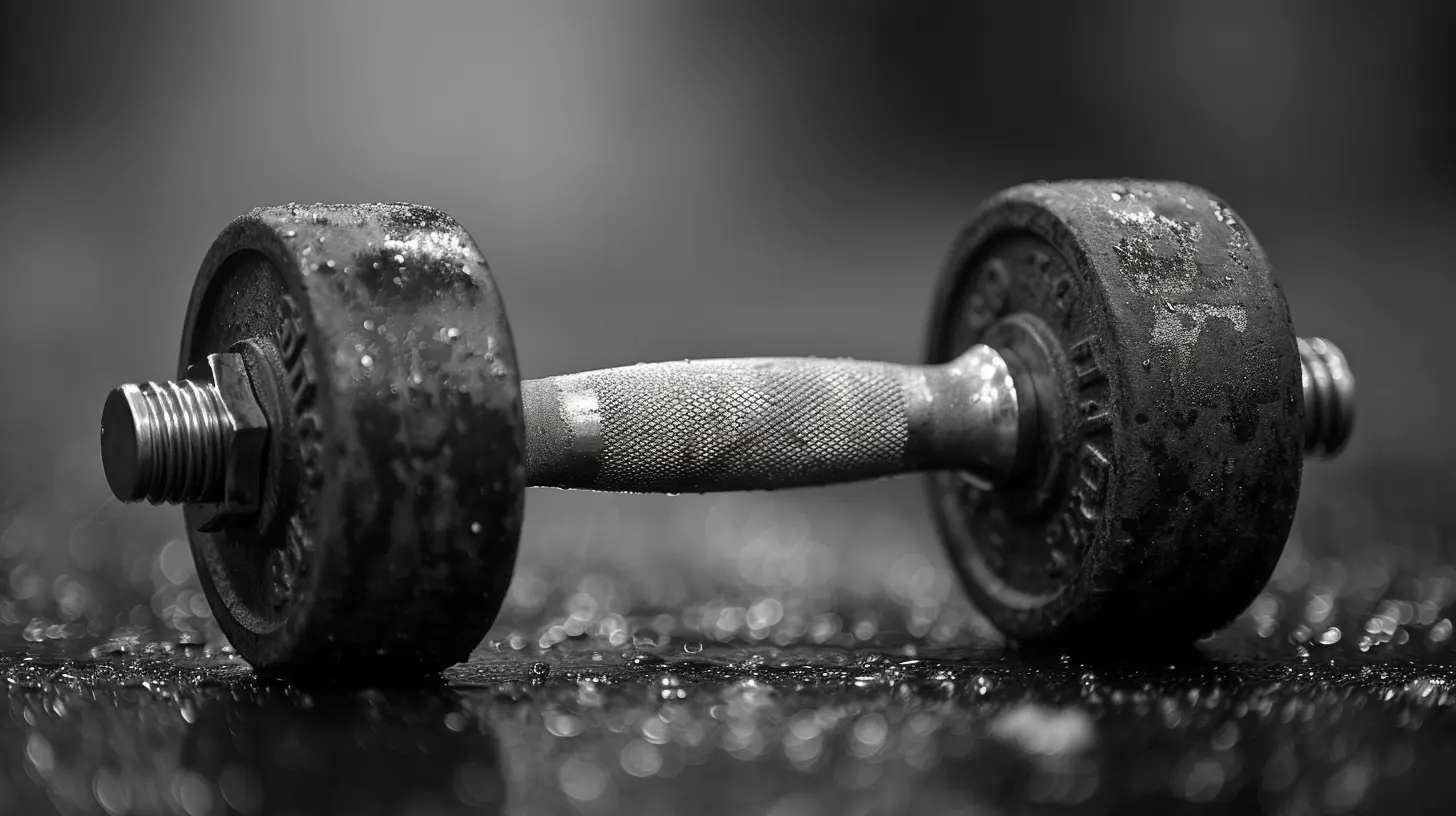
The Mind-Muscle Connection Is Real
Let’s kick things off with a fundamental truth: your mind and body are completely intertwined. What you do physically has a direct impact on how you feel mentally—and vice versa.When you lift weights, you're not just building muscle; you're training your brain. Every rep, every set, every drop of sweat is a signal to your brain that says, “Hey, I’m strong, I’m capable, and I’m in control.”

Say Goodbye to Stress (or Punch It in the Face)
Let’s face it—life is stressful. From deadlines to relationships to just existing in our 24/7 plugged-in world, stress is relentless. But here's the good news: weightlifting is one of the most effective stress-busters out there.When you lift weights, your body releases endorphins—those magical little brain chemicals that make you feel good. Think of endorphins like your body’s natural antidepressants. They kick in after a solid workout and can leave you feeling calmer and more centered.
And there’s more. Strength training also lowers cortisol, your body’s primary stress hormone. Too much cortisol for too long? That’s a recipe for anxiety, burnout, and mental fatigue. So basically, squats = sanity.
Confidence Levels? Through the Roof
Ever notice how strutting out of the gym after a killer workout makes you feel kind of invincible? That’s not an accident.Weightlifting breeds confidence. It’s empowering to lift heavy things and know that your body is capable of more than you thought. That translates directly to how you carry yourself in everyday life.
You start standing taller. Speaking up more. Setting boundaries. You start owning your space instead of shrinking into it.
You don’t even have to look like The Rock to feel like a badass. It’s the act, the discipline, the progress—that’s what fuels the inner fire.
Bye Bye, Anxiety
Let’s talk anxiety. That tight chest, racing mind, constant overthinking. It sucks. But here’s the deal: lifting weights might just be your new secret weapon.Studies have shown that resistance training can significantly reduce symptoms of anxiety. One reason? It helps regulate your nervous system. When you lift, your focus shifts from spiraling thoughts to controlled movements and breathing. It grounds you. Centering your mind on your form and your breath can feel like a moving meditation.
Plus, the structure of a lifting program—sets, reps, progress tracking—can bring order to anxious chaos. There’s comfort in routine.
Lifting Fights Depression Like a Champ
Here’s the truth that doesn’t get talked about enough: depression is a monster. It zaps your energy, motivation, and joy. But lifting weights provides a light in that darkness.Resistance training stimulates the release of dopamine and serotonin, the brain's “happy chemicals.” These are legit mood lifters. Over time, consistent lifting can help regulate these neurotransmitters naturally, the same way some antidepressants work.
There’s also the self-worth factor. When you stick to your training, start lifting heavier, and see progress—no matter how small—it gives you a sense of achievement. And that matters. It tells your brain, “I can do hard things. I am not stuck.”
Sleep Like a Freakin’ Baby
Here’s a fun fact: weightlifting doesn’t just wear out your muscles—it gives your brain the signal to rest and recover. That means better, deeper, more restorative sleep.And let’s be honest, everything feels 10x worse when you’re not sleeping. Anxiety spikes, mood dips, and your body just doesn’t function right. Weight training can help reset your circadian rhythms and improve your sleep quality, making you feel more refreshed and mentally sharp.
One study even showed that resistance training helps reduce insomnia and improves sleep efficiency. Translation? Lift weights, then sleep like a rock.
Building Discipline Builds Mental Grit
Ever notice how it’s way easier to Netflix and chill than get up and work out? Yeah, we’ve all been there. But here’s what makes weightlifting unique—it teaches discipline like nothing else.Showing up, even when you don’t feel like it, builds grit. Pushing through that final set builds resilience. Sticking to a program builds commitment. And all those little moments compound to make you mentally tougher, not just in the gym—but in life.
Weightlifting becomes a metaphor. If you can move heavy things in the gym, you can handle heavy things outside the gym too.
Connection & Community = Mental Gold
Sure, lifting can be a solo sport—but it’s also got a killer community vibe. Gyms, lifting groups, fitness forums—these places breed connection.And connection is crucial for mental health. Being part of a community, having gym buddies, or even just exchanging nods with other lifters can make you feel seen and supported. Isolation fuels mental health issues, but connection? That’s healing.
It Gives You a Purpose (Yep, Seriously)
Let’s be real—some days, just getting out of bed is hard. Depression, anxiety, burnout—they all make life feel aimless. But when you start lifting, even casually, you create purpose.You’re working toward something. A new PR, the next program phase, mastering your form. Those goals might seem small, but they’re powerful. They give direction, meaning, and momentum.
And momentum is everything when you’re feeling stuck.
Lifting is Mindfulness in Motion
Mindfulness gets a lot of buzz, and rightly so. But if sitting still and meditating isn’t your jam, lifting can give you that same mental clarity—just while moving.When you’re locked in on your form, counting reps, controlling your breath, and pushing through the set—you’re present. Fully present. That’s mindfulness. And it’s one of the most effective mental health tools out there.
Your lifting session becomes your safe space. An unplugged zone. A mental detox.
Reframing Body Image—From Hate to Power
Let’s talk body image. For a lot of people, it’s a minefield of comparison and insecurity. But weightlifting changes that.Instead of focusing on what your body looks like, you start appreciating what it can do. You stop chasing skinny or shredded and start chasing strong, capable, and powerful.
That’s a game-changer for mental health. Pride replaces shame. Curiosity replaces criticism. You stop tearing yourself down and start building yourself up—literally and mentally.
The After-Glow Is Real
Ask any lifter—there’s something magical that happens after a good workout. That post-lift “glow” isn’t just physical; it’s mental. You feel centered, strong, grounded, and yes—happy.It’s not a myth. It’s biology. Those endorphins, the sense of accomplishment, the mental clarity—it’s a cocktail of pure feel-good.
And the best part? You can access it whenever you choose to show up for yourself.
So...Is Weightlifting a Mental Health Power Tool?
Hell yes.It’s not just about bulking up or hitting fitness goals—it’s about building a stronger mind in tandem with a stronger body. It’s about finding clarity in chaos, confidence in weakness, and power in vulnerability.
Weightlifting isn’t a quick fix. It’s not a magic pill. But it is a powerful tool in your mental health toolbox.
So whether you’re wrestling with anxiety, running from stress, or just trying to feel better—grab a barbell, start where you are, and lift your way to a healthier headspace.
Seriously, your brain will thank you.
Quick Tips to Start Your Mental-Health Lifting Journey
Let’s wrap with a few pro-tips if you’re ready to dive in:- Start small. No need to go beast mode out the gate. Simple bodyweight exercises count too.
- Be consistent. Aim for 2-4 sessions a week. Keep the habit, even when motivation fades.
- Track progress. Seeing your gains—physical or mental—keeps you going.
- Focus on form. It’s not just safer—it’s more satisfying.
- Celebrate wins. Every PR, every session, every small victory matters.
You don’t have to be an athlete. You just have to show up.
Because lifting isn’t about how much weight you can carry. It’s about proving to yourself you’re stronger than what’s weighing you down.
all images in this post were generated using AI tools
Category:
Weight TrainingAuthor:

Holly Ellison
Discussion
rate this article
1 comments
Reese Lewis
Lift weights, lift moods... simple!
June 15, 2026 at 4:12 AM
Holly Ellison
Absolutely! Lifting weights can truly boost your mood and overall mental well-being. It's all about that powerful connection between body and mind.