How to Use Protein for Optimal Muscle Gain
26 March 2026
Want to build muscle and get the most out of your workouts? You’ve probably heard a hundred times that protein is the holy grail of muscle gain—but what does that really mean? Is it just about chugging protein shakes post-gym, or is there more to the picture? (Spoiler alert: there is!)
This guide is your all-in-one roadmap on how to use protein the right way—to fuel muscle growth, recover faster, and get stronger. And no, it's not just for bodybuilders. Whether you're a gym newbie, a seasoned lifter, or someone just trying to tone up, this is for you.
Let’s break it down, step by step—no fluff, just science-backed, real-talk advice you can actually use.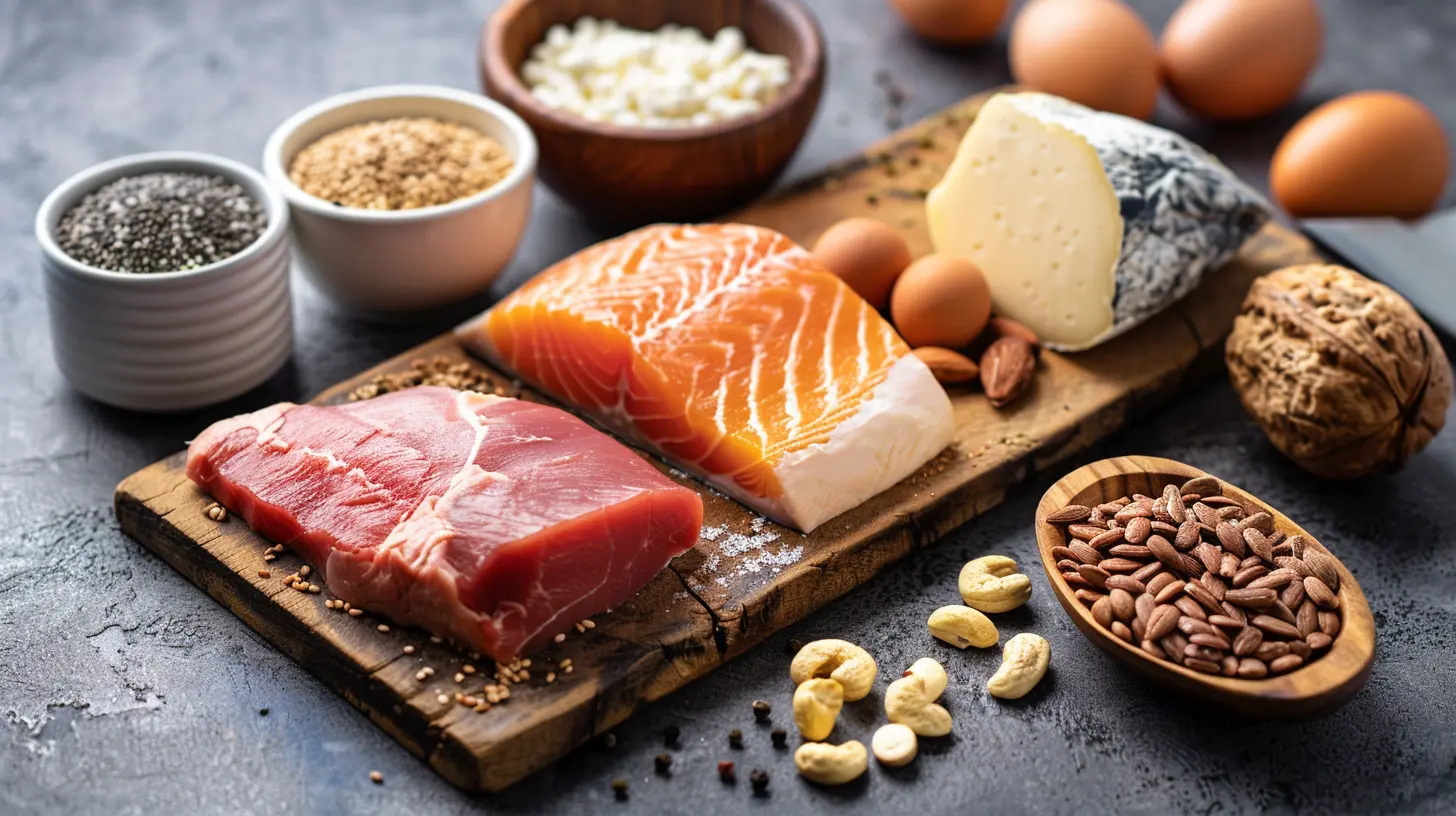
Why Protein Matters for Muscle Growth
So, what’s the big deal with protein?Think of protein as the building block of muscle. When you lift weights or do resistance training, you create tiny tears in your muscle fibers (sounds scary, but it’s a good thing!). Your body repairs those tears, and in the process, your muscles grow back stronger—and slightly bigger. But to do that, your body needs raw materials. That’s where protein steps in like a repairman with a toolkit.
If you’re not getting enough protein, it’s like trying to build a house without bricks. You can put all the effort into your workouts, but your gains won’t show up unless you feed your muscles what they need.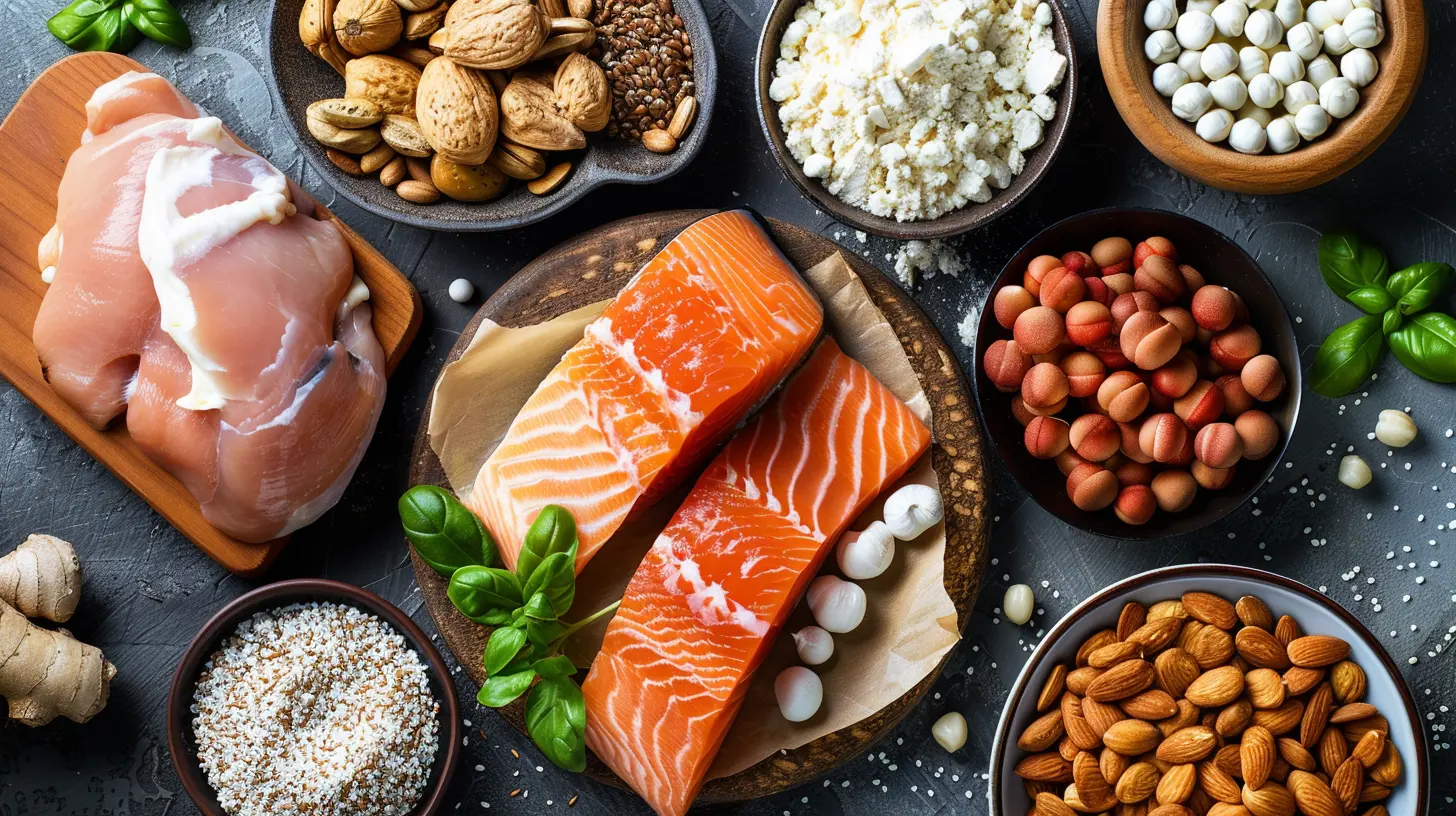
How Much Protein Do You Really Need?
Here’s the million-dollar question: how much protein should you eat?The old-school recommendation for the average person is around 0.8 grams of protein per kilogram of body weight. But that’s just enough to prevent deficiency — it’s not enough if you're looking to build muscle.
For active people aiming to pack on lean muscle mass, the sweet spot is usually:
👉 1.6 to 2.2 grams of protein per kilogram of body weight per day.
To make it easier, here’s a rough guide:
| Body Weight (lbs) | Protein Needed (grams/day) |
|-------------------|----------------------------|
| 130 | 95 - 130 |
| 150 | 110 - 150 |
| 180 | 130 - 180 |
| 200 | 145 - 200 |
These numbers can vary depending on your goals, intensity of training, and overall diet—but staying within this range is a solid starting point.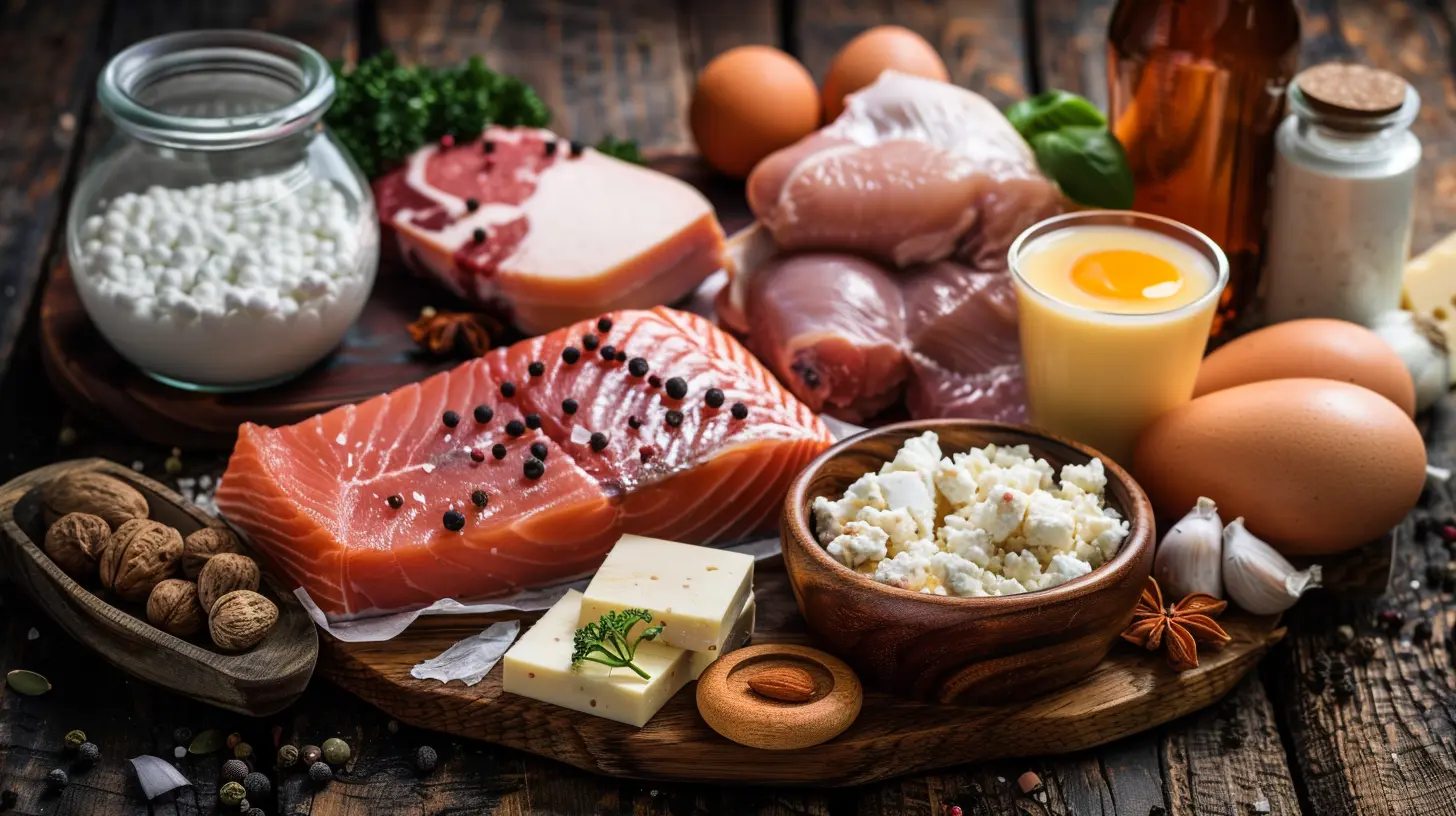
Timing: When Should You Eat Protein?
Ah, the infamous protein timing debate. Is it really that important?Short answer: yes, but probably not for the reasons you think.
You’ve probably heard of the “anabolic window”—the magical 30-60 minutes after a workout when your muscles are supposedly ravenous for protein. While there is some truth to this, it’s not a black-and-white rule.
The real goal is to ensure you’re spreading your protein intake throughout the day—not just cramming it all into dinner or a post-gym shake.
Here’s a simple rule:
👉 Eat 20-40 grams of protein per meal, every 3-4 hours.
This helps keep a steady stream of amino acids (the stuff protein breaks down into) flowing through your body, maximizing muscle synthesis and recovery potential.
Pro Tip: Always aim to get some protein within 1-2 hours after working out. You don’t need to sprint to your locker for a shake, but don’t wait until bedtime either.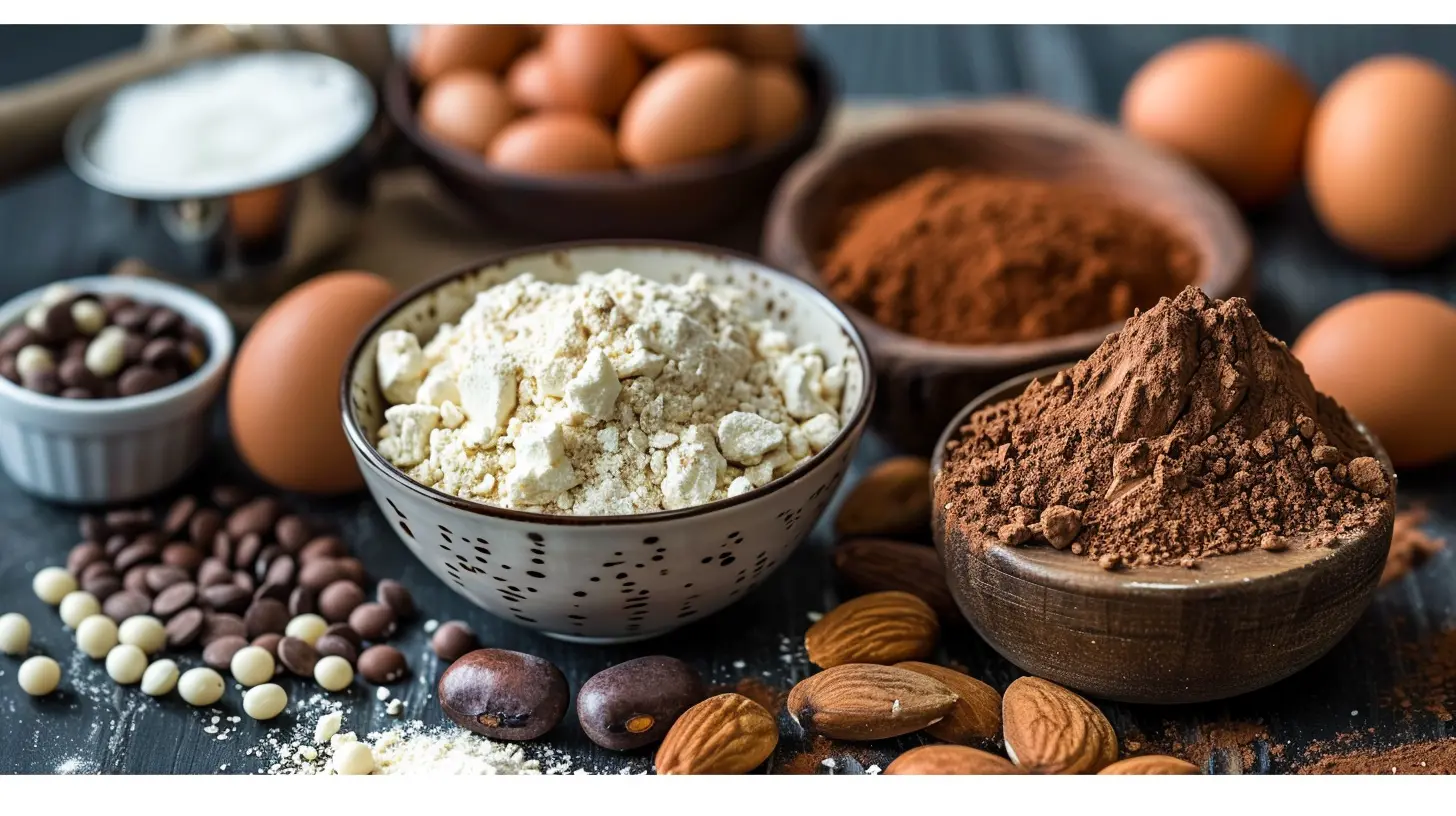
Best Sources of Protein for Muscle Growth
Not all protein is created equal. Some sources are like premium fuel, while others are more like regular unleaded.The gold standard? Complete proteins. These contain all nine essential amino acids your body needs to build muscle.
🥩 Animal-Based Sources (Complete Proteins)
- Chicken breast- Turkey
- Lean beef
- Eggs
- Greek yogurt
- Cottage cheese
- Fish (like salmon, tuna, cod)
- Whey protein powder (fast-digesting)
- Casein protein powder (slow-digesting, great for bedtime)
🌱 Plant-Based Sources (Mix & Match)
Plant proteins are often missing one or more essential amino acids, so you’ll want to mix sources to get the full spectrum.- Lentils
- Chickpeas
- Quinoa (a complete plant protein!)
- Tofu and tempeh
- Edamame
- Nuts and seeds
- Black beans
- Pea protein (often used in vegan powders)
Heads up: If you’re eating plant-based, make sure to include a variety of sources throughout the day to hit all your amino acid needs.
Protein and Calorie Balance: Don’t Forget the Big Picture
Okay, listen up—because this is where a lot of folks go wrong.You could be eating truckloads of protein, but if your overall calorie intake is too low, your body won’t build muscle. In fact, it might even break down the protein you eat for energy instead of repair. Yikes.
Muscle gain requires a calorie surplus—that means eating more than your body burns in a day. But not way more unless you want to pack on extra fat too.
Here’s the formula:
👉 Calories In > Calories Out + Training Stress + Recovery Needs = Muscle GrowthThat extra energy allows your muscles to grow and recover properly. So don’t just up your protein—make sure the rest of your macros (carbs and fats) are locked in too.
Protein Supplements: Are They Worth It?
Let’s keep it real—protein powders are convenient, but they’re just that: supplements. They’re not magical. They won’t turn you into Dwayne “The Rock” Johnson overnight.But if you’re busy or struggle to hit your protein goals through whole foods, powders can be a lifesaver.
Most Popular Options:
✅ Whey Protein – Fast absorbent, ideal post-workout✅ Casein Protein – Slow digesting, great for nighttime
✅ Plant-Based Blends – Good for vegan and dairy-sensitive folks
✅ Collagen – Great for joints & skin, but not a complete protein
Quick Tip: Look for a protein powder with at least 20-25 grams of protein per serving and minimal added sugars or fillers.
Common Protein Mistakes That Sabotage Muscle Gains
Let’s clear the air on a few common blunders:❌ Only drinking protein shakes
Whole foods should still be your primary protein source. Shakes are handy, but they shouldn’t replace real meals.❌ Eating all your protein at dinner
Your body can only use so much protein at once. Spread it out during the day to keep muscle-building signals strong.❌ Not tracking your intake
You might think you're “eating a lot of protein,” but when you actually track it? Surprise! You’re way off. Use apps like MyFitnessPal to dial it in.❌ Ignoring carbs
Carbs aren’t the enemy—they help shuttle that protein into your muscle cells and replenish energy. Don’t drop them too low.Protein at Night: Fact or Fiction?
A lot of people ask: “Should I eat protein before bed?”Here’s the deal: Eating slow-digesting protein like casein before bed can actually help prevent muscle breakdown while you sleep. That’s because your body goes through a fasting state overnight, and muscles still need fuel to rebuild.
So, go ahead—grab that Greek yogurt, cottage cheese, or casein shake before hitting the sack. It could give your gains a subtle edge over time.
Female Lifters & Protein: Same Guidelines?
Absolutely. Women need protein just as much as men for muscle gain, recovery, and even hormonal balance. But because women usually have lower body weight, their total daily need might be a little less numerically—but the principles are the same.Don’t be afraid of getting “too bulky.” That’s not how muscle growth works for most women because of lower testosterone levels. Instead, protein helps create lean, toned, and firm muscle mass. No bulk, just strength and definition.
Final Thoughts: Make Protein Work FOR YOU
Protein is powerful—but only when you use it right. Forget the myths, skip the bro-science, and focus on the basics:✅ Eat enough protein daily
✅ Spread it out in meals throughout the day
✅ Prioritize whole food sources
✅ Use supplements when it makes sense
✅ Don’t forget the calories, carbs, and healthy fats
And most importantly—stay consistent. Muscle doesn’t build overnight. But with the right fuel (aka, protein), smart training, and a bit of patience, your body will thank you.
So, grab that fork or shaker bottle and make every gram count.
all images in this post were generated using AI tools
Category:
Weight TrainingAuthor:

Holly Ellison
Discussion
rate this article
2 comments
Bryson McKellar
Great article! I appreciate the clear tips on protein usage for muscle gain. It's always encouraging to learn more about effective nutrition for fitness. Thanks!
April 1, 2026 at 3:36 AM
Holly Ellison
Thank you for your kind words! I'm glad you found the tips helpful for your fitness journey!
Lola McCracken
Great article! I appreciate the clear tips on protein intake for muscle gain. It's essential to understand how to optimize our nutrition. Thank you!
March 26, 2026 at 4:29 AM
Holly Ellison
Thank you for your kind words! I'm glad you found the tips helpful for optimizing your nutrition. Happy training!