How to Use Foam Rolling to Accelerate Muscle Repair
21 January 2026
When your muscles are sore and tight after a tough workout, you might instinctively want to just plop onto the couch and call it a day. But what if I told you that a simple, inexpensive tool could work wonders in speeding up your muscle recovery? Yep, I’m talking about foam rolling! Whether you're a gym enthusiast, a runner, or someone who just wants to move without aches and pains, foam rolling can be a game-changer.
So, how exactly does this magical cylinder of foam work? And more importantly, how can you use it to accelerate muscle repair? Let’s dive in! 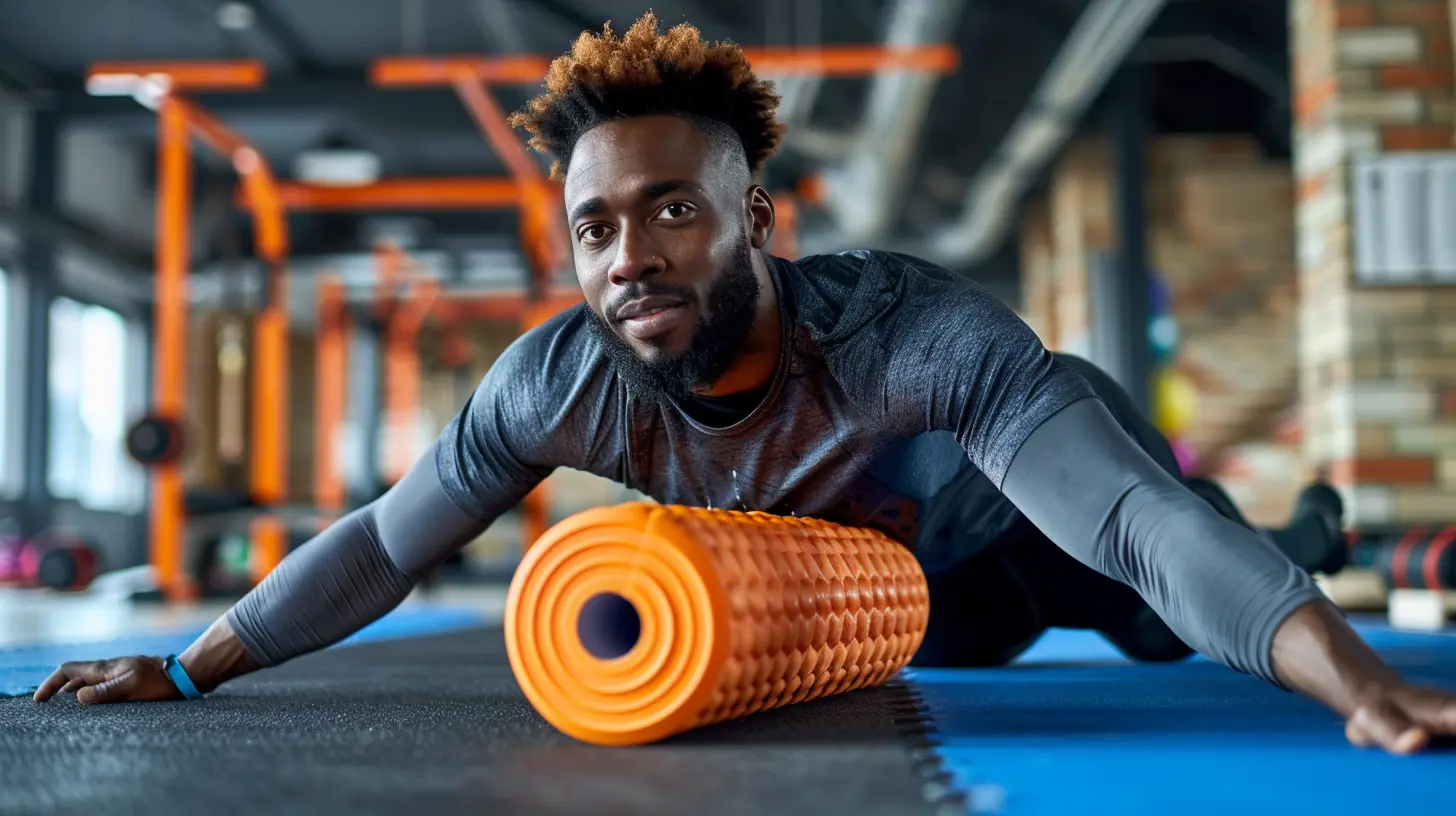
What Is Foam Rolling?
Foam rolling, also known as self-myofascial release (SMR), is a technique that involves using a cylindrical foam roller to apply pressure to sore or tight muscles. Think of it as giving yourself a deep tissue massage—without the hefty price tag of a professional masseuse.By rolling out your muscles, you help break up adhesions (aka "knots"), improve blood circulation, and enhance flexibility. This not only makes your muscles feel better but also allows them to heal faster after strenuous activity. 
Why Is Muscle Repair Important?
Before we get into the nitty-gritty of foam rolling, let’s talk muscle repair. Every time you engage in physical activity—especially strength training or endurance workouts—your muscles experience tiny microscopic tears. Don’t worry, this is completely normal! It’s actually how muscles grow stronger.However, if you don’t allow your muscles to recover properly, it can lead to prolonged soreness, stiffness, and even injury. Optimizing muscle repair means less downtime, better performance, and fewer aches getting in the way of your next workout.
So, where does foam rolling come in? Let’s find out! 
How Foam Rolling Helps Accelerate Muscle Repair
Foam rolling isn’t just for relaxation—it’s a legit recovery tool backed by science. Here’s how it helps speed up muscle healing:1. Boosts Blood Circulation
When you roll out sore muscles, you stimulate blood flow to the affected area. This means more oxygen and nutrients are delivered to your tired muscles, helping them heal faster. Think of it like giving your muscles a fresh supply of fuel so they can bounce back quicker.2. Reduces Muscle Soreness
Post-workout soreness (aka DOMS - Delayed Onset Muscle Soreness) can be brutal. Foam rolling helps reduce this by breaking up tight knots and improving tissue elasticity. It's like kneading dough—softening the stiffness and making movement more fluid.3. Breaks Up Scar Tissue & Knots
Over time, repetitive movements can lead to adhesions and scar tissue buildup in your muscles. Foam rolling breaks these up, allowing for better muscle function and flexibility.4. Enhances Range of Motion & Flexibility
Tight muscles can restrict mobility, making movements feel stiff and uncomfortable. Rolling out these muscles helps restore flexibility, making it easier to move freely and painlessly.5. Reduces Risk of Injury
When your muscles are tight and restricted, they’re more prone to strains and injuries. Foam rolling keeps your muscles supple and mobile, reducing your chances of injury during activities like running, lifting, or even daily movement.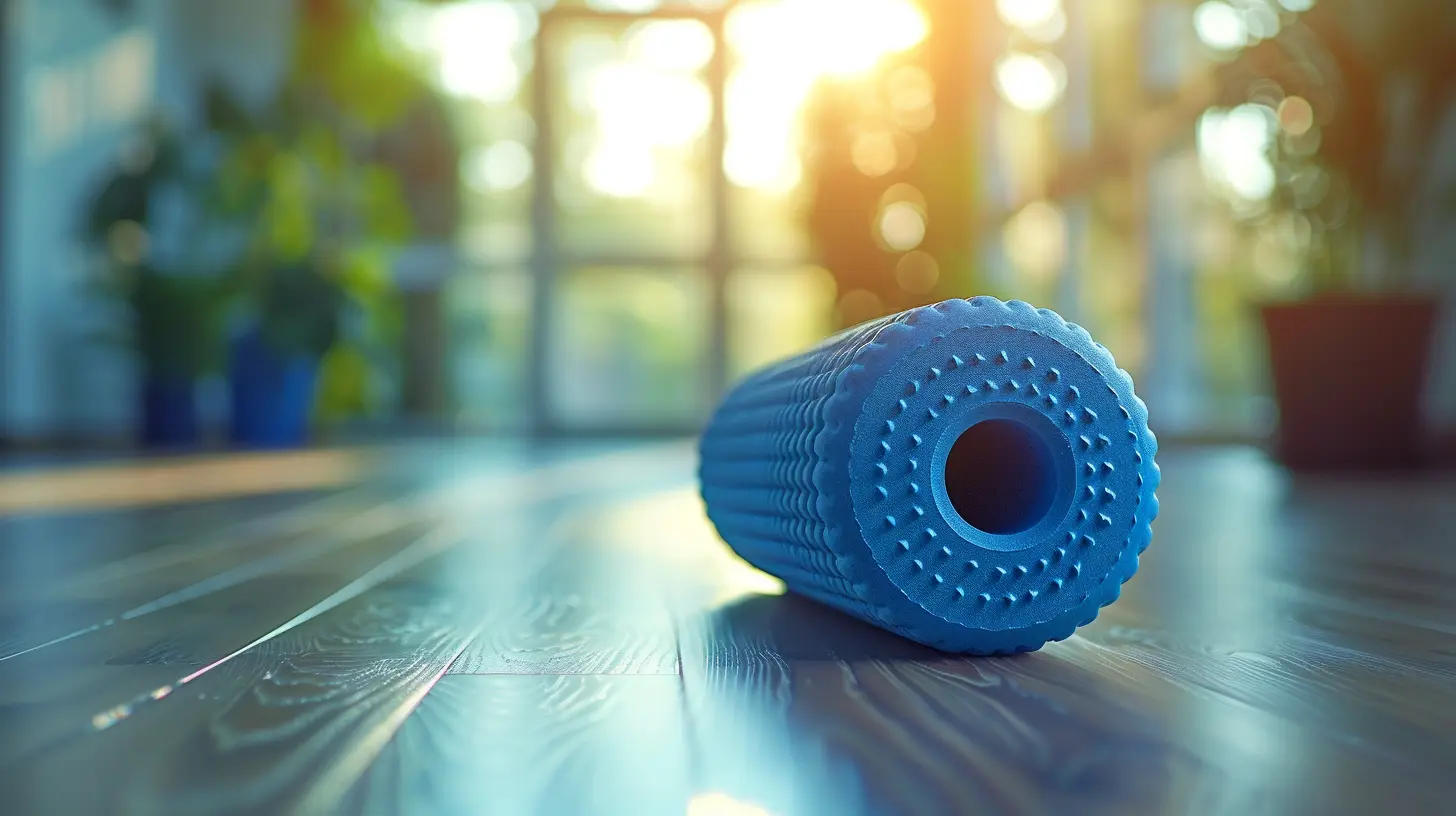
How to Use Foam Rolling for Maximum Recovery
Now that you know why foam rolling is awesome, let’s talk about how to do it correctly. Follow these steps to get the most out of your foam rolling sessions.1. Choose the Right Foam Roller
Not all foam rollers are the same. They come in various densities and textures, so you’ll want to pick one that suits your needs:- Soft Foam Rollers – Best for beginners or those with sensitive muscles.
- Firm Foam Rollers – Provide deeper pressure, ideal for experienced rollers.
- Textured Rollers – These have ridges and bumps to mimic a deep tissue massage.
2. Warm Up Before Rolling
Foam rolling is most effective when your muscles are warm. Try a short 5-10 minute dynamic warm-up before rolling to loosen up your body and improve circulation.3. Use Slow & Controlled Movements
When rolling out a muscle, move slowly (about one inch per second) and apply gentle pressure. If you hit a tender spot, pause and breathe through the discomfort for about 20-30 seconds before moving on.4. Target Key Muscle Groups
Here are some common muscle groups to focus on:- Quadriceps (Front Thighs): Great for runners and lifters.
- Hamstrings (Back Thighs): Helps with flexibility and movement.
- Calves: Relieves tightness, especially for those who walk or run a lot.
- Glutes: Reduces lower back pain and improves hip mobility.
- Upper Back (Thoracic Spine): Releases tension from sitting too much (we’re looking at you, office workers!).
5. Roll After Workouts (or Whenever You’re Sore)
For best results, add foam rolling to your post-workout routine. It helps flush out lactic acid and prevents excessive stiffness the next day.Common Mistakes to Avoid
As effective as foam rolling is, many people make mistakes that reduce its benefits. Here’s what NOT to do:❌ Rolling Too Fast: Moving too quickly won’t give your muscles enough time to release tension.
❌ Holding Your Breath: Breathe deeply to help your muscles relax while rolling.
❌ Rolling Over Joints & Bones: Stick to soft tissue and avoid rolling directly over joints or bony areas.
❌ Ignoring Pain Signals: If something feels extremely painful, stop! Foam rolling should feel like discomfort, not agony.
How Often Should You Foam Roll?
Like anything, consistency is key. Ideally, aim for 5-10 minutes of foam rolling per day, especially after workouts or when you’re feeling sore. But even if you only do it a few times a week, you’ll still reap the benefits.Final Thoughts
Foam rolling isn’t just a trendy fitness hack—it’s a powerful tool for muscle recovery, flexibility, and injury prevention. Whether you’re an athlete or someone who just wants to move pain-free, adding this simple practice to your routine can make a world of difference.So, grab a foam roller, roll out those knots, and give your muscles the care they deserve. Your body will thank you for it!
all images in this post were generated using AI tools
Category:
Post Workout RecoveryAuthor:

Holly Ellison
Discussion
rate this article
2 comments
Freya McKnight
Great insights! Foam rolling truly makes a difference in muscle recovery and overall well-being.
February 22, 2026 at 5:57 PM
Holly Ellison
Thank you! I'm glad you found the insights helpful—foam rolling really is a game changer for recovery!
Alice Kelly
Unlock the secrets of foam rolling—an ancient practice cloaked in modern science. Delve into the enigmatic world where pressure meets recovery, and discover how this simple tool holds the key to rejuvenating your muscles faster than you ever imagined.
January 21, 2026 at 4:55 PM
Holly Ellison
Thank you for your insightful comment! Foam rolling truly blends tradition and science, offering a powerful way to enhance recovery and muscle rejuvenation. I hope you find the article helpful in unlocking its full potential!